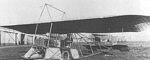
Pitcairn had refined Autogiro development, first learning from the C8W (which was presented to the Smithsonian on July 22, 1931), then with a series of developmental aircraft, the PCA-I, 1A and lB. (The PCA-1A is currently exhibited at the American Helicopter Museum & Education Center at the Brandywine Airport, West Chester, PA on loan from the Smithsonian).
The three Pitcairn-Cierva built, NX94N/96N, were redesign of Cierva C-8 using PA-5 Sport Mailwing fuselage. The first commercial autogyro in USA.
Year: 1930 Engine: Wright R-760-4, 240 hp Gross wt: 2750 lb Rotor dia: 43 ft No of blades: 4 Span: 32 ft 0 in Length: 23 ft 0 in Seats: 3
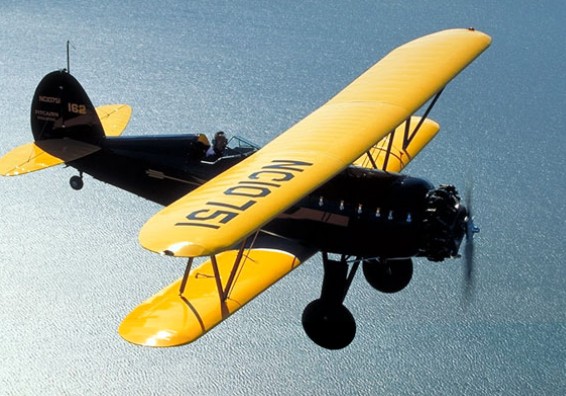
At least six of the 1930 Pitcairn PA-8 and -8M Super Mailwing (ATC 364) were built, including prototype NX10056, and NC10750/10754. They were priced at $12,500
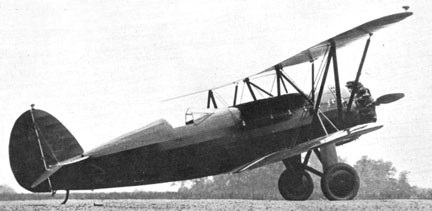
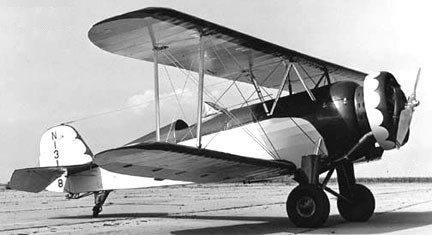
The Pitcairn PA-7S sport biplane was generally similar to the PA-7M Mailwing single-seat mailplane designed in 1927 and produced in some numbers in the 1930s.
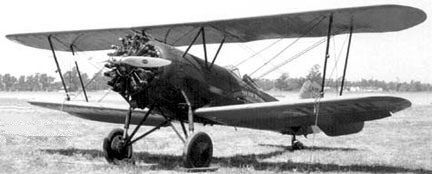
The 1929 PA-7 Super Mailwing received ATC 196. Two were built: NR213M and NC684E.
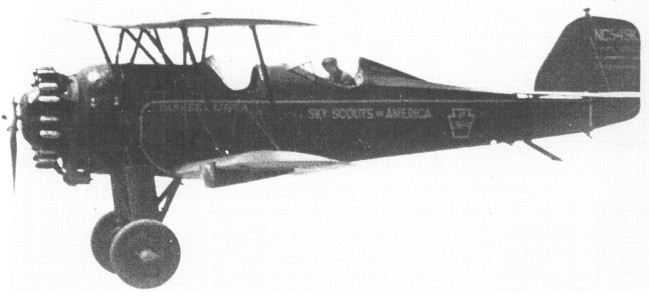
The 1929 PA-7M Super Mailwing (ATC 196) was a single place PA-7 as a mailplane.
Ten PA-7M Super Mailwing were built; NC94W, NC351V, NC378V, NC545K, NC825N/826N, NC876M/877M, and NC7967.
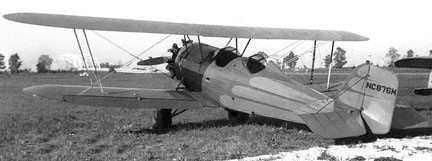
The 1929 PA-7S Super Sport Mailwing (ATC 196) three-place sport version of the PA-7 sold for $8,500. Sixteen were built; NS53W, NC54W, NC68M/71M, NC95W/97W, NR213M prototype, NC824N, NC10375/10377, NC10379, and NC13158.
Pitcairn PA-7S N95W
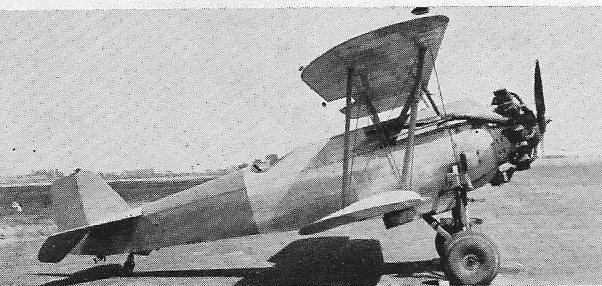
The PA-7S crop-dusting version had a modified metal fuselage.
PA-7 Super Mailwing Engine: 225hp Wright J-6 Wingspan: 33’0″ Length: 23’9″ Useful load: 1129 lb Max speed: 135 mph Cruise: 155 mph Stall: 57 mph Range: 520 mi Seats: 3
PA-7M Super Mailwing Engine: 225hp Wright J-6 Wingspan: 33’0″ Length: 23’9″ Max speed: 135 mph Cruise: 155 mph Stall: 57 mph Range: 520 mi Seats: 1
PA-5S Engine: 220 hp Wright Whirlwind J-6 Wingspan: 33 ft Wing area: 243.5 sq.ft Length: 23 ft 9 in Height: 9 ft 6.5 in Empty weight: 1820 lb Loaded weight: 3050 lb Max speed: 150 mph Cruise: 128 mph Service ceiling: 16,000 ft Seats: 3
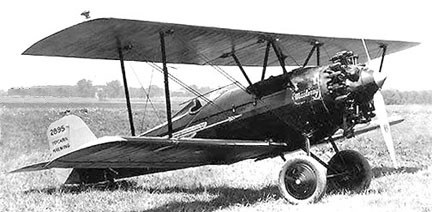
The single-place PA-6 and 6B Super Mailwing of 1928 (ATC 92) were similar to the PA-5 but with a larger cargo hold. 51 were built; NC19/20, NC26, NC36E/38E, NC93W, NC127/129E, NC210H/214H, NC215E, NC298E, NC338E, NC353E/355E, NC377V, NC482E/483E, NC557E, NC585, NC643E/644E, NC680E/683E, NC800H/804H, NC875M, NC878M, C2896, NC7152, NC7557, NC7866/7868, NC7965/7966, NC10378, NC13912/13913, and NC15307.
The 1928 PA-6S Super Mailwing (ATC 2-22) was a three-place sport version of the PA-6 mail plane. ATC 2-22 was replaced by ATC 92.
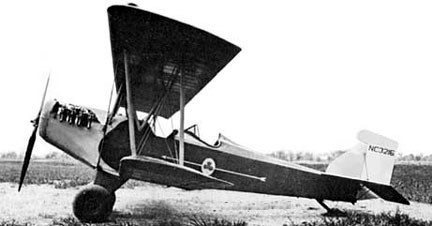
The 1928-30 PA-4K and PA-4W Fleetwing 2 were approved for 100hp Kinner K-5 (ATC 2-230) and 110hp Warner Scarab (ATC 2-193). One each -4K [NC10130] and -4W [NC3216] for conversions as engine test-beds.
The 1926 PA-2 Sesquiwing (aka Arrow) was built for racing. Powered by a 160hp Curtiss C-6 engine, it was a quick-change convertible to a 90hp Curtiss OX-5 in 31 minutes.
Registered NC10222 for the 1926 Nationals, but it did not finish because of motor problems.
Engine: 160hp Curtiss C-6 Wingspan: 32’0″ Length: 22’6″ Useful load: 754 lb Max speed: 145 mph Cruise: 120 mph Stall: 60 mph Range 360 mi Seats: 2