Skyfly Technologies Axe

Aviation history was made by Banbury based Skyfly Technologies in 2025, when its Axe aircraft travel from Turweston Aerodrome in Northamptonshire to Bicester Airfield in Oxfordshire, and back again. Europe’s first airfield-to-airfield flight of a fully electric vertical take-off and landing (eVTOL) aircraft.
Skyfly’s chief technical officer and test pilot, Dr William Brooks, piloted the prototype craft for the test flight.
The outbound journey took 12 minutes and the return took eight minutes and Mr Brooks said the aircraft “performed very well”.
He added: “It has a gentle feel in turbulence, giving the impression of more span because of the motor masses at the tips.
“The comfort, outstanding view and lack of noise make for enjoyable flying.”
The aircraft can take off and land both vertically and conventionally and received the necessary UK Civil Aviation Authority clearance for flying in 2024.
The Axe features eight electric motors – two on each wingtip enclosed in a single nacelle – powered by high-capacity lithium batteries housed within the fuselage. These batteries are swappable and removable for convenient charging.
The prototype has now been readied for a trip to the United States at the end of July, where it will appear at EAA AirVenture in Oshkosh – an event for experimental aircrafts.

Specifications:

Aircraft type: eVTOL passenger aircraft (and has a hybrid-electric VTOL option)
Piloting: 1 pilot
Capacity: 1 pilot and 1 passenger (or 2 passengers when the aircraft becomes autonomous)
Cruise speed: 161 km/h (100 mph)
Range (batteries): 161 km (100 miles)
Range (with generator, a range extender): 322 km (200 miles)
Flight time: Unknown
Empty Weight: 182 kg (401 lb)
Maximum payload: 172 kg (379 lb)
Maximum takeoff weight: 600 kg (1,323 lb)
Propellers: 4 propellers
Electric motors: 8 electric motors
Power source: Batteries or batteries with a generator to produce electricity
Fuselage: Carbon fiber composite
Window: Canopy over cockpit
Wings: Canard wings (2 wings)
Tail: 1 rudder
Landing gear: Fixed tricycle wheeled landing
CubCrafters XCub

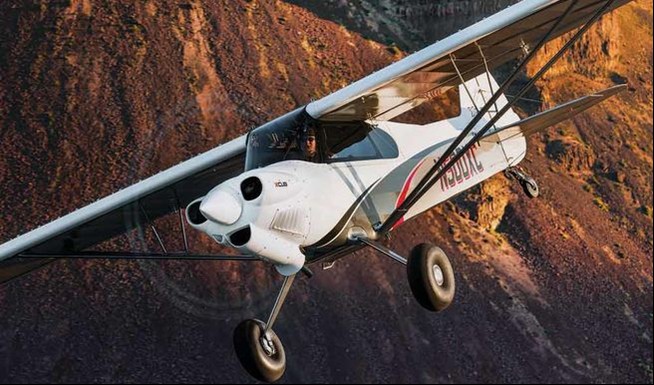
Developed in secret over a six-year period, the CubCrafters XCub emerged on the scene June 2017 as a fully certified product ready for delivery to buyer’s who sought the ideal backcountry machine.
Though it’s a clone of the Piper Super Cub introduced to the market decades ago, the XCub is a thoroughly modern aircraft, featuring Lycoming’s 180 hp O-360 engine spinning a composite Hartzel Trailblazer constant speed prop, a combination that allows the the XCub to cruise at 145 mph at 75 percent power and offer up a useful load of 1,084 pounds while almost levitating like a helicopter on the extremely short takeoff run.

Nakajima Type 4

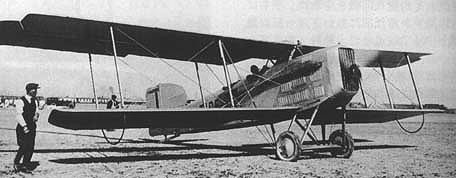
The Sixth Type 4, 1919

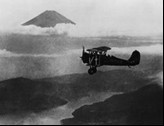
After the trials and tribulations in the foundation period, the sixth Nakajima Type 4 was finally completed, and flew over Ojima Town proudly.

In 1919, the first mail plane contest was held between Tokyo and Osaka. Nakajima Type 4 cleared the distance in 3 hours and 18 minutes, and defeated the imported planes. Together with the prize money of 9,500 yen, it provided a good opportunity to demonstrate their engineering superiority to the public.

Bristol X.2

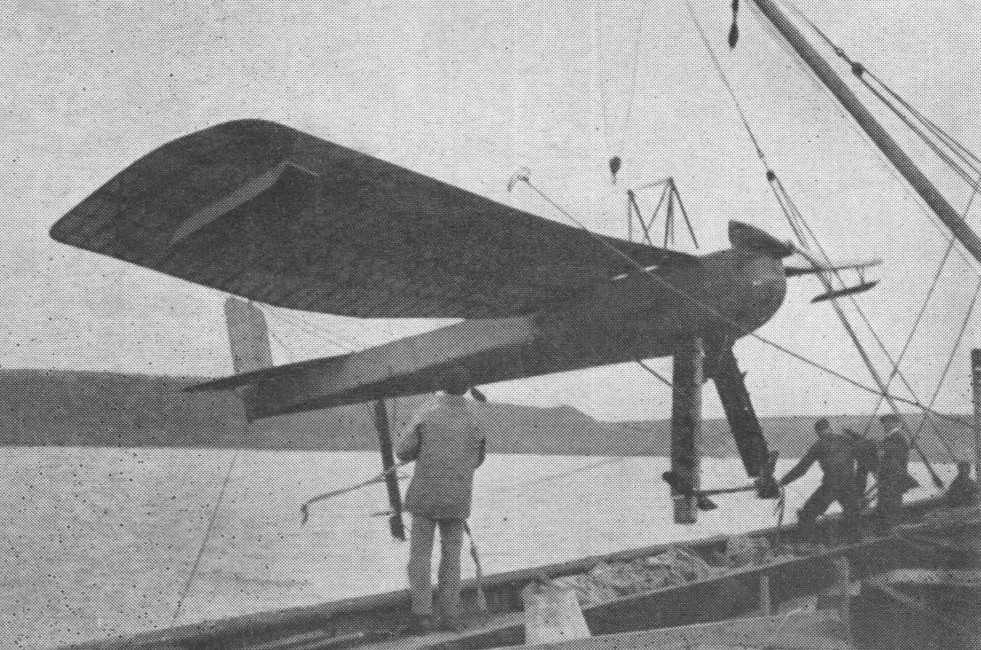
The Bristol X.2 project of 1912 featured a hydroped undercarriage designed by Sir Dennistoun Burney. This consisted of three legs carrying a series of hydrofoils and a water propeller.

At rest, the X.2 floated on its boat-shaped hull. For take-off its engine first drove the water propellor. As it gathered speed, the hydroped undercarriage was supposed to raise te hull clear of the water, until the pilot could switch to the flying propeller and take-off.

When towed behind a destroyer, the X.2 became airborne like a kite, before crashing.

Junkers Aircraft A50 Junior

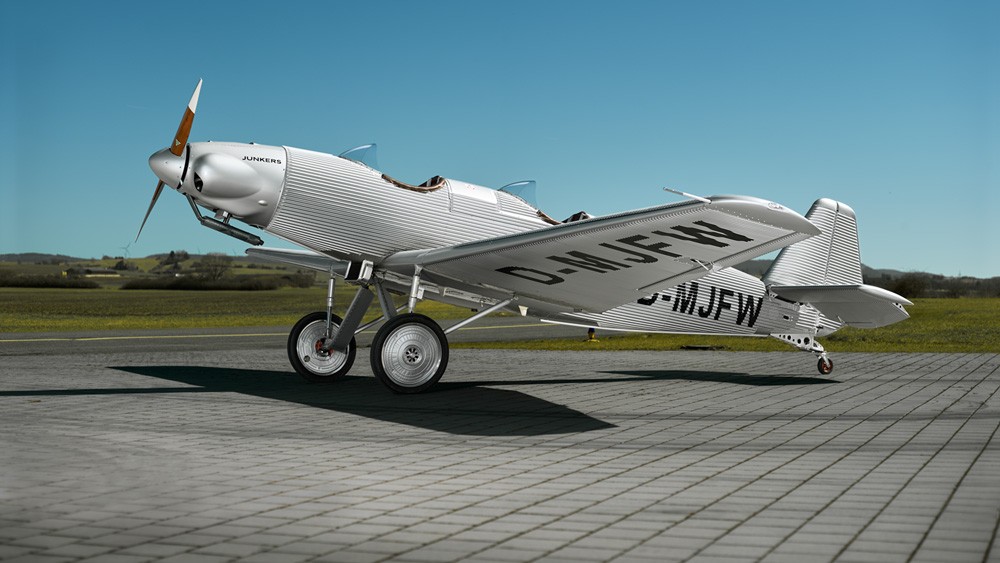
The Junkers Aircraft A50 Junior is a sleek, light sport two-seater that merges the pioneering spirit and flair of the 1930s with the very latest aviation technology and safety.
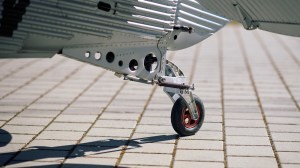
Inspired by the A50 Junior that first took flight back in 1929, this reborn, reimagined successor features the signature corrugated, lightweight aluminum skin, oval fuselage cross-section, twin-blade wooden propeller, and even the spoked wheels of the iconic original.
It’s a brand-new, fully certified model, handcrafted by Junkers Aircraft GmbH in Oberndorf, Germany.

Powering the A50 Junior is the proven and ultra-dependable, Rotax 912iS fuel-injected, 4-cylinder engine producing 100 hp.
It gives the lightweight, 1,323-pound (827 pounds empty) A50 a top speed of 112 knots and relaxed cruising at 84, coupled with an impressive fuel economy. With its 27-gallon (US) tank full, the A50 has a range of over 770 miles, sipping fuel at the rate of just four gallons an hour.
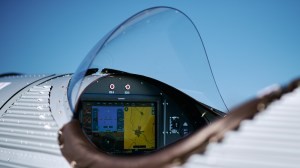
Built-in safety comes from the stiffness and rigidity of the fuselage, the integrated Galaxy ballistic parachute rescue system, Beringer brakes, and the latest Garmin G3X avionics with a 10.6-inch pilot touchscreen for advanced navigation.

It takes over 2,500 hours it takes to build one, to the more than 1,000 hand-built components—98 percent of which are crafted in-house—to the over 10,000 hand-applied rivets used in construction.

Like the 1929 original, the A50 Junior is defined by its streamlined, corrugated aluminum skin, designed to provide strength and rigidity while giving the aircraft a truly unique look.

The twin cockpit layout puts the pilot in the rear and the co-pilot up front, with rounded, frameless windshields for protection. Each cockpit features hand-stitched leather trim for comfort and style, while to personalize each A50 Junior, there’s a choice of six distinctive, art deco–style exterior colors. Everything from white aluminum, to carrara white, to bold saffron yellow and papaya metallic, to cool frozen blue and black metallic. Flying goggles and a leather helmet are custom to the pilot.

For true authenticity, JUNKERS also offers an A50 Heritage model, powered by a 124 hp Verner Scarlett 7U radial engine with old-school analog gauges. It comes standard as a single seater, with the option of a second seat up front.
Since the launch of this new A50 Junior in 2022, production has been centered on JUNKERS’ main facility in the heart of Germany’s Black Forest. But that was about to change with the opening of the company’s new manufacturing space in Battle Creek, Michigan.