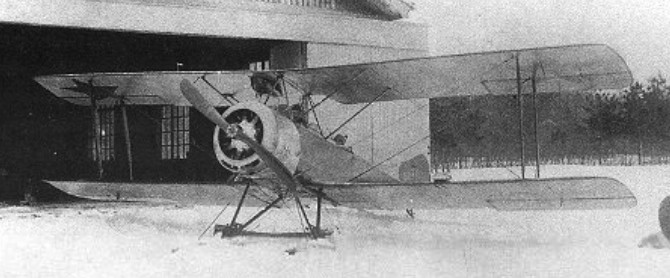
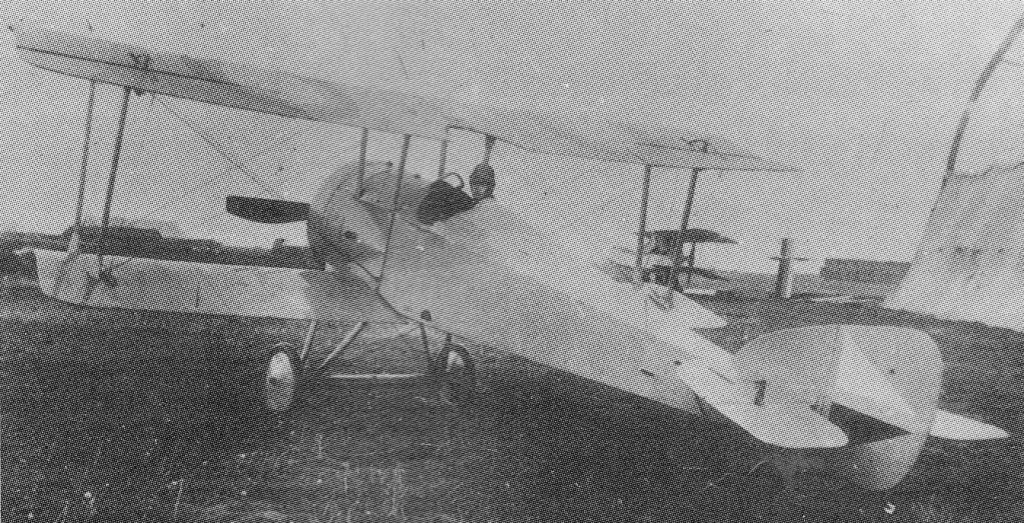
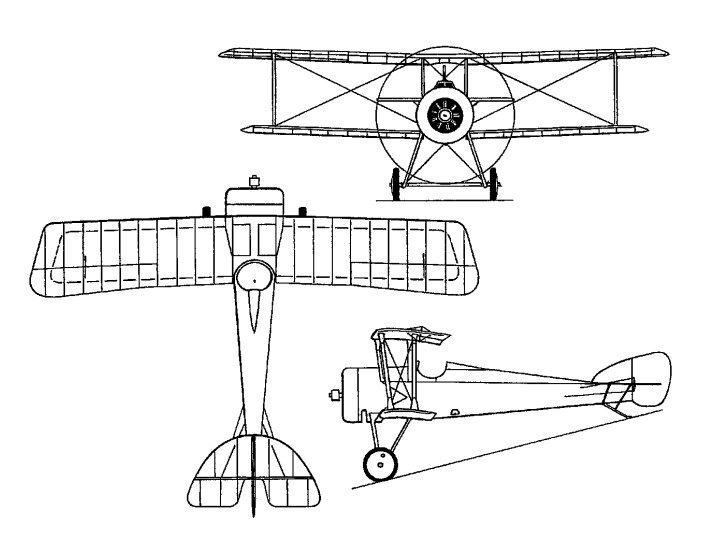
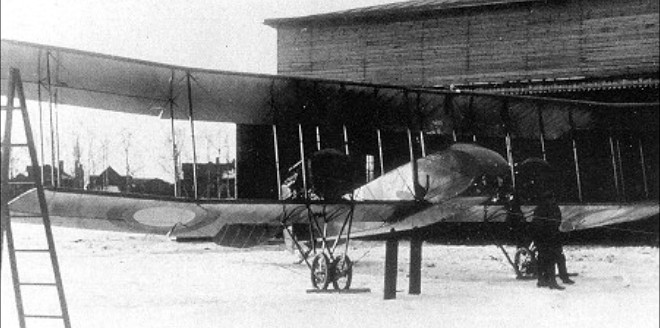
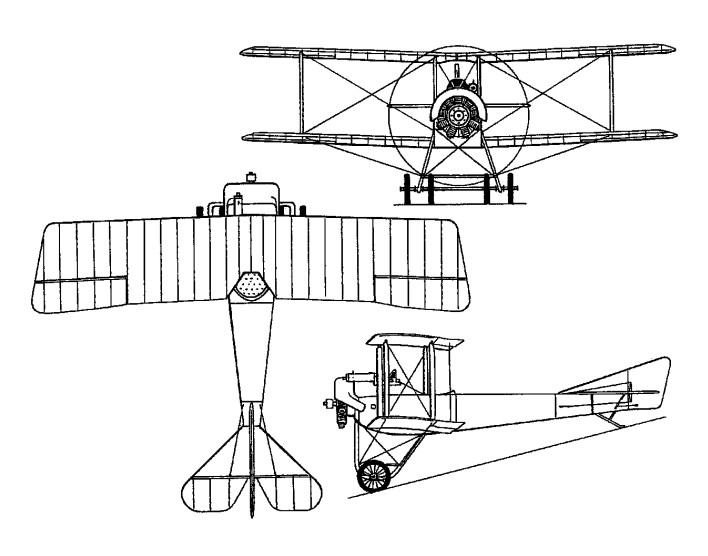
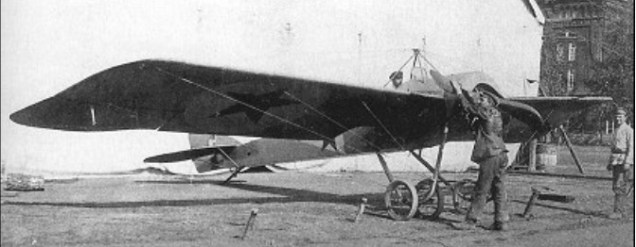
The last of the RBVZ’s First World War fighters, the S-20, embodied lessons learned from licence manufacture of the French Nieuport 17. The production version, with a 120hp Le Rhone engine, was said by its pilots to be faster than the Nieuport, with a top speed of 190km/h; but only five were ordered, leaving the RBVZ free to concentrate on production of its Ilya Mourometz bombers.
The S-19 had two 150hp Sunbeam engines in tandem and a cockpit in the nose of each of the twin tailbooms that projected slightly forward of the lower wings. The design seems to have emanated from the Russian War Department, which ordered the RBVZ to match German experiments with twin-boom combat aircraft. The prototype was completed in late 1916.
Intended as a twin-engined fighter capable of inflicting heavy blows on enemy aircraft penetrating Russian airspace, the S-18 had a cockpit in the nose for an observer-gunner. Two 150hp Sunbeam pusher engines failed to lift it off the ground at its maximum weight of 2100kg.
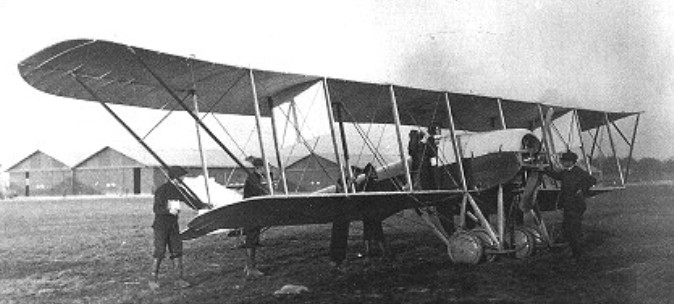
During the First World War most Russian squadrons flew French-designed aircraft, many of them built under licence. Sikorsky’s single-seat S-13 and S-14 biplanes were probably not completed. Three two-seat S-16s were built as trainers for bomber crews of the Squadron of Flying Ships in 1915, followed by about twenty-four more as two-seat S-16-2 and single-seat S-16-3 bomber escort and reconnaissance scouts with 80hp Gnome engines in 1916-17. A machine-gun was mounted under the top wing, firing clear of the propeller, until Engineer Lavrov invented an interrupter gear for a fuselage-mounted gun.
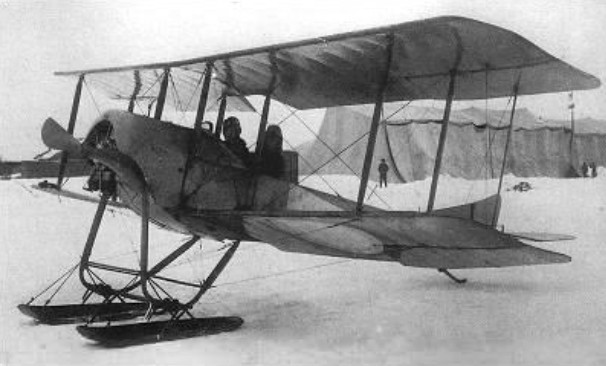
For winter operation, a number of S-16s were flown on skis in place of the standard four-wheel landing gear; at least one was fitted with twin floats in 1916. Contemporary accounts show that pilots enjoyed the stability, manoeuvrability and delicate controls of the S-16s, but they were outclassed by German fighters of the time.
The S-12 was built at the suggestion of George Yankovsky as a lighter, single-seat version of the S-11 with an 80hp Gnome. He looped it in September 1913, the first time a Russian aircraft had performed this manoeuvre, and set a Russian height record of 3680m shortly afterwards. Most of the dozen or so S-11s that were built survived the war, and served in the earliest Soviet Air Force units during the Revolution. Several were still operational in 1922, mostly with an 80hp Le Rhone engine.
Developed from the larger and heavier S-9, the 1913 S-11 Polukroogly (half-round) had a conventional wooden fuselage and 100hp Gnome Monosoupape engine. It was initially equipped with ailerons that were operated by steel tubes inside the wing. Trials revealed that they were not efficient, so they were replaced by wing warping. The pilot and observer sat side-by-side, with controls only for the left seat. A top speed of 100km/h, stalling speed of 70km/h and take-off run of 75m were good enough to gain the S-11 second place in the 1913 military competition for a reconnaissance aircraft; but it was not ordered into production.
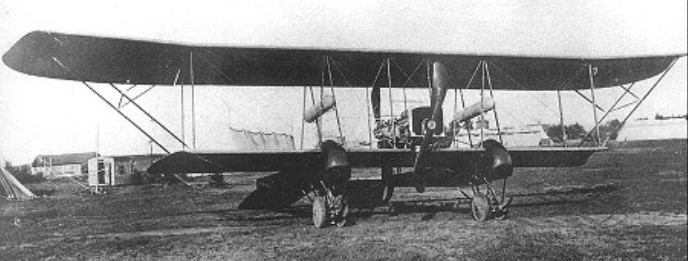
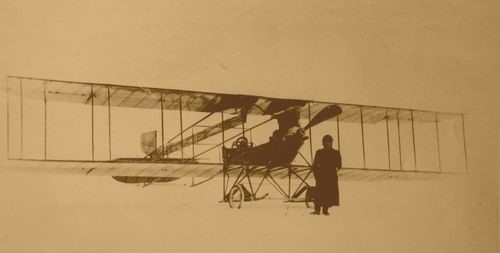
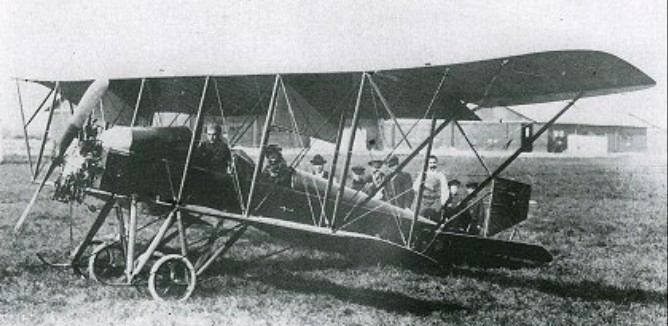
Constructed in Kiev, this 100 hp Argus-powered biplane was used by Igor Sikorsky to set new Russian flight records in November 1911, even setting a world-record with his design – a distance record with two passengers.
S-6A
S-10
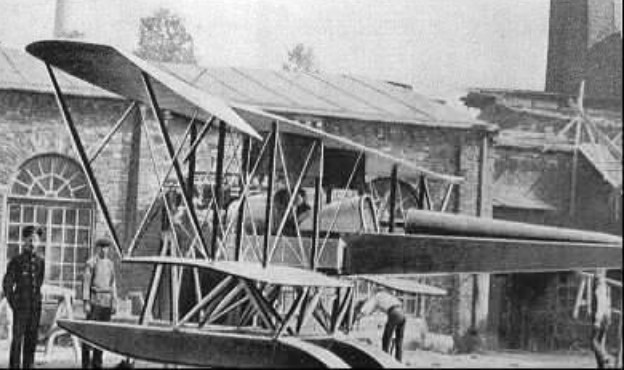
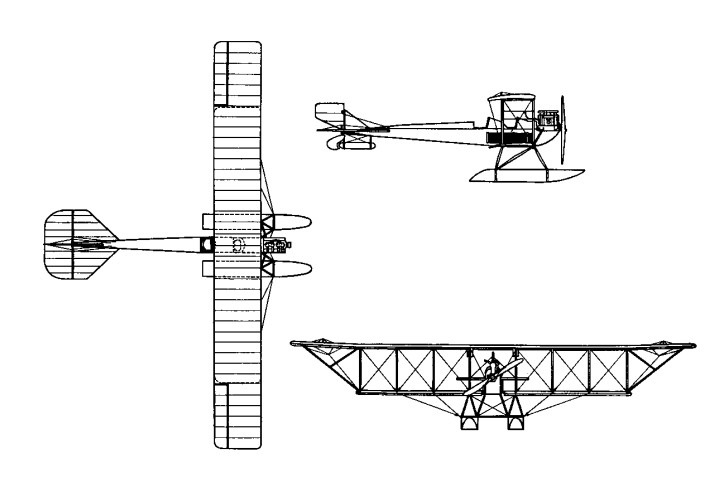
Under the designation S-10, about sixteen production versions of the S-6B were built by the RBVZ. The majority were delivered as twin-float seaplanes for service with the Baltic Fleet, from the summer of 1913 to 1915, with 100hp Argus or Gnome Monosoupape engines. Some were deployed on the world’s first operational seaplane carriers.
S-10
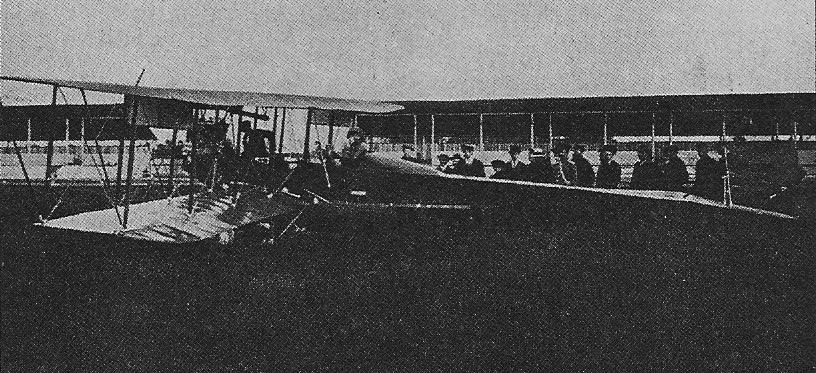
A special Competition S-10 landplane, with 80hp Gnome engine, was built for the 1913 military aircraft competition. The wing span was increased to 16.75m, with outer panels that could be folded for storage. The two seats were placed side-by-side, and the control wheel could be swung from pilot to co-pilot during flight. Production test pilot Alechnovich set a Russian record by flying it 500km in 4 hours 56 minutes, and it took first prize in the 1913 competition although it lacked the speed and manoeuvrability of the S-6B. After its span had been reduced to 13.70m and a 100hp Monosoupape installed, it served as a trainer with the Baltic Fleet.
S-10
The S-10A’s span of 13.7m and two seats in tandem set the standard for all S-10 seaplanes, and its 125hp (de-rated to l00hp) Anzani engine gave it better speed and rate of climb than the Competition S-10. Its flying characteristics were less good, preventing it from gaining first prize, but it set a new Russian height record of 3420m, piloted by Gleb Alechnovich. Modified to have a 100hp Monosoupape and floats, it was assigned to the Baltic Fleet.
Engine: 1 x 100hp Argus Wingspan: 16.9 m / 55 ft 5 in Length: 8.0 m / 26 ft 3 in Height: 4.1 m / 13 ft 5 in Wing area: 45.0 sq.m / 484.38 sq ft Max. speed: 90 km/h / 56 mph
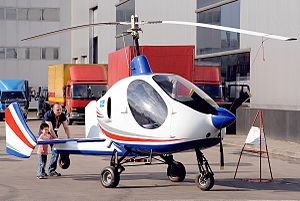
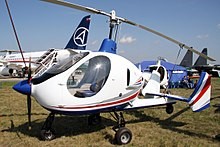
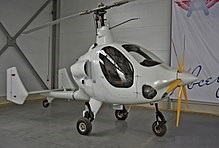
The Russian Gyroplanes Gyros-2 Smartflier autogyro was designed for a variety of roles, including aerial application, courier, forestry patrol, search and rescue, geological survey, air taxi and flight training. It features a single main rotor, a two seats in side-by-side configuration enclosed cockpit accessed by doors, tricycle landing gear, plus a tailwheel and a 200 hp (149 kW) Mistral 200 engine in tractor configuration.
Gyros-2 Smartflier
Russian designed and produced by Russian Gyroplanes of Zhukovsky, Moscow Oblast, the aircraft is supplied complete and ready-to-fly.
The autogyro has a two-bladed rotor and a three or six-bladed tractor propeller. The autogyro also fits an optional Racket 120 single-cylinder, two-stroke auxiliary engine for running the agricultural equipment, when it is installed.
Gyros-2 Smartflier with six-bladed propeller
Gyros-2 Powerplant: 1 × Mistral 200 gasoline engine, 150 kW (200 hp) Aux powerplant: 1 × Racket 120, 10 kW (13 hp) Propeller: 3-bladed ground adjustable Empty weight: 610 kg (1,345 lb) Gross weight: 750 kg (1,653 lb) Fuel capacity: 100 litres (22 imp gal; 26 US gal) Useful load: 140 kg (309 lb) Payload w/ full fuel: 68 kg (150 lb) Cruise speed: 130 km/h (81 mph; 70 kn) Range: 800 km (497 mi; 432 nmi) Rate of climb: 3.1 m/s (610 ft/min) Crew: one Capacity: one passenger