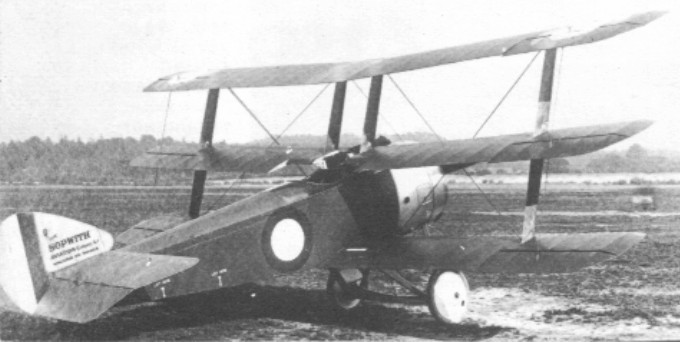
Sopwith Triplane

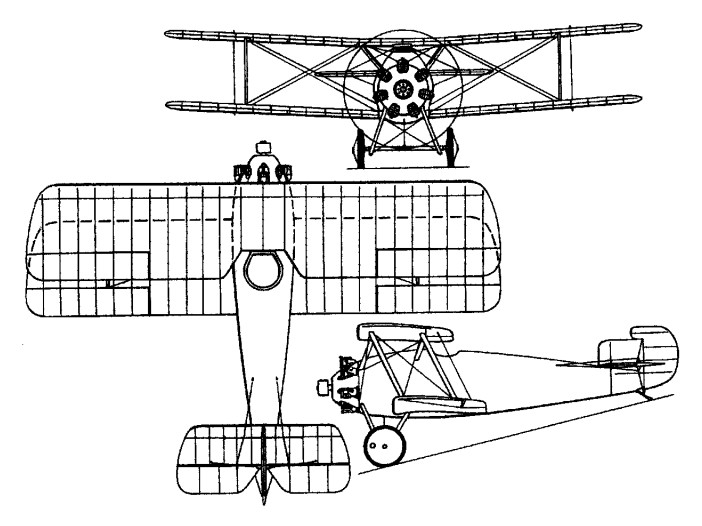
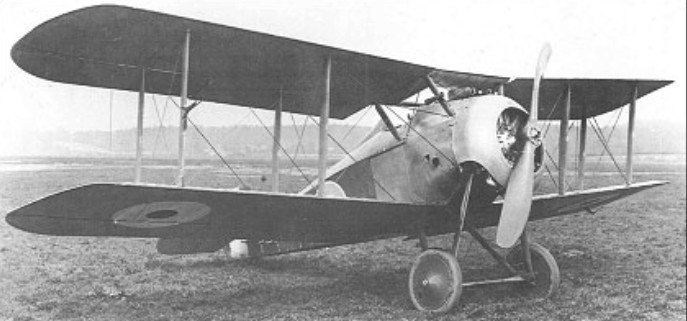
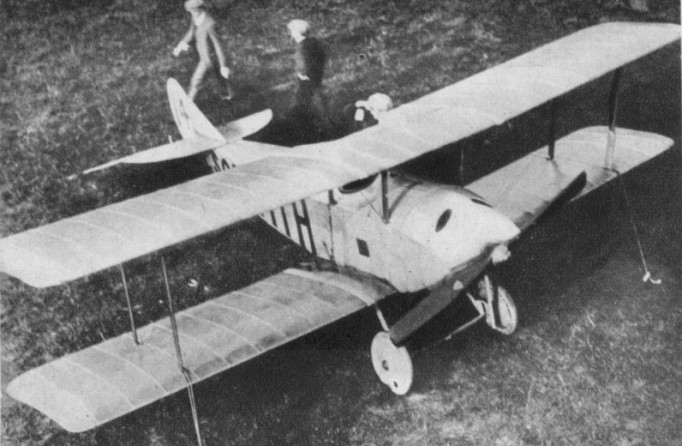
The original Sopwith Triplane, serial N500, was designed as a private venture by Herbert Smith. It had been evolved as a faster-climbing derivative of the Pup, with even better manoeuvrability and improved vision for the pilot. Wing span remained the same as for the Pup, but each wing was of much narrower chord and had an aileron fitted.

Sopwith Triplane Article

The prototype made its first flight on 28 May 1916 with test pilot Harry Hawker at the controls, and so delighted was he with the Triplane’s handling that he looped the aircraft three times within three minutes of taking off.

Flying the Sopwith Triplane – Frank Tallman

Both the Royal Flying Corps and the Royal Naval Air Service ordered the type but policy changes led to the Triplane only being used by the Royal Naval Air Service fighter squadrons on the Western Front. The Triplane single-seat fighter was nicknamed ‘Tripe’ or ‘Tripehound’.

The exact number of Triplanes that became operational with the RNAS is not clear. What is known is that the first prototype was followed by three more fitted with Clerget and Hispano-Suiza engines of 112kW and 149kW. A further 148 aircraft were built, of which five were presented to France, another three were loaned and probably returned, and one went to Russia.

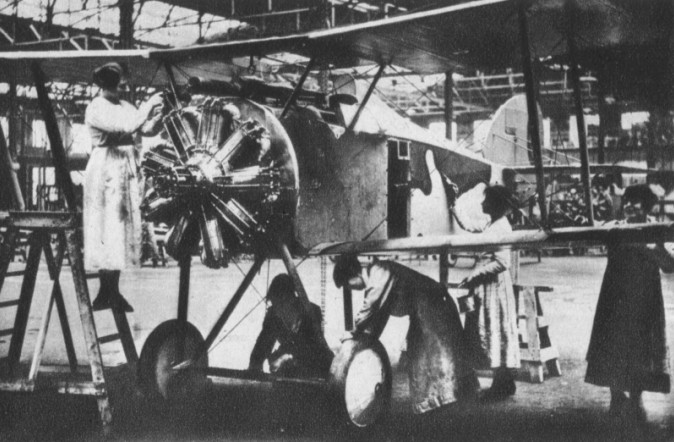
Some production was by Oakley and Co at Ilford.

Initial production Triplanes, with 82kW Clerget rotary engines, had been ordered for the RFC. In the event they were delivered to the RNAS, as were later examples with 97kW Clerget engines fitted and the tailplane span reduced from 10 ft to 8 ft. The last was delivered on 19 October 1917.
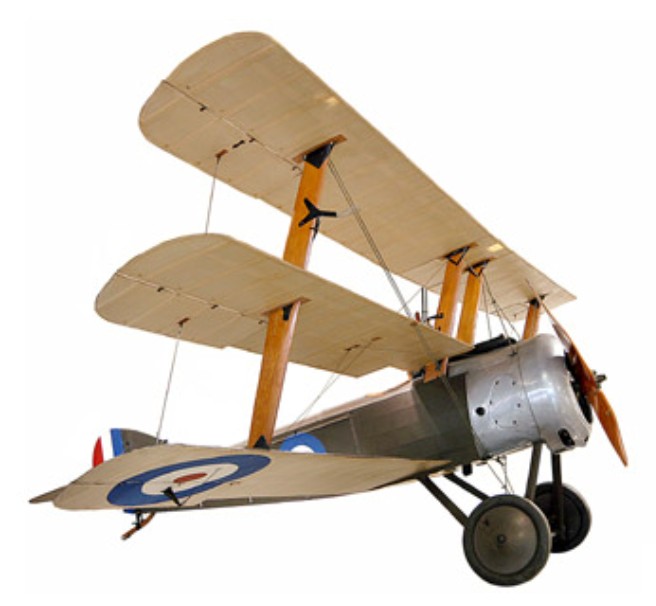
The top exponent of the Triplane was Raymond Collishaw, who commanded ‘B’ Flight of No 10 (Naval) Squadron from April 1917 – a unit which received some of the first Triplanes. Known as the ‘Black Flight’ because of the colour of its Triplanes and the names given to individual aircraft (Black Maria, Black Sheep, etc), it was composed exclusively of Canadian pilots, who accounted for 87 kills between May and July. Collishaw managed to average more than one kill every two days throughout June. He ended the war as the highest-scoring RNAS pilot, with 60 victories.

It made such a profound impression on the Germans that a specific request was made to their aircraft manufacturers to design and produce triplane fighters. Only the Fokker Dr1 was built in quantity. The triplane concept had a brief life and in less than two years it had been eclipsed by the new and more powerful biplane fighters on both sides.

Although not so famous as its Fokker counterpart, the Sopwith Triplane achieved impressive success in its brief career, entering service early in 1917 until the autumn of that year, when it was superseded by the Camel. Approximately 150 Sopwith Triplanes were built. No other machine could match its rate of climb, and no other fighter could regularly operate at 6100 m (20,000 ft), a height at which the Triplane frequently patrolled.
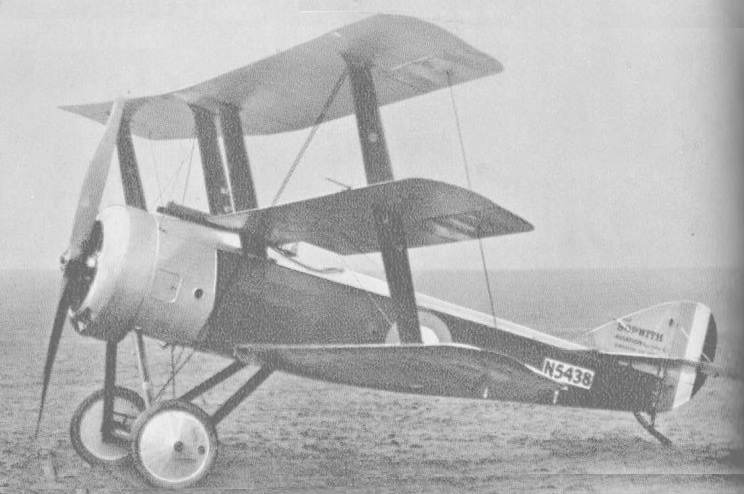
Flt. Sub-Lt. Ray Collishaw along shot down 16 German aircraft in 27 days of fighting. His ‘Black Flight’ of No 10 Sqn accounted for 87 enemy aircraft in three months.

A Mr M.Alliot of Godalming, UK, was building an external replica of a Triplane, 80% complete in 1974. It was to be powered by a Lycoming O-290-3 and serialed N5487. It was offered for sale in April 1975 and almost certainly bought by Phillip Mann and taken to Booker for competition.

John S. Penny of Sheffield, UK, was building and external replica in conjunction with Northern Aeroplane Workshops (who were building their own replica). Built to Sopwith plans, it was underway by June 1974, registered with the PFA as 21-10035.
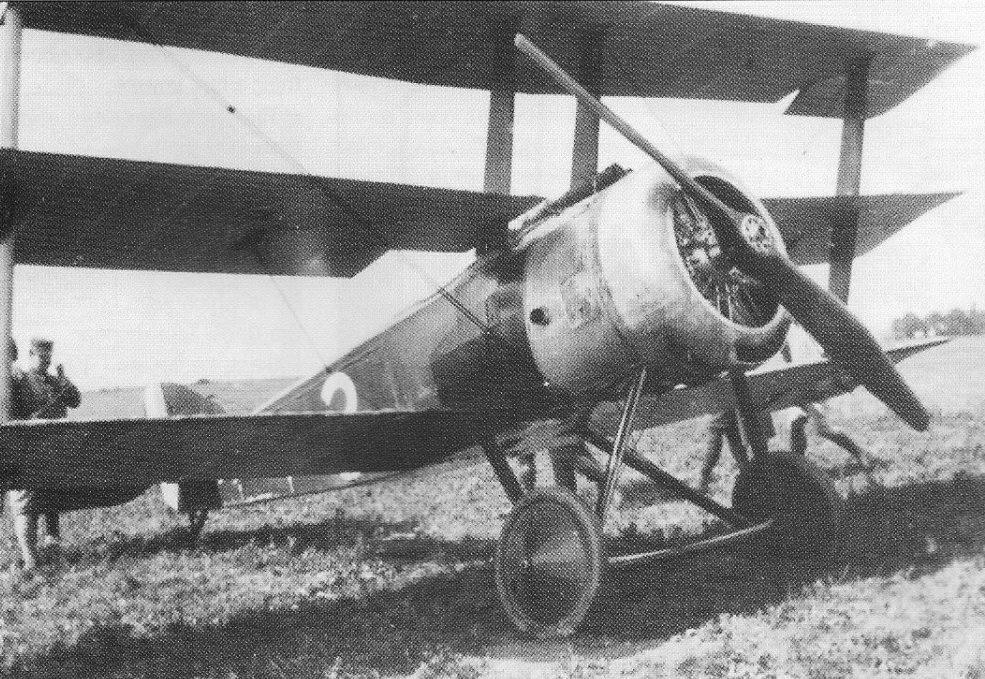
Gallery

Replicas:
Willie Sopwith Triplane
St Croix Sopwith Triplane
Northern Aeroplane Workshops Sopwith Triplane

Engine: 1 x Clerget 9 Z, 130 hp / 96kW
Length: 18 ft 10 in. (5.72 m.)
Wing span: 26 ft 6 in (8.07 m)
Height: 3.1 m / 10 ft 2 in
Wing area: 24.6 sq.m / 264.79 sq ft
Weight empty: 1,100 lb (500 kg)
Max take-off weight: 699 kg / 1541 lb
Fuel capacity: 20 Imp Gal.
Max speed: 117 mph (190 kph)
Ceiling: 20,500 ft (6,250m) fully loaded
Endurance: 2.75 hours
Range w/max.fuel: 450 km / 280 miles
Seats: 1
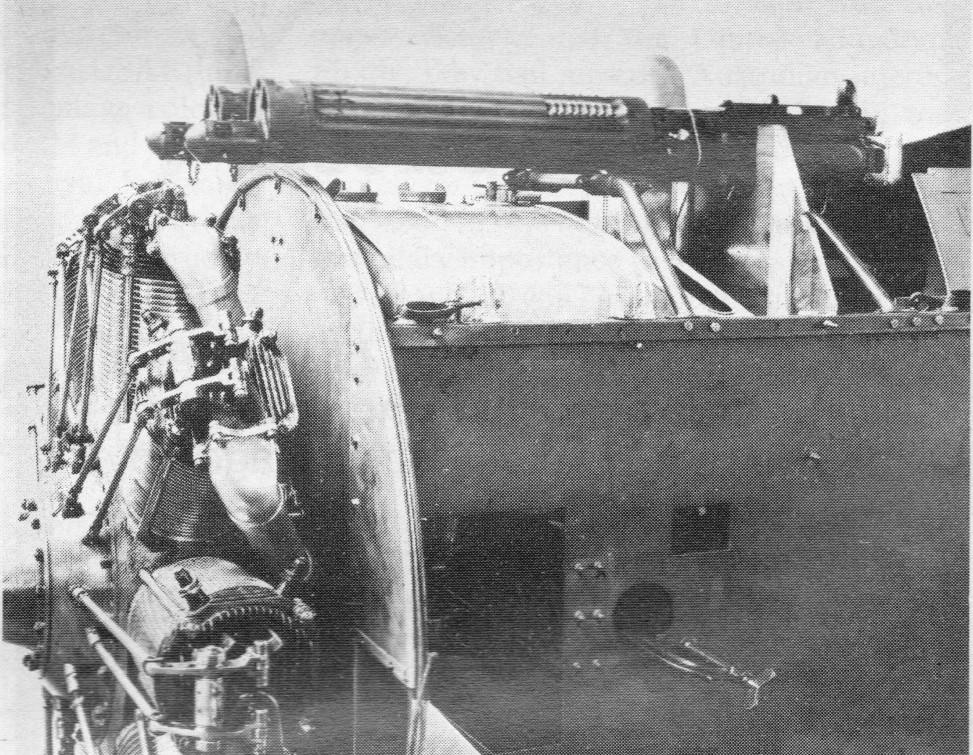
Armament: One 7,7mm Vickers machine gun, firing forward

Engine: Clerget 9B, 130 hp
Wingspan: 26 ft 6 in
Length: 18 ft 10 in
AUW: 1540 lb
Max speed: 117 mph

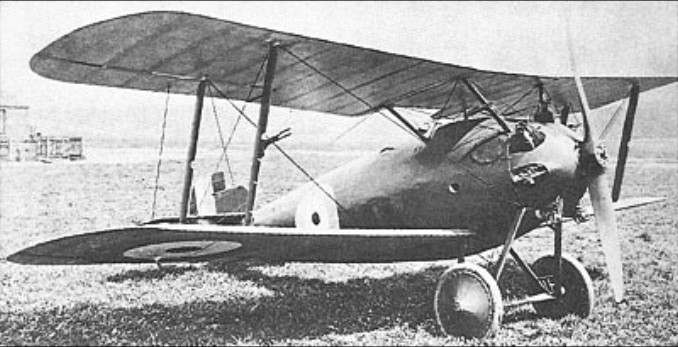
Sopwith Triplane

Sopwith Snail

In October 1917, the A.B.C. Wasp seven-cylinder radial air-cooled engine was considered to offer much promise, and on the 31st of that month Sopwith was invited by the Air Board to tender designs for a single-seat fighter utilising that power plant. Four prototypes were ordered, these being of conventional construction, and, on 23 November, the company was asked to build two additional prototypes with plywood monocoque fuselages. In view of its intended function adoption of the name Snail for the new single-seater was bizarre, this being approved on 16 February 1918.

Powered by a 170hp Wasp I, the first prototype Snail was completed in April 1918, this having negative wing stagger and fabric skinning for its circular-section fuselage. Intended armament comprised two synchronised 7.7mm machine guns, a third weapon of similar calibre being mounted above the wing centre section, to starboard of the cut-out. The remaining three prototypes of conventional construction were not completed, the next Snail to fly being the first of the two with plywood monocoque fuselages and positive wing stagger. On 9 May, the monocoque Snail was sent to Martlesham Heath for official trials, the reports being less than complimentary about its manoeuvrability and low-speed control. When, in October 1918, it was decided to abandon the Wasp engine, further work on the Snail was terminated, the second monocoque prototype being discontinued before completion.

Max take-off weight: 871 kg / 1920 lb
Empty weight: 630 kg / 1389 lb
Wingspan: 7.72 m / 25 ft 4 in
Length: 5.79 m / 19 ft 0 in
Height: 2.39 m / 8 ft 10 in
Wing area: 21.24 sq.m / 228.63 sq ft
Max. speed: 185 km/h / 115 mph

Sopwith Snail

Sopwith T.F.2 Salamander

A requirement for an armoured single-seat ground attack fighter was issued to the Sopwith company in January 1918, a standard F.1 Camel being rapidly fitted with armour protection in which armour plate formed the cockpit walls, and triple-gun armament.
Flying as the T.F.1 in the following month (T.F. indicating Trench Fighter), the T.F.1 was a stop-gap type that could be made available rapidly by modifying existing aircraft, but the requirement had specified the use of a 230hp Bentley B.R.2 nine-cylinder rotary engine and Sopwith discarded the T.F.1 in favour of a modified Snipe design as the T.F.2 Salamander. Despite many similarities to the Snipe, the Salamander differed extensively and there was little or no interchangeability between the two aircraft. The forward portion of the fuselage was a simple armoured box, the bottom being 11mm plate, the sides 6mm plate, the front – the engine backplate – 8mm plate and the rear 10-mm plate with a second 6mm plate separated by 9.50cm. Armament comprised two synchronised 7.7mm guns with provision for four 11kg bombs.

The first of three prototypes was flown on 27 April 1918, and the Salamander was ordered in large numbers (contracts were placed with the parent company, Air Navigation Co, Glendower Aircraft, National Aircraft, Palladium Autocars and Wolseley Motors), 37 being on RAF charge by 31 October. When hostilities ceased, production of the Salamander continued with a view to its use by the postwar RAF, and by mid 1919, when manufacture eventually terminated, Sopwith had delivered 334 and other contractors had contributed a further 85. However, no squadron was ever equipped with this type which was abandoned in favour of the Snipe.

Gallery

Max take-off weight: 1139 kg / 2511 lb
Empty weight: 836 kg / 1843 lb
Wingspan: 9.52 m / 31 ft 3 in
Length: 5.94 m / 20 ft 6 in
Height: 2.84 m / 9 ft 4 in
Wing area: 25.27 sq.m / 272.00 sq ft
Max. speed: 201 km/h / 125 mph

Sopwith Baby

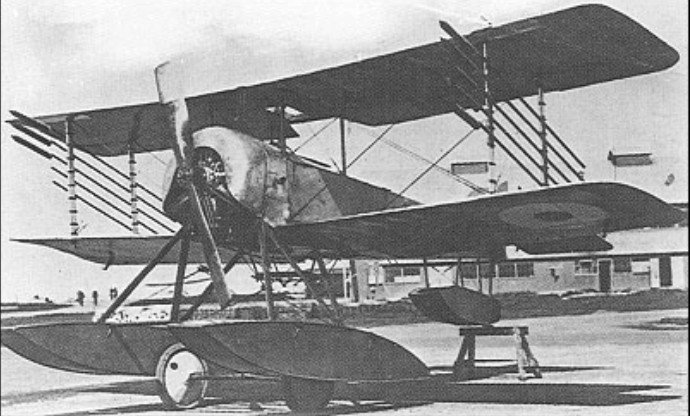
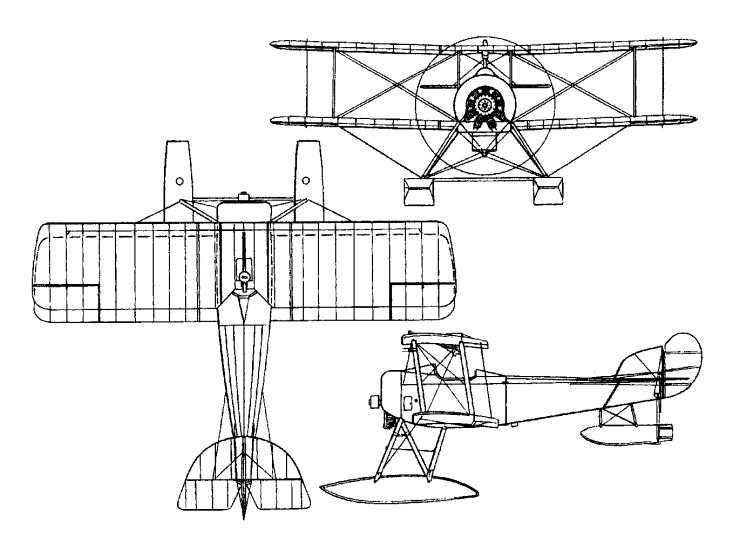
Derived from the Schneider single-seat fighter seaplane, the Baby first appeared in September 1915, and differed from its predecessor primarily in having a 110hp Clerget nine-cylinder rotary in place of the 80 hp Monosoupape Gnome, this being accommodated by a horseshoe-shaped open-fronted cowling.

As on late production Schneiders, ailerons replaced wing warping for lateral control, and armament usually consisted of a single 7.7mm machine gun synchronised to fire through the propeller, although a few Babies retained the arrangement of the Schneider with the gun attached to the centre section and firing upward to clear the propeller.

Several Babies were fitted with two 7.7mm guns side by side over the wing; one batch of Blackburn-built Babies was fitted with Ranken explosive darts as anti-airship weapons, and at least one was fitted with Le Prieur rockets, 10 of these devices being attached to the interplane bracing struts. Two 29.5kg bombs could also be carried.

1916 Sopwith built Baby N2078

The Baby was widely used by the RNAS to provide fighter aircraft for use with patrol.ships, as escorts for two-seaters and for operation from early aircraft carriers.

A total of 286 Babies was built of which 195 were produced by Blackburn at Leeds – and sometimes known as Blackburn Babies – 105 of the latter being fitted with the 130hp Clerget engine, and, of these, 40 were fitted (initially) to carry the Ranken dart and no gun armament. A more extensive modification of the Sopwith float fighter was the Fairey Hamble Baby.

Replica ultralight:
Circa Reproductions Sopwith Tabloid / Baby

Engine: Clerget, 130 hp
Wingspan: 6.90 m / 23 ft 8 in
Length: 7.01 m / 23 ft 0 in
Height: 3.05 m / 10 ft 0 in
Wing area: 22.30 sq.m / 240.03 sq ft
Max take-off weight: 778 kg / 1715 lb
Empty weight: 556 kg / 1226 lb
Max. speed: 161 km/h / 100 mph

Sopwith Baby

Sopwith Schneider

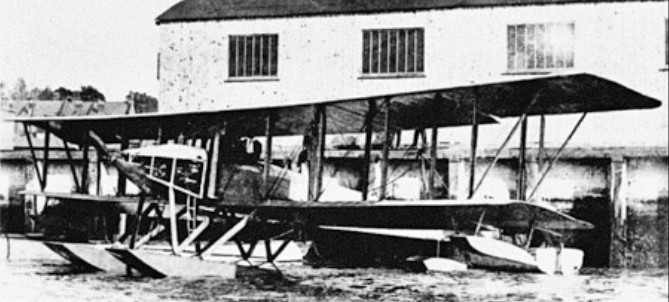
Derived from the Tabloid float seaplane which won the Schneider Trophy contest in April 1914, the Schneider, the single-seat twin-float seaplane ordered into production in November 1914 for the RNAS resembled closely the aircraft that had gained the Trophy at Monaco. Retaining the same 100hp Gnome Monosoupape nine-cylinder rotary – the upper half of which was enclosed by a ‘bull-nose” cowling – and wing-warping lateral control, the Schneider had a larger fin and rudder, reinforced float bracing and an aperture in the centre section for an upward-angled 7.7mm machine gun.

The RNAS ordered 136 Schneider floatplanes for reconnaissance and light bombing duties, the aircraft entering service in 1915.

Used for patrol duties against enemy airships from seaplane stations around the British coast, the Schneiders were provided with incendiary ammunition and operated against Zeppelins from early 1915. Schneiders were also carried aboard light cruisers of the North Sea Patrol for anti-Zeppelin operations, and served at the Dardanelles, in the Aegean and in the Eastern Mediterranean. Two Schneiders operated from the carrier Ark Royal in April 1915 at Mudros, and the type was still serving in the Aegean as late as November 1916, one shooting down an enemy aircraft which had attacked the airship shed at Mudros on the 21st of that month.

A total of 136 Schneiders is believed to have been built, progressive development resulting in the Baby.

Max take-off weight: 694 kg / 1530 lb
Wingspan: 7.82 m / 26 ft 8 in
Length: 6.90 m / 23 ft 8 in
Height: 2.97 m / 10 ft 9 in
Wing area: 22.30 sq.m / 240.03 sq ft
Max. speed: 143 km/h / 89 mph

Sopwith Special / Type C

Type C

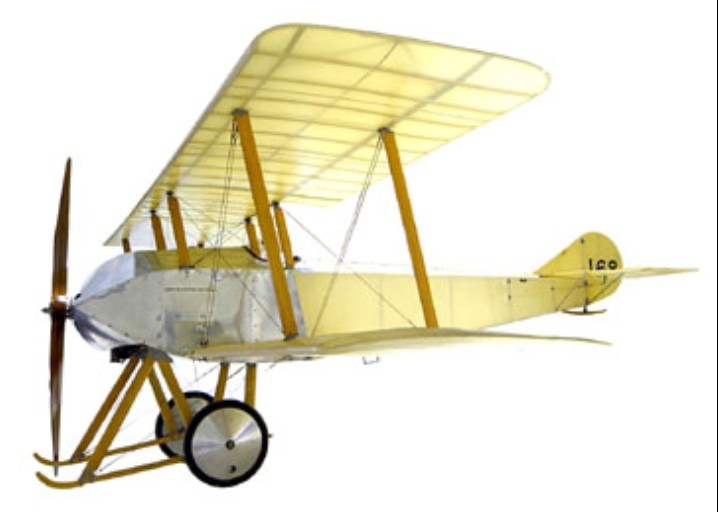
The Sopwith Type C and the Sopwith Special were actually two virtually identical designs built to two different contracts – the Type Cs were ordered in July 1914, whilst the ‘Special Tractor Biplane Seaplane’ was ordered first in February 1914. Despite appearing after the Special, the Three Type Cs were allocated the RNAS serials 157 to 159 and the Special received the serial number 170. The photo above shows the Sopwith Special number 170.

The Special and Type Cs were the first purpose built British aeroplanes capable of carrying a torpedo, unfortunately they were not capable of lifting said torpedo into the air! The design was generally considered a failure because of this rather embarrassing character trait. In 1914 commander of the Calshot naval air station Cmdr Arthur Longmore of the Royal Naval Air Service and other RNAS pilots carried out torpedo carrying practice with 14-inch weapons in what Longmore described as the Sopwith Canton-Unné seaplane in August 1914 during experiments at Calshot. Its name was derived from its powerplant.

Engine: 1 x 205hp Canton-Unne (Salmson) 14-cylinder water-cooled radial engine
Max take-off weight: 1963 kg / 4328 lb
Wingspan: 20.12 m / 66 ft 0 in
Length: 10.97 m / 36 ft 0 in
Wing area: 72.93 sq.m / 785.01 sq ft
Crew: 2

Sopwith Tabloid / SS

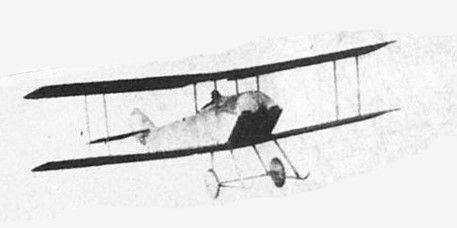
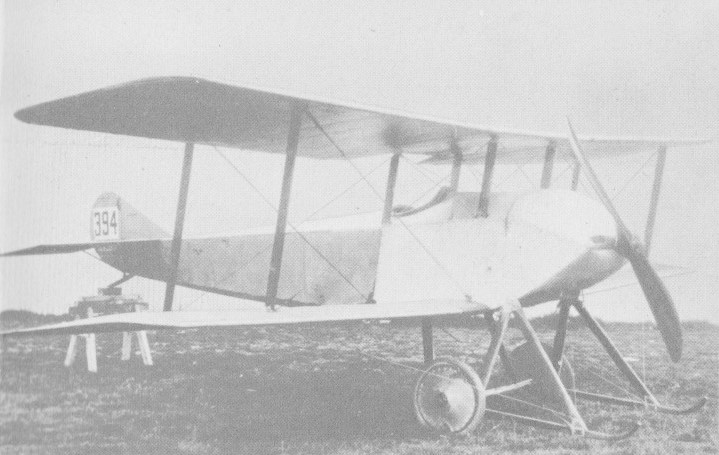
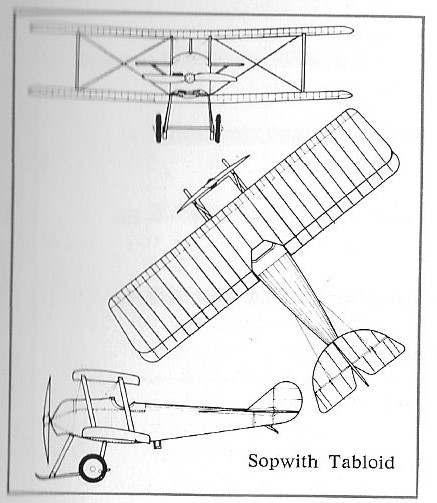
The Sopwith Aviation Company Tabloid was originally designed as sports aircraft and was first flown by Harry Hawker on 27 November 1913. It was a two-seater single-bay biplane with a side-by-side seating configuration. It was powered by a Gnôme rotary and had warping wings for lateral control.

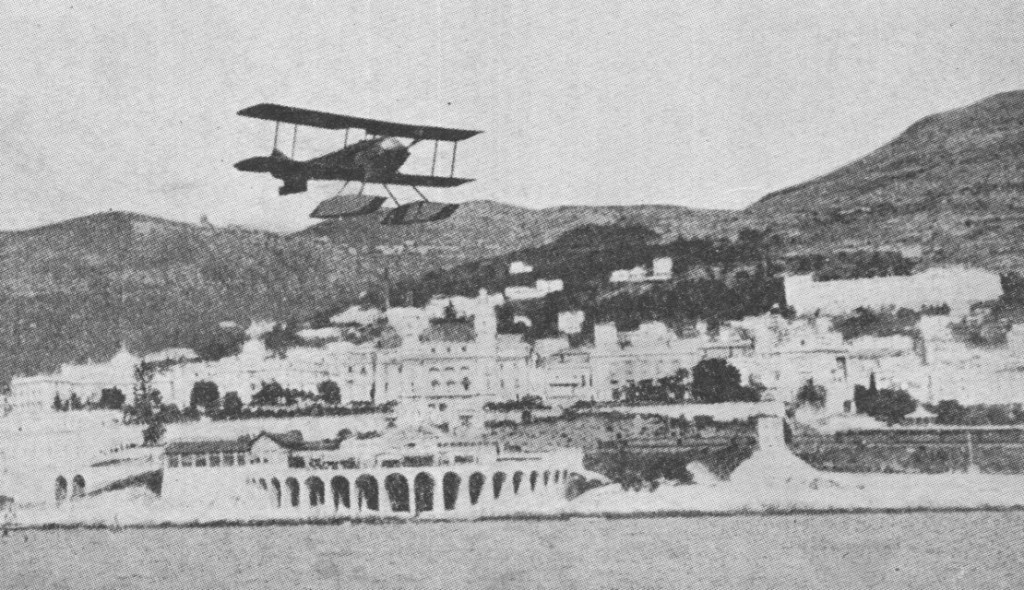
A single-seat Tabloid was quickly mounted on floats and entered in the 1914 Schneider Trophy in Monaco – which it handily won giving Britain her first victory in the annual contest piloted by Howard Pixton, at the same time setting a world seaplane speed record at 92 mph. It’s turn of speed so demoralised the other dozen or so entries from 6 countries that only one other even bothered to take off. The performance was so convincing that the British military ordered many of these aircraft, which was developed into the Sopwith Schneider. It therefore became the first single-seat scout anywhere to go into production for military use.

Howard Pixton at Monaco averaging 86.78 mph

Sopwith Tabloid Article

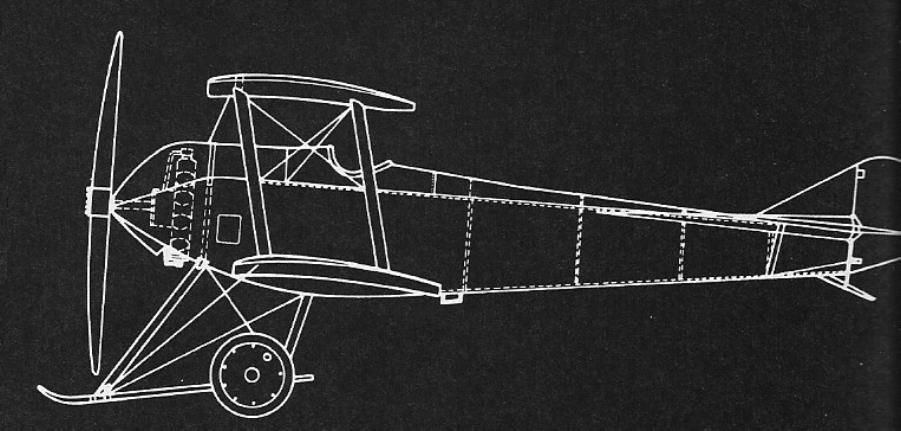
A single-bay biplane, the two-spar wooden wings and wooden fuselage are fabric covered. Wing warping rather than ailerons was used, and conventional tail surfaces were fitted. Two skids were normally fitted forward of the wheels.

Some aircraft were fitted experimentally with a Lewis machine gun above the wing centre section or on the side of the fuselage, with steel plates on the airscrew blades to deflect bullets. A few 20 lb bombs could be carried.

The Tabloid was ordered by both the Royal Flying Corps and Royal Naval Air Service; the latter using it for some of the earliest strategic bombing attacks against Germany. Thirty-six Tabloid were delivered for the RNAS and RFC between October 1914 and June 1915. When the 1914 18 War started, Tabloids went to Belgium with a squadron of the RNAS.

The Royal Naval Air Service used their Tabloids in early bombing attacks against the airship sheds at Cologne and Dusseldorf in an attempt to deny the Germans the use of operating bases close to the North Sea. The first raid took place on 22 September 1914 and although not a success was the first ever air raid on Germany. The second raid was much more successful. In one raid F1t. Lt. R.L.G.Marix destroyed an airship shed at Dusseldorf with his 20 lb bombs, complete with the secret Zeppelin Z.1X inside.

Royal Flying Corps Tabloids were used for scouting duties and were involved in some of the earliest experiments in arming aircraft. From February 1915 a number of Tabloids were fitted with Lewis machine-guns. Although it was one of the first aircraft to have a machine gun fitted to fire through the propeller arc it was only after the Tabloid had been withdrawn from operational service in the spring of 1915 that a successful interrupter gear was developed.

Replica ultralight:
Circa Reproductions Sopwith Tabloid / Baby

Gallery

Engine: Gnome Monosoupape, 80 hp / 75kW
Span: 25 ft. 6 in / 7.76 m
Length: 20 ft. 4 in / 6.1 m
Height: 8 ft. 5 in / 2.56 m
Wing chord: 5 ft. 11 in
Wing area: 241.3 sq. ft / 22.3 sq.m
Weight empty: 730 lb
Loaded weight: 1120 lb
ROC: 1200 fpm
Endurance: 2.5 hr
Max speed: 80 kt / 92 mph / 148km/h
Landing speed: 32 kt / 59 km/h
Seats: 2

Engine: Gnome, 100 hp
Wingspan: 25 ft 6 in / 7.77 m
Length: 20 ft 4 in / 6.20 m
Height: 8 ft 5 in / 2.57 m
Weight: 1120 lb / 508 kg
Max speed: 92 mph / 148 kph
Ceiling: 15,000 ft / 4572 m
Endurance: 3.30 hrs
Armament: 1 x mg
Crew: 1

Sopwith Gun Bus

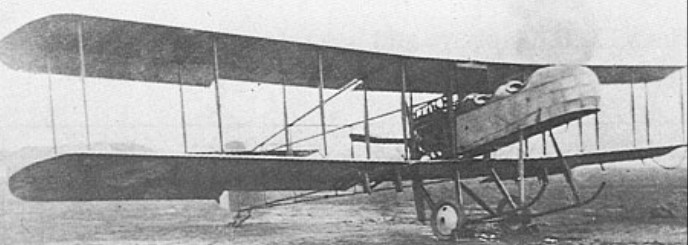
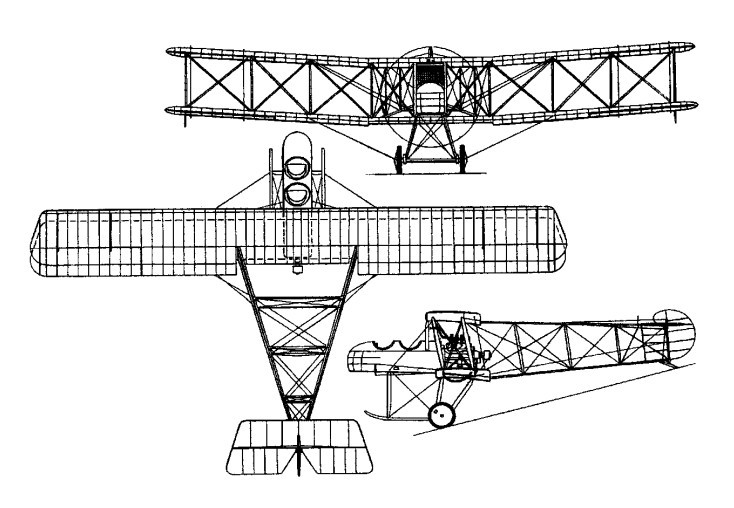
The Gun Bus was essentially a landplane derivative of the S.P.Gn (Sopwith Pusher, gun. The Gun Bus, intended for the fighting role, carried a 7.7mm machine gun on a flexible mount in the forward cockpit and was powered by a 100hp Gnome Monosoupape rotary engine. A more powerful version, with a 150hp Sunbeam eight-cylinder water-cooled engine, was developed specifically for the RNAS, this having a redesigned nacelle and a revised undercarriage. Six of the Sunbeam-powered Gun Buses were built for the RNAS by Sopwith, a further 30 being ordered for the service from Robey & Company, these last being intended for bombing (and possibly anti-submarine) duties as distinct from fighting. The pilot was moved forward to the front cockpit, a bombing panel being let into the floor and four bomb carriers being fitted beneath the lower wing.

Wingspan: 15.24 m /50 ft 0 in
Length: 9.90 m / 33 ft 6 in
Height: 3.45 m / 11 ft 4 in
Wing area: 44.03 sq.m / 473.93 sq ft
Max. speed: 129 km/h / 80 mph

Sopwith Gun Bus

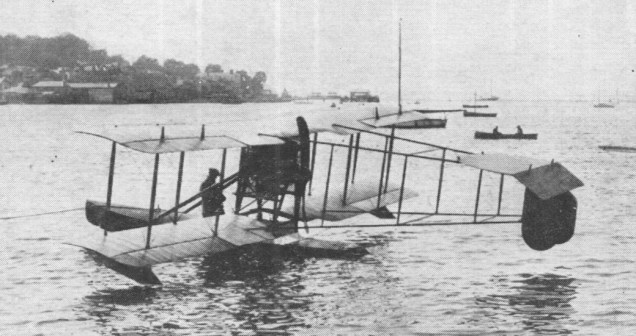
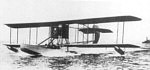
Sopwith Bat Boat

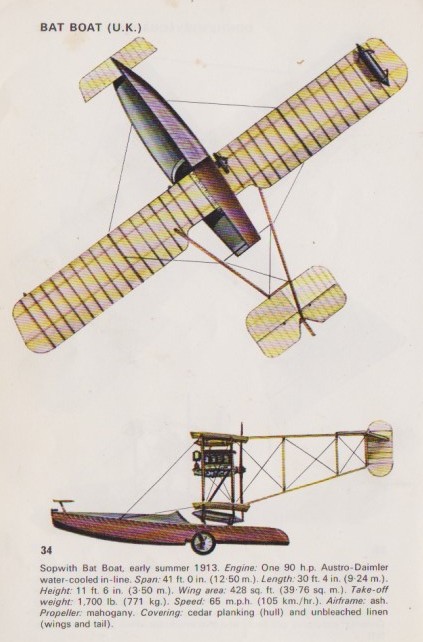
The first amphibian built in Europe circa 1913. A reconnaissance flying boat.

One Bat Boat and two Three-seaters were bought by Winston Churchill for the Naval Wing of the RFC.

Bat Boats Type 1
1913 Sopwith Bat Boats Type 1 amphibian version

1913 Bat Boats Type 1 BB1
Span: 41′
Length: 30’4″
Weight: 1540 lb allup
Speed: 60-65 mph

Bat Boat Type 1 BB2 and BB3 amphibian
Span: 41′
Length: 32′
dihedral 3 deg

Sopwith Bat Boat II
Engine: Salmson, 197 hp
Length: 35.302 ft / 10.76 m
Height: 11.909 ft / 3.63 m
Wingspan: 54.987 ft / 16.76 m
Wing area: 599.985 sqft / 55.74 sq.m
Max take off weight: 3184.0 lb / 1444.0 kg
Weight empty: 2302.0 lb / 1044.0 kg
Max. weight carried: 882.0 lbs / 400.0 kg
Max. speed: 61 kts / 113 km/h
Wing loading: 5.33 lbs/sq.ft / 26.00 kg/sq.m
Crew: 2