Sopwith Snark

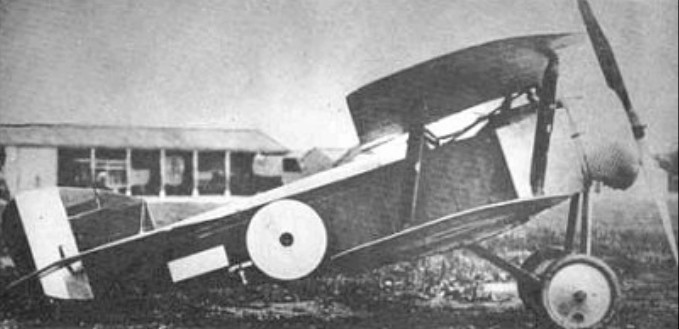
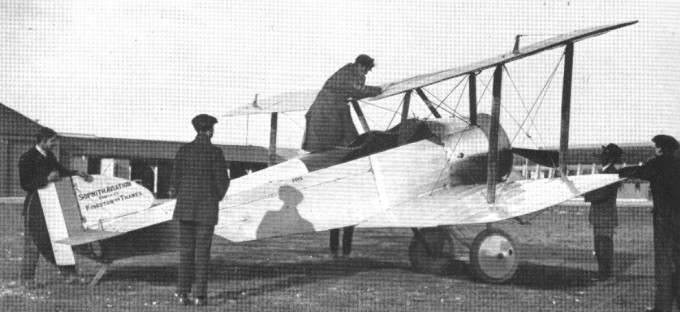
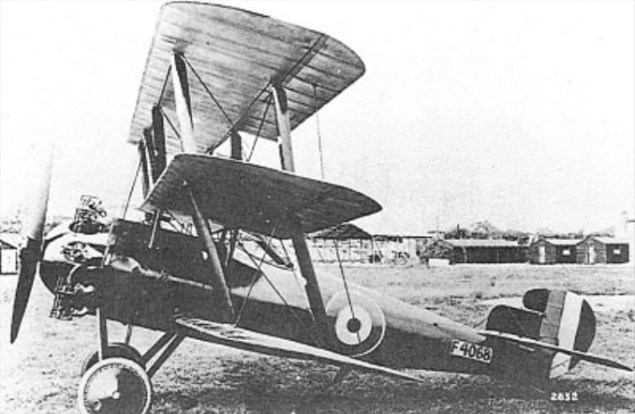
On 14 May 1918, Sopwith was awarded a contract for three prototypes of a new single-seat fighting triplane, conforming to the RAF Type I specification and named the Snark. Powered by a 320hp A.B.C. Dragonfly I nine cylinder radial and featuring a plywood monocoque fuselage, the Snark was an equi-span staggered triplane and its designed armament was two synchronised 7.7mm guns on the fuselage and four weapons of similar calibre mounted two per side under the bottom wing. The first Snark was passed for flight test in September 1918, but unavailability of a Dragonfly engine and the decision to make various minor modifications delayed manufacturer’s trials until September of the following year, the aircraft arriving at Martlesham Heath for official trials on 12 November 1919. The second prototype reached Martlesham on 17 March 1920, and the third prototype, with a 360hp Dragonfly la engine, late in the year. Apart from engine problems, the Snark triplanes suffered fuselage deterioration and all three were written off in 1921.

Engine: 320hp A.B.C. Dragonfly I
Max take-off weight: 1036 kg / 2284 lb
Wingspan: 8.08 m / 27 ft 6 in
Length: 6.25 m / 21 ft 6 in
Height: 3.30 m / 11 ft 10 in
Wing area: 29.91 sq.m / 321.95 sq ft
Max. speed: 209 km/h / 130 mph
Sopwith Snapper

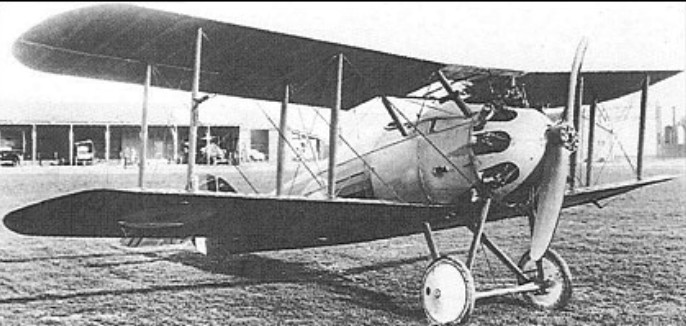
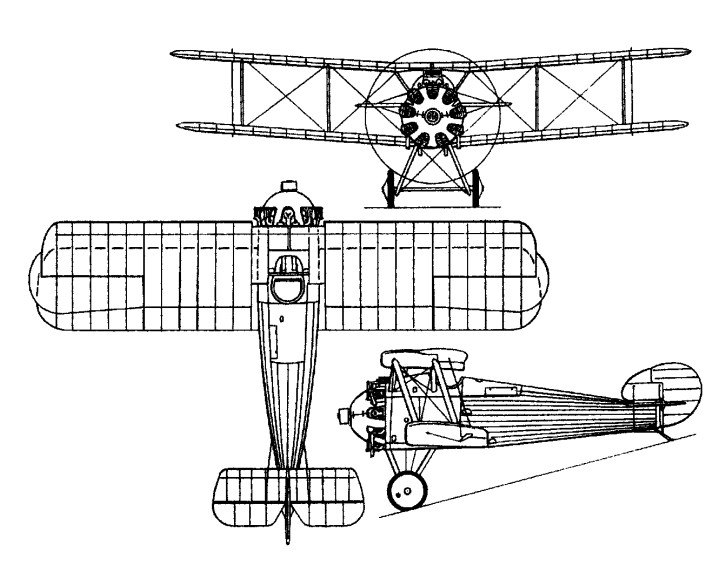
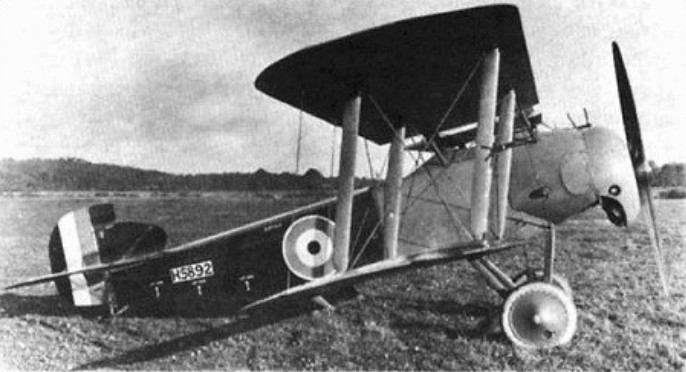
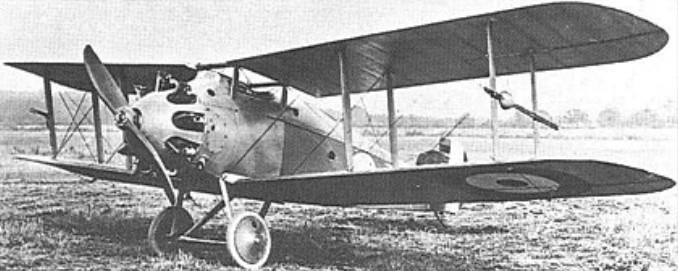
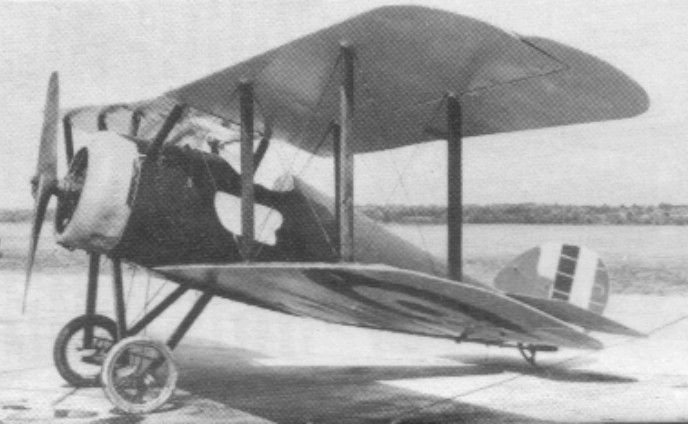
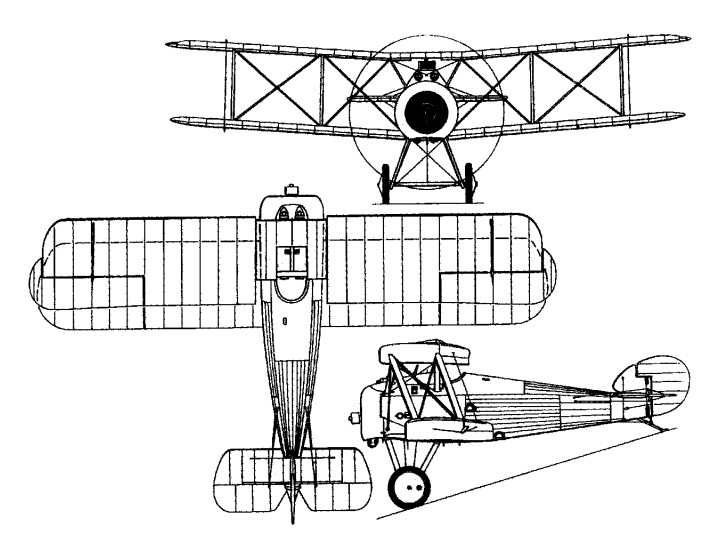
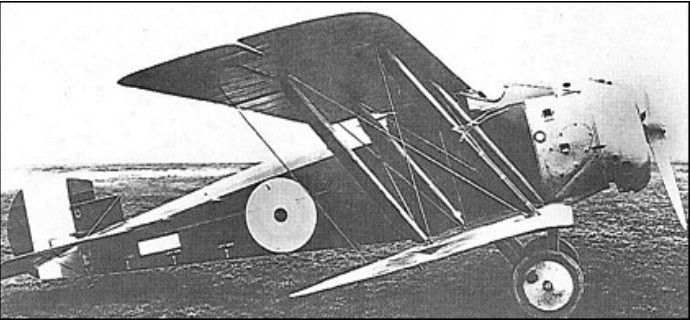
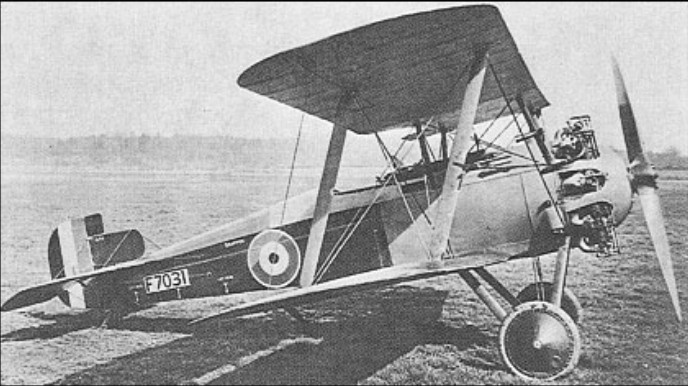
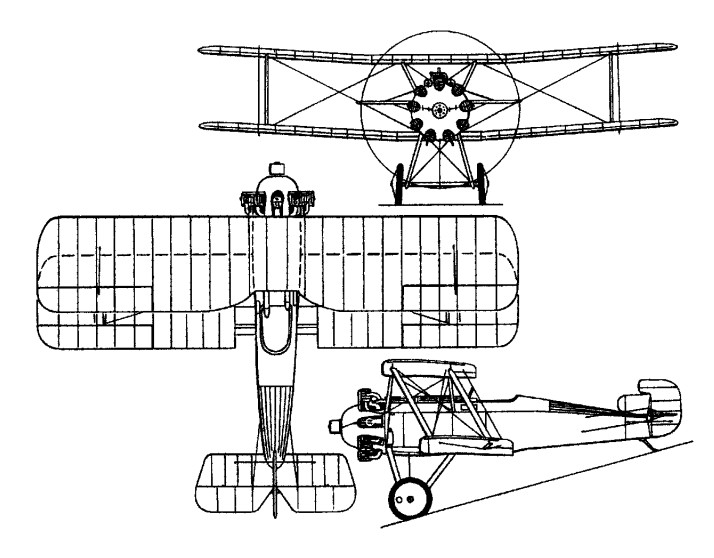
Designed in parallel with the Snark triplane and similarly intended to meet the requirements of the RAF’s Type I specification, the Snapper single-bay staggered equi-span biplane was destined to be the last fighter to bear the Sopwith name before the company went into liquidation in September 1920.

Three prototypes of the Snapper were ordered on 6 June 1918, and, although originally designed with a plywood monocoque fuselage, all three aircraft were completed with conventional fabric-covered fuselages. Powered by a 320hp A.B.C. Dragonfly I nine-cylinder radial engine and carrying the standard pair of synchronised 7.7mm machine guns, the first Snapper performed manufacturer’s trials in the second half of July 1919, being delivered to Martlesham Heath for official trials on 1 August. Flight test was somewhat spasmodic owing to recurring difficulties with the engine, but all three Snappers were at the RAE, Farnborough, in mid-1920. It is presumed that trials continued until the decision was taken to discontinue further attempts to rectify the engine’s problems.

Engine: 320hp A.B.C. Dragonfly I
Max take-off weight: 993 kg / 2189 lb
Empty weight: 663 kg / 1462 lb
Wingspan: 8.53 m / 28 ft 0 in
Length: 6.27 m / 21 ft 7 in
Height: 3.05 m / 10 ft 0 in
Wing area: 27.13 sq.m / 292.02 sq ft
Max. speed: 225 km/h / 140 mph

Sopwith Snapper

Sopwith Snipe II / Dragon

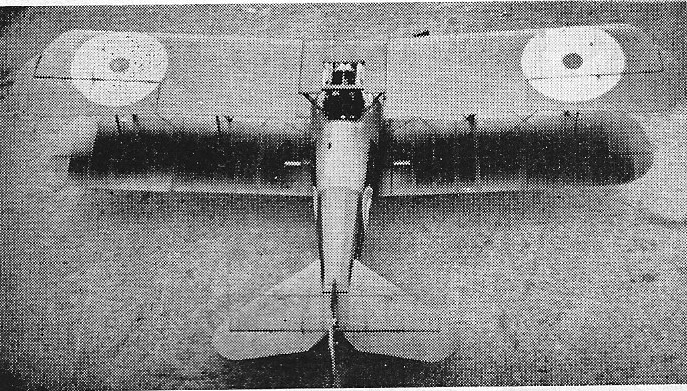
The sixth and last prototype of the Snipe was fitted with the 320hp A.B.C. Dragonfly nine-cylinder radial engine as the Snipe Mk II. Despite the shortcomings of this engine, it gave outstanding performance when it could be persuaded to function efficiently, and, with the Dragonfly’s faults still to be recognised as incurable, 300 Snipes were ordered with the A.B.C. engine on 3 May 1918 (initially from a Snipe produc-tion batch).

The first true Dragon was Snipe airframe E7990, fitted with the new engine in July 1918 and arrived for testing in February 1919. Assigned the name Dragon, these were delivered in June and July 1919. The Dragonfly-engined Snipes were produced in parallel with aircraft built from the ground up as Dragons, these having horn-balanced upper ailerons and the 360hp Dragonfly la engine, armament comprising the standard pair of synchronised 7.7mm guns.

About 200 of a 300-aircraft contract were completed and efforts to cure the engine’s troubles continued until the autumn of 1921, the Dragon, officially adopted at that time as a standard RAF single-seat fighter, never being issued to a squadron and being officially declared obsolete in April 1923.

Engine: 320hp A.B.C. Dragonfly
Span: 9.4 m (31 ft 1 in) upper; 9.1 m (30 ft) lower
Length: 6.6 m (21 ft 9 in)
Height: 2.9 m (9 ft 6 in)
Wing area: 25.18 sq.m / 271.04 sq ft
Max take-off weight: 967 kg / 2132 lb
Maximum speed: 241 km/h (150 mph)
Service ceiling: 7619 m (25000 ft)
Armament: 2 fixed 0.303 in (7.7 mm) Vickers mg

Sopwith Dragon

Sopwith 2FR.2 Bulldog

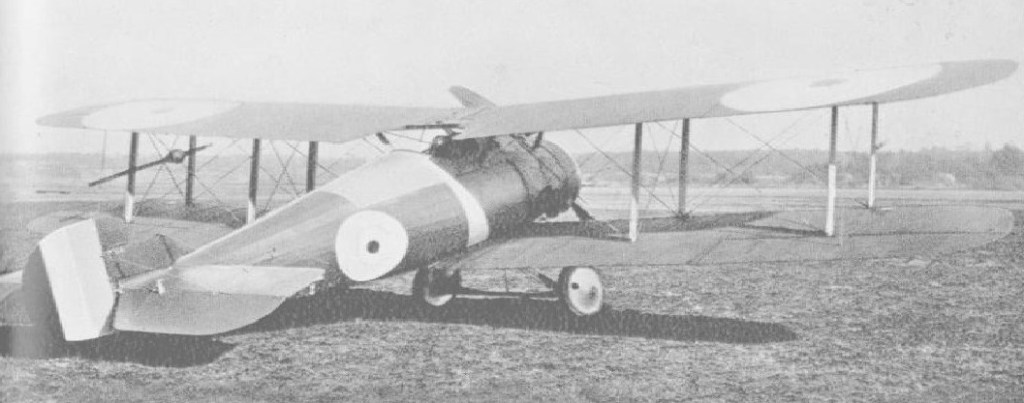
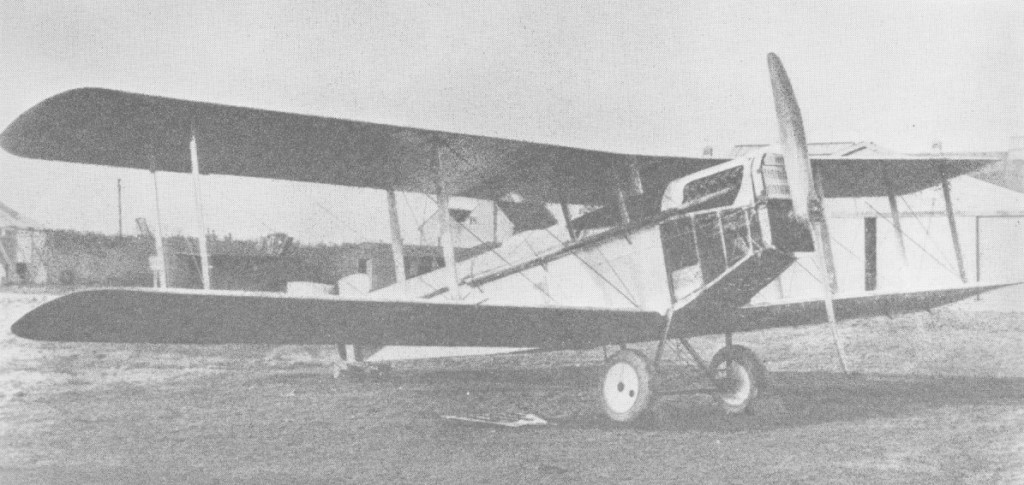
The Bulldog fighter-reconnaissance two-seater was a single-bay staggered biplane with a 200hp Clerget llEb 11-cylinder rotary engine and an armament of two synchronised and two pillar-mounted 7.7mm machine guns. In its initial form the Bulldog was first flown late 1917.

The Bulldog proved heavier than projected and difficult to control, and in an attempt to improve handling qualities it was fitted with two-bay wings with balanced ailerons, flight test being resumed in March 1918.

With the balanced ailerons replaced by plain surfaces, the Bulldog was submitted to Martlesham Heath for official trials on 22 April 1918. There it was found to handle well, but to possess disappointing performance. It was eventually to be re-engined with a Bentley B.R.2.

The second prototype was completed with an A.B.C. Dragonfly nine-cylinder radial of 320hp, being delivered to the RAE at Farnborough on 25 June 1918 as the Bulldog Mk II and serving as an engine test bed. Work began on a third prototype, but the Bulldog’s failure to win official approval led to discontinuation of the programme before this aircraft could be completed.

Max take-off weight: 1132 kg / 2496 lb
Empty weight: 654 kg / 1442 lb
Wingspan: 10.29 m / 34 ft 9 in
Length: 7.00 m / 23 ft 12 in
Height: 2.67 m / 9 ft 9 in
Wing area: 31.12 sq.m / 334.97 sq ft
Max. speed: 175 km/h / 109 mph

Sopwith 7F.1 Snipe

7F.1

Before the single-seat Sopwith 7 F 1 Snipe assumed its final production form the design underwent several major changes in wing and tail assembly configuration.

Fifth prototype with swept tailplane, extra hinges at front spar, and later adopted horn-balanced ailerons.

The Sopwith 7 F 1 Snipe first appeared in early 1918 and by the Armistice was in service with several squadrons. A squadron comprised the fighter element of the force which took over responsibility of policing in Iraq from October 1922.

Of the 264 Snipes built before the war ended, only 97 saw service on the Western Front. Some 497 were in use with the RAF until 1926 and gradually replaced by the Gloster Grebe and Armstrong Whitworth Siskin from 1923.

Gallery

Replicas:
Antique Aero Sopwith 7F.1 Snipe
Pfeifer Sopwith Snipe

Engine: 1 x Bentley B.R.2, 170kW / 231 hp
Wingspan: 30 ft 2 in / 9.17 m
Length: 19 ft 8 in / 6.02 m
Height: 2.9 m / 10 ft 6 in
Wing area: 25.2 sq.m / 271.25 sq ft
Max take-off weight: 917 kg / 2022 lb
Empty weight: 595 kg / 1312 lb
Max. speed: 105 kt / 194 km/h / 121 mph at 19,999 ft
Service ceiling: 20,000 ft / 3050 m
Time to 6500 ft: 5.2 min
Endurance: 3 hr
Range: 297 nm / 550 km
Crew: 1
Armament: 2 x 7.7 mm Vickers machine-guns
Bombload: 4 x 9kg

Sopwith Snipe

Sopwith 3F.2 Hippo

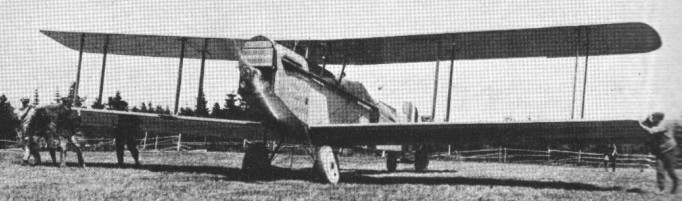
Built as a private venture, the Hippo two-seat fighter featured negative wing stagger, the gap between the wings being completely filled by the deep fuselage. A two-bay biplane powered by a 200hp Clerget llEb 11-cylinder rotary, the Hippo had an armament of two fixed synchronised 7.7mm and (initially) two free-mounted guns of similar calibre, or (later) one 7.7mm gun on a Scarff mount in the rear cockpit.

The first of two prototypes was flown on 13 September 1917 and official trials were performed at Martlesham Heath in January 1918, these having been delayed by engine problems. The performance of the Hippo was considered inferior to that of the Bristol F.2B and lateral control was criticised, and, on 2 February 1918, the aircraft was returned to Sopwith. Despite official rejection, the manufacturer fitted new wings, plain ailerons and an enlarged fin. Wing dihedral was increased and stagger was reduced, and with these modifications the Hippo re-emerged in April 1918, with a second prototype following in June. By that time, the F.2B was giving satisfaction in service and it became apparent to Sopwith that the Hippo was too late, further development being discontinued.

Max take-off weight: 1175 kg / 2590 lb
Empty weight: 672 kg / 1482 lb
Wingspan: 11.81 m / 39 ft 9 in
Length: 7.47 m / 25 ft 6 in
Height: 2.84 m / 9 ft 4 in
Wing area: 31.59 sq.m / 340.03 sq ft
Max. speed: 185 km/h / 115 mph