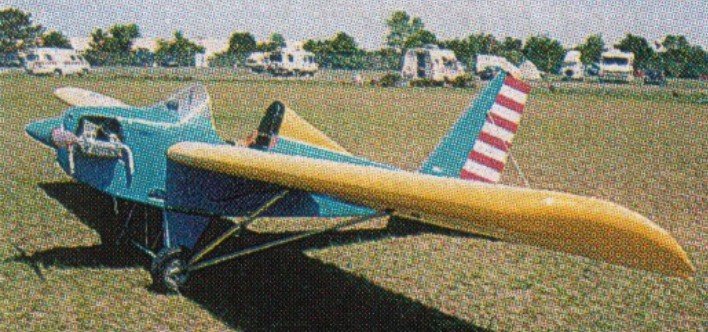
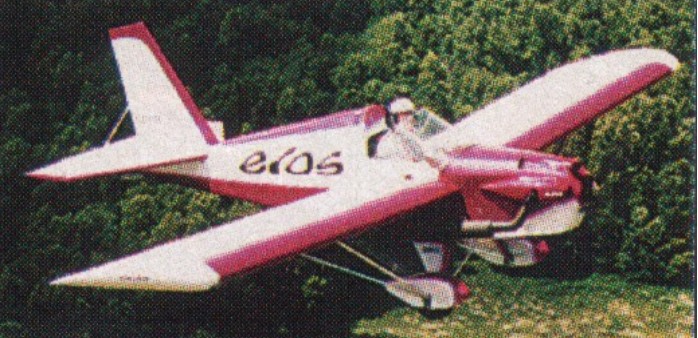
Built circa 1913 as a twin-prop “direct-lift canard”. According to an article, this did fly, and at 70mph with help from two rotorlike contraptions behind the propeller blades, the idea of which was supposed to eliminate the danger of side wind effects and to increase lift.
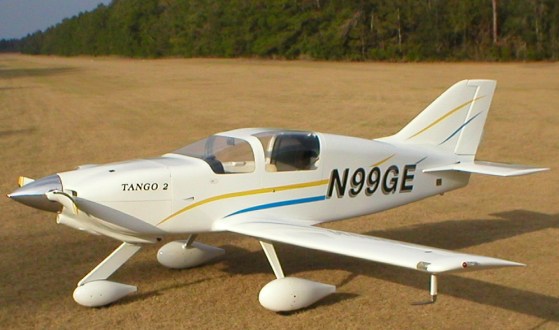
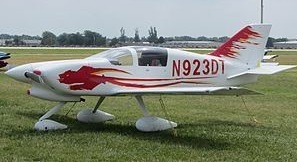
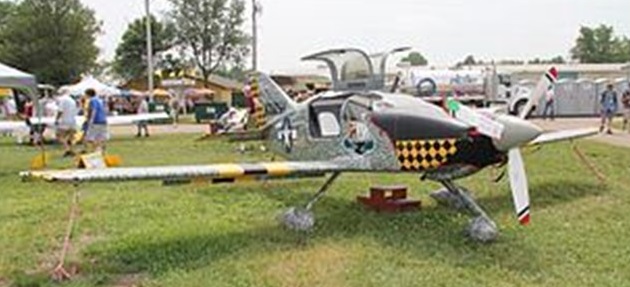
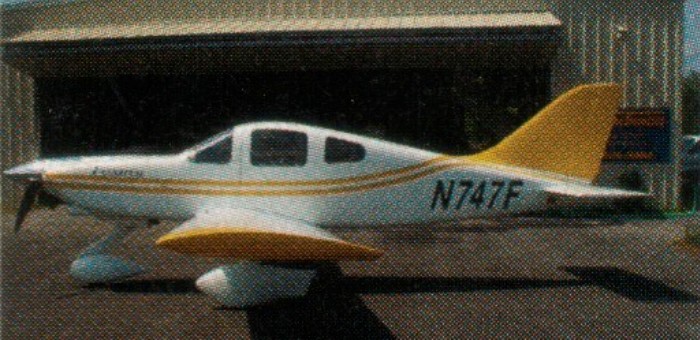
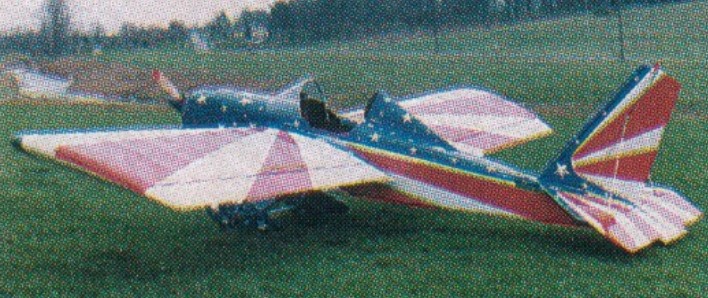
The Team Tango Tango 2 is an American low-wing composite homebuilt aircraft, marketed as a kit for amateur construction by Team Tango of Williston, Florida. The Tango 2 was developed from the 1983 Aero Mirage TC-2 design.
The Tango 2 and Foxtrot 4 wing uses a constant chord, constant thickness airfoil which gives it gentle, textbook stall characteristics. Wing root first, ailerons last, with no built in twist required. The stall itself is simple with distinctive aerodynamic warning and little to no tendency to drop off. Differential ailerons counteract adverse yaw.
The wing spars are factory assembled. They are a one piece composite I-beam structure that goes from wing tip to wing tip. Both airplanes were designed to 6/-4 G’s and have been successfully tested to 1.5 design limits. Each wing and horizontal stabilizer spar is tested to 6 G’s before it leaves the factory.
All of the fuel is carried in the wings. There is no fuel storage anywhere in the fuselage or engine compartment. Capacitance type fuel probes run the entire length of the wing. This allows accurate fuel quantity readings from full right down to zero, a rarity in many airplanes. Total unusable fuel is less than a pint. The fuel selector is in plain view on the forward console and is easily accessible for switching from left to right. The 57 usg capacity tanks provide a reserve even after a four or five hour flight.
Team Tango uses only FAA approved foam core in the structures. It is more expensive, but compared to other popular foam cores it is the only one that does not create cyanide gas when exposed to flame, is self extinguishing and fuel -proof. The Tango and Foxtrot both feature a dual gull wing canopy system which incorporates a reinforced roll bar. Both can cruise at 200+ mph, have a range over 1400 s.m., carry over 100 pounds of baggage, and operate off a grass strip.
The fuselage sits level in cruise flight which is three degrees lower than the ground attitude. The molded fiberglass seats put the pilot and passenger in a semi-reclining position leaning back approximately 30 degrees. The Tango and Foxtrot are 44 and 46 inches wide. Various antennas are installed into the fuselage during the lay-up process, when it is easy. The instrument panel is divided into three sections. This allows easier installation and access for maintenance and upgrades. The fuselages use quarter inch foam core that is reinforced at the horizontal stab attach points and up into the vertical stab.
A build center is available to build your airplane at the factory, guided and instructed by the staff, and that expertise is included in the price of your aircraft. The seat installation is adjustable for leg room and height as well as recline. The airframe can be customized. The wing can be longer to reduce wing loading, reduce stall speed, climb better at lower airspeeds and have greater high altitude performance. We use ½” foam core in and around the doors ensure stiffness so they won’t pull away from the fuse in flight and cause air leaks or allow rain to enter the cabin. A vinyl ester resin in the composite is a safer and less toxic alternative that won’t induce an allergic reaction and is pleasant to work with.
Tango 2 is a side by side two seat composite aircraft that can be flying in as little as 1000 hours of build time. Current aircraft have been built with engines ranging from the 150 HP O-320 Lycoming to the Geared Drives 205 hp EcoTech 2.2 liter supercharged Cobalt SS power package, with the most popular the 180 hp IO-360 Lycoming. Cruise speeds run from 170 knots with the 150 hp/fixed pitch combo to 195 knots on a 200 hp Lycoming equipped with a constant speed prop. Both the fuselage and the main wing and horizontal spars are molded as single pieces for exceptional strength and ease of building.
The Tango XR has increased structural strength and upgraded useful load. The Tango XR is a two place, 200+ MPH guaranteed, composite built aircraft, with a 90 US gallon tank.
Tango 2
First flown in 1996, eighteen Tango 2 had been built to December 2013, plus one Tango XR by December 201.
The design was further developed into a four-seat aircraft, the Team Tango Foxtrot.
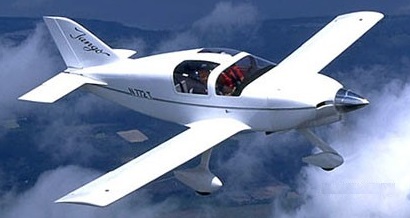
Tango 2 N772T
In 2000, the factory claim was that an airframe could be built by the “average” builder in 650-700 hours using Tango’s “EZ-Buildo System” at US$18,995.
The Tango 2 and Foxtrot 4 wing uses a constant chord, constant thickness airfoil which gives it gentle, textbook stall characteristics. Wing root first, ailerons last, with no built in twist required. The stall itself is simple with distinctive aerodynamic warning and little to no tendency to drop off. Differential ailerons counteract adverse yaw. The wing spars are factory assembled. They are a one piece composite I-beam structure that goes from wing tip to wing tip. Both airplanes were designed to 6/-4 G’s and have been successfully tested to 1.5 design limits. Each wing and horizontal stabilizer spar is tested to 6 G’s before it leaves the factory.
All of the fuel is carried in the wings. There is no fuel storage anywhere in the fuselage or engine compartment. Capacitance type fuel probes run the entire length of the wing. This allows accurate fuel quantity readings from full right down to zero, a rarity in many airplanes. Total unusable fuel is less than a pint. The fuel selector is in plain view on the forward console and is easily accessible for switching from left to right. The large capacity tanks provide a reserve even after a four or five hour flight.
Team Tango uses only FAA approved foam core in the structures. It is more expensive, but compared to other popular foam cores it is the only one that does not create cyanide gas when exposed to flame, is self extinguishing and fuel -proof. The Tango and Foxtrot both feature a dual gull wing canopy system which incorporates a reinforced roll bar. Both can cruise at 200+ mph, have a range over 1400 s.m., carry over 100 pounds of baggage, and operate off a grass strip.
The fuselage sits level in cruise flight which is three degrees lower than the ground attitude. The molded fiberglass seats put the pilot and passenger in a semi-reclining position leaning back approximately 30 degrees. The Tango and Foxtrot are 44 and 46 inches wide. Various antennas are installed into the fuselage during the lay-up process, when it is easy. The instrument panel is divided into three sections. This allows easier installation and access for maintenance and upgrades.
The fuselages use quarter inch foam core that is reinforced at the horizontal stab attach points and up into the vertical stab. A build center is available to build your airplane at the factory, guided and instructed by the staff, and that expertise is included in the price of your aircraft. The seat installation is adjustable for leg room and height as well as recline. The airframe can be customized. The wing can be longer to reduce wing loading, reduce stall speed, climb better at lower airspeeds and have greater high altitude performance. We use ½” foam core in and around the doors ensure stiffness so they won’t pull away from the fuse in flight and cause air leaks or allow rain to enter the cabin. A vinyl ester resin in the composite is a safer and less toxic alternative that won’t induce an allergic reaction and is pleasant to work with.
Foxtrot 4 Engine: Lycoming IO-540, 300 Engine option: Lycoming IO-360 Horsepower range: 200-300 Height: 7.25 ft Length: 24.8 ft Wingspan: 32 ft Wing area: 128 sq. ft Fuel capacity: 100 gal US Empty weight: 1,750 lb Gross weight: 3,000 lb Useful Load: 1,100 lb Payload, full fuel: 650 lb Baggage Capacity: 150 lb Stall (IAS): 62 mph Vne (IAS): 245 mph Range: 1,800 sm Rate of Climb: 1,600 ft/min Takeoff: 350 ft Landing: 800 ft Baggage Area: 14 cu. ft Cabin Width: 47 in Cabin Height: 43 in Wing Loading: 23.4 lbs./sq. ft Aspect Ratio: 8:1 G-load (design): +6 / -4 Seats: 4 Landing gear: Fixed Tri-gear Building materials: Composite Kit cost 2009: US $ 45,995
Offered as a Quick Build Kit, these airframes are built by HPA International, a manufacturing subdivision in the Czech Republic. Their group of highly skilled engineers and aircraft assembly specialists have assisted to completely engineer the F-1 QB, paying particular attention to craftsmanship and ease of assembly. Complying with the FAA 51% rule, the Quick Build Kit is offered as a complete airframe. The F-1 QB is powered by a fuel-injected Lycoming IO-540 engine, commonly used in Piper Aztecs. Horsepower may range from 250 to 300+ and either a 2- or 3-bladed prop can be used. The engine is not included in the kit.
F.1 Rocket
All wing ribs and internal wing parts are anodized for corrosion protection. All wing skins are primed with epoxy chromate. The F-1 QB wings are delivered with the spars completed, all ribs riveted in place and the top skins riveted on. The customer will need to install the wiring necessary for landing lights (if desired) and strobe and position lights. The pitot tube bracket and pitot lines must also be installed. Once this has been completed, the bottom skins can be riveted in place.
The fuselage is delivered with all bulkheads completed and all skins riveted in place. All bulkheads and internal parts are anodized for corrosion protection. All skins have been primed with epoxy chromate for corrosion resistance. The ELT and battery trays are preformed and ready for your final assembly and installation. All fuselage floor and baggage compartment panels are pre-cut and pre-drilled ready to install. The customer will install the torque tube and control sticks, rudder pedals and cables, seats and seatback support, and instrument panel.
The F-1 QB finish kit is the most complete and comprehensive finish kit that can be provided. Most parts that are considered upgrades by other manufacturers, are standard in our kit. Fiberglass wing root fairings, fiberglass gear leg and gear leg intersection fairings, Rocket-tip wingtips with strobe and position light bulkheads pre-molded into place with Lexan plexiglass covers are all included as standard. Our cowl is delivered in three pieces for ease of installation. The oil door is pre-molded for ease of construction. The F-1 QB canopy is a slider canopy. The gear legs are manufactured from titanium and are pre-drilled to the engine mount. The wheels, brakes, tires, tubes, brake lines, pitot lines, master cylinders, and fuel lines are all included in the finish kit.
The empennage kit is not included in the Quick Build Kit and is considered a starter kit. This is done for two reasons: 1) This gives first time builders an opportunity to discover mistakes on parts that are not expensive rather than on areas that are very expensive. 2) When we went through the FAA 51% certification process, it was determined that we could do considerably more of the difficult construction on the wings and fuselage by making the tail its own kit.
Prices at 1 September 2006 Evo kit (w/emp) ..Lycoming Config – $49720 Evo kit (w/o emp)..Lycoming Config – $47720 Evo kit (w/emp)..TCM.IO-550.Config – $50700 Evo kit (w/o emp)..TCM IO-550.Config – $48700 Emp Kit – $2150
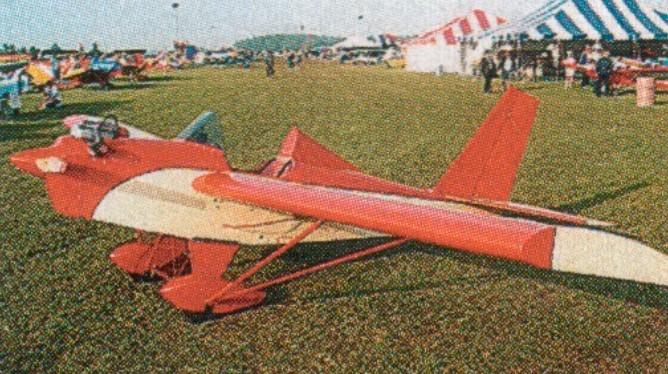
F-1 Rocket Engine: Lycoming IO-540, 250 hp HP range: 250-300 Length: 21 ft Wing span: 22.6 ft Wing area: 106 sq.ft Fuel capacity: 52 USG Empty weight: 1200 lb Gross weight: 2000 lb Cruise: 230 mph Stall: 56 mph Range: 1150 sm Rate of climb: 3000 fpm Takeoff dist: 300 ft Landing dist: 700 ft Seats: 2 tandem Cockpit width: 30 in Landing gear: tailwheel
F-1 Evo Engine Lycoming IO-540 / Continental 550 HP Range 235-350 Length 21 ft. Wing Span 24’10” Wing Area 102 sq. ft. Top Speed 265 m.p.h. Fuel Capacity 52 gal Empty Weight 1300 lbs Gross Weight 2100 lbs Cruise Speed (75% power@ 8000′ MSL) 240 m.p.h Stall Speed 50 m.p.h. Range @55%pwr 1150 sm Rate of climb sea level 3500 fpm Take off Distance 300ft Landing Distance 700ft Seats 2 Cockpit width 30 in Landing Gear tail wheel Building Material Metal G. Limit +6 -3 g
F1 Sport wing Engine Lycoming IO-540 HP Range 250-300+ Length 21 ft. Wing Span 21′ 10″ Wing Area 104 sq. ft. Fuel Capacity 52 gal Empty Weight 1200lbs Gross Weight 2000 lbs Top Speed 250 m.p.h. Cruise Speed ( TAS @ 10,000MSL @ 60% power) 230 m.p.h Stall Speed 54 m.p.h. Range @55%pwr 1000 sm Rate of climb sea level 3500 fpm Take off Distance 300ft Landing Distance 700ft Seats 2 Landing Gear tail wheel Building Material Metal G. Limit +6 -3 g
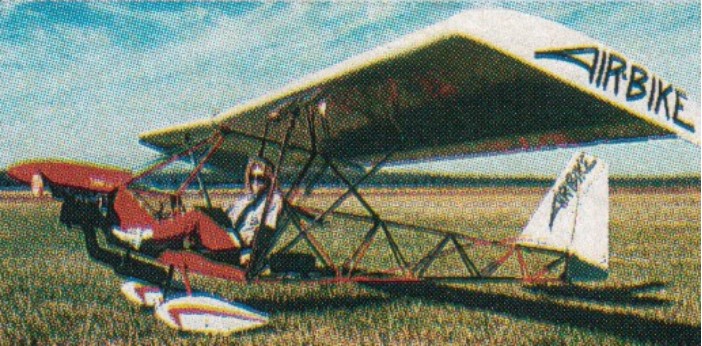
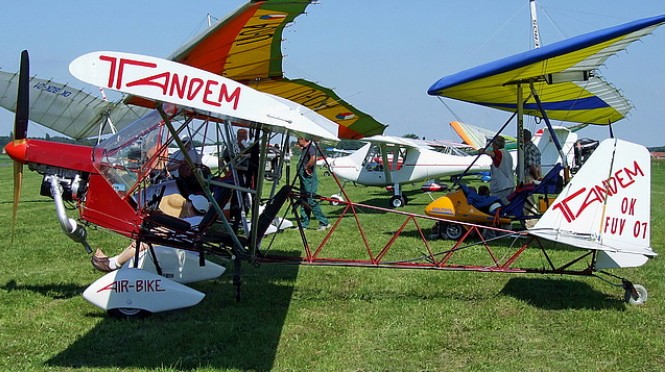
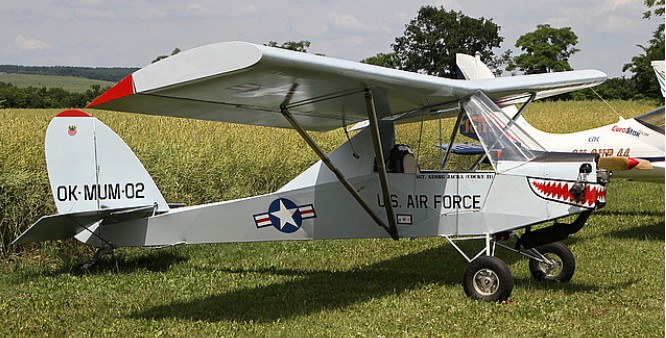
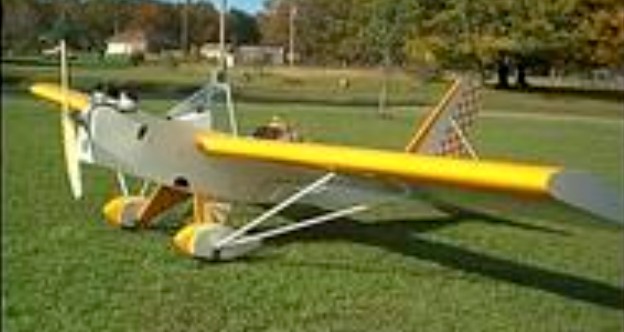
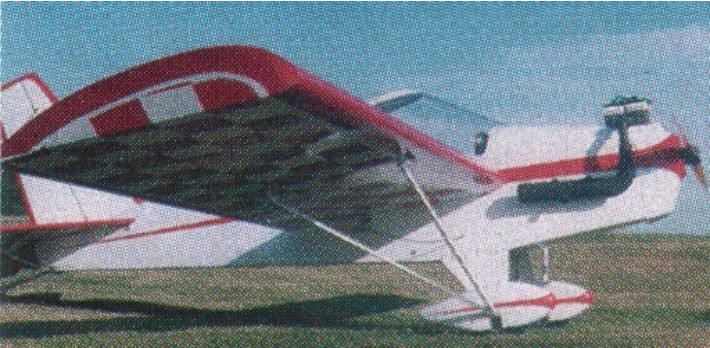
The Airbike has been in production since 1995. It mates a welded steel fuselage to an all wood wing.Standard features include an open cockpit, removable wings, steerable tailwheel, 4 point safety harness, fuel tank, factory welded fuselage and tail. Options include various engines, folding wings brakes, trim, wheel pants, wing tips bucket seat, extra fuel, plus various quick build and assembly packages.
Air-Bike has the strong, wood wings of the miniMAX but joins them to the tail by a welded structure. Since the Air-Bike has an open fuselage, a little more wing was necessary to make the Air-Bike fly like a mini-MAX. An extra bay was added to create a total span difference of one foot, however, the air-foil is the same.
TEAM first displayed their Air-Bike at Sun ‘n Fun ‘94. TEAM developed the new Enduro model of the Air-Bike. Changes were made to the newest Air-Bike. The Enduro model showed increased roll rate found by changing linkages at the mixer point, the firewall came back three centimetres to accommodate heavier engines like the 447. The rudder was enlarged slightly and control linkages were also improved to make the Enduro a better flying machine. The addition of two inches of area to the rudder (not stabilizer) harmonized the handling in a most beneficial way. Air-Bike Enduro comes with prebuilt spars and ribs, brakes, 5 USG wing tank, all-terrain wheels and droop wing-tips.
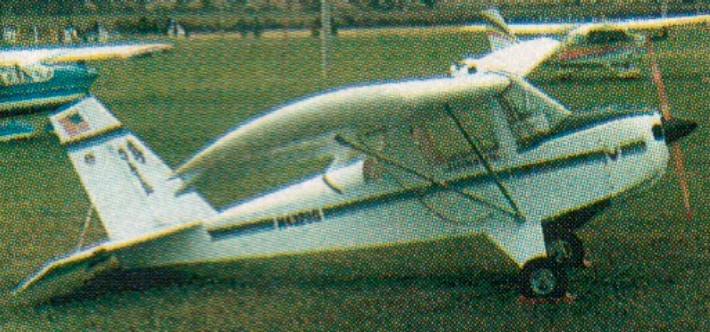
First flew in 1989. Take one or more parts from an already proven design, add a few parts for creature comfort and/or customer preferences, a wrap-around windshield of Lexan makes for excellent visibility and comfortable flying, and optional windows are removable for open-air flying in the summer. For power recommended is a Rotax 447, or any engine up to 45 hp.
Wood was chosen as the basic building material. It is easy to work with, dependable in its strength characteristics, and is not bothered by the vibrations associated with 2-cycle engines.
Construction techniques are of the old-fashioned, tried and true wood truss and plywood gusset method. It is very simple, and builds quickly. If you have ever built a balsa-wood model airplane, you have the experience required to build this “full-scale” model! While construction time will vary from builder to builder, approximately 300 hours is the average.
March 1999
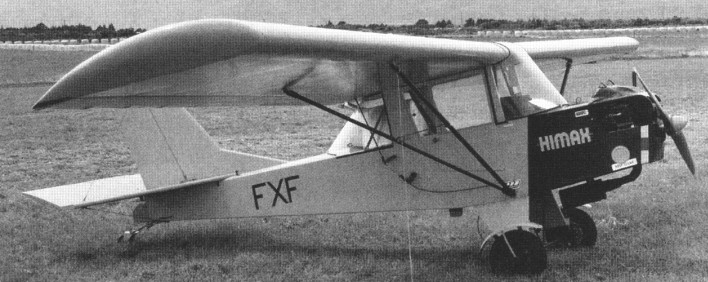
1700R Hi-MAX Standard equipment: Fiberglass engine cowl Prop spinner Quick removable wings Shoulder harness/seat belt Strut-braced tail 5 gallon gas tank 2009 Price: 5795 US$
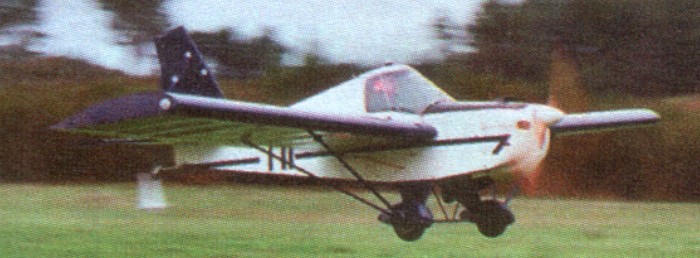
The Mini-MAX 1100R is a minimum cost aircraft, requiring a Minimum of building space, time or skill. A “Maximum” high of pure pleasure and performance. Mini-MAX 1100R standard equipment: Quick removable wings Shoulder harness/seat belt Full-span flaperons Curved windshield Strut-braced tail 5 gallon gas tank 2009 Price: 4795 US$
Tne Mini-MAX 1100R can be upgraded to models 1550R and 1260R.
Mini-MAX 1100R
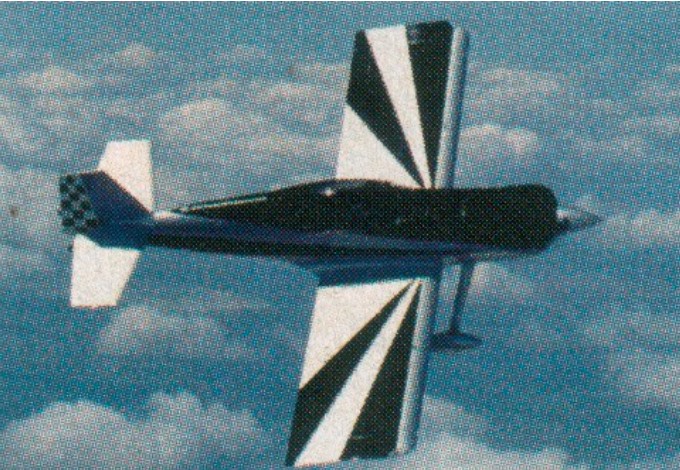
1200Z
The 1200Z can be upgraded to the 1500R. First flown in 1984.
The TEAM 1300Z MiniMAX was first flown in 1991.
TEAM 1300Z
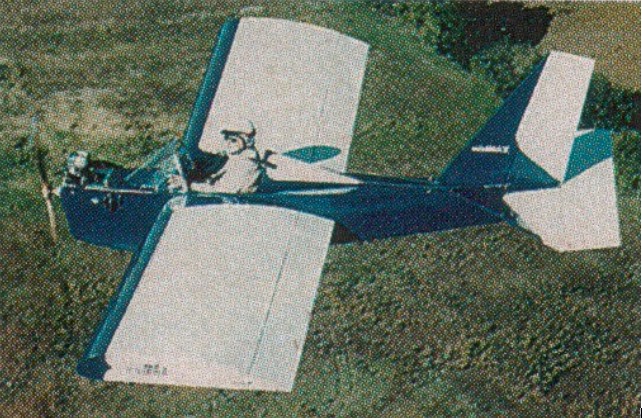
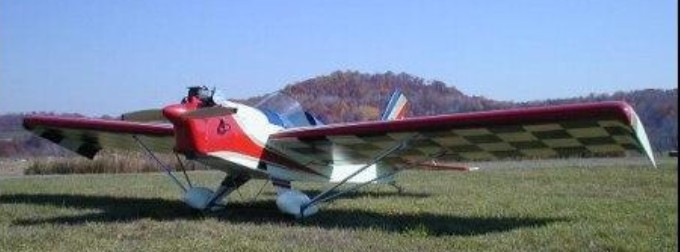
The 1500R was first flown in 1991. A Minimum-cost aircraft, requiring a Minimum of building space, time or skill. Wood was chosen as the basic building material. It is easy to work with, dependable in its strength characteristics, and is not bothered by the vibrations associated with 2-cycle engines.
1500R
1500R construction techniques are of the old-fashioned, tried and true wood truss and plywood gusset method. It is very simple, and builds quickly. If you have ever built a balsa-wood model airplane, you have the experience required to build this “full-scale” model. While construction time will vary from builder to builder, approximately 300 hours is the average.
March 1999
The 1500R was also marketed as the JDT 1500R.
1500R SPORT Standard equipment: Fiberglass engine cowl Prop spinner Quick removable wings Shoulder harness/seat belt Curved windshield Strut-braced tail 5 USgallon gas tank 2009 Price: 5290 US$