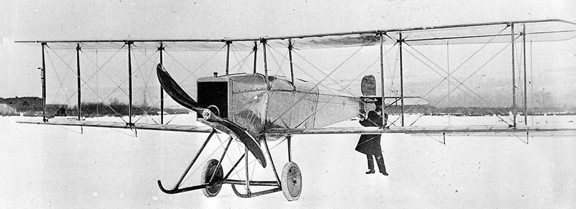
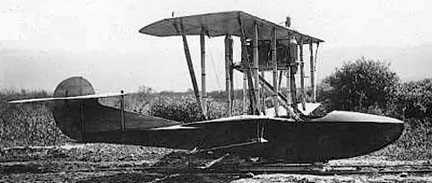
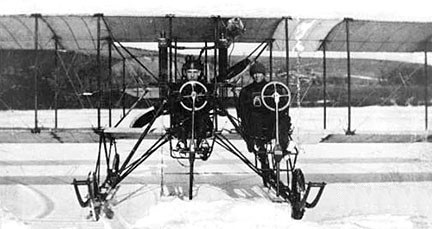
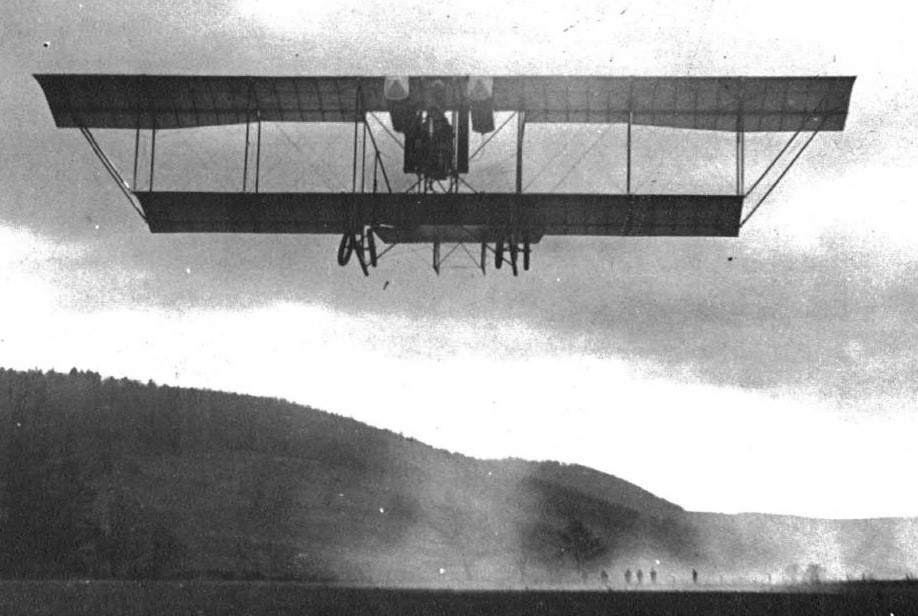
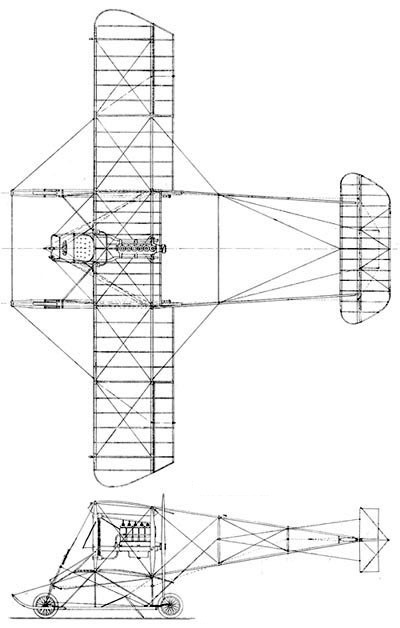
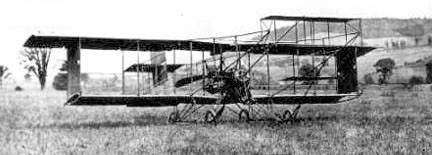
The T-2 biplane was designed by Benjamin D Thomas in 1914, based on his Curtiss J design. Twenty-four with 90hp Curtiss OX were exported to Great Britain in 1915.
Built in 1912, the 2-3 seat B-3 and B-4 had a wooden hull covered with galvanized iron sheeting. A 1914 version incorporated streamlining, and 1915 model was a three place “luxury cruiser” with a mahogany hull.
In 1914, the Thomas Company advertised aviation for sport, war and business. Their earlier models, the B-4 and B-5 were used as trainers for civilian pilots seeking thrills, speed and fortune.
The 1913 Thomas Standard Biplane was a design modification of the 1912 tractor TA with open cockpit, a nacelle fuselage, twin tails, and underslung lower wing.
The 1912 Thomas Biplane was a single place open cockpit tractor version of the TA. Only one was built and further development was abandoned in favour of pusher versions.
The Thomas Biplane first appeared in 1911 and was possibly the first dual-control trainer. Early versions had a four wheel undercarriage, which was changed during the time to a two double wheel and skid undercarriage.
This Thomas Biplane with 65 hp Kirkham C6 engine was used in this configuration for record flying of which the most famous one is the US Endurance record flown on October 31, 1912.
Referred to in contemporary literature as Thomas Headless biplane and Thomas 65.
Designed by William T Thomas, the 1910 Thomas biplane was originally powered by a chain-driven 22hp Kirkham V-8 pusher engine. First flown on 25 June 1910, piloted by Bert Chambers, it was equipped with a quad landing gear with bamboo skids. It was later modified with twin rudders and direct-drive motor.
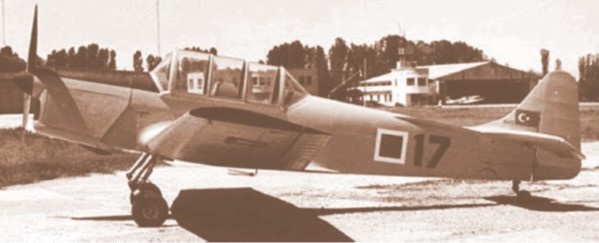
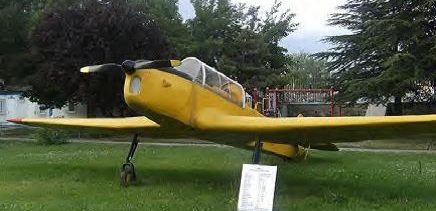
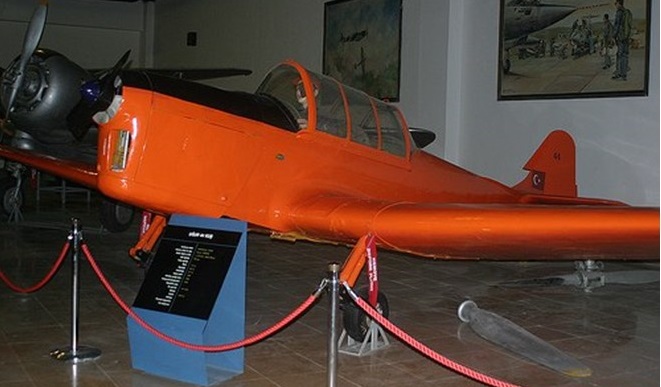
MKEK 4 Ugur Engine: DH Gipsy Major 10 Mk.I, 145 hp Wing span: 31 ft 2.5 in / 9.50 m Wing area: 171 sq.ft Length: 24 ft 7.25 in Empty weight: 1465 lb Loaded weight: 2045 lb Max speed: 135 mph Cruise: 110 mph ROC: 800 fpm Service ceiling: 16,000 ft Range: 300 mi Seats: 2 tandem
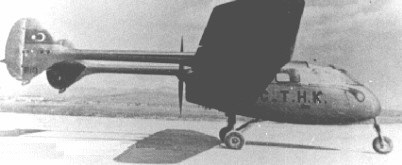
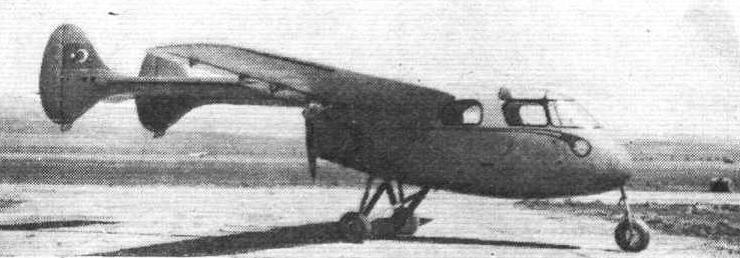
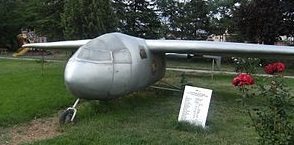
The THK-11 was a high-wing twin-boom three-seat cantilever cabin monoplane with a 135 hp (101 kW) de Havilland Gipsy Major piston engine driving a pusher propeller. It has a fixed nose-wheel landing gear and was first flown in 1947.
Designed and built by Türk Hava Kurumu (THK – Turkish Aeronautical Association), only one was built.
The sole THK-11 is on display at the Ankara Türk Hava Kurumu Müzesi – (Ankara Turkish Aeronautical Museum).
Engine: 1 × de Havilland Gipsy Major, 101 kW (135 hp) Propeller: 2-bladed fixed-pitch pusher Wingspan: 11.80 m (38 ft 9 in) Wing area: 18.7 sq.m (201 sq ft) Length: 8.44 m (27 ft 8 in) Height: 2.59 m (8 ft 6 in) Empty weight: 828 kg (1,825 lb) Gross weight: 1,150 kg (2,535 lb) Maximum speed: 201 km/h (125 mph; 109 kn) Cruise speed: 164 km/h (102 mph; 89 kn) Landing speed: 80 km/h (50 mph; 43 kn) Range: 800 km (497 mi; 432 nmi) in still air Service ceiling: 3,500 m (11,500 ft) Rate of climb: 3.5 m/s (690 ft/min) Wing loading: 61.5 kg/sq.m (12.6 lb/sq ft) Power/mass: 11.4 kg/kW (18.7 lb/hp) Crew: 2 Capacity: 1 passenger
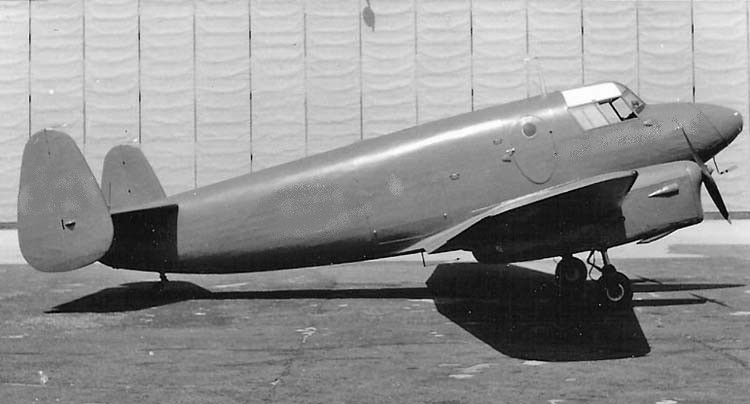
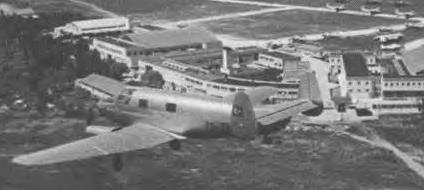
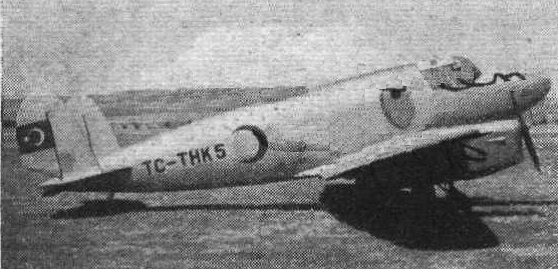
The THK-5 was a twin-engine aircraft developed in Turkey as an air ambulance. First flying in 1945, it was a conventional, low-wing cantilever monoplane of wooden construction throughout. The main units of the tailwheel undercarriage retracted into the wing-mounted engine nacelles and the THK-5 could carry two stretcher cases plus a medical attendant.
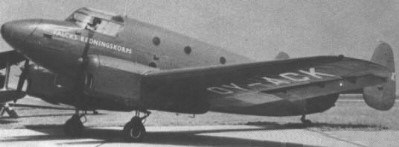
THK-5A TYRKEN (c/n 503 / OY-ACK) light ambulance a/c of the Danish FALCKS REDNINGSKORPS
This was followed in production by a six-seat utility transport version designated THK-5A and three examples of an improved version of the 5A designated THK-10. A single example of the type was exported, sold to Denmark.
On September 6, 1951 THK-5A serial number 503 sold to Denmark was put into service with registration OY-ACK. The aircraft, which was used as air ambulance under the name TYRKEN (TURK) until logging 961 hours and 20 minutes. In 1960 it was resold and used by air taxi companies. On 18 November 1961 the airplane suffered a landing accident and was withdrawn to a children’s park in Lagunen. The wreck was eventually scrapped.
THK-10
In total 13 were built.
When THK was taken over by MKEK, this was one of the designs selected for further work. However, although the designation MKEK-5 was allocated, nothing further came of this.
THK-5 Engine: 2 × de Havilland Gipsy Major, 123 kW (165 hp) each Wingspan: 14.63 m (48 ft 0 in) Length: 9.98 m (32 ft 9 in) Height: 2.87 m (9 ft 5 in) Empty weight: 883 kg (1,943 lb) Gross weight: 1,920 kg (4,255 lb) Maximum speed: 220 km/h (137 mph) Cruise speed: 124 mph Landing speed: 74.5 mph Range: 646 km (404 miles) Service ceiling: 4,000 m (13,100 ft) Crew: Two pilots Capacity: Two stretcher cases plus one medical attendant