Aerocat Aerocat

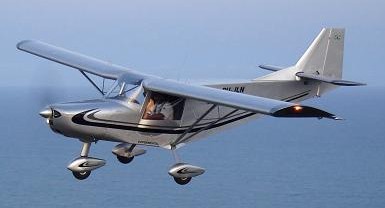
Aerocat co-designer Kirk Creelman has been working in the field of Composite Aircraft Design for over a quarter century and the Aerocat marks the culmination of his experience with composite design, form, flow and function.
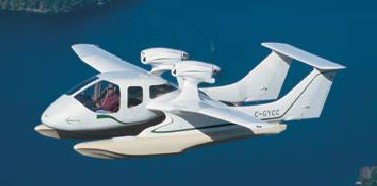
With rivetless seams, a low-drag coefficient and retractable gear, the Aerocat is a four-place aircraft on the kitplane market. The cabin measures 59″ wide across the pilots chairs and 63″ wide across the passenger and baggage area. This aircraft capable of a 180 mph cruise (at 55%) with either twin 135 hp Jabirus or 250 hp turbocharged engine. Range at 55% Cruise is a 1,100 nm.
Aerocat Amphibian also offers the multi-platform concept, designed to house a single or twin configuration, and a purchase option which may or may not include floats. All Aerocats come off the production line with a “Floats-Capable” airframe.
The design is by co-designers Y.C. Cheng and Kirk Creelman. They devised an airframe that could accommodate a choice of twin or single powerplant options. The power arch configuration allows for a single 210 to 300 HP engine mounted in the middle of the arch or the twin 135 Jabiru Option mounted on each side of the arch.
The pusher type propulsion mounted high on the arch also serves to keep the props high and dry for on-water applications.

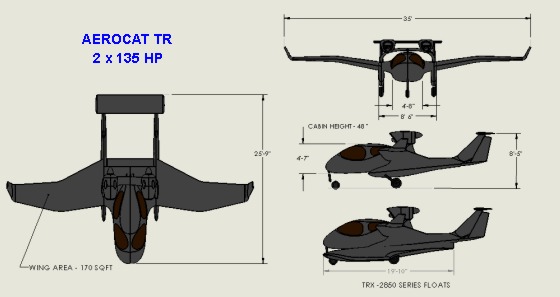
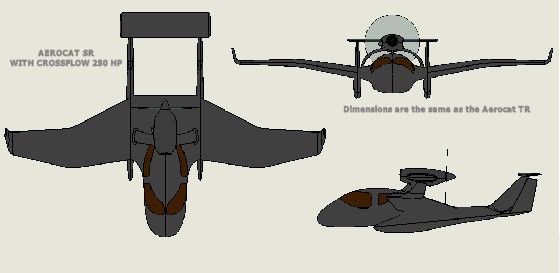
Aerocat TR
Engine: 2 x Jabiru 3300 EFI, 135 hp
Max Gross Weight: 2700 lbs
Standard Empty Weight: 1600 lbs
Useful Load: 1100 lbs
Usable Fuel Capacity: 68 USG/260 lt
Full Fuel Payload: 680 lbs
Takeoff: 450 ft
Takeoff (50 ft object): 550 ft
Climb rate: 1200 ft/min
Stall Speed with Flaps: 50 mph
Cruise Speed (75% Pwr): 180 mph
Cruise Range with Res: 900 nm
Max Range (55% pwr): 1000+ nm
Landing Ground Roll: 450 ft
Landing over 50′ Object: 550 ft
Aerocat SR
Engine: Crossflow CF4-20THO, 250 hp
Takeoff: 450 ft
Takeoff (50′ object): 550 ft
Climb rate: 1200 ft/min
Stall Speed with Flaps: 50 mph
Cruise Speed (75% Pwr): 185 mph
Cruise Range with Res (55% Pwr): 900 nm
Landing Ground Roll: 450 ft
Maximum Range (55% power): 1000+ nm
Landing over 50′ Object: 550 ft
Maximum Gross Weight: 3000 lbs
Standard Empty Weight: 1750 lbs
Useful Load: 1250 lbs
Usable Fuel Capacity: 68 gal/260 Lt
Full Fuel Payload: 840 lbs
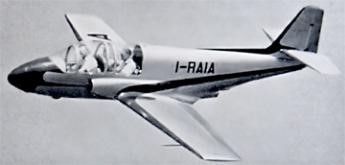
Aero Caproni Trento F5

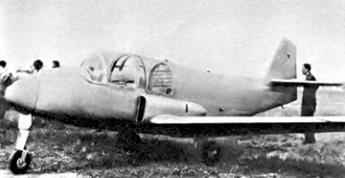
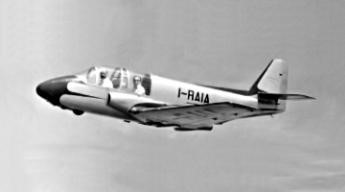
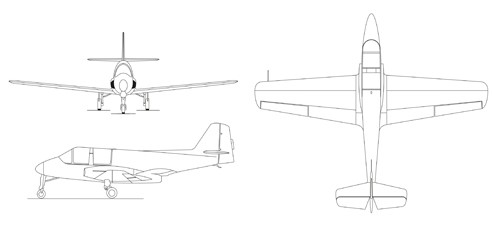
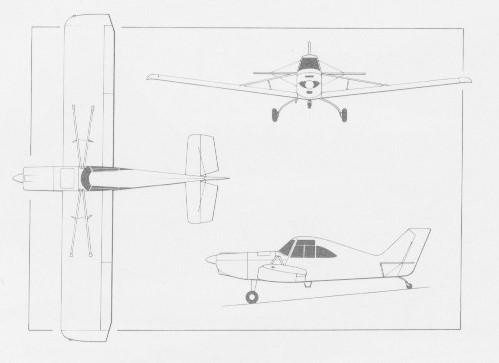
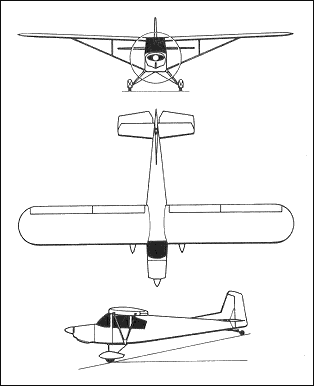
Postwar Caproni released the F5 in its new identity”Aero Caproni Trento”. It is a small low-wing monoplane, tandem two-seater.

An all wood, simple structure, the air inlets have been designed so they do not interfere with the wing. The Caproni F-5 is a cantilever monoplane, with the lower surface flush with the ventral surface of the fuselage.

The fuselage shell is oval section and single box, covered with birch plywood. The fuselage is in two parts; the first comprises the cockpit (two seats in tandem) and supports the front leg of the undercarriage; the second contains the engine and the empennage. The two sections are joined by bolts. The tail is cantilever.

The landing gear is a retractable tricycle. The front has oleo-pneumatic damping, with steering controlled by the rudder. This wheel retracting rearward. The main gear has oleo- pneumatic damping, with hydraulic brake swingarm (the hinge rotates around the wing spar). The landing gear retraction is mechanical ; it is effected by means of a crank attached to the right front position.

The first flight was performed by test pilot Ernesto Zanlucchi on 17 May 1952 on the Milan Malpensa airport.

The same day as the first flight, Zanlucci and Vico Rosaspina, flew a range of acrobatics including looping and incipient spin.

The first tests made it possible to record the maximum ground speed at 360 kph, and at 3,000 m the F5 reached 315 km.h.

During the test dive conducted at 3,000 m, having two people on board, 520 km / h were reached without showing any vibration

Gallery

Engine: Turbomeca Palas, 150 Kgp
Wingspan: 7.65 m
Length total: 6.625 m
Height: 6.2 m
Wing area: 10 m²
Empty weight: 490 Kg
Max weight: 750 Kg
Max speed: 360 km
Range: 300 km
Ceiling: 8000 m
Time to 3,000 m: 11 min
Landing distance clean: 241 m
Landing distance flaps & brakes: 154 m

AeroCad AeroCanard

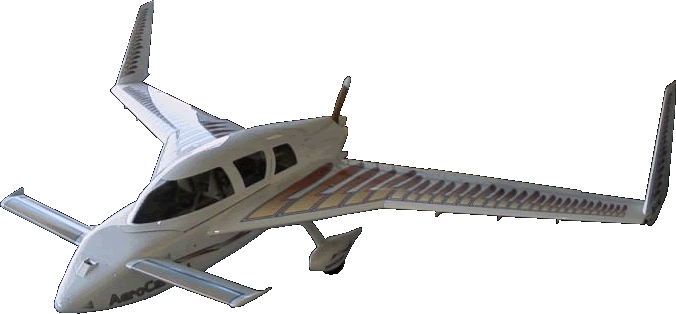
A development of the CO-z Development Cozy, the AeroCanard is a 4 seat canard type aircraft with a Lycoming LIO-360 engine. It has a 1000-mile range and typically cruises at over 200 mph on less than 10 gallons per hour. The AeroCanard FG can be built from just the plans only or is also available as a complete quick build aircraft kit. The AeroCanard SB has a smaller body width at the front seats. The plans include instructions for building either aircraft. The AeroCanard is available as a “Plans Built” or complete quick build kit aircraft or as an option, purchasing as few or as many pre-fabricated fiberglass kit parts to help reduce the building time. The AeroCanard RG is effectively the FG model with an electrical retracting nose gear and electro-hydralic retractable main gear.
The AeroCanard-FG plans includes plans, CAD converted M-Drawings, and Section 3 – Pilot Operating Handbook and Flight Testing Manual.
The AeroCanard SX will have a forward opening canopy so both pilot and co-pilot can enter both sides of the fuselage. The top is the major change on the standard AeroCanard FG fuselage.
The wider turtleback, larger canopy and round rear windows have all been changed for more room in the fuselage. Builders can still change the rap-a-round canopy to a full bubble canopy just by cutting more of the fuselage top out or cut in a larger rear windows.

AeroCanard
Engine: Lycoming IO-360, 200 hp
HP range: 160-200
Speed max: 225 mph
Cruise: 205 mph
Range: 1000 sm
Stall: 68 mph
ROC: 1500 fpm
Take-off dist: 1000 ft
Landing dist: 1500 ft
Service ceiling: 25,000 ft
Fuel cap: 62 USG
Weight empty: 1200 lbs
Gross: 2150 lb
Height: 7.75 ft.
Length: 16.75 ft
Wing span: 28.1 ft
Wing area: 102.3 sq.ft
Seats: 4
Landing gear: nose wheel. Only nose wheel retractable.

AeroCanard FG
Engine: Lycoming IO-360, 200 hp
Hp range: 160-230
Max speed: 225 mph
Cruise: 205 mph
Stall: 68 mph
Range: 1000 sm
Roc: 1750 fpm
To dist: 800 ft
Ldg dist: 1500 ft
Fuel cap: 63.5 USG
Empty wt: 1200 lb
Mtow: 2150 lb
Useful Load Less Fuel: 950 lb
Fuel Useful: 63 USG
Fuel Tanks: No Switch/3.5 Gal Sump
Height: 7.8 ft
Length: 16.75 ft
Wingspan: 28.1 ft
Wing area: 102.3 sq.ft.
Seats: 4
Undercarriage: Nose/retractable
Type Seats Used: F/Bench R/Bench
Front Seat width: 42in
Rear Seat width: 39.5in
Head Room Width F/Seat: 38in
Speed Brake: Electric
Head Room Width R/Seat: 38in
Control Stick: 2 Side Sticks
Throttle Quadrant: Center
Brake Pedals (Adjustable): Both Sides 5in
Cockpit Heat: Nose Oil Cooler
Standard Main Wheels: 600-6
Nose Gear (Standard): Retrectable

AeroCanard RG
Engine: Lycoming IO-360, 200 hp.
Hp range: 160-230.
Max speed: 225 mph.
Cruise: 210 mph.
Stall: 68 mph.
Range: 1000 sm.
Roc: 1900 fpm.
To dist: 800 ft.
Ldg dist: 1500 ft.
Useable Fuel cap: 63 USG.
Useful Load Less Fuel: 950 lb
Fuel Tanks: No Switch/3.5 Gal Sump
Empty wt: 1150 lbs.
MTOW: 2150 lbs.
Height: 7.8 ft.
Length: 16.75 ft.
Wingspan: 28.1 ft.
Wing area: 102.3 sq.ft.
Seats: 4.
Undercarriage: Nose/ retractable.
Type Seats Used: F/Bench R/Bench
Rear Seat width: 39.5in
Head Room Width F/Seat: 38in
Front Seat width: 42in
Head Room Width R/Seat: 38in
Control Stick: 2 Side Sticks
Throttle Quadrant: Centre
Speed Brake: Electric
Brake Pedals (Adjustable): Both Sides 5in
Cockpit Heat: Nose Oil Cooler
Standard Main Wheels: 600-6
Nose Gear (Standard): Retractable

AeroCanard SB
Engine: Lycoming IO-360, 200 hp.
Hp range: 160-230.
Max speed: 220 mph.
Cruise: 200 mph.
Stall: 68 mph.
Range: 1000 sm.
Roc: 1500 fpm.
To dist: 1200 ft.
Ldg dist: 1500 ft.
Fuel cap: 52 USG.
Empty wt: 1150 lbs.
Mtow: 2050 lbs.
Useful Load less Fuel: 900 Lbs
Fuel Useful: 63 USG
Fuel Tanks: Selector/1.5 USG Sump
Height: 7.8 ft.
Length: 16.75 ft.
Wingspan: 28.1 ft.
Wing area: 102.3 sq.ft
Seats: 4.
Undercarriage: Nose/ retractable.
Front Seat: 42in
Rear Seat: 36in
Head Room Width F/Seat 36in
Head Room Width R/Seat: 36in
Engines Used: O-320 – IO-360
Control Stick: 2 Side Sticks
Throttle Quadrant: Centre
Brake Pedals (Adjustable): Both Sides 5in
Speed Brake: Electric
Standard Main Wheels: 600-6
Type Seats Used: F/Bucket R/Bucket
Nose Gear (Standard): Retrectable

AeroCanard Velocity FG
Empty Weight: 1300 Lbs
Gross Weight: 2250 Lbs
Front Seat width: 42.50″
Rear Seat width: 39.50″
Head Room Width Front Seat: 40.00″
Head Room Width Rear Seat: 38.00″
Engines Used: O-320 – IO-360
Control Stick: 1 Center Sick
Cockpit Heat: Nose Oil Cooler
Standard Main Wheels: 600-6 Single Puck
Useful Load Less Fuel: 950 Lbs
Fuel Useful: 65 USGal
Fuel Tanks: No Switch/5 Gal Sump
Nose Gear (Standard): Fixed

AeroCanard MKIV
Empty Weight: 1100 Lbs
Gross Weight: 2050 Lbs
Front Seat width: : 42.00″
Rear Seat width: 36.00″
Head Room Width Front Seat: 36.00″
Head Room Width Rear Seat: 36.00″
Engines Used: O-360
Control Stick: 2 Side Sticks
Cockpit Heat: Muff Off Exhaust
Standard Main Wheels: 500-5 Single Puck
Useful Load Less Fuel: 950 Lbs
Fuel Useful: 52 US Gal
Fuel Tanks: Selector/1.5 YSbGal. Sump
Nose Gear (Standard): Retractable

Aero Bravo Industria Aeronautica Bravo 700

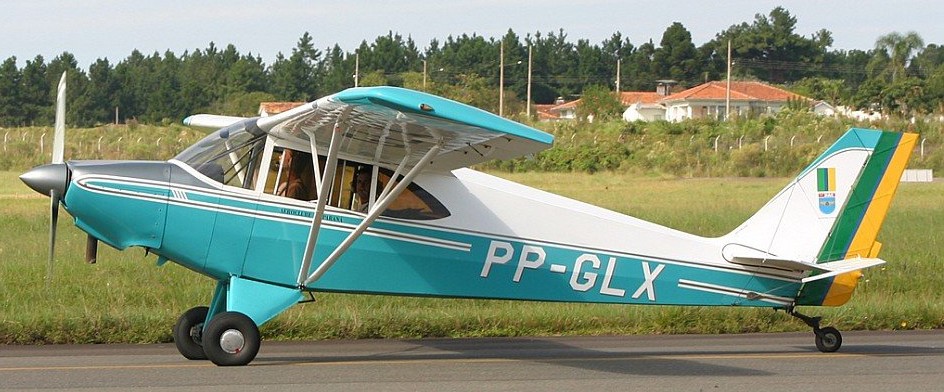
The Bravo 700 is a two-seat civil utility aircraft manufactured by Aero Bravo in Brazil in both kit and ready-to-fly form. It is a high-wing monoplane of metal construction with fixed tricycle undercarriage and is classed as an ultralight under Brazilian aviation regulations. An agricultural version, the Bravo 700 Agrcola with spraying gear and a chemical tank with a capacity of 140 l (37 US gal) had been developed to flight-testing stage.

Engine: 1× Rotax 912, 60 kW (80 hp)
Wingspan: 9.0 m (29 ft 6 in)
Length: 6.58 m (21 ft 7 in)
Height: 2.1 m (6 ft 11 in)
Wing area: 13 sq.m (140 sq.ft)
Empty Weight: 270 kg / 595 lb
MTOW: 500 kg / 1102 lbs
Max speed: 190 km/h (119 mph)
Stall: 30 kt / 35 mph / 56 kmh
Cruise: 91 kt / 104 mph / 168 kmh
Service ceiling: 4,000 m (13,120 ft)
Rate of climb: 300 m/min (984 fpm)
Range: 840 km (525 miles)
Wing loading: 38 kg/sq.m (8 lb/sq.ft)
Power/weight: 0.12 kW/kg (0.07 hp/lb)
Crew: one pilot
Capacity: 1 passenger

Aero Bonner V6 Super Sapphire

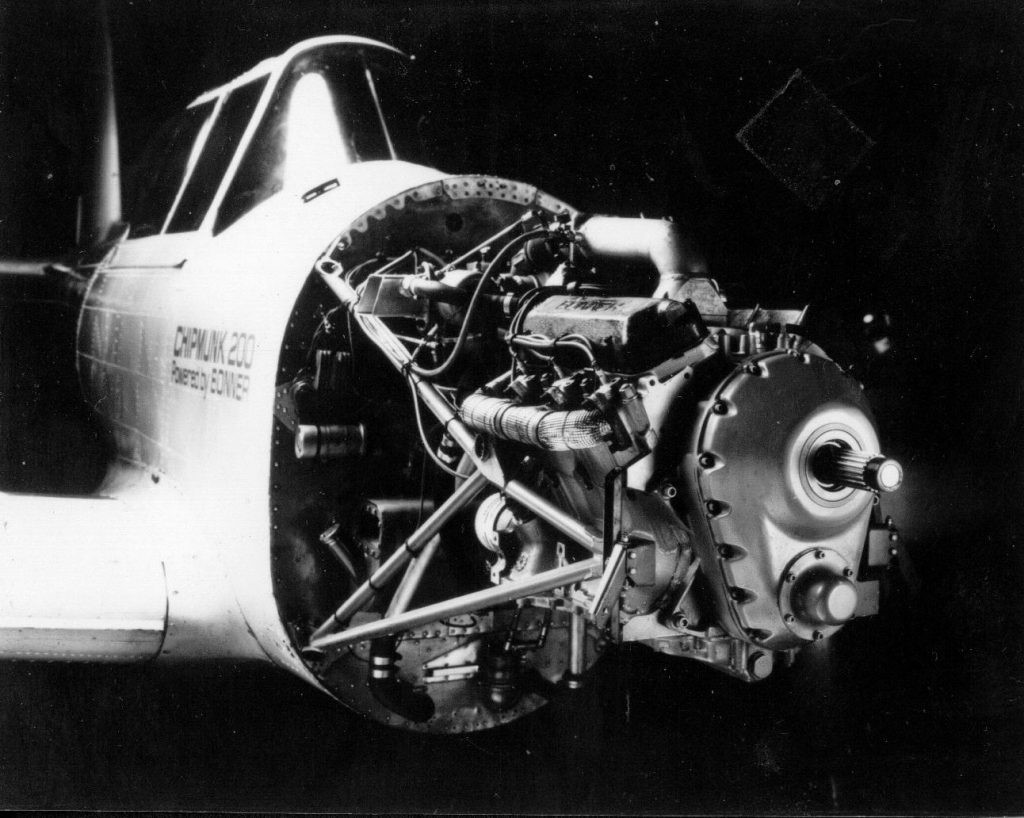
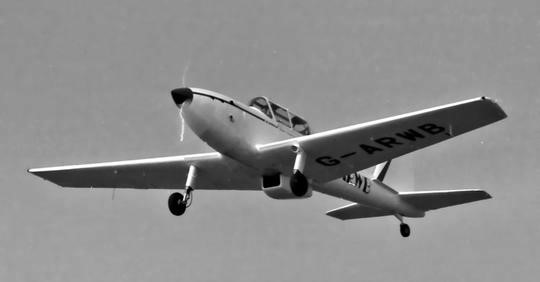
In 1979, this Chipmunk Mk.22A (G-ARWB c/n C1/0621) was modified to act as test bed and demonstrator for the 200 hp Aero Bonner Super Sapphire V6 aero engine, liquid-cooled by a ventrally mounted radiator. G-ARWB was flown for the first time with its new engine on July 2, 1979 and was subsequently displayed at the SBAC Show at Farnborough. The aircraft is also referred to as the Aero Bonner Chipmunk 200

Bill flew it at the 1980 Farnborough Airshow, when the RAF put in a request to re-equip their fleet of Chipmunks with the Sapphire engine, and Rolls-Royce announced their desire to take over and manufacture the engine in quantity.

Chipmunk Mk22A G-ARWB c/n C1/0621

At the Farnborough exhibitor’s dinner, guest of honour, Margaret Thatcher, said her govt. was happy to be a first customer for the kit on show, but we should also look to make our profits from the wider world. Fair enough; so Bill wrote to the PM, saying that the RAF wished to purchase the Bonner V6 aero engine for their Chipmunks, and could the MOD kindly put in a purchase order. Unfortunately, there was a moratorium on defence spending, came the reply from No 10, and the govt. could not afford it. Furthermore, by the end of 1980, R-R told Bill that they thought that the Bonner engine was pointing the way to the future of light piston aero engines, but nevertheless they were going through a divorce from Continental Motors and pulling out of light aviation altogether, and reluctantly could not remain in the sector for this engine alone.

Aero Boero AB.260 AG

Manufactured by Aero Boreo and first flown in December 1972 was the single seat AB 260 AG, Lycoming O 540 powered “fumigacion” aircraft for ag work. Built as a spray aircraft, it features a 500 litre spray capacity.

Engine: Lycoming O-540, 260 hp
Wingspan: 35 ft 9.25 in / 10.90 m
Length, tail up: 24 ft 5.25 in / 7.45 m
Empty weight: 1587 lb / 720 kg
MTOW: 2976 lb / 1350 kg
Ag tank capacity: 110 Imp.Gal / 500 lt / 1102 lb / 500 kg
Max cruise SL: 109 kt / 125 mph / 201 kph
Max ROC SL: 1345 fpm / 410 m/min
Service ceiling: 21,000 ft / 6400 m
Range max fuel: 377 nm / 435 miles / 700 km
Seats: 1

Aero Boero 210

A prototype Aero Boero 210 four seat light aircraft first flew in 1971.

Engine: Continental IO-360, 210 hp
Wingspan: 35 ft 2 in / 10.72 m
Length OA: 24 ft 3.25 in / 7.40m
Cabin length: 5 ft 8 in / 1.73 m
Cabin width: 3 ft 1 in / 0.94 m
Cabin height: 3 ft 11 in / 1.19 m
Cabin volume: 52 cu.ft / 1.50 cu.m
Empty weight equipped: 1477 lb / 670 kg
MTOW: 2425 lb / 1100 kg
Est. cruise 5900 ft / 1800m: 122 kt / 140 mph / 225 kph
Est. ROC SL 1180 fpm / 360 m/min
Est. Service ceiling: 19,675 ft / 6000 m
Seats: 4

Aero Boero 180

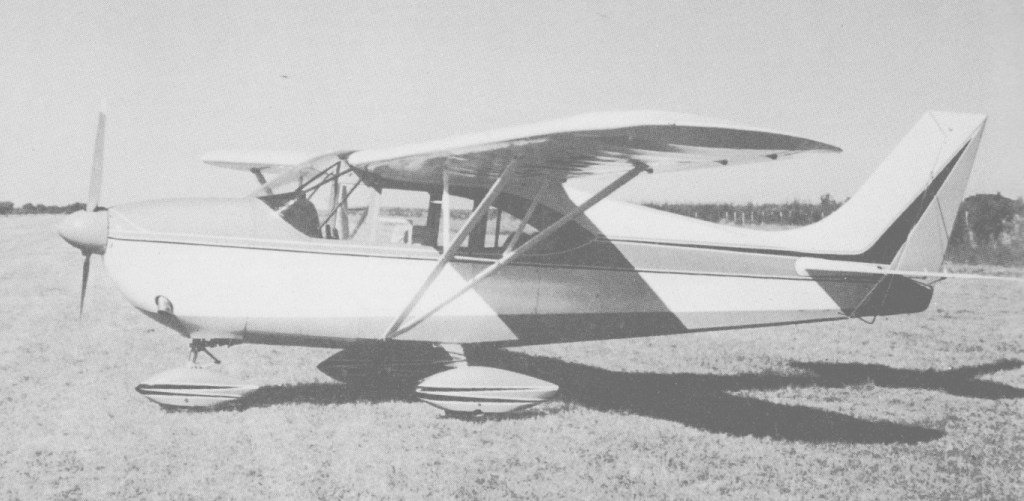
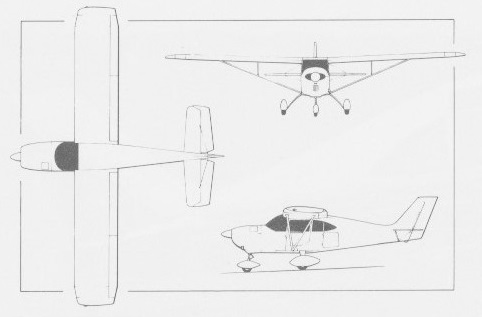
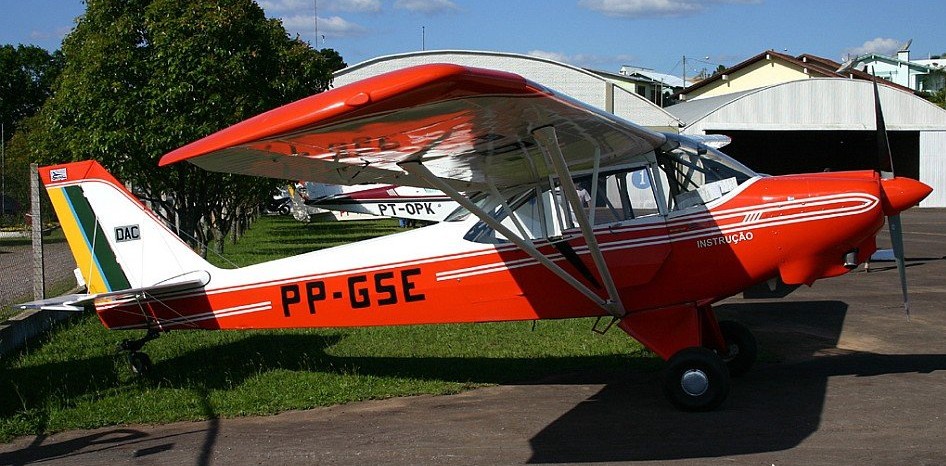
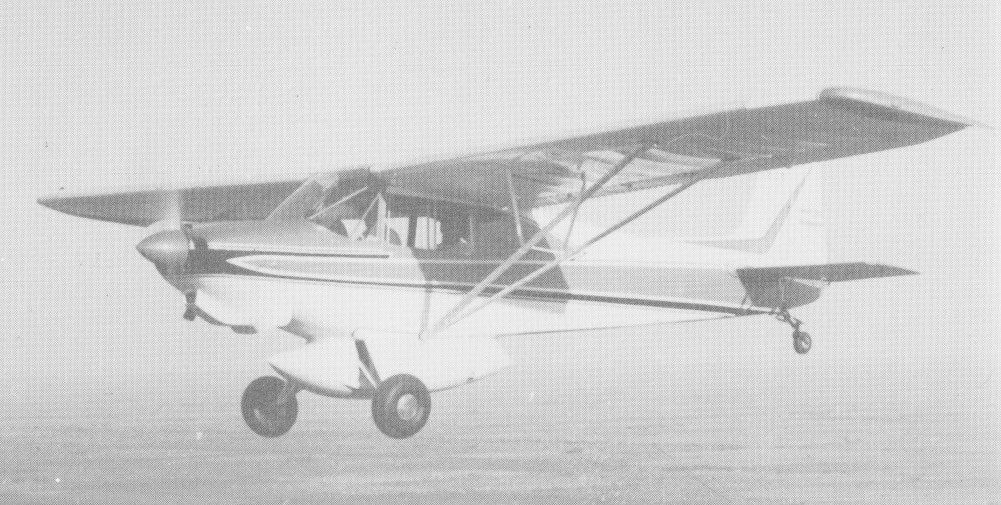
The 180 horsepower, 4 seat AB 180 (O 360 Lycoming) first flew on 12 March 1959 and is capable of a 131 mph cruise over a range of 733 miles. It was produced in the AB 180 AG agricultural, PSA military pre-selection and RVR glider-towing forms.
An unorthodox variant of the most powerful of the Argentinian lightplane series is the 180SP, an Ag version, which has two additional lower wings.

AB 180 Condor

Variants:

AB 180
Initial 4 seat variant
Engine: Lycoming O-360-A1A
Wingspan: 35 ft 1 in / 10.70 m
Also produced as 3 seater; wingspan 34 ft 2.25 in / 10.42 m

AB 180 RV
3 seat version first flown 1972
Recontoured fuselage, sweptback fin & rudder, extra fuel
Engine: Lycoming O-360-A1A, 180 hp
Wingspan: 35 ft 2 in / 10.72 m
Length OA: 23 ft 10.25 in / 7.273 m
Empty weight equipped: 1212 lb / 550 kg
MTOW: 1860 lb / 844 kg
Max cruise SL: 114 kt / 131 mph / 211 kph
ROC SL: 1180 ft (360m) / min
Service ceiling: 22,000 ft / 6700 m
Range max fuel: 429 nm / 495 miles / 800 km
Seats: 3

AB 180 RVR
3 seat version first flown 1972
Wingspan: 35 ft 2 in / 10.72 m
Recontoured fuselage, sweptback fin & rudder, extra fuel
Glider tow hook

AB 180 Condor
High altitude version of AB 180 RV
Modified wing tips
Optional turbocharger
Pilot & passenger or 220 lb / 100 kg under fuselage cargo pack

Aero Boero 115 / 115/150

De¬signed and built by Aero Boero s.a. of Cordoba, Argentina, is the AB115, powered by a 115 hp Lycoming. Based on the three seat 95 hp Aero Boero 95, the 115 hp variant first flew ten years later in February 1973 with an Avco Lycoming O 235 and with alloy and reinforced plastic for engine cowls, flaps and ailerons. The AB115 by 1990 had a metal wing and fabric fuselage.
The AB115 was in production in basic training and recreational form and as the AB 115/150 higher-powered version that can undertake agricultural work.