In 1929 the Aeronautical Engineering Co built the 300hp 542ci 2-cycle double-row 9 cylinder air-cooled radial.
Engines – Power
Aeronautical Engineering Co
Oakland CA.
USA
Circa 1929 engine builder
AISA I-115
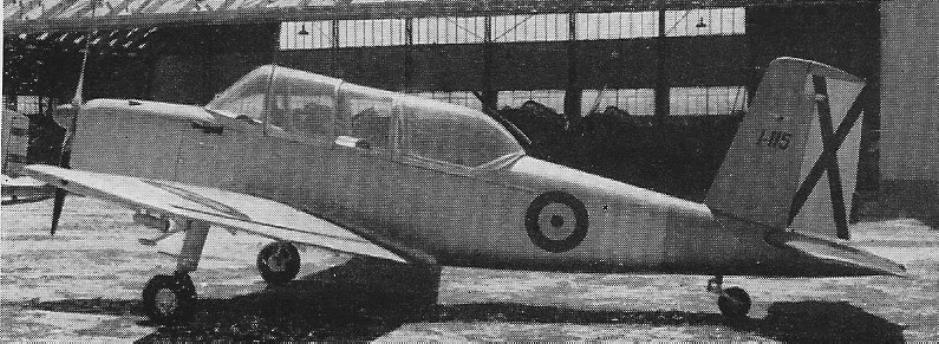
The 1950 I-11 aircraft was followed by the I-115 basic trainer with revised fuselage. Originally designed by Iberavia S.A., series production was undertaken by Aeronautica Industrial S.A.
First flown on 16 July 1952, 450 were delivered overall. Construction is all wood. Full dual controls and instrumentation are fitted.
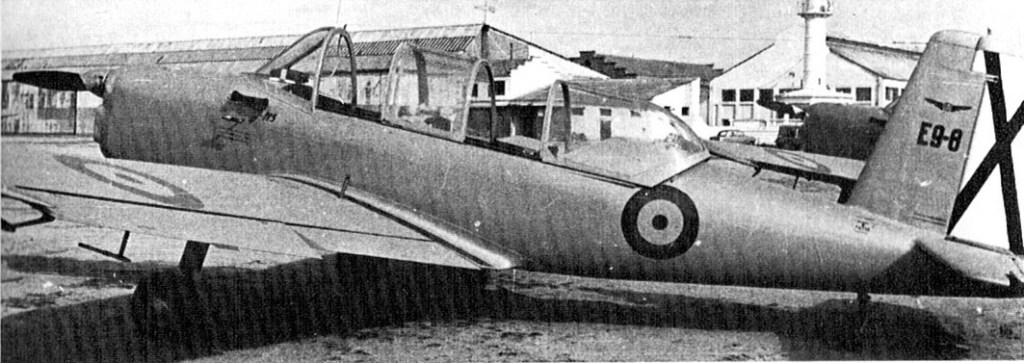
Two hundred were ordered for the Spanish Air Force during the mid-1950s, designated E.6, to replace the CASA-built Bucker Jungmann primary training biplane.
Engine: E.N.M.A. Tigre G-IVB, 150 hp
Wingspan: 31 ft 3 in
Wing area: 150.6 sq.ft
Length: 24 ft 1 in
Height: 6 ft 10 in
Empty weight: 1346 lb
Loaded weight: 1980 lb
Max speed: 149 mph
Cruise: 130 mph
ROC: 790 fpm
Service ceiling: 14,430 ft
Endurance: 3.5 hr
Seats: 2
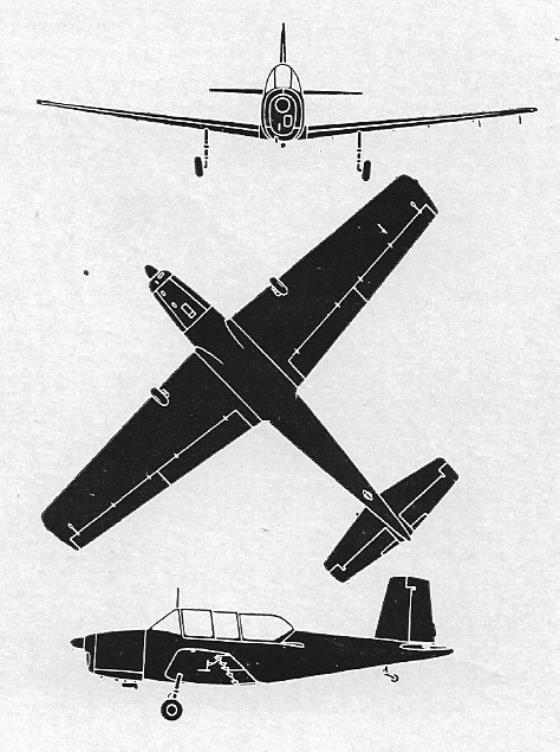
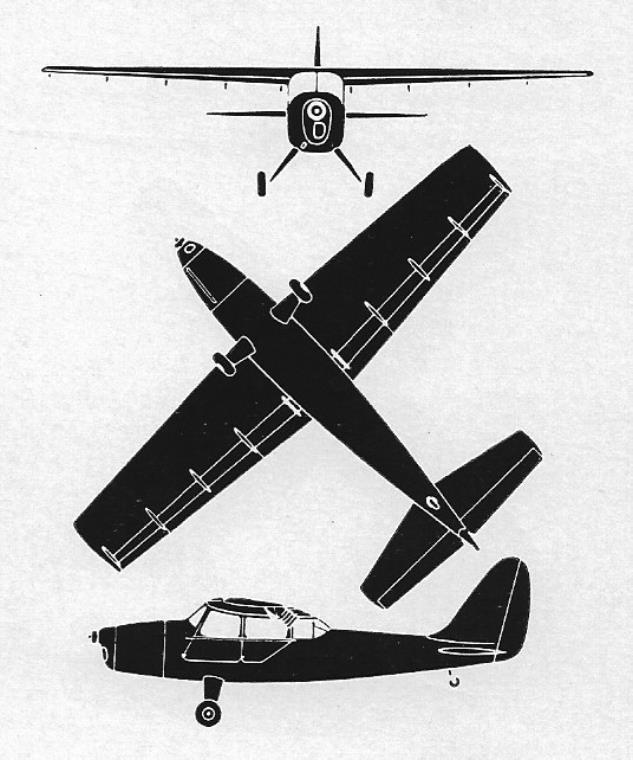
AISA AVD-12 / I-18
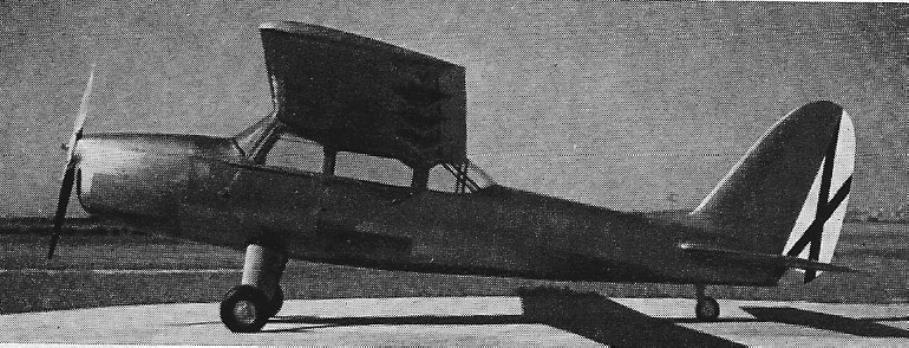
The I-18, or AVD-12. was designed by Emile Dewoitine to meet the Ministerio del Aire specification issued in 1953, for a two/three seat air observation and liaison aircraft to replace the Fieseler Fi 156 Storch then in service with the Spanish Air Force.
The specification called for a maximum speed of not less than 109 mph, minimum speed of not more than 37 mph, and an endurance of 2.5 hours.
A high-wing all-metal monoplane, the A.I.S.A. I-18 has full-span high-lift flaps with prominent guides.
The AVD-12 was flown for the first time on 18 August 1954.
Engine: E.N.M.A. Tigre G-IVB, 150 hp
Wingspan: 36 ft 5 in
Length: 25 ft 5 in
Height: 6 ft 11 in
Empty weight: 1322 lb
MTOW: 2314 lb
Max speed: 140 mph
Cruise: 113 mph
ROC: 900 fpm
Service ceiling: 16,400 ft
Range: 479 mi
Seats: 2-3
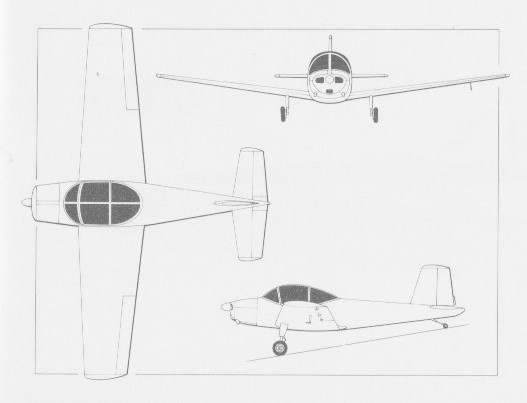
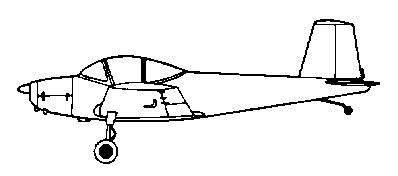
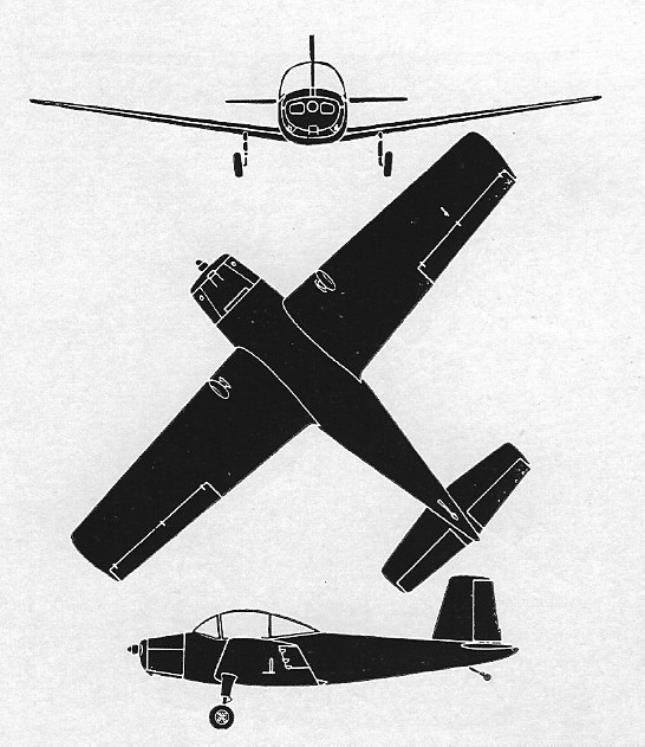
AISA I-11B Peque
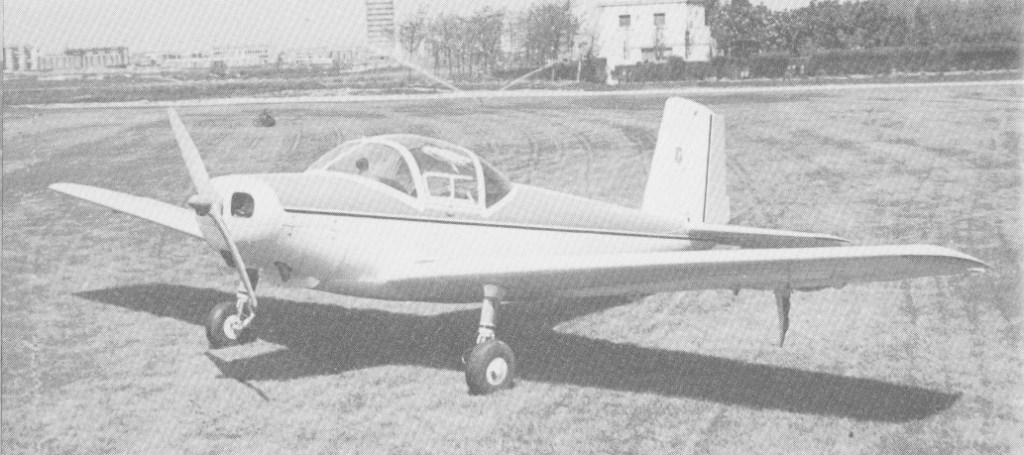
Designed and built in 1950 the I-11 two-seat lightweight training/sporting aircraft. Two prototypes were built.
In 1954, AISA purchased the Spanish manufacturer Iberavia and took over the I-11 light plane project, eventually building around 400 examples as the AISA I-11B, with smaller canopy and tailwheel undercarriage.
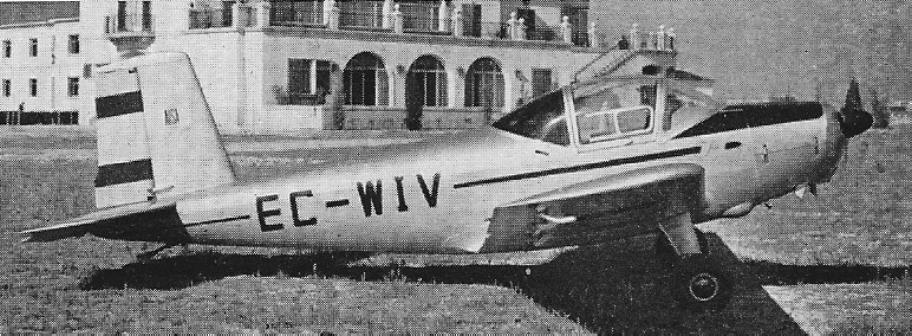
Derived from the I-11 prototype, the I-11B differed from the production model in having a fixed nosewheel undercarriage and a larger cockpit canopy. The I-11B first flew on 16 October 1953. Inaugurated early in 1954, a production batch of 70 was built for Spanish Aero Clubs.
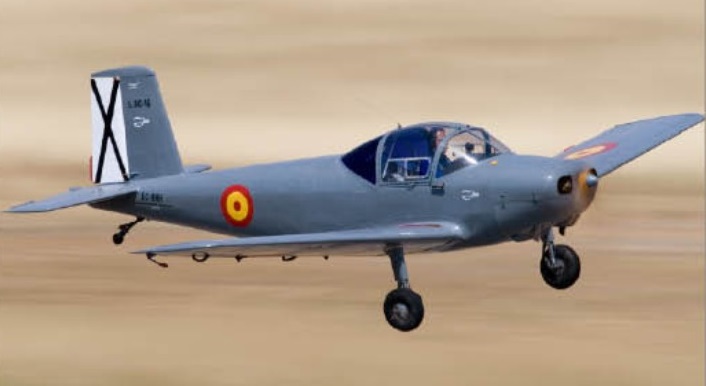
Some aircraft were powered by a 93 hp RNMA Flecha engine. Some 450 were built.
AISA I-11B
Engine: Continental C90-12F, 90 hp
Wingspan: 30 ft 7 in / 9.34 m
Wing area: 133.472 sq.ft
Length: 21 ft 3 in / 6.48 m
Height: 6.234 ft / 1.9 m
Empty weight: 926 lb / 421 kg
Normal TO weight: 1417 lb / 644 kg
Max TO weight semi-aerobatic: 1474 lb / 670 kg
Max. speed: 108 kt / 200 km/h
Cruise speed: 96 kt / 110 mph / 117 kph
Max ROC SL norm MTOW: 726 fpm / 200 m/min
Service ceiling: 15415 ft / 4700 m
Range: 349 nm / 403 mi / 650 km
Crew: 2
AISA HM.9
A glider tug built 1943
AISA HM.7
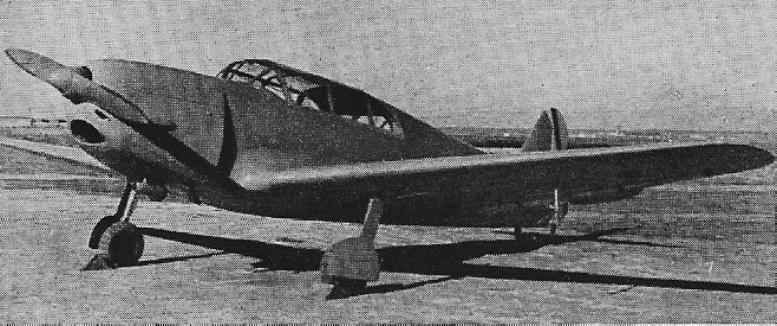
The HM.7 was originally designed by the Instituto Nacional de Tecnica Aeronautica (I.N.T.A.) and was first produced in 1946.
The HM.7 is a four-seat touring monoplane powered by a 240 hp Argus As 10c engine with wing and tail assemblies of wood, the fuselage of welded steel tube with fabric covering. The enclosed cabin seats four with automobile type doors. Full blind flying equipment was fitted.
No production of the HM.7 was undertaken owing to the lack of a suitable nationally designed engine.
Engine: 240 hp Argus As 10c
Wingspan: 33 ft 5.5 in
Length: 25 ft 9 in
Height: 7 ft
Empty weight: 1540 lb
Loaded weight: 2640 lb
Max speed: 162 mph
Cruise: 118 mph
AISA HM.5
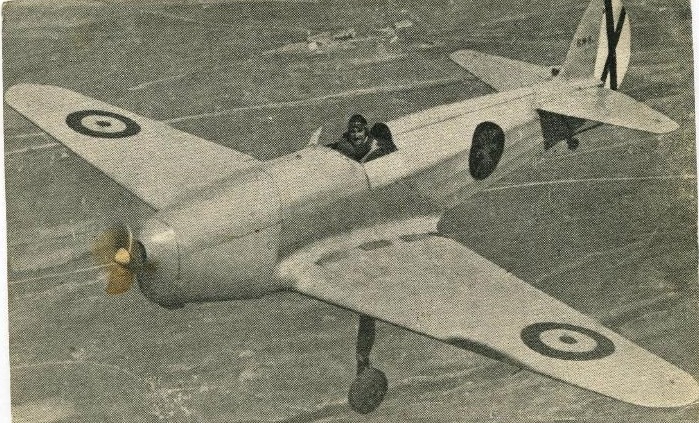
The HM-5 derivative of the Huarte-Mendicoa family of light aircraft took the air in 1943. This aerobatic single-seat monoplane was basically a scaled-down version of the HM-1 powered by the very same engine, adapted for inverted flight. With the HM’s handling horrors untouched, less wing area and the same engine (160hp Hirth 506), only two were produced.
In 1950 José L. Aresti was designated to take part at the Fête Aérienne de Villacoublay aerobatic contest with one of these, however, in the end and he was called back.
AISA HM.3
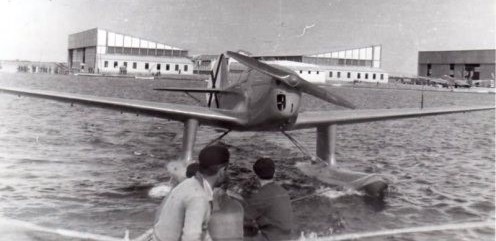
In essence a floatplane variant of the HM.1. The two HM.3’s built were tested at the end of the 1940s. Certain problems soon appeared, mainly questionable float design and lack of power. The Spanish AF didn’t show any further interest in them and that was the end of it.
AISA HM-2
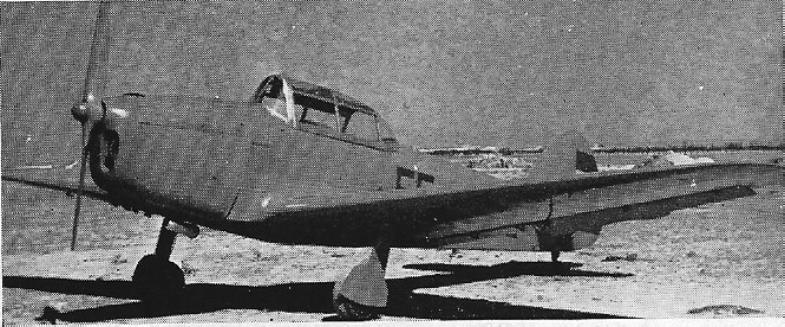
The HM-2 tandem two-seat cabin monoplane was designed by the Instituto Nacional de Tecnica Aeronautica (I.N.T.A.) and the prototype, built and flown by Aeronautica Industrial sa in 1945, was powered by a Hirth HM.506 engine.
Subsequent aircraft differ from the prototype in having a cut-down rear fuselage and the nationally-designed 150 hp E.N.M.A. Tigre G-IVB engine.
The HM-2 features retractable main undercarriage and wing and tail assemblies of wood, the fuselage of welded steel tube with fabric covering.
Engine: Hirth HM.506
Wingspan: 31 ft 8 in
Length: 25 ft
Empty weight: 1474 lb
Loaded weight: 1980 lb
Max speed: 156.5 mph
Cruise: 140 mph

