Antonov Helicoplane        

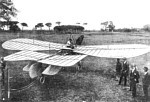
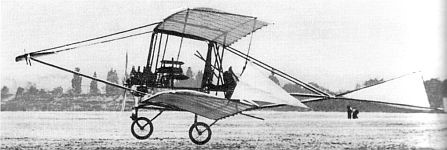
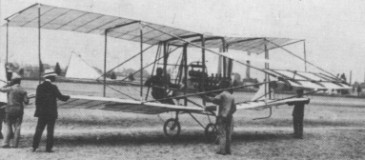
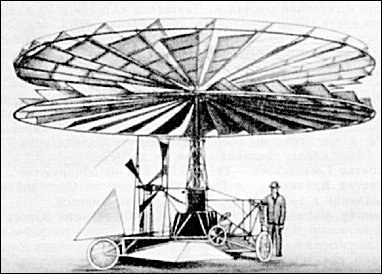
Built by the Russian military engineer K. A. Antonov [К. А. Антонов], in development at St. Petersburg from 1907-1911. The essence of the machine was that it rose vertically by the use of the counter-rotating rotors and after gaining enough height it was flown horizontally by the propeller. In 1907 military engineer K.A.Antonov applied for, and in 1912 obtained a patent for his Helicoplane.

The whole system was driven by one 25 hp engine, so a complex system of cogwheels and rods was probably necessary to work the rotors and propeller. As the Helicoplane – according to reports – did not fly, it may be presumed that it was too heavy. As he was a military engineer it can be assumed that there was some form of financial backing or other help received from the Russian government.

The helicoplane was built and tested in St.Petersburg during 1910. Despite all systems working as expected, the Helicoplane failed to takeoff.

Antonov was otherwise prominent in Russian aviation as he participated in the design and building of the 6,900 m³ dirigible “Krechet” in 1910.
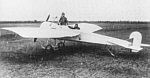
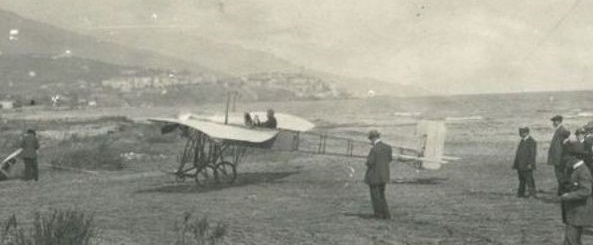
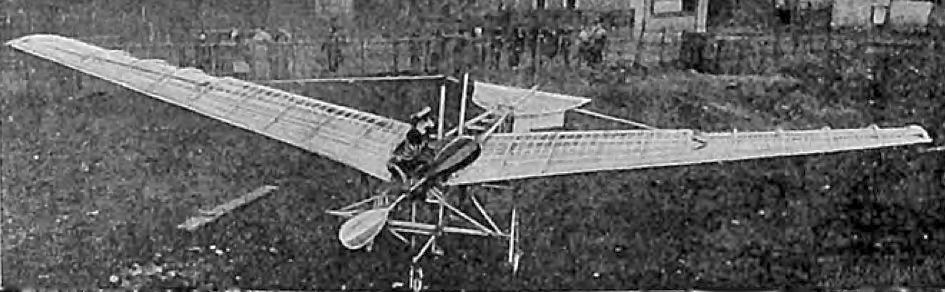
Antoinette Monobloc / Blindé / Latham       

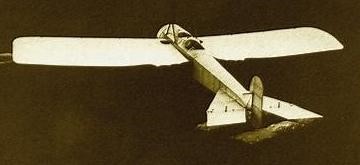
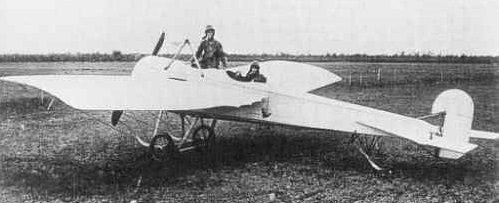
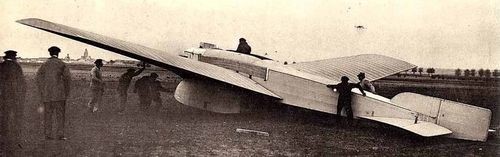
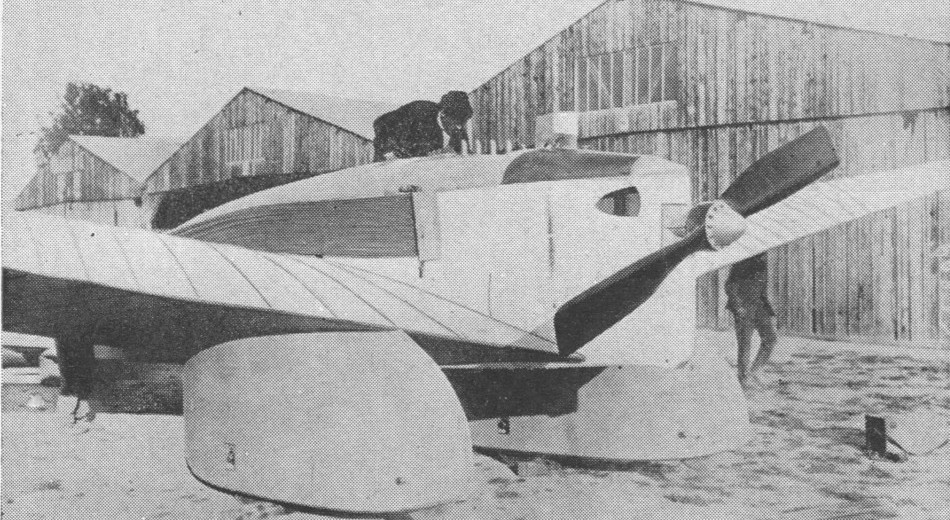
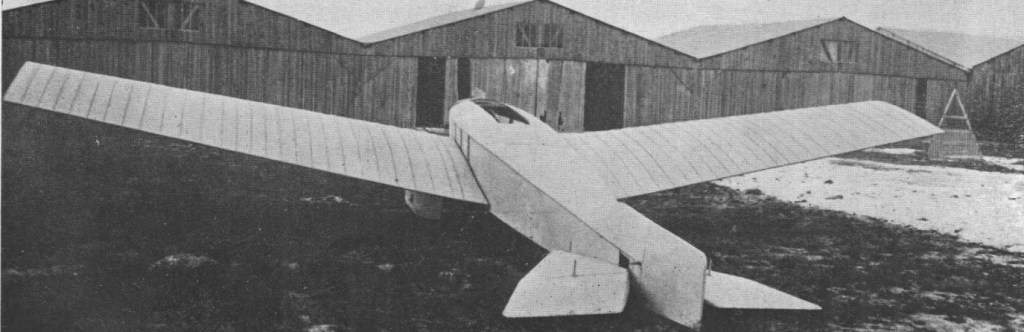
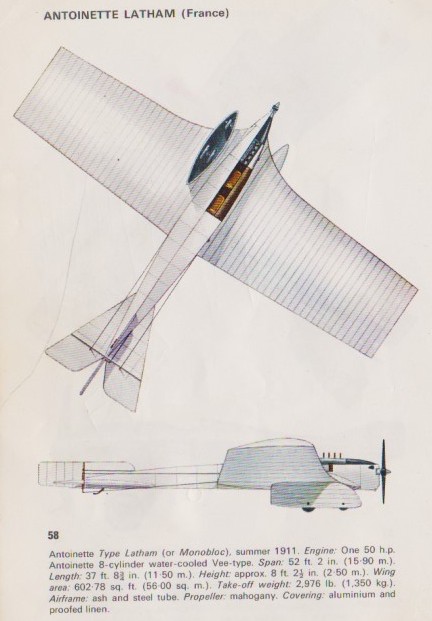
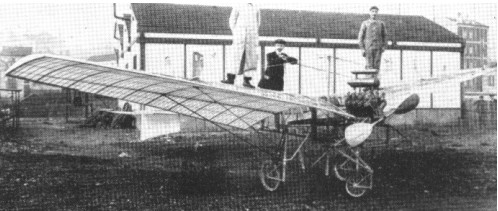
The Antoinette Monobloc of 1911 was the last design of the soon liquidated, and then-named firm “Antoinette Aéroplan-Ateliers”. Powered by a 50-60 hp Antoinette engine, the Leon Levavasseur-designed machine, aka the Antoinette Blindé, aka the Antoinette Latham, never left the ground.

One of the first streamlined aircraft, it had a cantilever wing, without any external bracing, a spatted four wheel main undercarriage, and was extensively armoured for protection from ground fire. It was too heavy to fly more than a few yards.

Antoinette III / Ferber Biplane No.IX

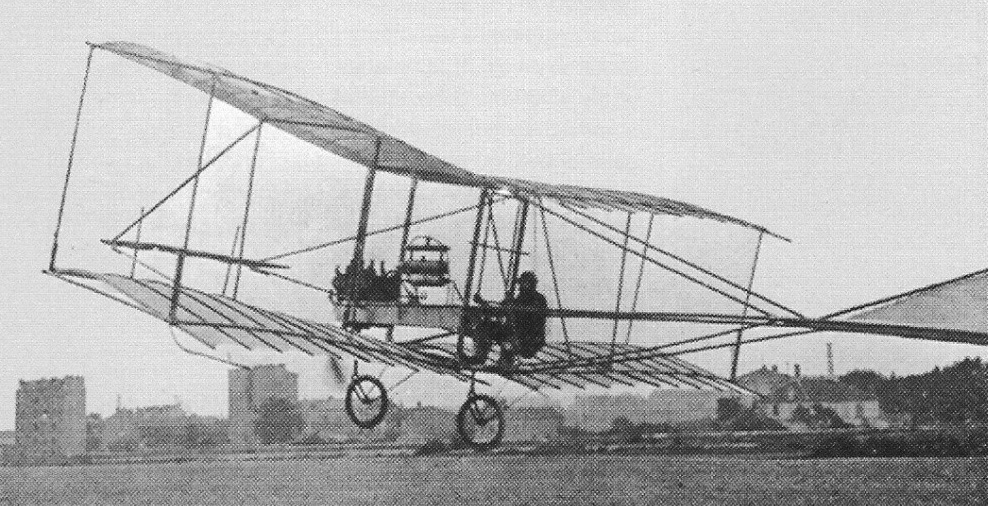
Aeroplane of bamboo construction was incremental improvements to the Gastambide-Mengin II, by French Army Capitaine Ferdinand Ferber also known as the Antoinette III, and powered by an Antoinette motor of 50 hp. On September 22, 1909 at Boulogne, while preparing for a cross-channel attempt, Capitaine Ferber, b.1862, was killed on this machine when after a half-hour flight it overturned when it struck a mound during its landing.

It has two identical wings, one on top of the other.

Ferber No.IX at Issy-les-Moulineaux 25 July 1908

Ferber IX
Span: 34’6″
Length: 31’2″

Antoinette I / Antoinette II / Gastambide-Mengin II / Levasseur Gastambide-Mengin

The Antoinette I was very similar to the Antoinette II, but No. II with ailerons and also carried the first passenger.

First flown in February 1908, the Antoinette II was also known as the Gastambide-Mengin II.

Characterized by its tricycle undercarriage and low-mounted rudder, this monoplane was designed and built by Léon Levavasseur and fitted with a 50-hp Antoinette V-8 engine.

The relatively successful machine made at least seven flights and went through several different design iterations.

The Gastambide-Mengin led to the later Antoinette.

Span: 34’5″
Weight: 772 lb

Antoinette 8V

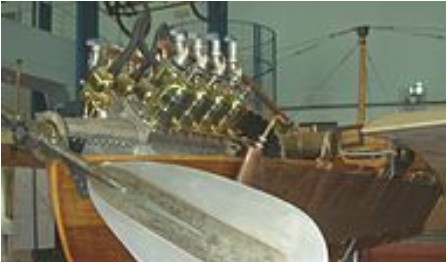
Antoinette VII aircraft, showing Antoinette V8 engine

The Antoinette 8V was an early French eight-cylinder, liquid-cooled, V engine, the first gasoline-fueled, spark plug ignition engine of any kind produced with fuel injection in quantity. It was typically rated at (60+ hp). First produced in 1907 it was used on a number of early French aircraft.

Antoinette 8V
Type: 8-cylinder liquid-cooled V engine
Bore: 110 mm (4.33 in)
Stroke: 105 mm (4.13 in)
Displacement: 8.0 L (487 cu in)
Length: 1,120 mm (44 in)
Width: 630 mm (25 in)
Height: 540 mm (21 in)
Dry weight: 95 kg (209 lb)
Fuel system: direct injection
Cooling system: Liquid-cooled
Power output: 50 kW (67 hp) at 1,100 RPM
Power-to-weight ratio: 0.7 kW/kg (0.32 hp/lb)