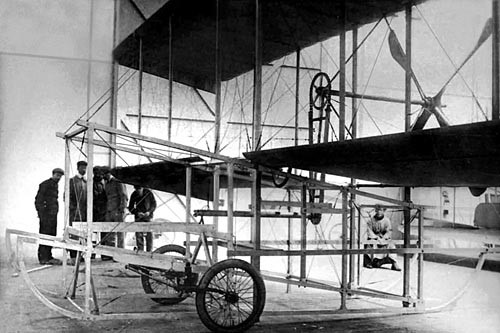
Arnoux’s first biplane, built in 1909, was devoid of sweep or dihedral.
Arnoux’s first biplane, built in 1909, was devoid of sweep or dihedral.
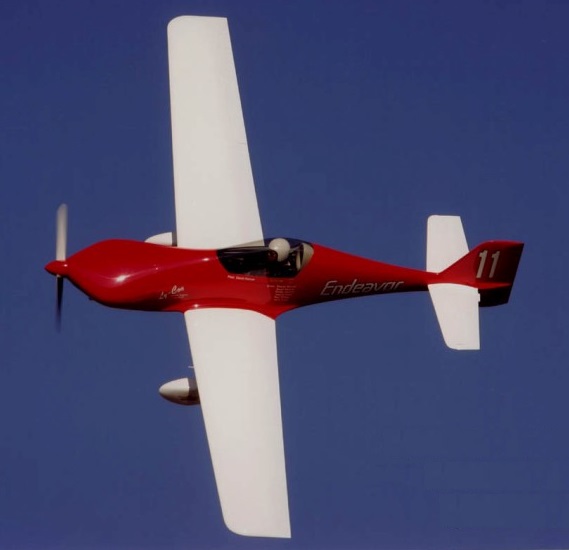
Designed by Mike Arnold, the AR-6 was built David Hoover, Mike Arnold (fuselage plug), Craig Catto (wings), Robby Grove (landing gear), and Steve Hill (carbon fiber prop).
First flown in March 2005, it was raced by David Hoover at the Reno National Air Races in the Formula 1 class from 2005 to 2007, finishing first in the Gold race in 2007.
It was then owned by Steve Senegal of San Bruno, California. In 2008, Steve piloted the AR-6 to victory in the Gold race and won again in 2010
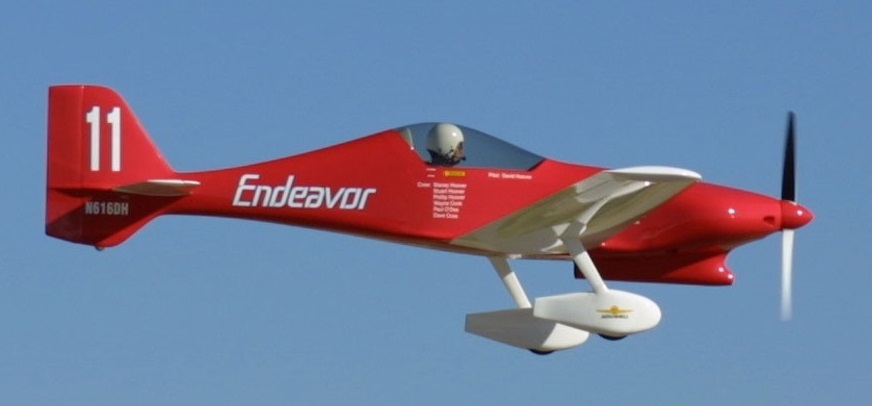
In 2012, Steve set a new race-lap record of 260 mph, and won the Gold race. In 2014, he set a new qualifying lap record of more than 267 mph and won the Gold race in the Formula 1 class.
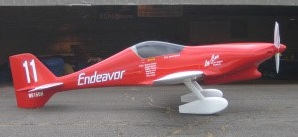
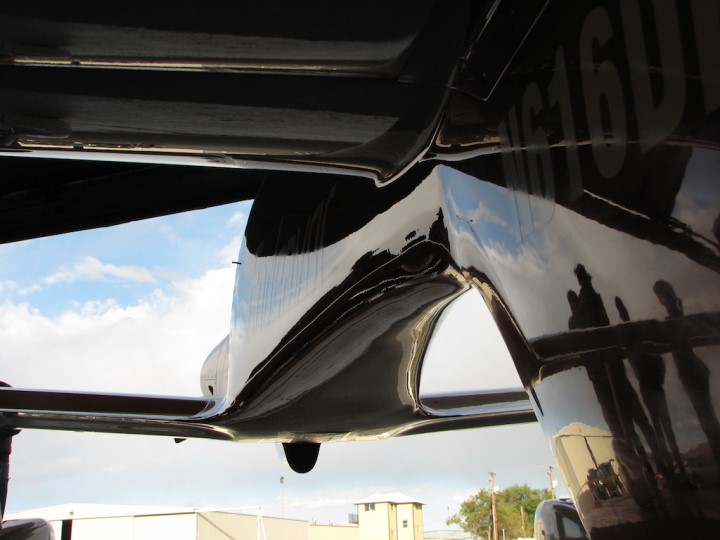
On September 18, 2016, about 1118 Pacific daylight time, the Hoover Arnold AR-6, N616DH, struck Reberry 3M1C1R, N913FT, during the takeoff roll at the Reno-Stead Airport (RTS), Reno, Nevada. The AR-6 was registered to the pilot and operated as Race 11. The 3M1C1R was registered to Hot Stuff Air Racing LLC., Kissimmee, Florida, and was operated as Race 1.
The pilot of Race 11 reported that he was in the back row of the Formula 1 staggered start sequence on runway 8. Once he saw the green flag for start, he initiated takeoff and observed both airplanes to the left and right of him accelerating faster than he did. As the tail of the airplane came up, the pilot observed Race 1 stationary on the runway and he attempted to swerve out of the way and get the airplane airborne. Subsequently, Race 11 impacted Race 1.
The pilot of Race 1 reported that he was in the number four position, which was located in the middle row, inside position. He stated that when running the engine up in anticipation of the start, about 20 seconds before the green flag drop, the engine was not running well enough for flight and he made the decision to shut the engine down to signal the starters to halt the starting process. The pilot recalled that a flagman on his row put his hands in an ‘X’ over his head and he decided to open his canopy to make it clear he was out of the race and so everyone could see him. The pilot further reported that an alternate airplane was signaled to taxi on to the runway to replace his entry and that he felt confident the communications had reached the appropriate people as he waited for personnel to push his airplane off the runway. The pilot stated that shortly after, he saw the flagman run out on to the runway waving his hands over his head as if something was wrong and observed the airplane to his right start his takeoff roll. A few seconds later, Race 6 and Race 8 passed by him on either side, and subsequently, he was impacted from behind.
Examination of Race 1 revealed that the upper portion of the rudder and vertical stabilizer were separated. Multiple propeller slash marks were observed on the right wing, which was partially separated. Examination of Race 11 revealed that the left wing was structurally damaged, and the left main landing gear structure was compressed upward through the wing structure.
Onboard video from Race 1, revealed that the camera was mounted in the forward area of the cockpit, providing video of the pilot, and surrounding runway environment, including the third row of airplanes and flaggers adjacent to the third row. About 4 seconds from the start of the video, the engine was heard running erratically. At 11 seconds, the pilot was observed looking to his right and began shutting down the engine along with starting to open the canopy 2 seconds later. Between 16 and 17 seconds, the canopy was opened. At the same time, a flagger was observed on the ramp side of the runway, dropping a white flag, signaling the start of the race to the third row. At 25 to 26 seconds, airplanes were observed passing on both the left and right side of his position, followed by the left wing and landing gear of Race 11 colliding with the empennage and right wing of Race 1 about a second later. It was noted that during the 10 seconds from the canopy opening to the time of the collision, Race 11 was observed drifting slightly left during the takeoff roll.
Accident Number: WPR16LA185A
Hoover AR-6
Engine: Continental O-200
Prop: Carbon fiber, 54- by 68-inch pitch
Wingspan: 24 feet, 4 inches
Empty Weight: 600 pounds
Fuel Capacity: 5.4 gallons
Top Speed: 310 mph at 3,000 feet MSL
Final Approach Speed: 90 mph
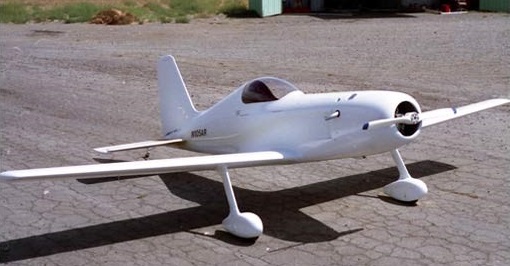
Mike Arnold’s AR-5 has inspired a generation of aerospace engineers by being the first powered aircraft with a flat plate drag of less than 1 square foot. The AR-5 had smashed the ‘impossible’ mark with a flat plate drag area equivalent to just 0.88 square feet.
The AR-5 was foam shaped, sanded, glassed, then sanded construction.
In 1992, the AR-5 set a c-1a/0 record of 213mph on 65HP.
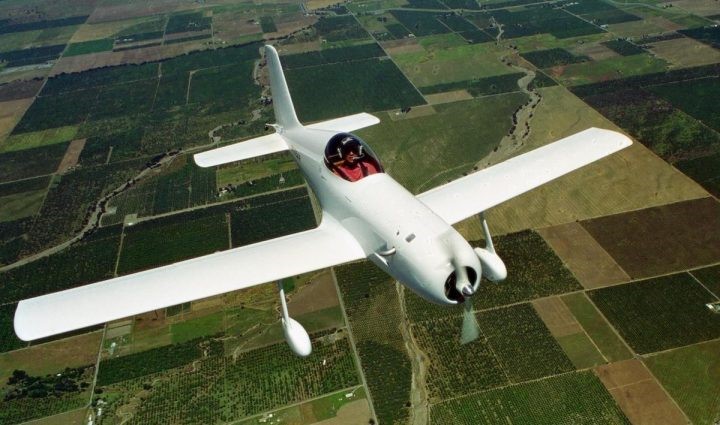
When he was ready, Arnold shared his ‘mystery ship’ with a number of pilots from leading aviation magazines. They all agreed that the little speedster was also a sweet-handling machine, with beautifully harmonised controls and plenty of room for the pilot.
Arnold had originally planned to sell plans for the AR-5 but, while he was satisfied with the design, he decided to wait and see how the gathering storm of product liability suits would play out.
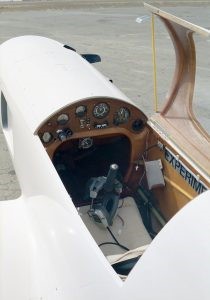
Instead, Arnold fell back on his first craft, producing a series of movies about his plane and selling video copies to homebuilders and aviation enthusiasts. The full set of films is:
There is no CGI or even a pretty diagram in any of them. Each documentary offers an engaging story as well as plenty of information.
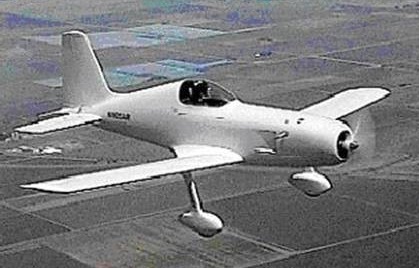
Arnold had an engine failure (broke something internal) and the AR5 had a forced landing. The plane came to a stop with the gear legs bent aft and the airplane was sitting nose down on the cowling. That wrecked the main gear and smacked the engine and firewall on the ground. In the case of other pilot-builders, some have decided to retire the bird rather than risk an in-flight structural failure.
According to his video a soldered connection in the throttle linkage gave way and that was the reason for the engine failure. According to the video the gear mounts were undamaged and the engine mount bent absorbing the impact (no damage to primary structure that he had found). As of the recording date of the video he was planning on returning it to flight, but hadn’t finished or maybe hadn’t even started yet. It was retired.
The AR-5 is currently on permanent display at the Hiller Aviation Museum in San Carlos, California.
AR-5
Engine: 65hp Rotax 582
Span: 21 ft 0 in
Wing area: 56.2sq.ft.
Length: 14.5′
Height: 36″
Empty weight: 488 lb
Seats: 1
Fuselage width: 23″
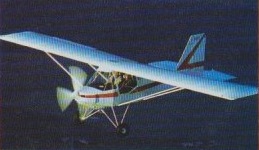
The J300 has a welded steel tube construction for the fuselage and dural foam laminate for the wings. In 1998 the constructor was offering a kit complete with two-stroke engine, at less than 100,000F.
Engine: Rotax 912, 79 hp
Wing span: 10.20 m
Wing area: 19 sq.m
MAUW: 450 kg
Empty weight: 174 kg
Fuel capacity: 2 x 63 lt
Max speed: 205 kph
Cruise speed: 140 kph
Minimum speed: 60 kph
Climb rate: 5 m/s
Fuel consumption: 8.90 lt/hr
Seats: 2
Price (1998): 240,000 Fhc
Kit price (1998): 79,000 Fhc
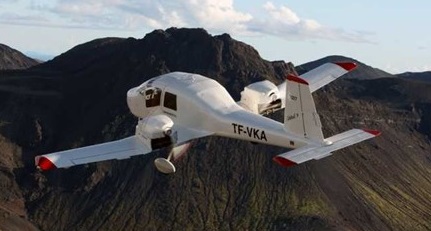
All metal 3 seat light twin designed by Kristjan Arnason of Reykjavik, Iceland.
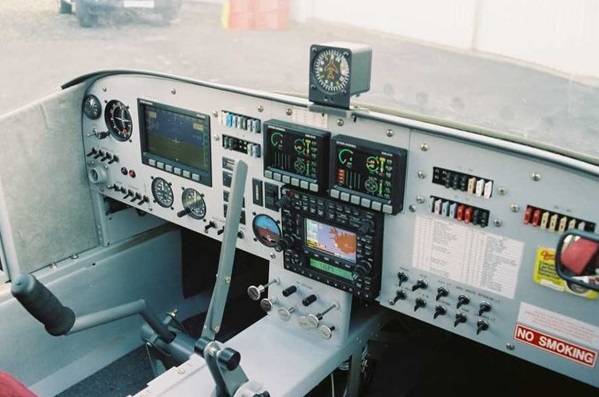
Avionics include Garmin 430 WAAS with world wide database. EFIS Dynon D-100 and engine instruments on two Dynon D-10. Two independent electrical systems and all switches double throw, so that power for each item can be taken from left or right electrical system. Switch is provided to interconnect the batteries for engine starting.
Registered TF-VKA, the Global 3 first flew on June 6, 2008.
Building plans include 59 A1 drawings (33×23 in) and were available for $990 including shipping.

Engine: 2 x Jabiru 2200
Prop: 2 x Sensenich
Cruising speed: 115 knots
Rate of climb: 1100 fpm
Service ceiling: 15,000 ft
Max. gross weight: 1770 lbs
Range: 800 nautical miles 45 min. res

This single-seat amphibian/flying boat N69966 was designed and built by Mr. Fred N. Arnoldi (hence Frenard) and several colleagues of the Curtiss-Wright company. The aircraft was intended as flying scale for a planned (unbuilt) 4-seat aircraft and it was completed in 1948/1949 and then powered by a 50hp Continental A50.
Many years later (in the 1970s) the aircraft was advertised for sale as the Bohmer Canard and it had been re-engined with a 65hp Continental A65.
The aircraft is still on the FAA register as the Frenard Experimental. The Duck was claimed to be easy to convert for land or water use and the wing floats and landing gear were removable.

A monoplane design of Léopold Arnal, who patented some features of the design in Belgium, pertaining to the landing gear and a sort of starting ‘hook’ which made the rows of personnel holding the machine when the engine was running superfluous. The pilot could handle this hook from the cockpit. It was built in October 1910 at Cateau (Belgium). Tests were made on 9 October and 21 November 1910 which ended in (small) crashes. In January 1911 “Le Mistral” was exhibited at the Brussels Aero Show.
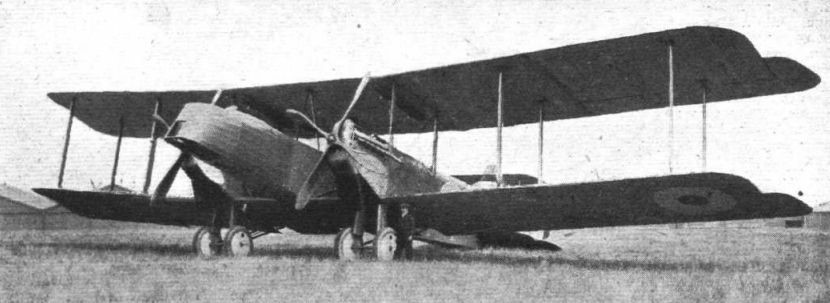
The Sinaia was the third and last aircraft design produced by the team led by John Lloyd and F.M.Green at Siddeley-Deasy before they were rebadged by merger as the Sir W. G. Armstrong Aircraft Company. By the time it flew on 25 June 1921 this change had taken effect. It was designed to meet an Air Ministry requirement for a day bomber.
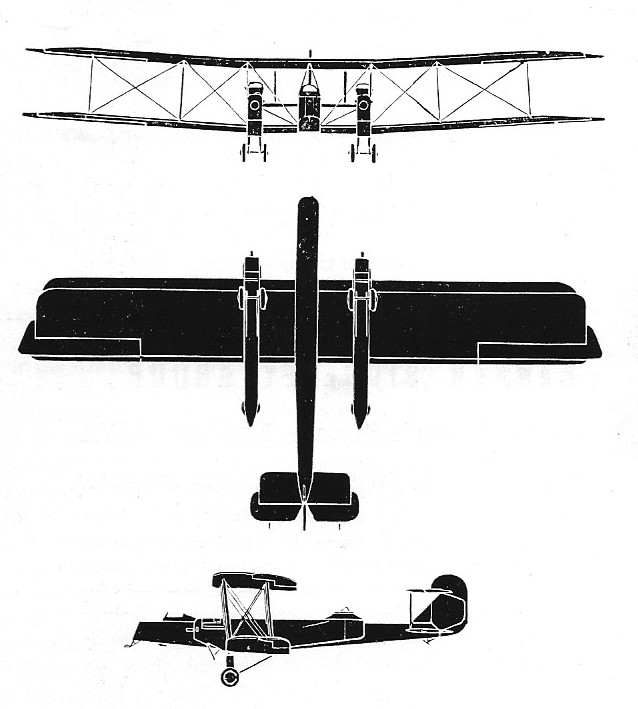
A large twin-engined biplane, its engines were in nacelles mounted on the top of the lower wings and these nacelles were extended rearwards and upwards. Each extension housed a gunner’s cockpit at its extremity, fitted with a gun ring. From these positions the gunners would have been able to defend both sides of the bomber independently.
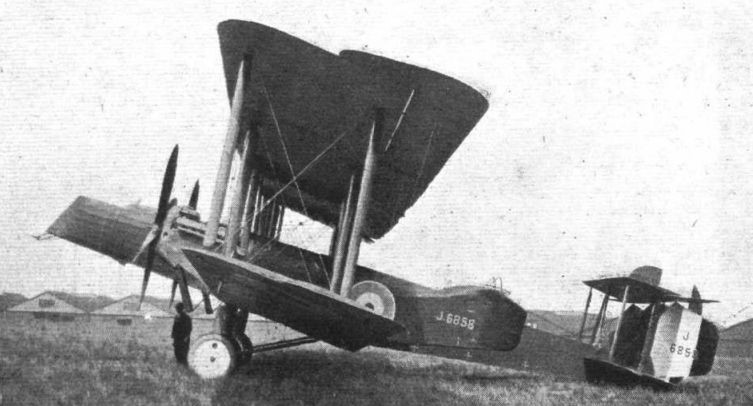
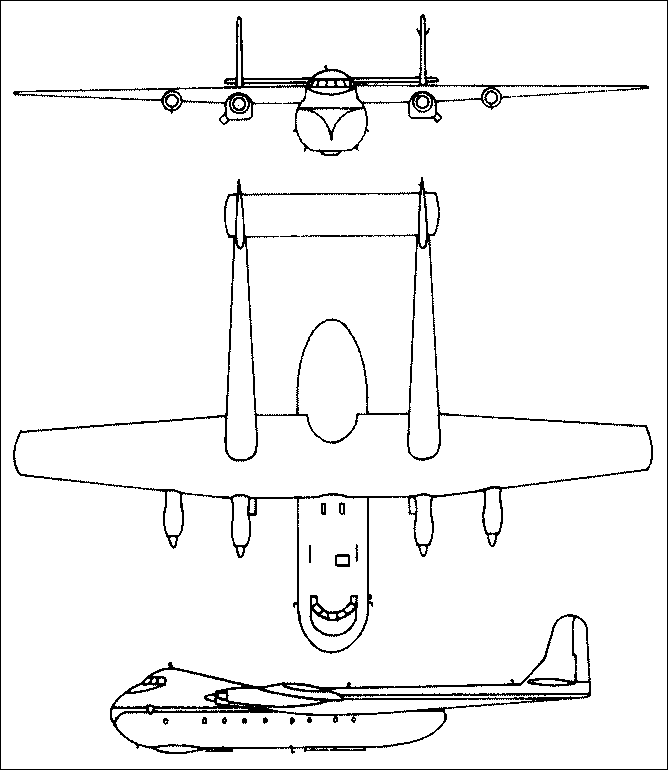
The Sinaia was a three bay (with struts to the upper wings from the engine nacelles) biplane. The wings carried no stagger and were of equal span, though the lower wing was narrower. There were horn balanced ailerons on all wings. The empennage was of biplane configuration with a balanced elevator on the upper plane and containing three balanced rudders. The square section fuselage placed the pilot’s cockpit well forward of the engines and a third gunner’s position in the extreme, slanted nose. A two-wheeled main undercarriage unit was mounted under each engine.
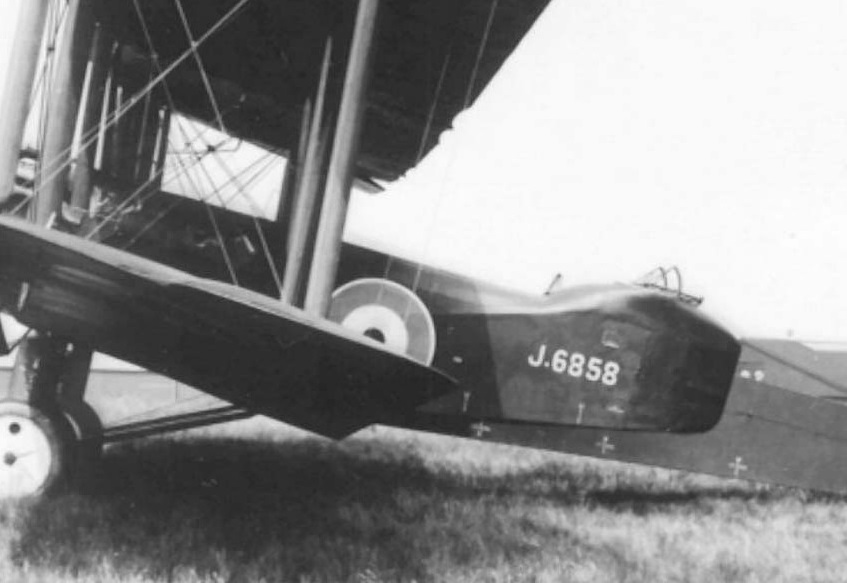
The Sinaia was powered by two 500 hp Siddeley Tiger water-cooled engines, a new V-12 design produced by combining two straight-6 Siddeley Pumas onto a single crankshaft. This little-tested powerplant proved unreliable and frequent problems with it interrupted the flight trials of the Sinaia.
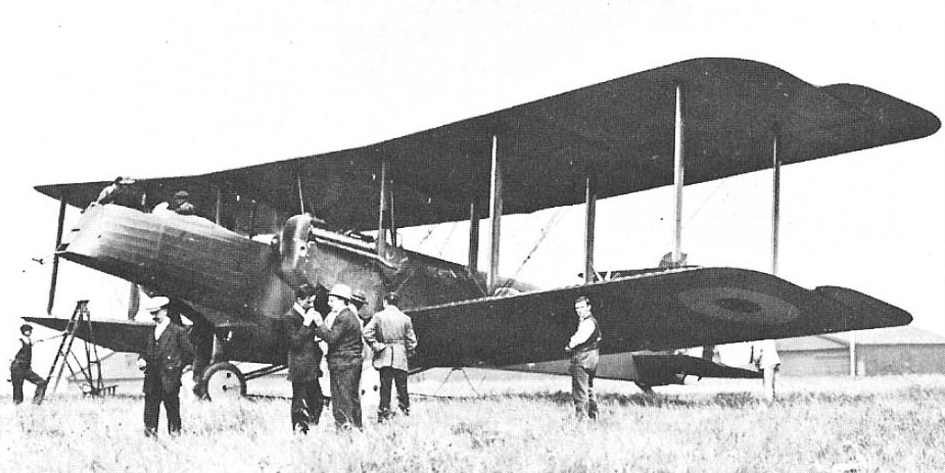
Two examples were ordered by the Air Ministry but only one, J6858, was completed. By October 1921 the airframe was showing signs of structural problems and the only Sinaia ever built was taken out of use.
Type 103 Sinaia
Powerplant: 2 × Siddeley Tiger V-12, 500 hp (370 kW) each
Wingspan: 86 ft 10 in (26.47 m)
Wing area: 1,823 sq.ft (169.4 sq.m)
Gross weight: 16,000 lb (7,260 kg)
Crew: 4
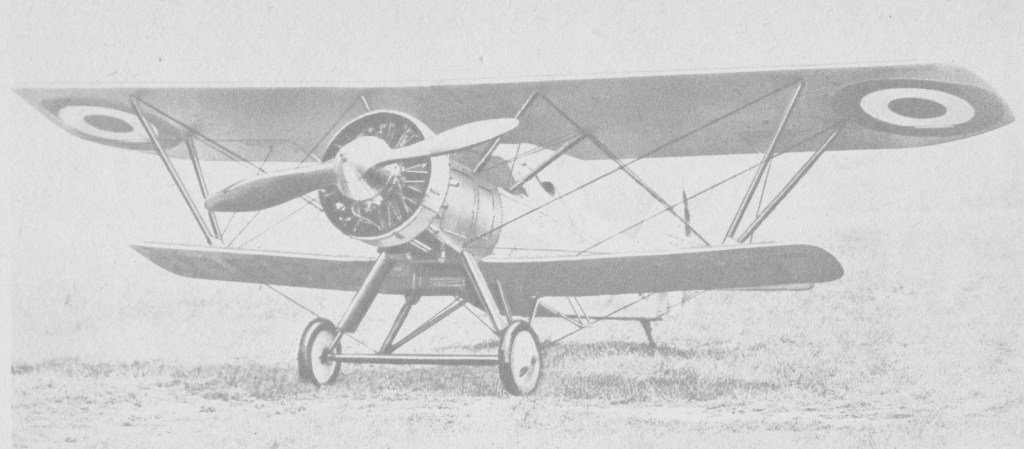
The prototype Liskin aircraft, the first to be entirely designed and constructed by the Company, was begun in 1919 and was built of wood and canvas.
It first flew from the old Radford Aerodrome at Coventry in 1920 and was shown to the public at the first R.A.F. Hendon display in that year.
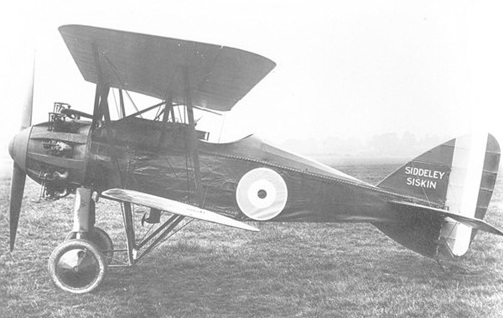
Fitted with an A.B.C. Dragonfly air cooled engine, this prototype was the forerunner of a series of aircraft with graduated improvements in engines and general construction.
Engine: A.B.C. Dragonfly, 320 hp
Span: 27 ft 6 in
Wing Area: 247 sq.ft
Fully loaded weight: 2,181 lb
Registration: C 4541
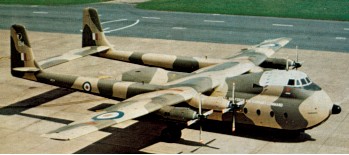
Designed by Armstrong Whitworth later incorporated into Hawker Siddeley Group, the first prototype flew on January 8, 1959.
In order to shorten development time, Armstrong Whitworth put in hand a batch of ten of their Argosy Freighters, without waiting for firm orders. The second of these flew on 8 January 1959. Orders were received from Riddle Airlines and for a military version by RAF Transport Command.
Armstrong Whitworth AW.650 Argosy Article
The private venture Argosy completed flight trials during 1960. The first operators were to be Trans-Arabia Airlines and Riddle Airlines.
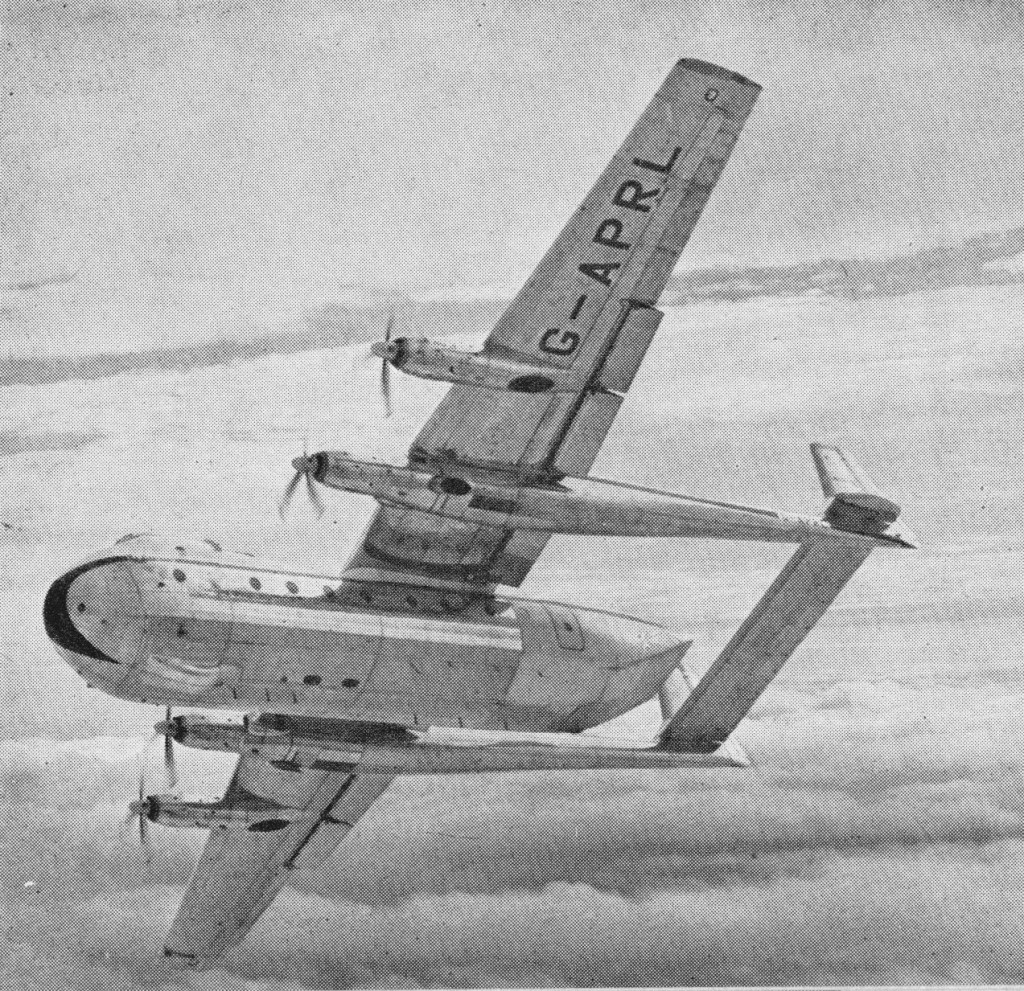
The series 100 led to the military Armstrong-Whitworth (later WhitworthGloster and Hawker-Siddeley) AW660 Argosy derived from the civil AW650, major design changes involving a “beaver tail” for air para-dropping, fixed nose doors, heavier and strengthened floor, Smith’s military flight system, Ekco weather radar-the scanner housing providing the characteristic bump on the nose and other internal equipment changes. Twenty aircraft (XN814-821, XN847-858) were ordered in January 1959 to replace the last of the Valettas, and a manufacturer’s prototype, G-APRL, was first flown on July 28, 1960, with some of the military modifications including the beaver tail doors. Follow-on production orders were placed for a further 36 aircraft (XP408-413, XP437-450, XR105-109, XR133-143), while the first RAF Argosy C1 (XN814) was flown for the first time on March 4, 1961. Together with the second aircraft it soon passed to the A&AEE at Boscombe Down for service trials prior to entry into service.
The variety of roles adopted by the Argosy are very wide-it can carry 54 fully-equipped paratroops (with two despatchers and one additional loadmaster); or two Ferret scout cars/ Land Rovers plus 20 troops in the air-transport role; or 64 passengers (with two air quartermasters); or 48 stretcher patients (with four attendants and two AQMs) for casevac. As a tactical support aircraft it can deliver nine x one ton containers or two medium-stressed platforms (12 0001b each). In the photographic role F-117B cameras can be installed, and for air-sea rescue Lindholme containers and flares are carried.
In the mid-1960s the first four operational squadrons (105, 114, 215 and 267) were active in the Far East, Gulf and European theatres.
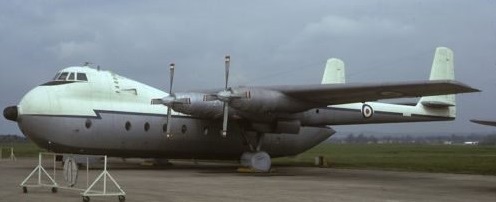
An early attempt to offset the problems of short range was tried with XN819 early in 1962 when in-flight refuelling equipment was fitted. However, after trials at the A&AEE Boscombe Down, it was decided not to proceed with the modification programme.
In the internal-security fit in 1963 XN814 was modified to accommodate external bomb racks (for 14 bombs) on each side of the lower fuselage; the nose window was equipped as a bomb aimer’s position. After successful trials with the “Argi-bomber” the aircraft used in Aden and the Far East were given this modification. There is no evidence that they were operationally used in this offensive role.
The C and E Mk.1 aircraft had higher gross weights and more powerful engines than the 222. Fifty six were used by the RAF.
With the delivery to the RAF of the Hercules it was announced in 1968 that the Argosy would be withdrawn from tactical transport duties by 1970. However the fuel tank corrosion problems encountered by the Hercules and the subsequent withdrawal of aircraft for modification meant that this target date could not be reached.
The 660 had the ‘Shackleton Wing’ and had ‘clam-shell’ doors at the rear of the fuselage to allow air-dropping of stores. Unlike the civil 650, the nose was fixed. The early versions of the civil AW 650 also had the ‘safe life’ Shackleton wing. It was main spar failure that curtailed the fatigue life of the AW 650/660 aircraft. However later versions known as AW 650 200 were manufactured with a ‘fail safe’ wing of much more modern structural philosophy. The series 200 can be recognised as it is fitted with large wing fences.
The 222 model was designed to the specifications of British European Airways, and began service in 1965. The 200 Series featured a redesigned box-spar increasing the MAUW and fuel capacity. Only 17 civilian Argoseys were built.
Argosy series 100
Engines: 4 x Rolls-Royce Dart 526 turbo-prop, 1506kW
Take-off weight: 39916 kg / 88000 lb
Empty weight: 20865 kg / 46000 lb
Max payload: 28,000 lbs.
Wingspan: 35.05 m / 114 ft 12 in
Length: 26.44 m / 86 ft 9 in
Height: 8.23 m / 27 ft 0 in
Wing area: 15.45 sq.m / 166.30 sq ft
Cruise speed: 451 km/h / 280 mph
Ceiling: 6100 m / 20000 ft
Range: 3219 km / 2000 miles
Crew: 2-3
Passengers: 84
AW650-222
Cruise: 240 kts.
No built: 7.
Max payload: 31,000 lbs.
MAUW: 93,000 lbs.
Max range: 1600 nm.
Approach speed: 108 kts.
Hawker Siddeley / Armstrong Whitworth AW 650 Argosy C
Heavy transport aircraft, United Kingdom, 1961
Length: 89.173 ft / 27.18 m
Wingspan : 114.993 ft / 35.05 m
Max take off weight : 103017.6 lb / 46720.0 kg
Max. speed : 233 kts / 431 km/h
Service ceiling : 20013 ft / 6100 m
Range : 300 nm / 555 km
Engine : 4 x RollsRoyce Dart RDa 8 Mk 101, 2680 shp
Crew : 3+69
Argosy C1
Engines: 4 x Rolls-Royce Dart RDa8 Mk102 turboprops, 2210 shp (dry) or 2470 shp (with water-methanol injection).
MAUW: 97 000 lb.
Cruise: 220kt @ 10000-20000ft.
Max payload / range: 24600 lb over 180 nm.
Max range/payload: 1700nm with 3500 lb.
Radius of action/payload: 750nm with 5000 lb.