At Exeter Airport, during 1948-1950, a series of four-seat lightplanes were constructed: Series 1 CH.3 Ace, Series 2 CH.3 Super Ace, and Series 4 CH.3 Skyjeep. The first of these high-wing cabin monoplanes was flown in August 1946, but high operating costs and unacceptable control system affected sales of the Ace and Super Ace.
The prototype CH.3 Series 1, was fitted with a 125 hp Lycoming engine, a single fin and rudder, and a wooden wing.
Production versions, the CH.3 Series II, was all-metal and fitted with a 145 hp DH Gipsy Major 10 engine. It also has the twin fin and rudder assembly later fitted to the prototype.
The CH.3 Series III had a tailwheel landing gear.
The Series IV version of the Series III had a hinged rear fuselage deck.
By August 1959 the tail wheel undercarriage CH.3 Srs. 4 Skyjeep VH-RCD four-seater had a deepened rear fuselage.
Engine: 1 x Gypsy Major Mk.10, 145 hp Wingspan: 36 ft Length: 21 ft 6 in Empty weight: 1344 lb Loaded weight: 2350 lb Max speed: 126 mph Cruise: 110 mph Stall: 38 mph Range: 400 mi Seats: 4
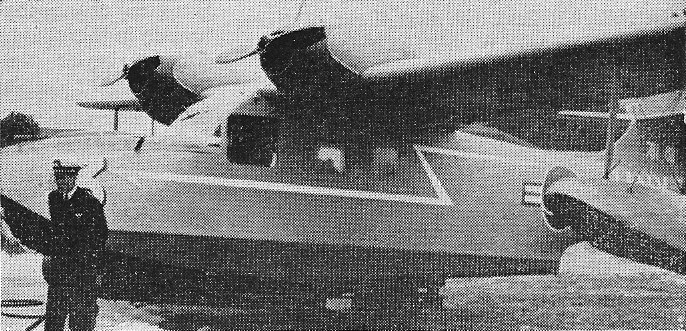
Constructed at the Republic of Korea Chinhae Naval Shipyard in 1957, the then un-named flying boat was of mixed metal and wood construction. Power was two 213 hp Continental 0-470-11 engines.
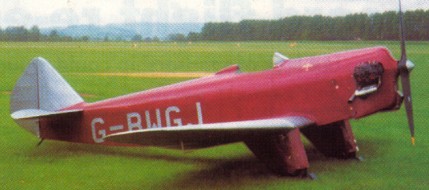
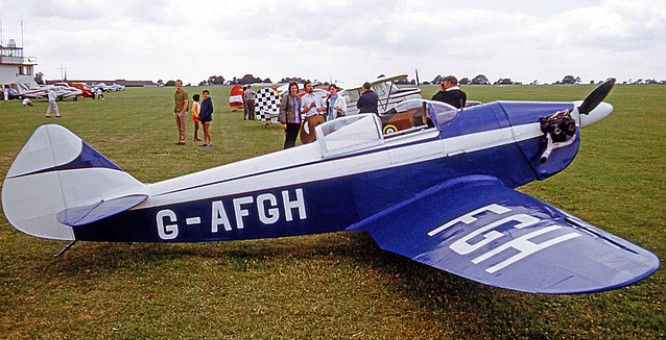
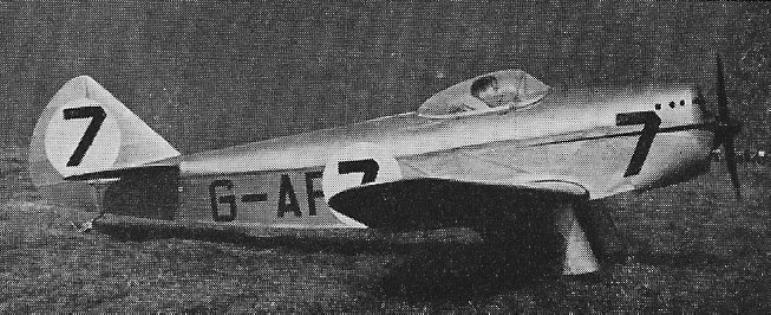
A single-seat light aircraft designed by Hon Andrew W. H. Dalrymple and A. R. Ward. A low wing open-cockpit wooden monoplane with fixed “trousered” landing gear and Carden-Ford engine, first flown April 1937.
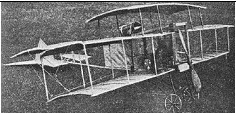
A design of Fred T. Childs of Akron, Ohio. The top wing measured 36 by 7 ft, and the lower 26 by 7 ft, the surface being 578 ft. It had two side surfaces measuring 6 by 7 ft ft, set at a dihedral angle, the idea being that these will maintain equilibrium during flight on the theory that a tip to one side or the other will cause an increased resistance on the side tipping over, with a resultant righting of the machine. The total weight of the machine, without the engine, was given as 250 lbs.
For exhibiting the machine at a county fair, a 2-cylinder, 7 hp Waterman engine was installed, but the motor intended to drive the machine was a 35 hp air-cooled, promised not to weigh more than 150 lbs including the magneto and accessories. The two 7-foot propellers were driven by cable, but it was intended to try chains and sprockets.
Ian Chichester-Miles, formerly Chief Research engineer of British Aerospace Aircraft Division at Hatfield, Hertfordshire, established Chichester-Miles Consultants (CMC) to develop a high performance light business jet.
Design of the four-seat Leopard started in January 1981 and was sufficiently advanced for a mockup to be completed in early 1982. Detail design and construction of a prototype by Designability Ltd of Dilton Marsh, Wiltshire, began in July 1982, under contract to CMC.
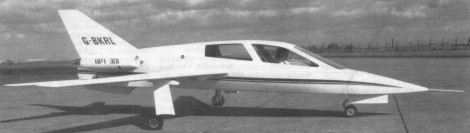
CMC Leopard cn 001
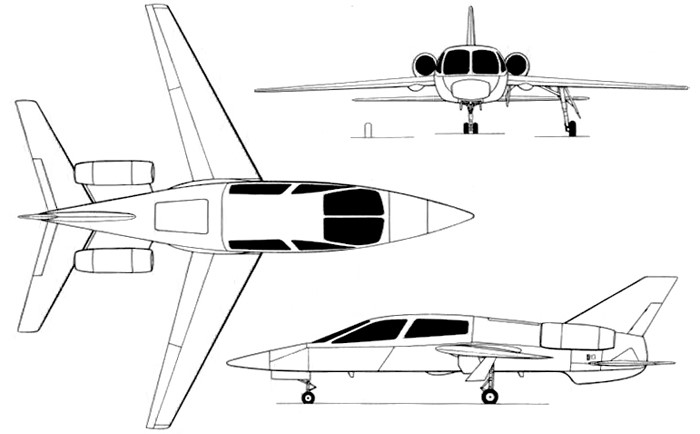
A four-seat light business jet aircraft, the wings are two-spar structure, primarily of GFRP, with some carbonfibre reinforcement. Full span electrically actuated trailing-edge flaps of carbonfibre, with deflections of +/- 45° for high drag landing and air-braking/lift dumping. No ailerons or spoilers. Thickness/chord ratio 14% at root, 11% at tip. Sweepback at quarter-chord 25°.
The Leopard airframe has an all-moving fin and tailplane and wings that combine laminar flow with supercritical technology.
Cantiler mid-wing monoplane. ARA designed wing section and 3D profiles combining laminar flow and super critical wing technology.
The fuselage is built in three sections: Unpressurised nose section accomodating avionics and nosewheel gear when retract, pressurised cabin section (production aircraft only) and unpressurised rear section providing a baggage bay, with fuel tanks below and equipment bays to rear.
Basic monocoque structure, primarily of GFRP with some carbonfibre reinforcement; fore and aft cabin bulkheads, engine and tailplane axle frames moulded in.
Pressure cabin section divided approximately along aircraft horizontal datum, with upper section formed by electrically actuated upward opening canopy hinged at windscreen leading-edge. Multiple latches around canopy lower-edge. Bonded-in acrylic side windows carry pressurisation tension. Nose opens for access to avionics.
Powered by two NPT 301 engines developing 300-350 lb thrust, this glass-fibre composite mini business jet is designed to keep pace with Learjets and Jumbos. Complete with a glass cockpit, the Leopard will carry four passengers and baggage over 1500 nm at around 500 mph at 41,000-45,000 feet.
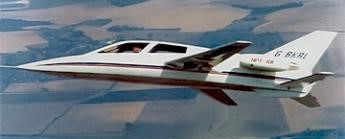
CMC Leopard cn 001
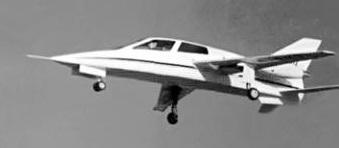
First shown statically at Farnborough in 1986, the first flight of the prototype (G-BKRL) took place on 12 December I988 at RAE Bedford, piloted by Cranfield test pilot Angus McVitie for a 27min flight.
CMC has limited the aircraft to 130kt and a maximum altitude of 3,500ft. The Leopard prototype was tested from speeds as low as 75kt with maximum 41° flap. Minimum zero-flap speed was less than 90kt. Undercarriage cycling was proved during this flight.
The prototype flying in the 1990 Farnborough display.
The converted missile NPT301 turbojet engines were intended solely for the 001, and NPT was slated to develop new engines for the final version of the aircraft. But when NPT went bankrupt, the entire Leopard project was delayed for one year until CMC teamed up with Williams International Corp., Walled Lake, Michigan.
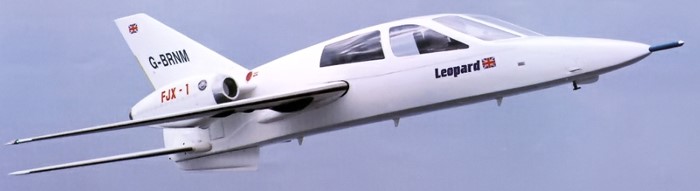
FJX-1 powered Leopard
Williams developed the FJX-1 engine for CMC’s first production-configured aircraft, the 002, built at the Designability R&D Center in Dilton Marsh, England. Rated at 680 lb-thrust, the FJX-1 had more than twice the power of the NPT301. That was okay for the 002, but it was not quite enough for the final aircraft.
Engines: 2 x Noel Penny NPT 301 turbofan, 300-350 lb. Seats: 4. Cruise: 800+ kph. Range: 2775+ km.
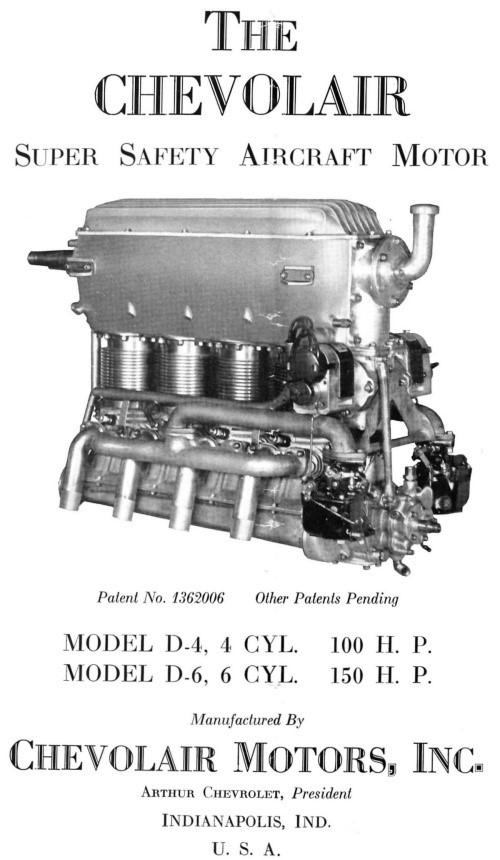
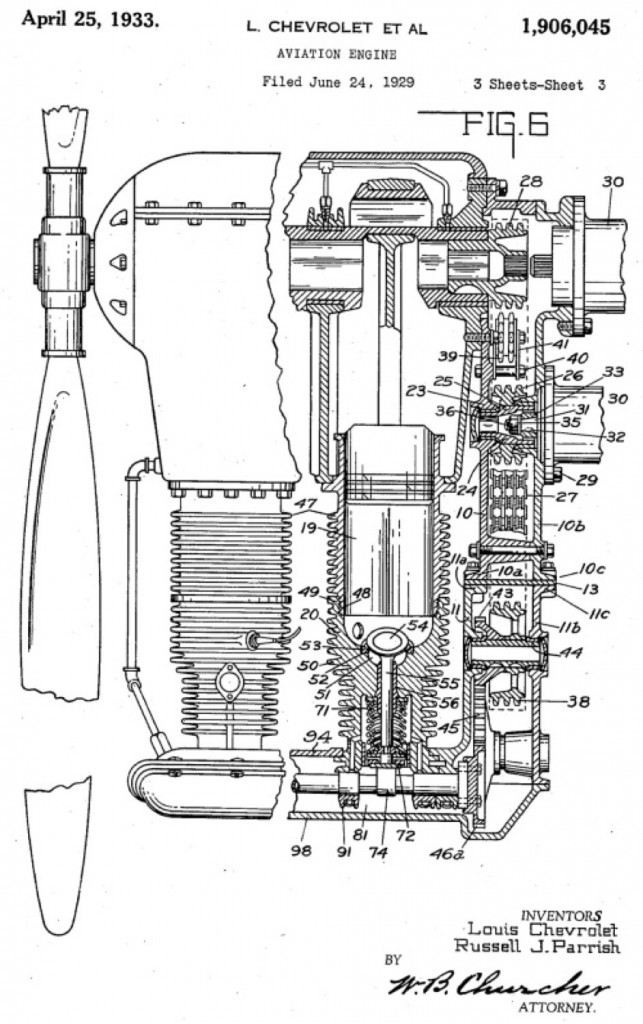
The Chevrolair was not – as is often claimed – a car engine adapted for aviation use. It was a purpose-designed aero-engine by the Chevrolet Brothers Aircraft Company. This engine was designed and Chevrolet Brothers
Around 1925 Louis Chevrolet started taking a deeper interest in aviation, attending air shows in and around the Indianapolis area. In 1926 he entered into negotiations with a group of Ohio businessmen who were looking to develop a new airplane engine. In the spring of 1927, the Chevrolet brothers completed their first aviation engine, an air-cooled, single-overhead-cam, 4-cylinder engine. This engine was installed in a biplane built by the Moundsville Aircraft Corp of West Virginia. There are photos of Charles Lindbergh inspecting the engine in that airplane in the summer of 1927. On the plane’s maiden flight, it was forced to make an emergency landing because of engine trouble (thankfully nobody was hurt). The Chevrolet brothers went back to the drawing board, and news of their venture quickly disappeared from the public eye. In late 1927 or early 1928 the brothers had a heated argument, split up, and did not talk to each other for several years to follow. Given the failure of the first aero engine, and the events that took place in early 1928, it would appear that the argument stemmed from the design of their airplane engine.
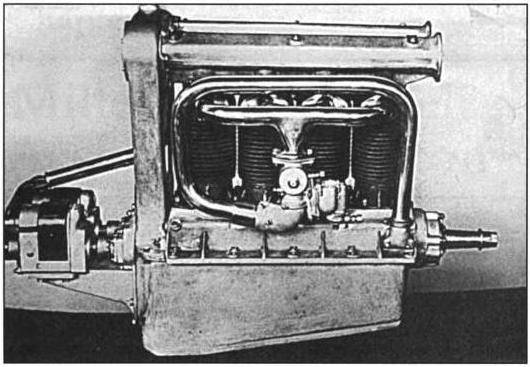
Arthur Chevrolet’s 1928 Engine
In the spring of 1928, Louis left the Chevrolet Brothers Manufacturing Company and started a new company called the Chevrolet Aircraft Corporation. Louis then spent the next year developing his new engine with Charles Merz (veteran of the 1st Indy 500). Arthur continued working on the old airplane engine, modifying the design, and photos from September 1928 show a similar style engine but with a double overhead cam set up. Louie’s new airplane engine was an inverted design with the crankshaft on top, and the cylinder heads and valve train components on the bottom of the assembly. Louis then sought out new investors to take his idea from paper into production.
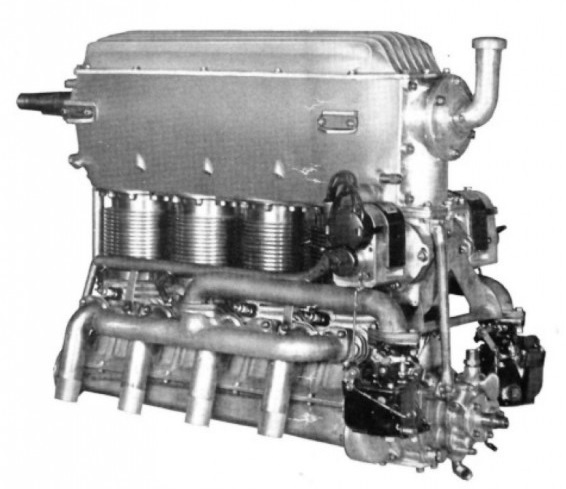
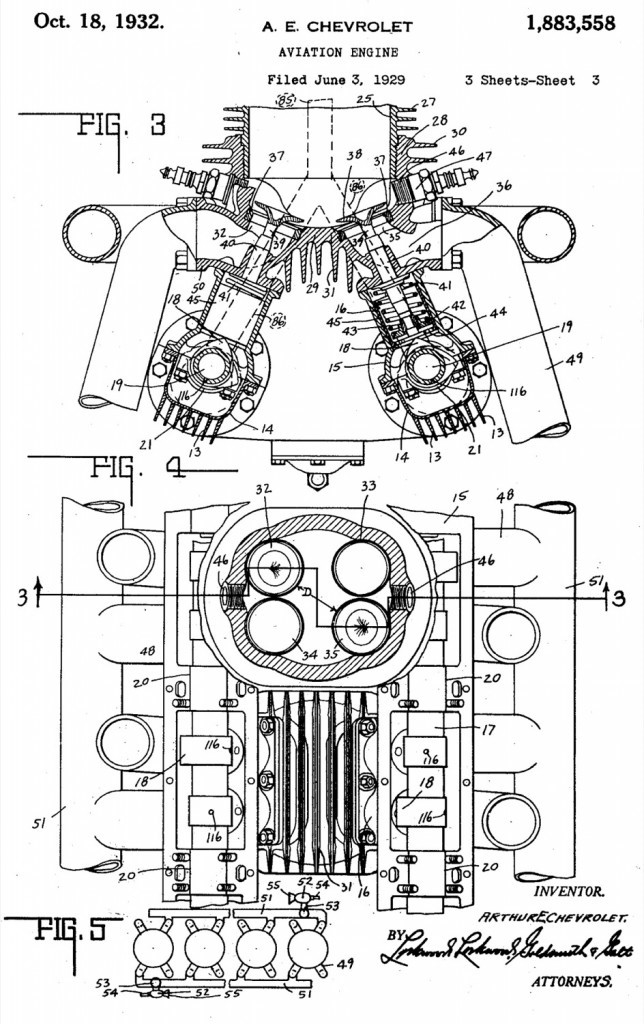
Art’s modified engine design apparently wasn’t successful, and he then designed a completely new engine in the spring of 1929 called the Chevolair. The Chevolair was an inverted engine, using four valves per cylinder, with intake and exhaust valves staggered on each side of the cylinder head. The staggered valve pattern necessitated the use of intake and exhaust manifolds on each side of the engine. Art built both a 4-cylinder and a 6-cylinder engine in the summer of 1929. The 6-cylinder was tested by the Bureau of Aeronautics, and it received Approved Type Certificate No. 56 in July 1930. This same 6-cylinder engine was used by Walter Beech in the Travel Air Mystery Ship for the 1929 National Air Races, but it did not perform very well. A 4-cylinder Chevolair engine was used in a Travel Air biplane for some time. A couple of other planes used the Chevolair engine including a Laird Aircraft, and a Robin Aircraft. Art’s company lost traction after the stock market crash of 1929, and went into receivership in 1932. Very few Chevolair engines were made, and none are accounted for today.
Designated Model D-4, the engine was certificated in December 1929, and became known as the Chevrolair. A D-4 engine powered Travel Air low-wing aircraft won first place in its class at the September 1930 Cleveland National Air Races.
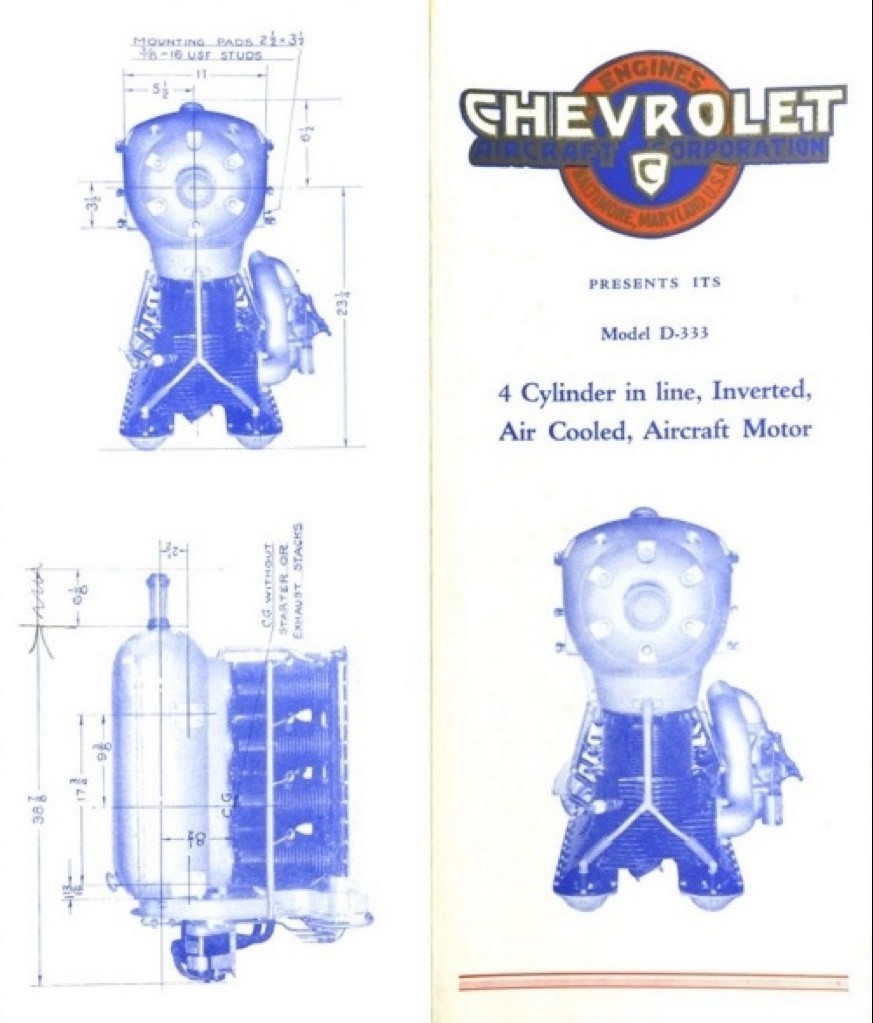
The D-333 4-cylinder engine was installed in an interesting variety of aircraft, including biplane, monoplane, seaplane, and even an autogiro. Additionally, there is correspondence in the War Department files that Louis’s engine was being considered for use in the TC-14 blimp project.
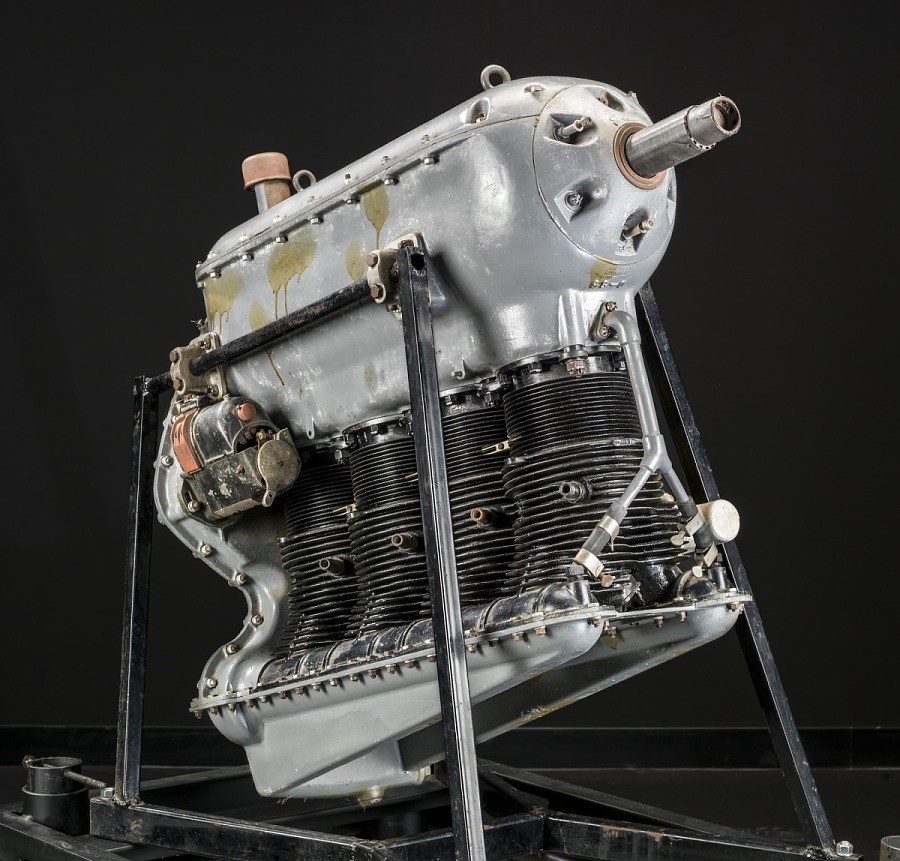
Chevrolet Martin Phillips Aircraft Engine
A few airplanes that used Louis’ engine have survived. A Waco ENF is still around, and it was the original test mule for Louis’ engine. A Granville Brothers “Gee Bee Model A” biplane is now in Oregon, and it once had a Chevrolet engine in it. Finally a Martin seaplane has been restored, and is hanging in the Baltimore Museum of Industry (it is the only known aircraft that retains a Chevrolet engine).
Subsequently, the Chevrolet Brothers Aircraft Company failed and the engine design sold to the Glenn L. Martin Company of Baltimore, Maryland. Uprated and renamed Martin 333, it was recertificated in July 1930, and powered the Martin 162A Tadpole Clipper and various Driggs aircraft.
The Chevrolet Brothers Aircraft Company firm started after Arthur and Louis Chevrolet had left the automotive industry. Louis Chevrolet and his younger brother Arthur built cylinder heads and aftermarket speed equipment for Model T Fords in the 1920s. Around 1925 Louis started taking a deeper interest in aviation, attending air shows in and around the Indianapolis area. In 1926 he entered into negotiations with a group of Ohio businessmen who were looking to develop a new airplane engine.
In the spring of 1927, the Chevrolet brothers completed their first aviation engine, an air-cooled, single-overhead-cam, 4-cylinder engine. This engine was installed in a biplane built by the Moundsville Aircraft Corp of West Virginia. There are photos of Charles Lindbergh inspecting the engine in that airplane in the summer of 1927. On the plane’s maiden flight, it was forced to make an emergency landing because of engine trouble. The Chevrolet brothers went back to the drawing board, and news of their venture quickly disappeared from the public eye. In late 1927 or early 1928 the brothers had a heated argument, split up, and did not talk to each other for several years to follow. Given the failure of the first aero engine, and the events that took place in early 1928, it would appear that the argument stemmed from the design of their airplane engine.
In the spring of 1928, Louis left the Chevrolet Brothers Manufacturing Company and started a new company called the Chevrolet Aircraft Corporation. Louis then spent the next year developing his new engine
In late 1928, Louis sold a 90% interest in the Chevrolet Aircraft Corporation to Glenn L. Martin, and he was retained by Mr. Martin to be president of the company.
In January of 1931 Martin changed the name of the company to the Glenn L. Martin Motors Corporation, and Louis’ title was changed to VP and General Manager. The economic depression was drying up capital, and sales took a nose dive. Louis ultimately resigned from the Martin Company in December of 1931, but he did hold onto his stock. When the Glenn L. Martin Company had its initial Public Offering in 1934, Chevrolet and Martin were the only stockholders of the company, Louis still owning 1,000 shares (Martin half a million shares). In 1939 Martin sold the patent rights, and existing inventory of engines and spare parts to the Phillips Aviation Corporation.
The new company was overtaken by its creditors who sold rights to the engine to the Glenn L. Martin Company.
For a long time there has been confusion regarding these engines, some sources calling Louis’ a Chevolair, and so forth. Likewise there have been misunderstandings over the names of the two different companies. When Louis left his brother Arthur in late 1927, Art retained ownership of the Chevrolet Brothers Manufacturing Company. Louis then filed articles of incorporation for the Chevrolet Aircraft Corporation. In the fall of 1928, Art changed the name of the Chevrolet Brothers Mfg Co to the Chevrolet Aviation Motors Corporation. Complicating matters was the fact that Louis’ contract with Glenn L. Martin called for the exclusive use of the “Chevrolet” name. The brothers then had a hearing before the Indiana Secretary of State over the use of the name. Following that hearing Art changed the name of his company in early 1929 to the Arthur Chevrolet Aviation Motors Corporation. Later that year, the name of Art’s company was changed for a third time to the Chevolair Motors Corporation. Muddying the waters further, Glenn L. Martin (for reasons unknown) changed the name of the Chevrolet Aircraft Corporation to the Glenn L. Martin Motors Corporation in January 1931.
1927: Louis and Arthur form the Chevrolet Brothers Manufacturing Company, but their engine proves faulty. Louis exits the venture in late 1927, leaving Arthur full ownership of the firm. 1928: Louis files articles of incorporation for the Chevrolet Aircraft Corporation (fall of 1928). 1928: Arthur changes name of the Chevrolet Brothers Manufacturing Company to the Chevrolet Aviation Motors Corporation. 1929: Arthur changes name of Chevrolet Brothers Manufacturing Company to Arthur Chevrolet Aviation Motors Corporation as a result of a legal dispute with Louis. Apparently, Louis’ contract with his partner – Glenn L. Martin – in the Chevrolet Aircraft Corporation, called for the exclusive use of the Chevrolet name. Arthur changed the name of the original company as a result of a hearing before the Indiana Secretary of State. 1929: later this year, Arthur changes the name of his company once again (a third time) to the Chevolair Motors Corporation. 1931: for reasons unknown, Glenn L. Martin changes the name of the Chevrolet Aircraft Corporation to Glenn L. Martin Motors Corporation in January 1931.
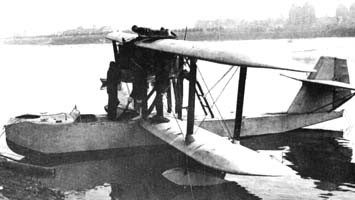
The Grigorovich MR-5 flying boat was built at Factory No.22 and in the summer of 1929 it was sent to Taganrog for testing. During its development it was found that the hull behaved correctly in the water, but during takeoff operations a large curtain of water formed in front of the plane, which made the process difficult. The take-off run distance was also getting too long. The commission that studied the possible destiny of the model concluded on December 1, 1929, that the problems were due to a bad design of the bow section of the hull.
Grigorovich had been arrested, so trying to save the model, the development was transferred at the beginning of 1930 to the construction bureau OPO-4, directed by the Frenchman Paul Aimé Richard . The development was included in the KB ‘s work plan for the year, but very little attention was paid there to improving one design created by another, so finally, at the time of Richard ‘s departure from the USSR , the MR-5 had received no attention.
The need for reconnaissance flying boats was great so in 1931 the MR-5 was delivered to the new TsKB of Factory No.39, where the head of the naval department IV Chetverikov was in charge of the modifications to achieve better behavior in the water.
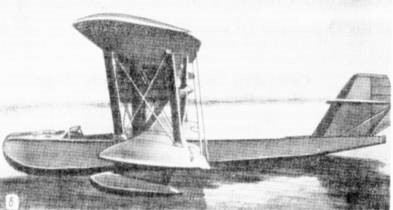
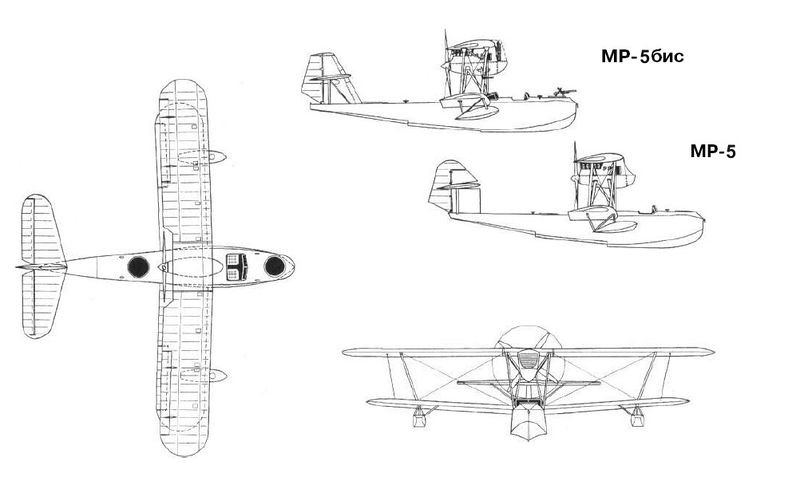
For this purpose Chetverikov decided to build a new wooden hull with better lines and the empennage underwent modifications, increasing its area. The new model was numbered 10 within the TsKB designations, but was generally known as the Chetverikov MR-5bis (Russian: Четвериков МР-5бис/ЦКБ-10).
In January 1932 Chetverikov read a report that the tests of the TsKB-10 had started, but at that time it referred only to the tests on skis. The complete cycle of tests was completed by the summer of 1932, being developed in the section of the Moscow River where the Gorky Central Park of Culture and Rest (TsPKO) is located today.
In these tests, the hull behaved positively, noting a noticeable decrease in splashes. Despite this, the long-awaited serial production was not approved. The Italian Savoia S-62 flying boat, which had entered service with the VVS RKKA under the designation MR-4, was successfully produced in the Taganrog workshops. Only the on MR-5bis was built.
The MR-5bis differed fundamentally from the original model in its new hull
In some sources Grigorovich ‘s original model has been named as MR-3 and Chetverikov’s version as MR-3bis. This presumably constitutes an error, which has become widespread on multiple sites on the internet that reference these sources. The searches carried out by the Soviet researcher M. Maslov in the original documents of the time show that the term MR-3 was used only to designate the reconnaissance flying boat ROM-1 and MR-3bis designated the improved version ROM-2.
Type: MR-5bis Powerplant: 1 x 680/500 hp M-17 Wingspan: 15.60m Wing area: 53.00 m² Length: 11.40m Empty weight: 2050kg Maximum takeoff weight: 3100 kg Wing loading: 59.0 kg/m² Power Load: 6.2kg/hp Fuel + oil load: 440+30 kg Full load capacity: 1050kg Top speed: 190km/h Cruising speed: 162km/h Landing speed: 85km/h Practical range: 720 km Endurance: 4 hours Practical ceiling: 4000 m Landing Time: 22s Take off time: 35s Accommodation: 2