The Curtiss C-4 engine was a four-cylinder, inline, air-cooled engine producing 25hp@1800rpm. With a displacement of 165.12ci, it weighed 110 lb.
Engines – Power
Curtiss C-1
The Curtiss C-1, built circa 1904, was the first Curtiss engine. It was a single-cylinder, air-cooled engine of 26.96ci.
Displacement: 26.96ci
Power: 3hp@1800rpm
Bore: 3.25″
Stroke: 3.25″
Height: 17″
Length: 10″
Width: 3.125″
Dry weight: 40 lb
Curtiss H / K

The Curtiss H & K aero engines were four-cylinder, inline, water cooled of 251.32ci. They produced 40hp@1500rpm with a dry weight of 175 lb.
Curtiss A-8
The Curtiss A-8 was an air-cooled, eight-cylinder V engine of 215.68ci displacement. It produced 30hp@1800rpm with a dry weight of 140 lb.
Curtiss A-4
The Curtiss A-4 was an air-cooled, four-cylinder inline engine of 107.84ci displacement. It produced 15hp@1800rpm with a dry weight of 90 lb.
Curtiss 1910 Bennett Racer monoplane
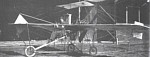
The 1910 Curtiss Bennett Racer monoplane was the first Glen Curtiss monoplane.
Span: 26’3″
Length: 25′
Weight: 600 lb gross
Curtiss C-12
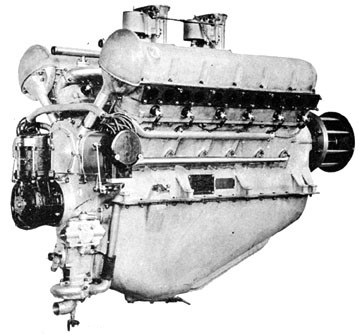
The 1919 Curtiss C-12 was a redesigned K-12. A six-cylinder water cooled engine, it produced 427hp@2250rpm and weighed 705 lb.
The CD-12 was a C-12 with direct-drive prop, producing 325hp@1800rpm with a dry weight of 680 lb.
The Curtiss triplane specifically designed around the Curtiss C-12 engine captured both a world altitude record for a non-supercharged plane and a world speed record (piloted by Roland Rohlfs).
Curtiss-Beachey Speed Tractor
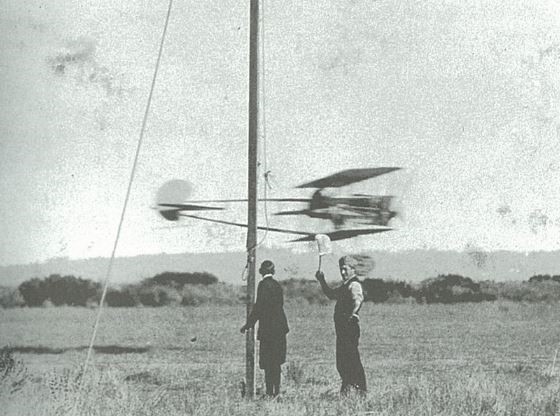
The 1912 Curtiss-Beachey Speed Tractor was the first of the “modern” Curtiss biplanes, with fabric-covered fuselage, although it was flown uncovered for a while, three-point landing gear with tailskid, and double-surfaced wings, but still using trailing interplane ailerons. Used by Beachey for exhibition work. Design was used for the prototype Curtiss Military Tractor. Powered by a 90 hp Curtiss OX V-8.
Curtiss-Stinson Special
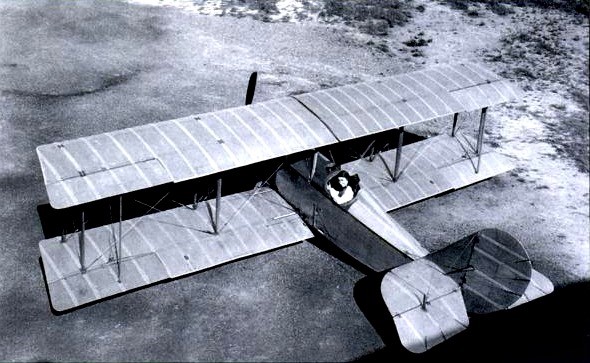
The Curtiss-Stinson Special was built by the Curtiss Aeroplane and Motor Company, especially for Katherine Stinson. It was a single-place, single-engine, two-bay biplane intended for exhibition flights. The Special used the fuselage of a Model 10 Speed Scout fighter, new wings, and the tail surfaces of the JN-4 “Jenny.” It was powered by a water-cooled, normally-aspirated, 567.45-cubic-inch-displacement (9.299 liters) Curtiss OXX-6 single-overhead-camshaft (SOHC) 90° V-8 engine, rated at 100 horsepower at 1,400 r.p.m.
Stinson flew between North Island and the Presidio, a straight line distance at 461 miles (742 km).
A replica of this one-of-a-kind airplane is in the Alberta Aviation Museum, Edmonton, Alberta, Canada.
Curtiss C-1 Canada
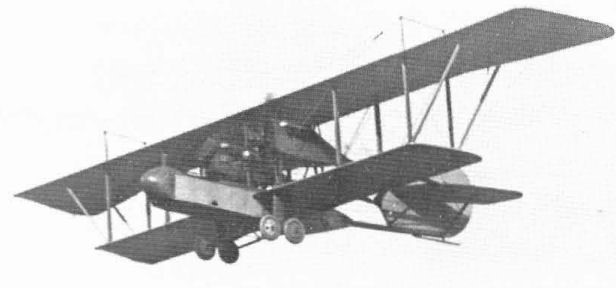
In 1915, Curtiss designed a twin-engined landplane bomber (the first twin-engined Curtiss landplane designed) based on its Curtiss Model H flying boat that had been designed for an attempt to fly across the Atlantic Ocean non-stop, and was in production for Britains’s Royal Naval Air Service (RNAS). The RNAS was interested in Curtiss’s design, and placed an order for a single prototype. As Curtiss’s Hammondsport and Buffalo, New York factories were busy building JN trainers and H-4 flying boats, it was decided to give responsibility for the new bomber, the C-1, to Curtiss’s new Canadian subsidiary, Canadian Aeroplanes Ltd., based at Toronto, giving rise to the name Curtiss Canada.
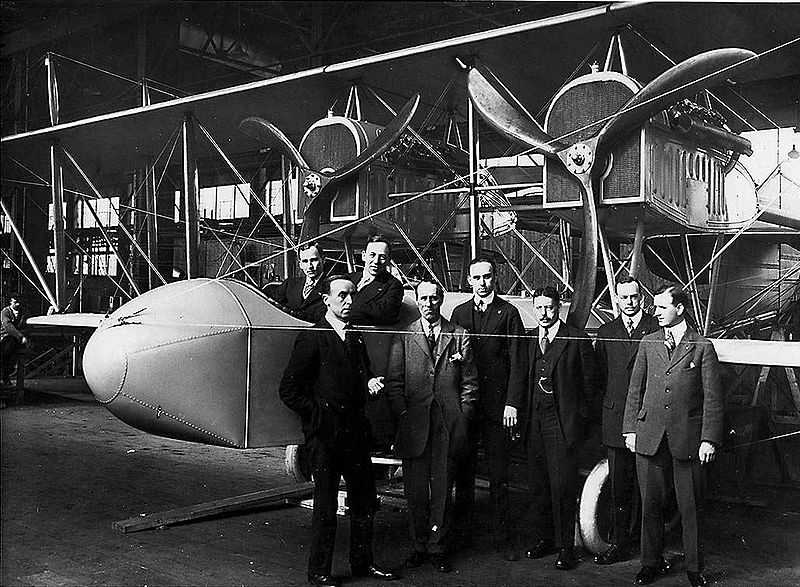
The Canada used the uneven span biplane wings and 160 hp (119 kW) Curtiss V-X engines of the H-4 flying boat, but the rest of the design was new. The fuselage was a long nacelle attached to the lower wing, with two gunners sitting side-by-side in an open cockpit in the nose of the nacelle, with the pilot sitting alone in a separate cockpit at the rear of the nacelle, behind the wings. The tail surfaces, with had a single vertical fin, were carried on twin tailbooms extending from the rear of the engine nacelles, with a third, lower, tailboom from the rear of the fuselage nacelle. It had a conventional landing gear with twin, tandem mainwheels and a tailskid. An early form of autopilot, the Sperry stabilizer, was fitted to improve stability for bombing.
Construction of the prototype started in May 1915, and was first flown on 3 September 1915, powered by two 90 hp (67 kW) Curtiss OX-5 engines as the planned V-Xs were unavailable. The C-1 Canada was tested at Long Branch near Toronto, in the Lakeshore area of Etobicoke. Further orders were placed for 102 production aircraft for the RNAS, and another prototype and ten production aircraft for the Royal Flying Corps.
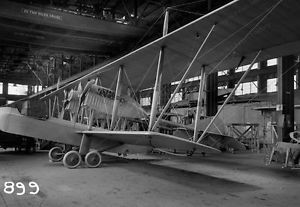
The first Curtiss Canada was delivered by ship to Britain in late 1915, being reassembled at Farnborough for the RFC and received RNAS serial 3700, flying again in January 1916. It was damaged in a crash in February, being rebuilt with modified wings. The wing overhang was now braced with struts instead of the original wires and the C-1 was the first aeroplane to fly with the new streamlined interplane wires (actually tie-rods), developed by the Royal Aircraft Factory, that came to be known as RAF Wires. When tested in April, its performance proved to be poor.
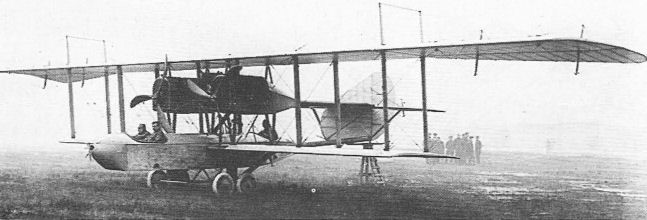
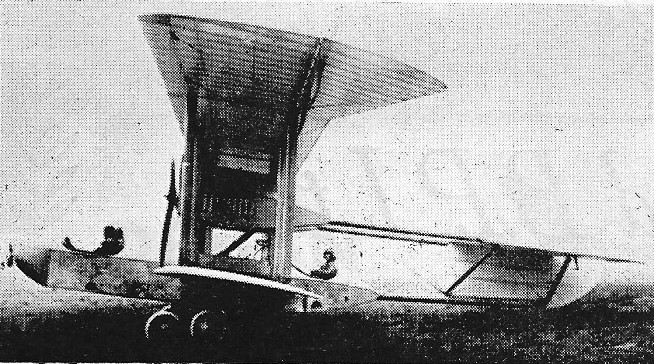
The adverse report led to the contract for the 100 RNAS aircraft (serials 9500-9599) was cancelled.
While the ten production aircraft for the RFC were delivered un-assembled to Farnborough by July 1916, the RFC had abandoned the Canada, and these aircraft were never re-assembled. The RNAS received one prototype, cancelling its orders as the greatly superior Handley Page O/100 was coming into service.
Powerplant: 2 × Curtiss OX-5 inline, 90 hp each
Upper wingspan: 75 ft 10 in (23.11 m)
Lower wingspan: 48 ft (15 m)
Length: 33 ft 4 in (10.17 m)
Height: 15 ft 6 in (4.72 m)
Empty weight: 4,700 lb (2,132 kg)
Gross weight: 6,300 lb (2,858 kg)
Maximum speed: 90 mph (145 km/h; 78 kn)
Range: 600 mi (521 nmi; 966 km)
Crew: 3
Armament: 2× .303 in (7.7 mm) Lewis guns

