Wickham Model B

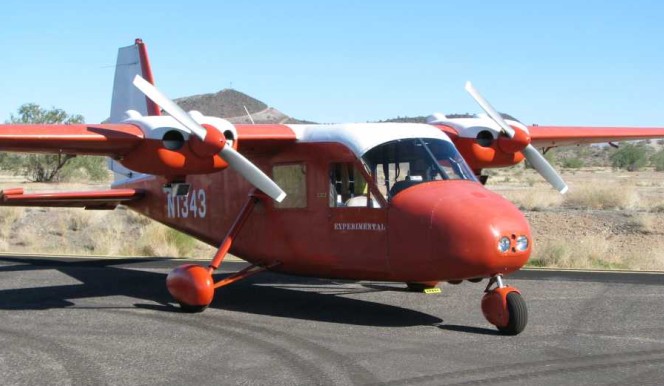
The Wickham B twin engine homebuilt aircraft was designed by Boeing engineer Jim Wickham in order to fly safely on one engine over the Seattle area, and completed in 1968.

The model B is a high-wing, fixed tricycle landing gear, all metal, twin engine aircraft. The aircraft uses all aluminum construction with fiberglass cowlings, nose cone and wheel pants. The wings are configured with Fowler flaps. The two 25 U.S. gallons (95 L; 21 imp gal) fuel tanks are independent of each other. There is no cross-feed. The aircraft uses a throw-over yoke control, similar to a Beechcraft Bonanza.
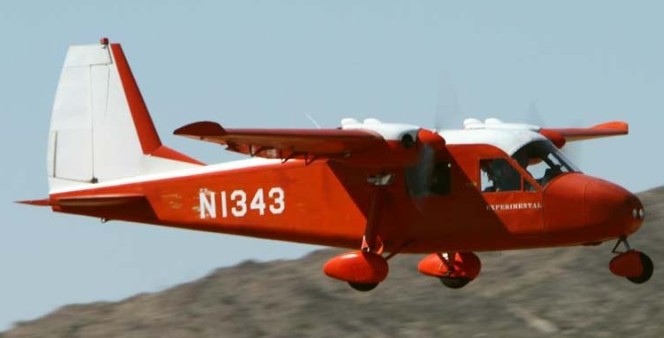
The aircraft cost US$7,000 in 1968. Help by Wickham able to purchase scrap aluminium from a Boeing surplus store at 10c in the dollar.

Jim Wickham put more than 600 hours on his craft and the Wickham B was donated to the Seattle Museum of Flight to avoid any product liability issues. The craft was later traded to the South Seattle Community College for an F-4 Phantom.

Eventually Boeing Field hanger area was to be remodeled and the Wickham B had to go. The aircraft was sold to Austin Ballard, dismantles, and moved to Everett, Washington.
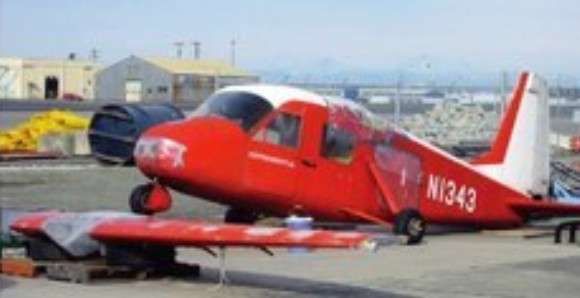
In 2002, the aircraft was sold and restored to flying condition. Many parts had been missing but were recovered. The restoration and flight was completed in 2005.

By 2012 it was owned by Curtis Clark of Scottsdale AZ.
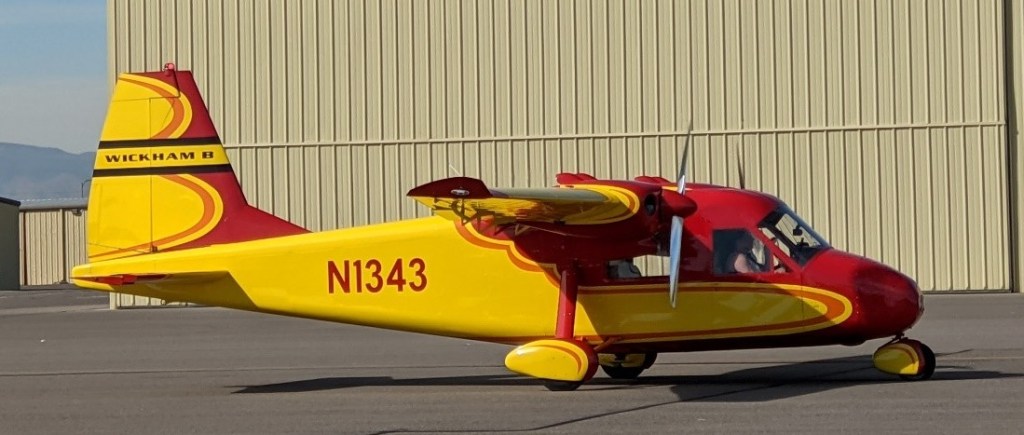
Performing a test run-up at its home airport (KDVT) on February 23, 2021. (courtesy Rom Solene)

Gallery

Engines: 2 × Lycoming O-320, 160hp
Prop: McCauley
Wingspan: 39′ 0″
Empty weight: 1,950 lb (885 kg)
Gross weight: 3,200 lb (1,451 kg)
Fuel capacity: 50 U.S. gallons (190 L; 42 imp gal)
Max speed: 150 mph
Cruise speed: 104 kn / 193 km/h / 120 mph
Stall: 60 mph
Singe engine cruise: 80 mph
Seats: 5
Registration: N1343
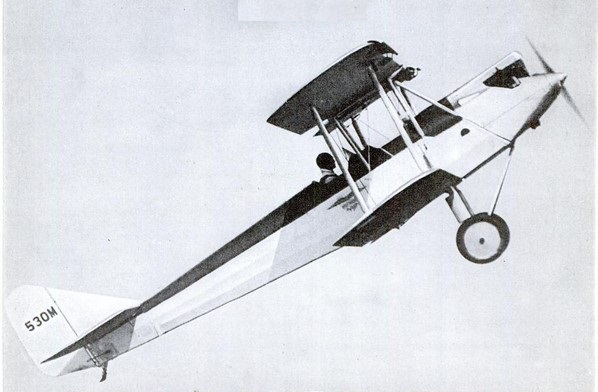
Wilms Dinosaur

Les Wilms, of 2142 Dayton Street, Chicago, had been experimenting in airship construction and navigation since 1895. His 1910 flying machine, besides framework and a seat for the operator, consisted of a canvas sustainer overhead, flails of canvas and a rudder of like material. The hand-propelled flails, the inventor said, acted on the principle of the feathers in a bird’s wings. The aircraft, which was named “Dinosaur,” was launched into space with the aid of an incline. Trial trips conducted privately northwest of Ravenswood manor were said to have been successful.

Whittelsey Avian

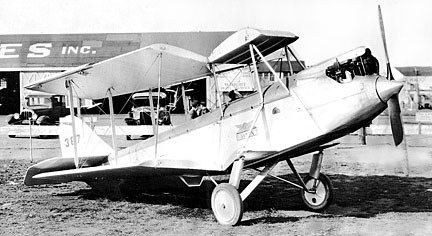
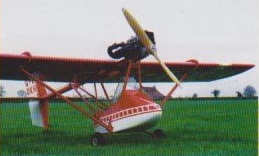
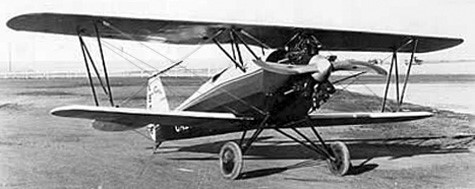
The Whittelsey Avian was advertised as a ‘safe’ aircraft in 1929, featuring Handley-Page wing slots and built to 8g. Designed for training and sport flying, the flyaway price of $4995 from Bridgeport. Powered by a 95 hp Cirrus, the Avian landing speed is 35 mph, and it achieved 20 miles per gallon.

The British Avro folding-wing sportplanes manufactured under license, the Whittelsey Avian was advertised as a ‘safe’ aircraft in 1929, featuring Handley-Page wing slots and built to 8g. Designed for training and sport flying, the flyaway price of $4995 from Bridgeport. Powered by a 95 hp Cirrus, the Avian landing speed is 35 mph, and it achieved 20 miles per gallon.

Whittelsey Avian N367

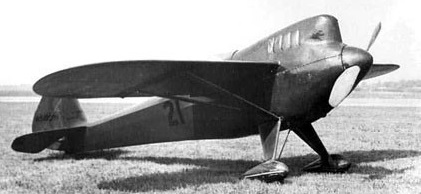
Whittenbeck Mono-Special / Folkerts SK-1

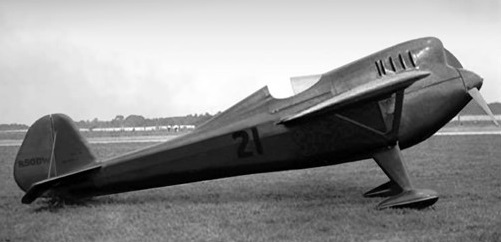
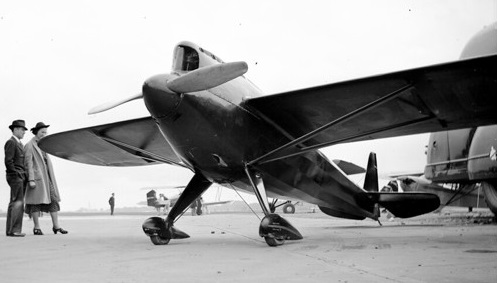
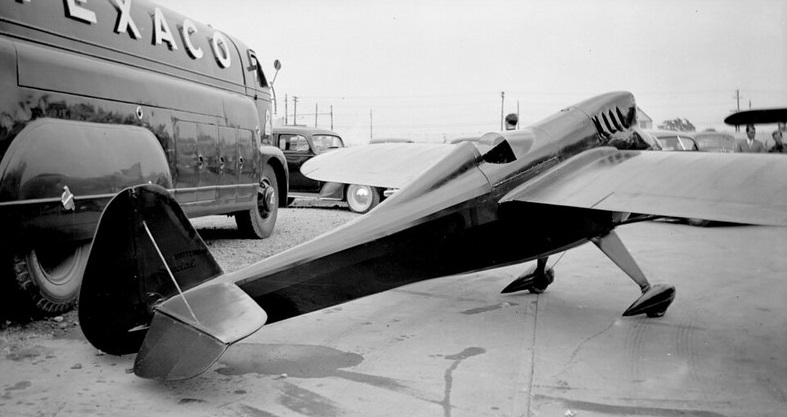
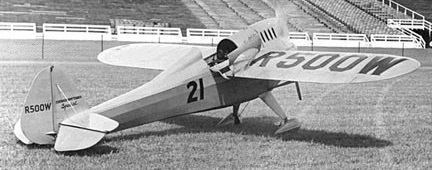
Clayton Folkerts designed the “Mono Special” NX/NR500W while working for the Mono-Aircraft Corporation. The aircraft was a strut-braced mid-winged conventional geared aircraft with a slender tapered tail and undersized wheels and fairings.

In 1930, for the American Cirrus Derby, pilot John Livingston was hired, but Stub Quimby flew in his place after an illness. The team did not win any earnings. In the 1930 National Air Races, Quimby placed fourth in the 650 Cubic inch class at 142 mph.

In the 1933 American Air Races, the aircraft was renamed the Folkerts SK-1, with modified lift struts and addition of wheel pants. The aircraft won first place twice in the 350 cubic inch class, and third in the 500 cubic inch class piloted by Harold Neumann, and fifth piloted by Marcellus King. During the 1933 International Air Races, Roy Ligget and Roy Hosler won two fifths and one fourth at a speed of 170 mph.

In the 1934 Pan American Air Races, the aircraft was renamed “Matilda”. In the 1935 National Air Races, with a modified headrest fairing, the aircraft raced as the “Fordon-Neumann Special” and placed second at 187 mph.

Folkerts SK-1

In the 1937 National Air Races, the aircraft raced as the “Hardwick-Whittenbeck Special”

Gallery

Engine: 1 × American Cirrus Hi-Drive Mk III, 110hp
Maximum speed: 162 kn; 301 km/h (187 mph)
Seats: 1

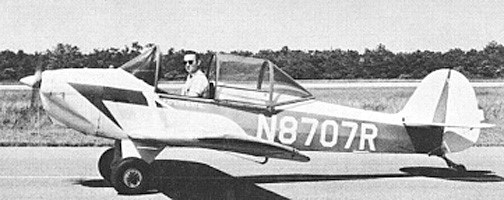
Whittaker MW-7

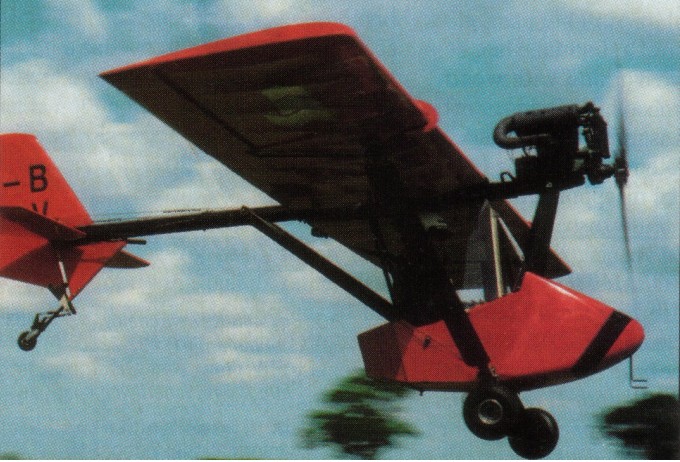
The MW-7 is a scratch-built only, single seat, aerobatic microlight. Designed in 1986, the wing area was too small for the UK ultralight category. Construction is tube and fabric. The wings can be folded. Designed to meet British section PPL-A requirements in accordance with ARB paper 98 aerobatic requirements.

By 1998 ten examples had flown.

Plans were being sold be the Vintage Ultralight Association.

Engine: Rotax 503, 52 hp
HP range: 52-65
Length: 15 ft
Wing span: 22 ft
Wing area: 88 sq.ft
Empty weight: 320 lb
Gross weight: 600 lb
Fuel capacity: 5-10 USG
Vne: 110 mph
Cruise: 55 mph
Stall: 35 mph
Rate of climb: 800 fpm
Takeoff dist: 150 ft
Landing dist: 125 ft
Service ceiling: 15,000 ft
Seats: 1
Landing gear: tailwheel
LSA: yes

Engine: Rotax 503, 50 hp
Wing span: 6.70 m
Wing area: 8.20 sq.m
MAUW: 273 kg
Empty weight: 145 kg
Max speed: 185 kph
Cruise speed: 120 kph
Minimum speed: 65 kph
Climb rate: 5.1 m/s
Seats: 1
Plan price (1998): £60