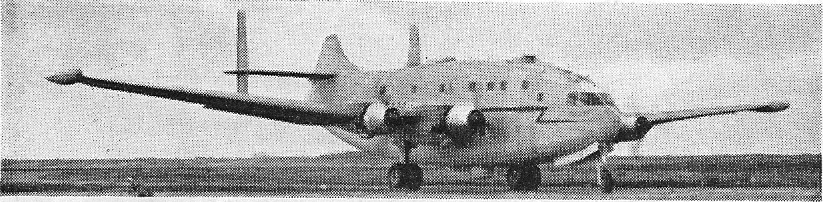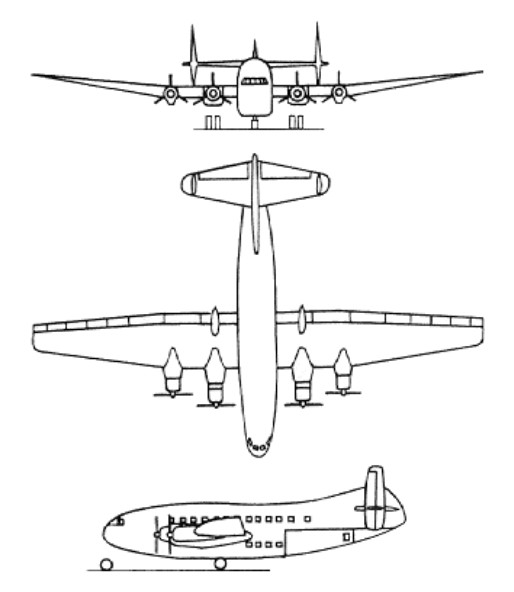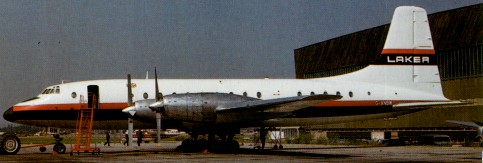
Bristol B.175 Britannia

The Type 175 began as a Medium Range Empire (MRE) design to meet BOAC requirements set down in MoS Specifica¬tion 2/47.
Designed to carry 32-36 passengers and be powered by four Bristol Centaurus 662 sleeve-valve engines, the aircraft’s size was soon increased and consideration given to the installation of Bristol Proteus turbines or Napier Nomad compound engines.
After some delay, in June 1948 the Ministry of Supply ordered three Centaurus-powered prototypes but stipulated that the second and third should be capable of conversion to Proteus-engined aircraft. When the first prototype emerged in 1952 it was a much bigger aeroplane with accommodation for more than 80 passengers and powered by Proteus 625 engines.
Prototypes were ordered in February 1948 and the first of these was airborne at Filton on 16 August 1952, powered by Bristol’s new Proteus turboprop.

Bristol B.175 Britannia Article

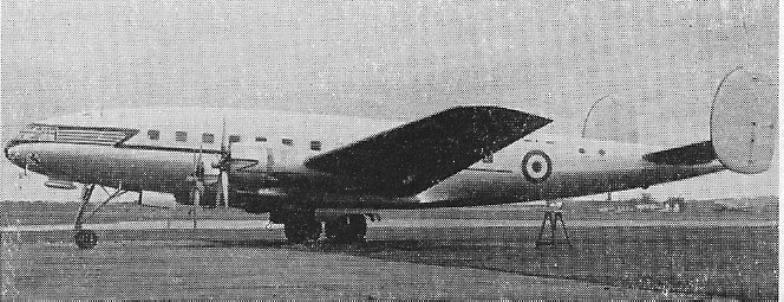
The second prototype was lost after only 51hr flying and a major engine fault delayed entry into service with BOAC until February 1957. On 1 February 1957 BOAC began operating Britannia 102 with 2,906kW Proteus 705 and up to 90 seats on its London-Johannesburg services.
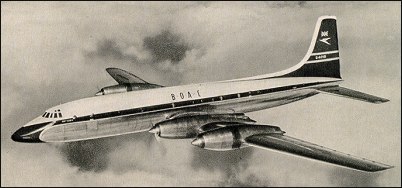
A number of versions were developed from the Series 100 aircraft and on 19 December 1957, BOAC began the first turbine-powered North Atlantic service when it put Britannia 312 on the London-New York route. These were 3.12m longer, had accommodation for up to 139 passengers, were powered by 3,070kW Proteus 755 and had a 13,608kg increase in max weight. On the day that BOAC introduced Britannias on the North Atlantic, El Al flew a Britannia 10,328km non-stop from New York to Tel Aviv.

The Bristol Britannia entered RAF Transport Command service with No.99 Squadron, at Lyneham, Wiltshire, in mid-1959. As Britannia C.1, twenty Britannia 250 were operated with strengthened floor and large freight loading doors. Three Britannia C.2s were purchased by the Ministry of Supply for use on trooping flights.
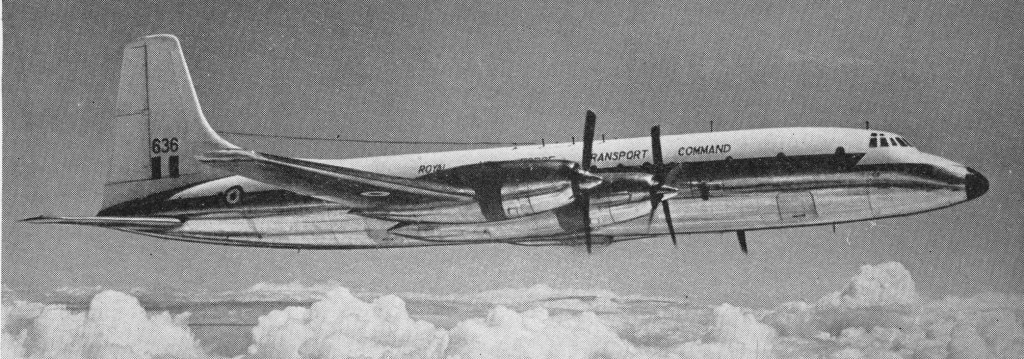
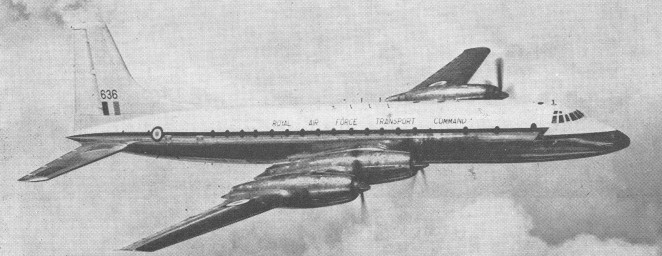
The Britannia 310 was ordered by BOAC, El Al, Hunting Clan, Canadian Pacific Airlines and Cubana.
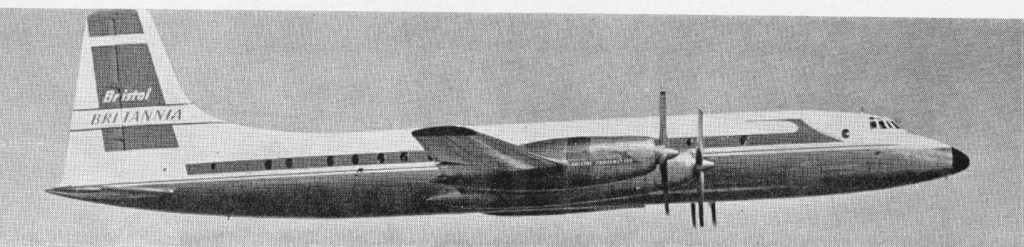
Britannia 310

Only 85 Britannias were built at Filton and by Shorts at Belfast.

Canadair developed the Britannia design into the military CL-28 Argus and CL-44 Yukon and the CL-44 series of passenger and cargo aircraft.

Gallery

Variants:

100 Series
90 passenger airliner
All built at Filton
Engines: four Bristol Proteus 705, 4,400 h.p.
Length: 114 feet
Height: 36 feet 8 inches
Wing Span: 142 feet 3 inches
Weight (empty): 88,000lbs
Weight (all-up): 155,000lbs
Range: 3,450 miles

101 – Two prototypes, initially powered by Proteus 625, later 705
102 – 25 ordered by BOAC. The last ten were cancelled in favour of the 300 series.

200 Series
All-cargo stretched version of the 100 series, with an extra 10 ft in length.
Five options from BOAC, but cancelled in favour of the 310. None built.

250 Series
As 200 series, but mixed passenger and freight
Length: 124 feet 3 inches
Height: 37 feet 6 inches
Wing Span: 142 feet 3 inches
Weight (empty): 90,500lbs
(90,600lbs for 253)
Weight (all-up): 185,000lbs
Range: 2,268 miles

252 – Three ordered by Royal Air Force and given the designation C Mark 2. All built at Belfast.
253 – 22 ordered by Royal Air Force, with designation C Mark 1. All but the last five were built at Belfast, the remainder were built at Filton

300 Series
As 200 series, by passenger only. Capable of carrying up to 139 passengers.
Engines: 4 x 4,400 h.p. Bristol Siddeley Proteus 705 turboprop
Length: 124 feet 3 inches (37.89 m.)
Height: 37 feet 6 inches
Wing Span: 142 feet 3 inches (43.38 m)
Weight (empty): 92,500lbs
Weight (all-up): 185,000lbs
Econ cruise: 355 m.p.h. (570 kph)
Range: 3,496 miles
Range 4,268 miles (6,869 km.) with max. payload of 28,000 lb (12,700 kg)
Crew: 9
Pax cap: 133

301 – one prototype, built at Filton
302 – Ten ordered by BOAC. Order cancelled in favour of 305 Series, later 310 series. Two were completed, but not delivered. Both were built at Belfast.

305 Series
As 300, but with increased fuel capacity
Length: 124 feet 3 inches
Height: 37 feet 6 inches
Wing Span: 142 feet 3 inches
Weight (empty): 90,000lbs
Weight (all-up): 185,000lbs
Range: 4,268 miles

306 – 1 built, leased to El Al. built at Belfast
307 – 2 ordered by Air Charter. One was a conversion of the sole 306, the other was built at Belfast.
307F – 1960’s conversion of 307 to freighter (both Series 307 aircraft converted)
308 – 2 ordered by Transcontinental, built at Belfast.
308F – 1960’s conversion of 308 to freighter (both Series 308 aircraft were converted)
309 – 1 ordered by Ghana Airways, built at Belfast.

310 Series
Initially known as 300LR. As 305 series, but with strengthened fuselage skin and undercarriage.
Engines: 4 x Bristol Proteus, 4120 shp
Length: 124 feet 3 inches (37.89 m)
Height: 37 feet 6 inches
Wing Span: 142 feet 3 inches (43.38 m)
Weight (empty): 82,500lbs
Weight (all-up): 185,000lbs
Range: 4,268 miles
Max level speed: 385 mph (616 kph)

311 – one prototype, built at Filton.
312 – 19 ordered by BOAC, all built at Filton.
Engine : 4 x Proteus 755, 4064 shp
Length: 124.245 ft / 37.87 m
Height: 37.5 ft / 11.43 m
Wingspan : 142.224 ft / 43.35 m
Max take off weight : 185030.4 lb / 83914.0 kg
Max. speed : 345 kts / 639 km/h
Service ceiling : 26247 ft / 8000 m
Range : 5004 nm / 9268 km
Crew : 5 + 133 PAX

312F – 1960’s conversion of 312 to freighter (five converted)
313 – Four ordered by El Al, all built at Filton.
314 – Six ordered by Canadian Pacific, all bar one built at Belfast.
317 – Two ordered by Hunting-Clan Air Transport, all built at Filton.
318 – Four ordered by Cubana, all built at Filton.
320 Series – as Series 310, with a few modifications, giving increased maximum range.
Length: 124 feet 3 inches
Height: 37 feet 6 inches
Wing Span: 142 feet 3 inches
Weight (empty): 86,400lbs
Weight (all-up): 185,000lbs
Range: 4,268 miles

324 – Two ordered by Canadian Pacific

Bristol Braemar

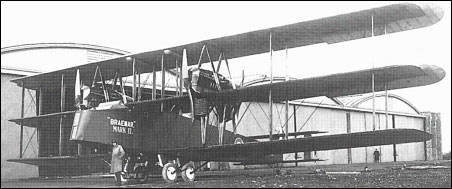
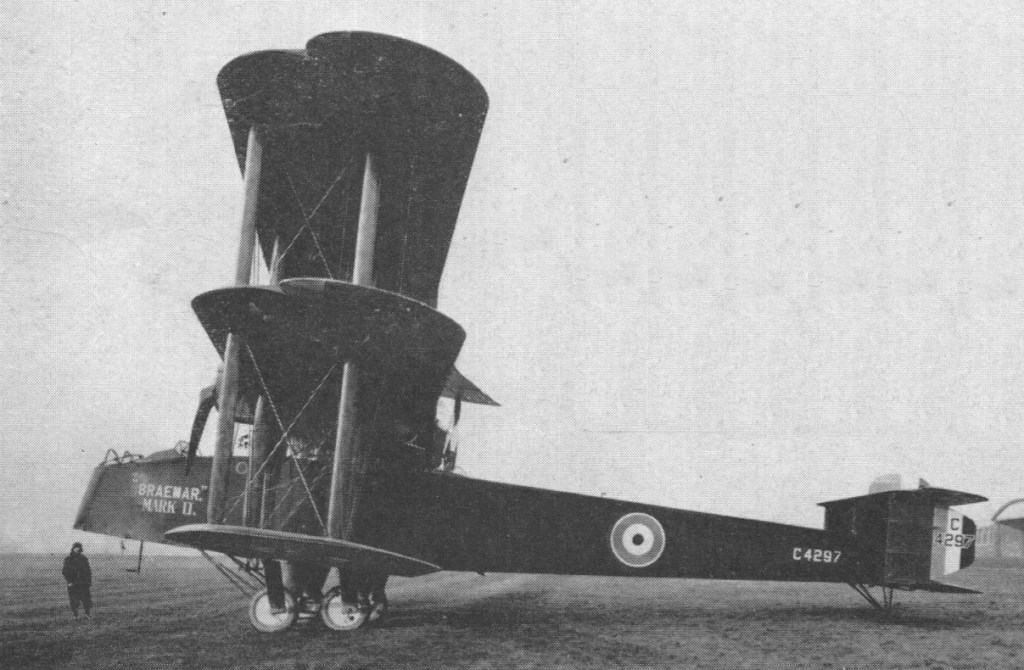
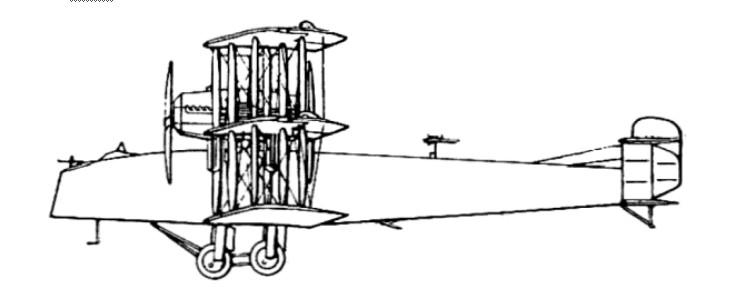
An unsuccessful contender for a 1917 large bomber requirement, the four engined triplane Bristol Braemar which did not go into production. The Braemar formed the basis of the Pullman, an equally unwanted airliner with a large cabin and enclosed cockpit. The Pullman’s crew distrusted this feature and took to carrying axes with which to hack their way out in an emergency.

Braemar Mark II
Engine: 4 x 410hp Liberty 12A water-cooled in-line engines
Wingspan: 24.89 m / 81 ft 8 in
Length: 15.70 m / 51 ft 6 in
Height: 6.30 m / 20 ft 8 in
Wing area: 176.98 sq.m / 1905.00 sq ft
Take-off weight: 8399 kg / 18517 lb
Empty weight: 4835 kg / 10659 lb
Max. speed: 201 km/h / 125 mph
Ceiling: 5182 m / 17000 ft
Crew: 6
Armament: 5 x 7.7mm machine-guns, 6 x 100kg bombs

Breguet 730 / 731 Bellatrix

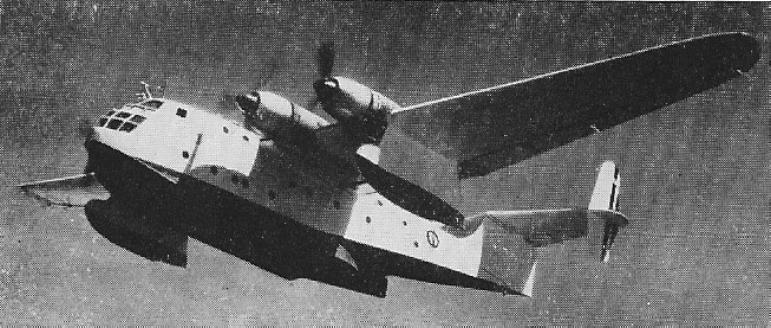
Type 731 Bellatrix

Designed before the war as a military patrol flying boat, the Type 731 Bellatrix was test flown at the Berre naval air base in unoccupied France in 1942, the prototype Type 730 having been flown just before World War 2.

The Type 731 differed from the pre-war Type 730 in having re-designed crew accommodation, modified floats, and a strengthened hull. The Type 731 escaped destruction and, after the war, it was re-engined with four 1480 hp Gnome-Rhone 14R radials and was used by the French Naval Air Service.

Only one Type 731 Bellatrix was completed.

Engines: our 1480 hp Gnome-Rhone 14R
Wingspan: 132 ft 5 in
Wing area: 1851 sq.ft
Length: 79 ft 11 in
Height: 26 ft 10 in
Empty weight: 41,226 lb
Loaded weight: 77,161 lb
Max speed: 239 mph at 8,530 ft
Cruise: 186 mph

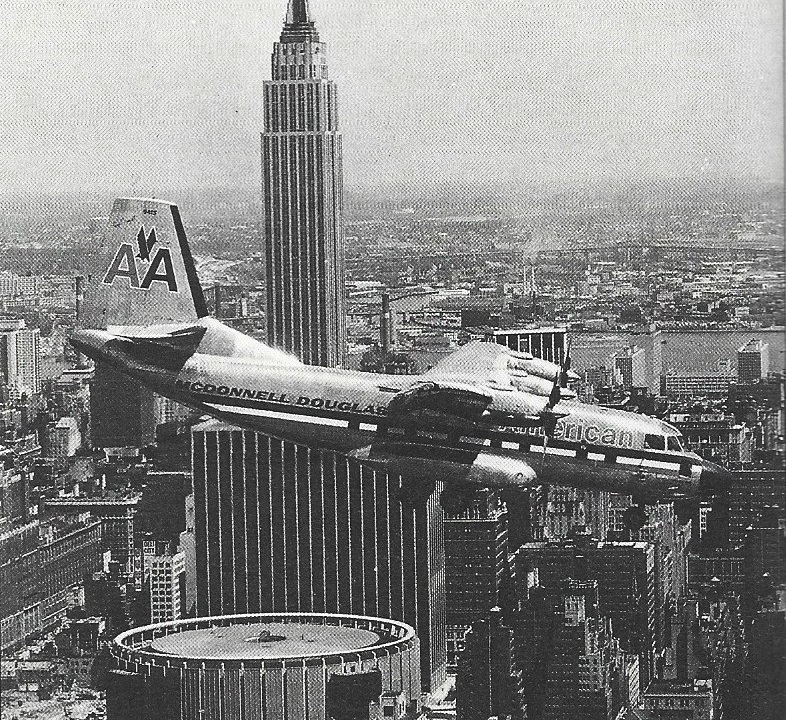
Breguet Bre.941/ McDonnell 188

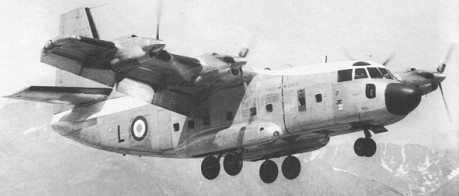
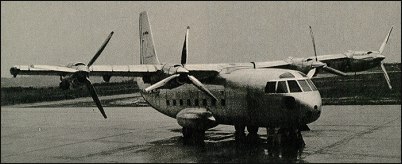
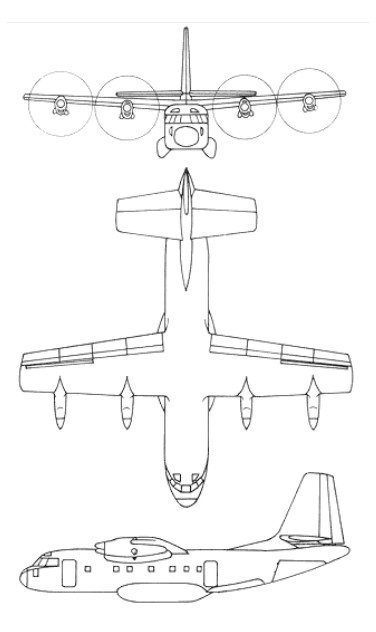
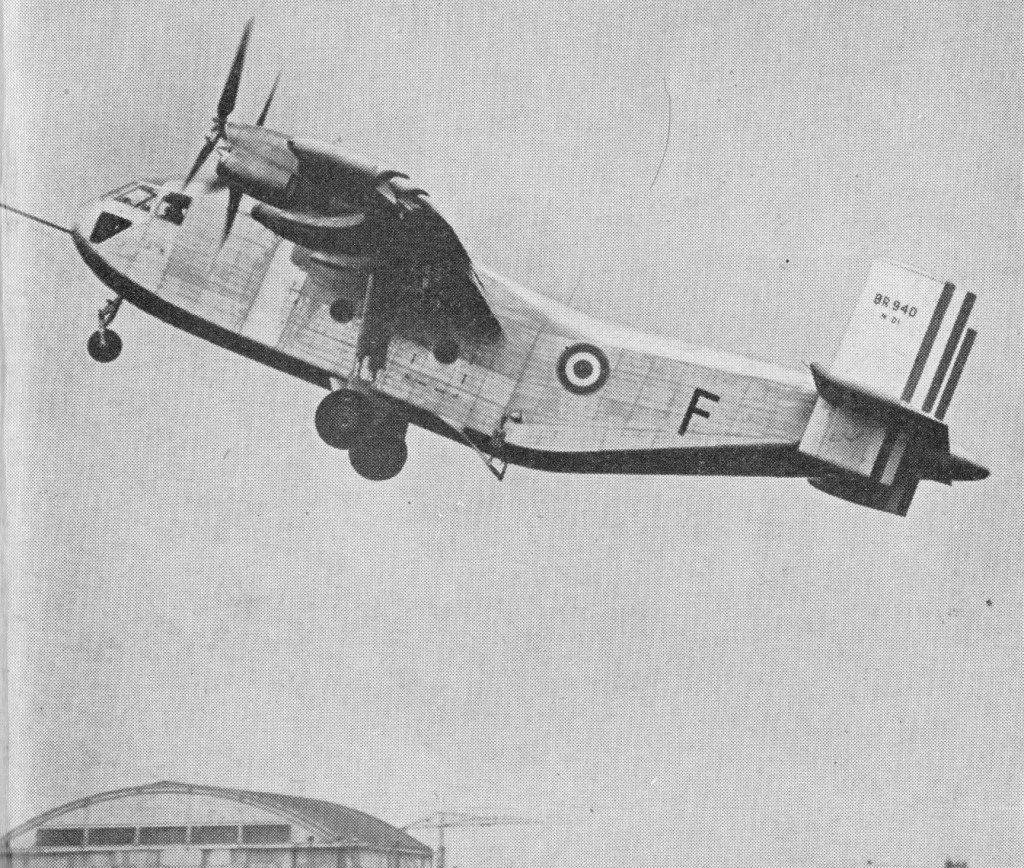
A Breguet designed four-engined STOL transport that would be suitable for civil or military use the Bre.941 relied upon the deflected-slipstream technique to generate additional lift. The four engines were mounted in nacelles at the wing leading edges so that slipstream from the propellers was distributed over the entire span of the wing.

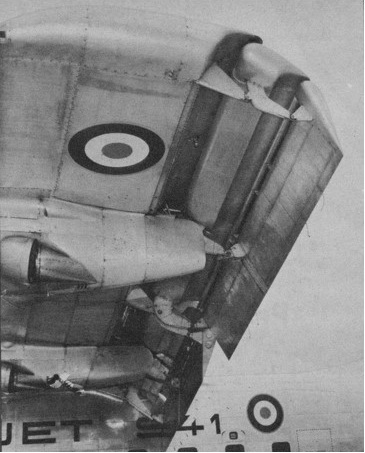
Only 17% prop thrust is lost should one of the four 1250 shp Turbomeca Turmo IIID shaft turbines fail during takeoff since all props remain operative. Four 13 ft 8.5in diameter Ratier-Figeac hydraulically operated variable pitch fully reversible propellers provide airflow across the full 76 ft 1 in wing span. High-lift for slow speed is obtained by deflecting the slipstream with full span double-slotted flaps that work through 100 degrees, plus four hinged spoilers on each wing. Ailerons which extend across 42% of wing also droop for STOL operation.

Full-span double-slotted trailing edge flaps were provided, these also being within the slipstream when deployed to maximise their effect, and with no wing trailing edge available for ailerons to be installed for roll control, four hinged spoilers were provided on the upper surface of each wing.

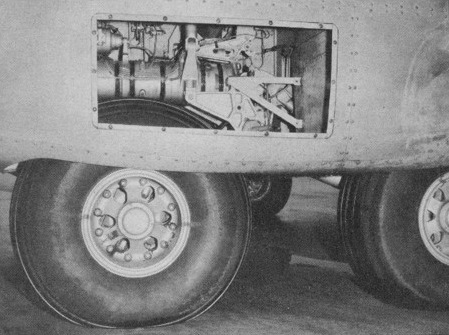
Once power settings of the four engines are made by individual controls, uniform rpm is maintained by the co-pilot’s single long-arm throttle at the right of the console. In the pilot’s position duplicate master throttle is to the left of seat. Downward visibility windows are on each side of cockpit at end of instrument panel. Main landing gear which retracts into fairings on each side of fuselage is the Messier “Jockey” trailing arm design where two wheels of each unit are hydraulically interconnected. This provides wheel movement in both fore-and-aft and vertical directions for rough terrain operations.

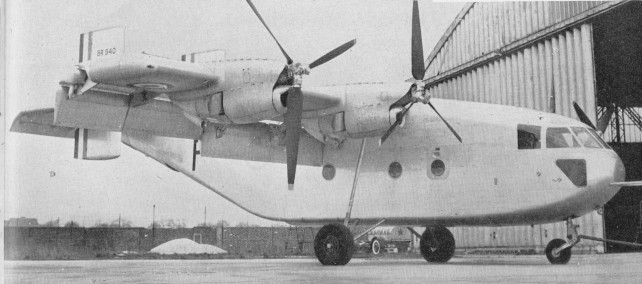
The French air ministry ordered a prototype on 22 February 1960. It was of cantilever high-wing configuration, with an upswept rear fuselage to incorporate a rear loading ramp. Undercarriage was retractable tricycle landing gear that incorporated twin nosewheels, with tandem-wheel main units that retracted into fairings on each side of the fuselage. Powerplant was four 895kW Turbomeca Turmo HID turboprops, and the prototype was flown for the first time on 1 June 1961. Subsequent testing of the prototype resulted in Breguet receiving a contract from the French government for the supply of four production transports under the designation Breguet 941S.
Production aircraft were fitted with more powerful Turbomeca Turmo engines, a longer nose to permit the installation of a large radome, and modification of the rear cargo door to allow for the airdrop of heavy loads.

Operated by a crew of two, these aircraft could carry up to 57 civil passengers, or 40 fully-equipped troops, or 24 stretchers. The first of the production Br.941S aircraft made its initial flight on 19 April 1967, and testing proved that with an all-up weight of 22000kg, which was in excess of an assault mission take-off weight, the Br.941S could become airborne in only 185m.

All four of the production aircraft entered service with the Armee de I’Air, but no additional examples were built. There had been hopes that, with assistance from the McDonnell Aircraft Corporation, orders might be generated in the USA, but despite a demonstration tour in America, no production orders were received.

As there was a possibility the 941 may be made under licence in the US, during the 1969 demonstration tour it was designated McDonnell 188.

Gallery

Engines: 4 x Turbomeca Turmo III D-3 turbo-prop, 1105kW
Wingspan: 23.4 m / 76 ft 9 in
Length: 23.8 m / 72 ft 11.5 in
Height: 9.4 m / 30 ft 7 in
Wing area: 83.4 sq.m / 897.71 sq ft
Take-off weight: 26500 kg / 58423 lb
Empty weight: 13120 kg / 28925 lb
Max payload: 15,000 lb
Max. speed: 520 km/h / 323 mph
Max speed at 10,000ft: 280 mph
Cruise speed: 480 km/h / 298 mph
Stall: 56 mph
Ceiling: 8500 m / 27900 ft
Range w/max.fuel: 3100 km / 1926 miles
Range w/max.payload: 800 km / 497 miles
Landing dist: 360 ft
Crew: 2
Passengers: 55-60

Breguet Bre.761 / 763 Deux Pont / Provence / Bre.764 / 765 Sahara

Bre.763

The 763 and 765 transport aircraft were the production developments of the 761, the design of which began in 1944. The prototype 761 powered by four 1,192kW SNECMA 14R engines and first flew on 15 February 1949. A pre-series of three aircraft, designated 761S, was then produced, powered by 1,490kW Pratt & Whitney R-2800 B31 engines.

Br.761 1949

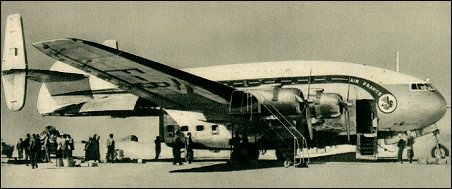
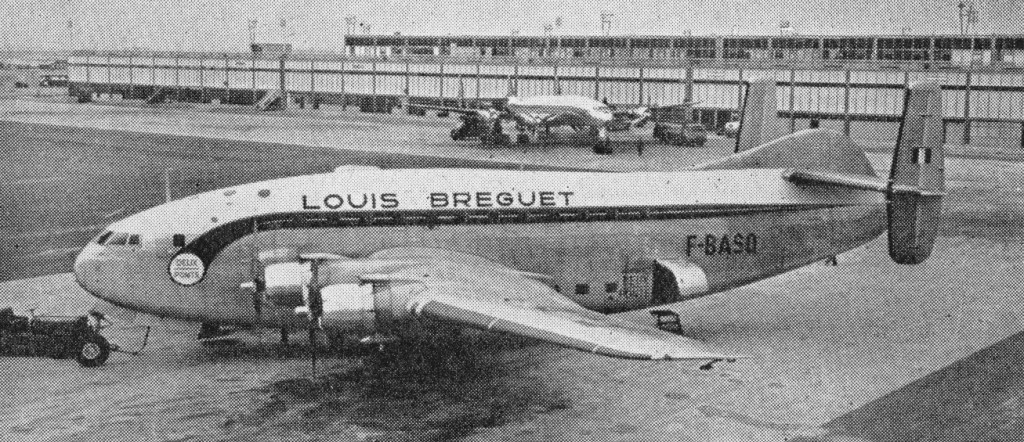
The 763 was the first production version of the Deux Ponts. Twelve were ordered by Air France in 1951, powered by four 1,788kW R-2800 CA18 engines. The inaugural flight was on 16 March 1953, on the Algiers-Marseilles-Lyon-Marseilles-Tunis run. The plane, powered by four 2400-hp Pratt & Whitney Double Wasps, carried some 107 passengers, 59 in tourist class on an upper deck and 48 in a second-class cabin below; alternatively, 135 could be carried in economy class. They were used mainly on routes to North Africa, but some have worked extra peak-period services to London Airport.

In 1958 a Breguet 763 make a demonstration tour, including New York’s International Airport at Idlewild.

The fuselage was generally similar to that of the 761, but the wing span was increased and the wings were reinforced. It was a convertible passenger/cargo airliner with standard accommodation for 59 tourist-class passengers on the upper deck and 48 second-class passengers on the lower.

The 765 Sahara was the military transport version with accommodation for 146 fully equipped troops, 85 stretchers and medical attendants or freight (including military vehicles loaded through the large rear-opening ramp). Fifteen were ordered for the French Air Force in 1956 powered by Pratt & Whitney R-2800 GB-16 or CB-17 engines. The first flew on 6 September 1958.

Breguet 765 Sahara Article

The Bre.764 was a special maritime patrol/anti-submarine version of the Breguet Deux-Ponts. It was fitted with tip-tanks and dorsal/ventral turrets and radome.

Bre.764

Gallery

Br.761
Engines: 4 x Gnome et Rhone 14R
Wingspan: 136 ft 6 in
Top speed: 323 mph

Engine: 4 x P+W R-2800 CA18 Double Wasp, 2400 hp / 1765kW
Wingspan: 43.0 m / 141 ft 1 in
Length: 28.9 m / 94 ft 10 in
Height: 9.9 m / 32 ft 6 in
Wing area: 185.4 sq.m / 1995.63 sq ft
Take-off weight: 51600 kg / 113759 lb
Empty weight: 32241 kg / 71080 lb
Cruise speed: 380 km/h / 236 mph
Ceiling: 6000 m / 19700 ft
Range w/max.fuel: 4000 km / 2486 miles
Range w/max.payload: 2300 km / 1429 miles
Crew: 2-5
Passengers: 107-135

Breguet 763 Provence
Engines: 4 x Pratt and Whitney Double Wasp CA-18 2,400 hp
Span: 140ft
Wing area: 1996 sq.ft
Length: 94 ft 11 in
Height: 31 ft 4 in
Empty weight: 55,8890 lb
Loaded weight: 110,230 lb
Max cruise: 230 mph at 9842 ft
ROC: 740 fpm
Range: 2367 mi

Breguet Br 480 / Br 482

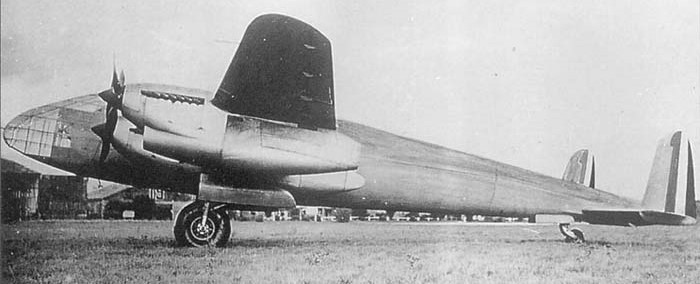
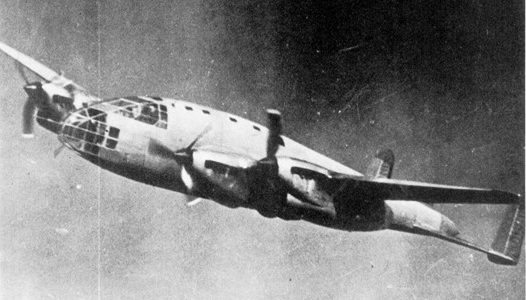
By the 1930s, the French air force’s bomber force was very out-of-date and too small. In December 1936, a requirement was issued code-named “B4”, the French Air Ministry, for a new four-seat, twin-engined medium bomber design.

Breguet submitted four designs and Bloch one; of which a two-engine Breguet and four-engine Bloch design were both shortlisted. Breguet’s initial design, the Breguet 480 (or Bre. 480) to be powered with the specified 1,225 hp (914 kW) Gnome et Rhône 14L radial engines which was meant to carry 1,000 kg (2,200 lb) of bombs over a 2,500 km (1,600 mi) radius. Gnome et Rhône abandoned the 14L however, so, after considering a version powered by two Hispano-Suiza 12Y V12 engines, Breguet reworked the design as the Breguet 482, with four 1,350 hp (1007 kW) Hispano-Suiza 12Z engines, with an order for two prototypes placed by the French Air Ministry on 12 May 1938.

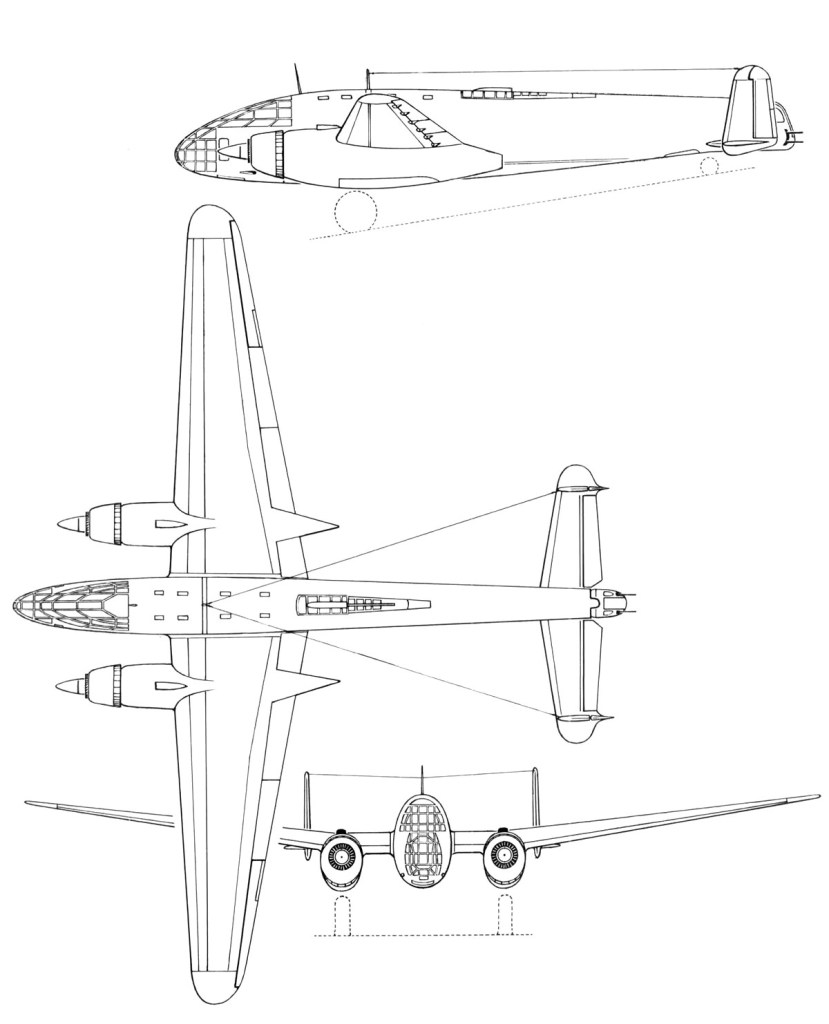
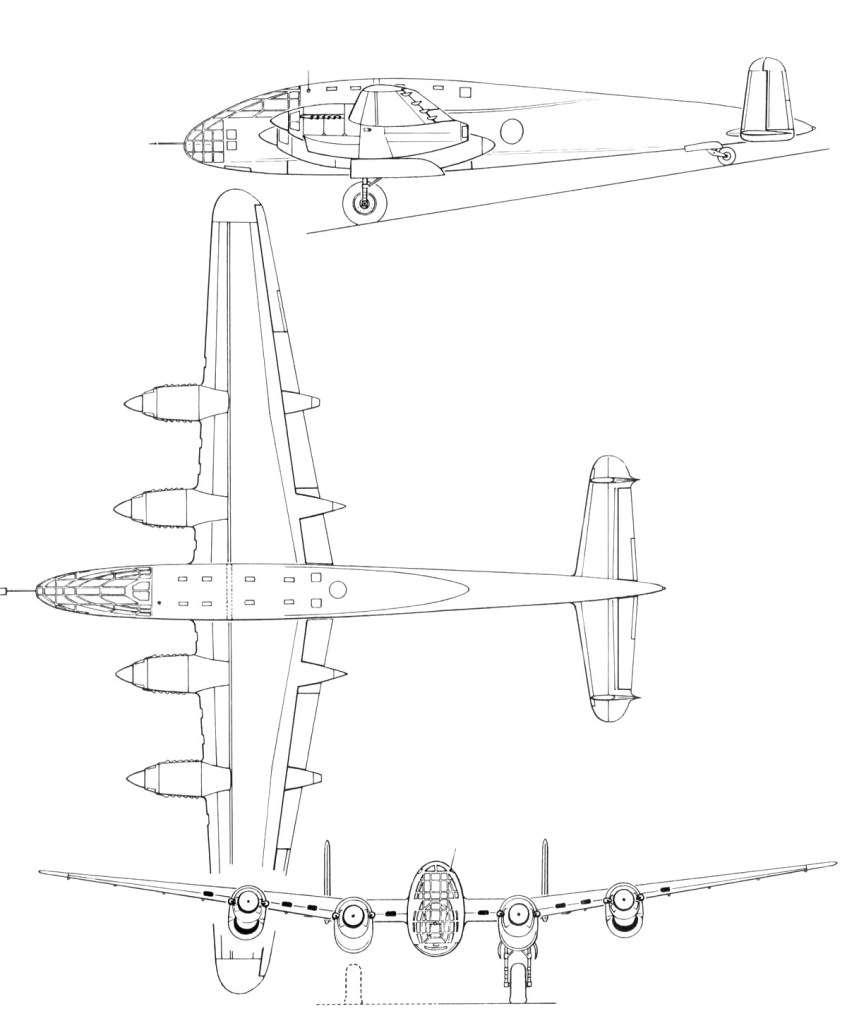
The Breguet 482 was a mid-winged monoplane of all-metal construction, with a clean, low-drag, oval section monocoque fuselage, twin tails and a retractable tailwheel undercarriage. The planned defensive armament was a 20mm Hispano-Suiza HS.404 cannon in a power operated dorsal position, with a 7.5mm machine gun in the nose and a further two machine guns in ventral mountings. Up to 2,500 kg (5,500 lb) of bombs could be carried.

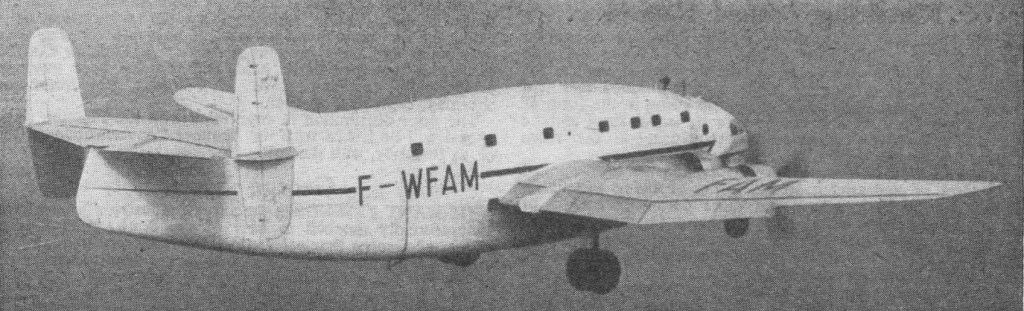
The Br-482 was of all-metal construction with a four-man crew. The most characteristic feature was the large “glazed” nose area. The plane was fully-enclosed and had retractable main and tail landing gear. The internal wing supports were three spars, the outer two aluminium and the centre steel.

Construction of the two prototypes was well progressed when Germany invaded France on 10 May 1940, and in late May it was decided to evacuate the near complete prototypes from Villacoublay near Paris, with the first prototype being sent to Bône in Algeria and the second to the Breguet factory at Anglet, near Bayonne in the far south-west of France. The first prototype was destroyed during a German air-raid in November 1942 following the Allied invasion of French North Africa, but the first prototype remained hangered untouched, despite the fact that Anglet had been occupied by the Germans since 1940.

When the Germans withdrew, Breguet resumed work on the Br 482, proposing to complete it with more powerful Hispano-Suiza 12Z engines and a heavier armament. The French Armée de l’Air had no requirement for a bomber, however, and it was decided to use the aircraft, with the planned modifications, but with armament removed, as a research aircraft. Breguet deleted one of the crew positions leaving the Br-482 a three-man plane. The defensive guns, which had not been fitted before France’s 1940 surrender, were never installed and the mounts deleted. The engines were upgraded to the newest and most powerful model of the Hispano-Suiza 12Z with a centrifugal supercharger.

In this form it was finally flown for the first time on 27 November 1947 with a crew of three, being used for various experimental purposes, including testing of the 12Z engines.

The Br-482’s first mission was to explore the performance regime of the supercharged upgraded engines. They did not perform as well as expected and the Br-482 was never able to explore the full range of its flight envelope. After frequent engine failures the Br-482 was restricted to 84% throttle. Although Spain and Yugoslavia used the supercharged 12Z engine after WWII, the lone Br-482 was the only French plane to use it.
After these tests, it had been planned to use the Br-482 to test the planned 24Z engine and a new contra-rotating propeller design. Both of these projects were cancelled. Likewise, a planned quad gun mount design was cancelled before tests aboard the Br-482 could start.

In 1949, some consideration was given to re-engining the Br-482 with Gnome-Rhone 14R radial piston engines. The last design of Gnome-Rhone (which did not survive the occupation), the 14R was built by SNECMA after WWII and were 15% more powerful than the 12Z. There were concerns about the stability of the Br-482 at the increased speed, especially with the weight of the guns, bombsight, and fourth crewman missing. The re-engining was never done. The plane continued in use with the original engines as an observation vehicle for early French ballistic missile tests.

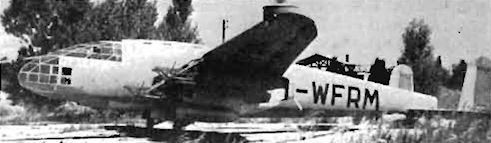
Twenty flights in all were done between 1948 and 1950. At some point in 1950, the Br-482 was transferred out of the French air force’s inventory and given the civil registration F-WFRM.

The Br-482 was discarded on 13 September 1950. The deactivated plane, stripped of the engines and equipment, was still in existence as late as 1952 when it was presumably finally scrapped.

Gallery

Br 482
Engines: 4 × Hispano-Suiza 12Z, 1,007 kW (1,350 hp) (take off power)
Wingspan: 24.09 m (79 ft 0 in)
Wing area: 64.4 m2 (693 sq ft)
Length: 18.86 m (61 ft 11 in)
Height: 5.21 m (17 ft 1 in)
Empty weight: 10,450 kg (23,038 lb)
Gross weight: 14,500 kg (31,967 lb)
Maximum speed: 560 km/h (348 mph; 302 kn) at 8,000 m (26,250 ft)
Cruising speed: 529 km/h (329 mph; 286 kn)
Range: 1,519 km (944 mi; 820 nmi)
Service ceiling: 12,000 m (39,370 ft)
Crew: 3
Armament: 1 x Hispano-Suiza HS.404 20mm gun firing forward (500 rds), twin Reibel 7.5mm machine gun in the dorsal position (600 rds), two loose MAC-1934 7.5mm machine guns firing from drop-down belly mounts.
Bombload: 5,500 lbs / 2500 kg

Br.482B.4
Engines: 4 x Hispano-Suiza 12 Y 51, 1100 hp
Wingspan: 24.20 m
Wing area: 67.90 sq.m
Length: 18.60 m
Height: 4.25 m
Empty weight: 9500 kg
Normal takeoff weight: 16,060 kg
Cruising speed: 400 kph
Practical range: 2500 km
Practical ceiling: 9000 m
Crew: 4
Armament: one 20-mm cannon Hispano-Suiza / four 7.5-mm machine gun Darne
Bombload: 2500 kg

Br.480
Br.482

Breda-Zappata BZ.308

Designed by Filippo Zappata, the 1948 Breda-Zappata BZ.308 was a four engined airliner evolved from the Zappata Z.511/BZ.305. The BZ.308 was designed primarily for trans-Atlantic services between Italy and the Latin American countries, and four were ordered by Argentina.

Powered by four 1750 hp Bristol Centaurus 568 radials, one prototype was built, employed by the Italian Air Ministry.

Engines: four 1750 hp Bristol Centaurus 568
Wing span: 138 ft 2 in / 33.50m
Length: 110 ft
Empty weight: 50,706 lb
Loaded weight: 79,366 lb
M ax speed: 311 mph
Cruise: 262 mph
Crew: 5
Passengers: 55