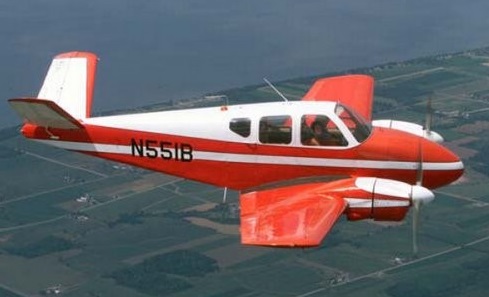
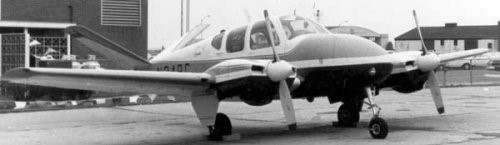
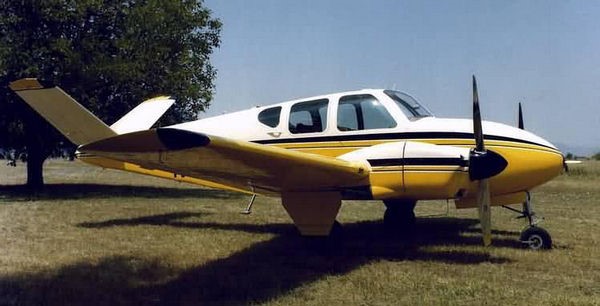
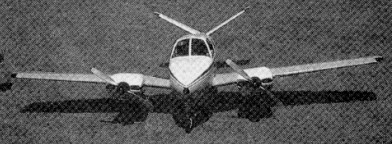
All of the twin V-tails are converted single-engine Bonanzas. A prototype flew in 1956 and was built by Mr. David G. Peterson and his Skyline, Inc. At the time, Peterson was chief pilot for Sinclair Oil Company in Tulsa, Okla¬homa.
To help sales, a Pan American World Airways pilot, ‘Chuck’ Banfe, flew a Super-V round the world, to and from Honolulu, between 15 and 24 October, 1960, covering some 21,000 miles (33,800 km) in 212 hours. This aircraft (originally c/n SV 101) was later rebuilt by Fleet as SV 116 and became the company’s demonstrator.
Rights then went to Oakland Airmotive (later renamed Bay Aviation) in 1959, who converted several Bonanzas renamed Oakland Super V. The modifications to twin engine were so extensive that the Super V was certificated as new aircraft by the FAA. Bay assigned construction numbers SV 110 and SV 111 but the aircraft were not built.
Bay sold tooling, engineering data and type certificate for the Super V to Fleet Aircraft, Inc., of Buffalo in 1961. Arrangements had been made in 1961 to move the basic conversion programme to Fort Erie, where work was started in January 1962. Several modifications and design improvements were made by Fleet, including new engine cowls for the Lycoming O-360-A1A engines which had replaced the A1B fuel-injection engines previously used; a nose-cone for a landing light; better soundproofing; an improved entry door; and a revised instrument panel. Canadian certification was also obtained. Five more were produced in 1962/1963.
Although the structural details of the original Super-V were generally similar to those of the Bonanza, the modifications were extensive enough to require recertification as a new aircraft. The wings and fuselage were similar, but greatly strengthened, and engine mountings had to be designed for the wing. A glass-fibre fairing covered the nose, where the additional capacity was used for baggage. The leading edges of each wing were sealed to provide integral tanks for 30 US gal (114 litres), giving a total fuel capacity of 100 US gal (378 litres).
The five new Super-Vs built by Fleet in Canada were: SV 112 (N249C), SV 113 (N551B), SV 114 (N4559V), SV 115 (N1T) and SV 117 (N457B). The respective c/ns of the Bonanzas used for these conversions were D-1243, 1569, 1388, 422 and 1474. SV 110 and 111 were not built, and two SV 102 and 103, had by the end of 1963 been destroyed.
The Super V was not a marketing success and some 14 were actually produced.
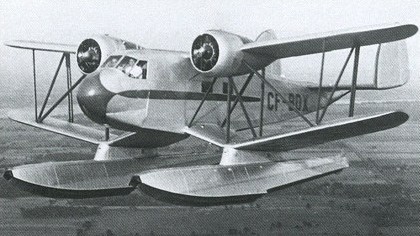
The Fleet 50 Freighter was a twin-engine biplane Canadian general utility aircraft designed and built by Fleet Aircraft. Design was started in 1936 to create a general purpose twin-engined utility aircraft for the Canadian market. It was designed as a short take-off freighter with features added to ease cargo handling. The Freighter was a biplane with the lower wing an inverted gull wing with either a float or wheel landing gear. Two radial piston engines were mounted in nacelles on the upper wing panels.
The fuselage structure was welded steel tubing with duralumin formers, and a semi-monocoque duralumin nose section. The wings were stressed-skin metal structure on the inboard panels and fabric-covered wood beams and duralumin ribs on the outboard panels. The fuselage had room for two crew and up to ten passengers. Large doors and a roof-mounted chain hoist were fitted for use in the cargo role.
The prototype designated the 50J first flew on 22 February 1938, powered by two 285 hp (213 kW) Jacobs L-5MB 7-cylinder radial engines. It was later re-engined with 330 hp Jacobs L-6MB engines and re-designated the 50K. A further four aircraft were built, all with L-6MB engines.
None of the aircraft was operated for long, as the design was under-powered and could not maintain altitude on only one engine.
Fleet 50K landplane Engines: 2 × Jacobs L-6MB 7-cylinder radial engine, 330 hp (246 kW) each Length: 36 ft 0 in (10.97 m) Wingspan: 45 ft 0 in (13.72 m) Height: 13 ft 1 in (3.99 m) Wing area: 528 ft² (49.05 m²) Empty weight: 4600 lb (2087 kg) Gross weight: 8326 lb (3777 kg) Maximum speed: 150 mph (241 km/h) Range: 650 miles (1046 km) Service ceiling: 15,000 ft (4570 m) Crew: 2 Capacity: 10 passengers or freight
The pre war German airshow flier Gerhard Fieseler enlisted Lippisch’s help in designing a two seat tailless touring aircraft for the 1932 Europarundflug the air races and trials then held every four years. Fieseler’s F3 Wespe (Wasp) or Delta IVb had delta wings which folded (Rundflug aircraft had to be able to fit into a small storage shed) and two engines arranged in a centreline thrust push pull configuration. Fieseler flew it before Lippisch was fully satisfied with the design. He crashed, and rapidly lost interest in tailless aircraft. The F3 had tractor and pusher engines, and rebuilt, he hired a young man named Wiegmeier, who proceeded to crash both Deltas III and IV on consecutive flights. Lippisch fired him. Lippisch was able to rebuild the Wespe once again as the DFS 39 Delta IVc, a single engined two-seater with a drastically modified wing planform incorporating sharply drooped tips. The modified type was awarded a certificate of airworthiness in 1936 and won Lippisch leadership of the design team for Projekt X.
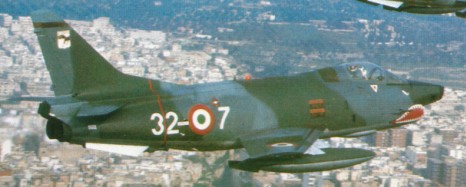
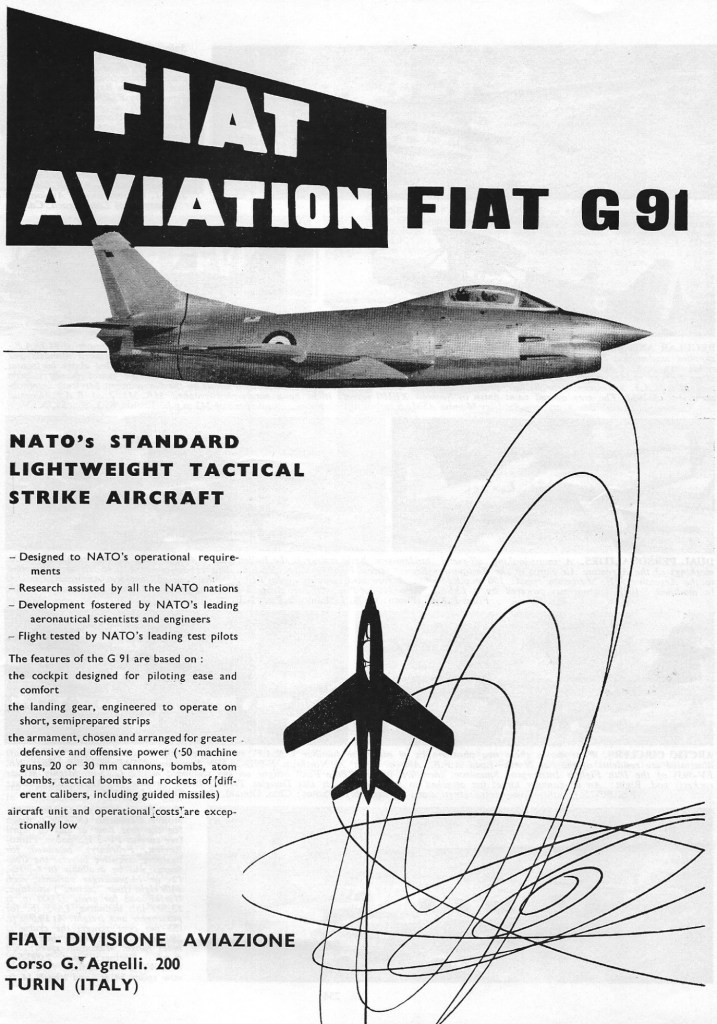
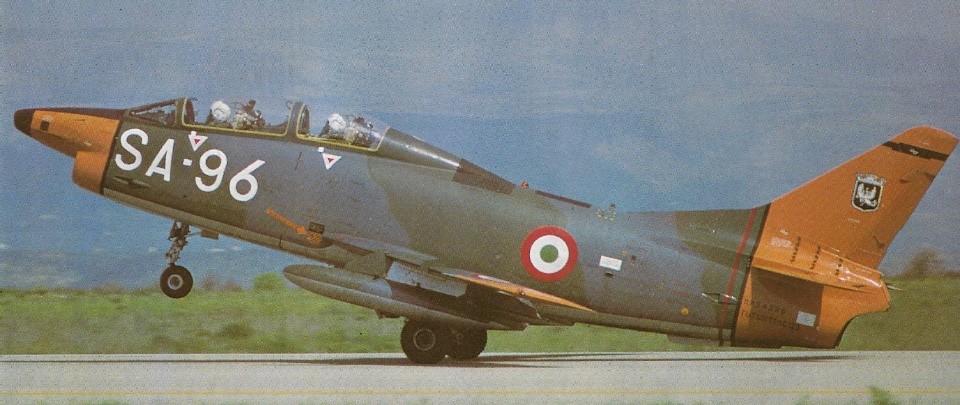
In 1954, NATO publicised the specifications for the project through the Mutual Weapon Development Programme, announcing a competition which would involve major European aerospace industries. The theme of the contest was obviously the design of a fighter intended to undertake close air support, reconnaissance and light interdiction missions, NMBR/1. Empty weight should not exceed 8 000 lbs (3,630 kg) and the fighter should be easily maintained, with high manoeuvrability and reasonable speed at low level. Fundamental to the project was the capability to operate from grass strips, semi-prepared runways and small airfields. The aim of the project was to release close air support fighters from dependence on traditional large air bases which would surely be amongst the first targets to be destroyed in any conflict. The Italian design emerged as the winner from a number of submissions and would be produced by Fiat Aviazione. It was assigned the designation G-91. An order was placed in June 1955 for three prototypes and 27 pre¬production aircraft.
The airframe low-set wings featured a 37 degrees sweepback, and swept-back tail surfaces. Conventional ailerons, elevator, rudder, and slotted flaps are fitted, and variable incidence tailplane. Two air-brakes side-by-side are fitted under the centre-fuselage. The tricycle undercarriage has single wheels on each unit. The main wheels retract inward into the fuselage and the nose wheel retracts rearward. Fuel tanks in the fuselage can be supplemented by underwing tanks.
Designed by Giuseppe Gabrielli, the first prototype flew on August 9, 1956, powered by a 1837 kg (4050 1b) st Bristol Orpheus B Or.1 turbojet. Control problems arose later during a high speed level run, and the structural failure of the tail caused the pilot to eject. After exhaustive tests on the tail unit the second prototype was fitted with a larger tailplane and a small ventral keel; the cockpit was also raised by some 63 mm (2.5 in). Powered by a 2200 kg (4850 1b) st Bristol Orpheus B Or. 3 turbojet, this aircraft flew for the first time in July 1957. It was equipped with one of the basic sets of armament: four 0.50 in (12.7 mm) Colt Browning machine¬guns, two mounted on each side below the cockpit and each having 300 rounds of ammunition. Alternative installations were two 20 mm (0.79 in) or two 30 mm (1.18 in) cannon (one each side), with 200 or 120 rounds respectively. The guns could be supplemented by two underwing packs of 25 51¬mm (2in), 15 70 mm (2.75 in) or six 127 mm (5in) rockets, or two 250 kg (551 lb) bombs.
Construction was conventional and simple. There was an all metal semimonocoque fuselage built in three sections, with an armoured cockpit fitted with a Martin Baker Mk 4 ejection seat. The nosewheel retracted rearward under the cockpit, the main undercarriage inward into a central fuselage bay. A braking parachute was fitted at the base of the rudder. The first of the preproduction G91s was flown in February 20, 1958, and in August of that year the 103O Gruppo Caccia Tattici Leggeri (Light Tactical Fighter Group) of the Italian air force was formed for operational evaluation. After limited squadron service, 16 of the preproduction aircraft were modified in 1964 for use by the Italian aerobatic team, receiving the new designation G91PAN (Pattuglia Acrobatica Nazionale).
July 1958
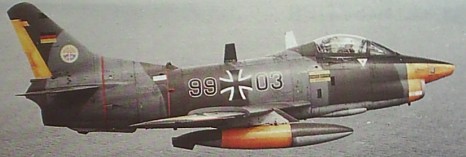
Two basic service versions of the original G91 were developed: the 1959 G91R single seat reconnaissance fighter and the G91T tandem two seat combat trainer/tactical fighter. Both had shortened and revised nose housings for three Vinten aerial cameras for forward and lateral oblique photography. Twenty four G91R/Is and the same number of R/IAs (with improved navigational aids) were delivered to the Aeronautica Militare Italiano, together with 50 G91R/111 fighter bombers. These models all carried the armament of four 0.50 in (12.7 mm) machine guns, as did the 101 G91T/1 trainers also delivered. It was, however, the Federal German Luftwaffe which employed the largest number of G91s, receiving 344 G91R/3s, nearly 300 of which were built in that country by Dornier, Heinkel and Messerschmitt. Fifty Italian built G91R14s and 66 Fiat/Dornier built G91T/3s, all with twin 30 mm (1.18 in) DEFA cannon, also served with the Luftwaffe. The German G91Rs (transferred later to the Portuguese air force) had two additional underwing pylons inboard, each capable of carrying 227 kg (500 lb) of stores.
The initial production variant was the G91R-1 which entered service with the Italian air force at the beginning of the 1960s, this air arm eventually acquiring over 100 similar aircraft. However, it was West Germany which proved to be the major customer, receiving a sizeable batch of Fiat-built G91R-3 aircraft plus a substantial number built under licence by a consortium comprising Dormer, Messerschmitt and Heinkel. The first German-built example of the G91R-3 made its maiden flight from Oberpfaffenhofen during July 1961, and the type entered service with Aufklärungsgeschwader 53 at Leipheim during 1962.
In 1964 West Germany cut down the intended size of its Luftwaffe because of shortages of funds and manpower. They will reduce the nine F-104G Starfighter squadrons to seven, and two Fiat G.91 reconnaissance squadrons instead of four. First line strength will be 380 F-104G’s and 170 G.91’s.
In the event, Germany’s Luftwaffe also operated some 50 or so G91R4 aircraft, originally being earmarked for equal distribution between Greece and Turkey, which eventually rejected them. After a fairly short career with the Luftwaffe, 40 of these aircraft were transferred to Portugal alongside a number of G91 R-3s made redundant when the Luftwaffe re-equipped its light attack units with DassaultBreguet/Dornier Alpha jets in the late 1970s and early 1980s.
In the spring of 1965 details were announced of the G91Y, a single seat twin jet tactical fighter bomber developed as a follow on type for the AMI. Based on the two seat G91T airframe, it incorporated two 1235/1850 kg (2722/4078 1b) st General Electric J85 GE 13A afterburning jet engines, mounted side by side in the rear fuselage and giving 60% more total thrust. Two prototypes (converted G9ITs) were flown on December 27, 1966, and September 1967, respectively. In July 1968 the first of 20 preproduction G91Ys appeared, and orders for a further 45 followed. Delivery of these was completed by mid 1976, and they are now in service with the 1O and 13O Gruppi in Italy. They have provision for JATO (jet assisted takeoff) units which can halve the distance required for takeoff, and three nose¬mounted cameras are fitted as standard. Armament comprises two 30 mm (1.18 in) DEFA cannon in the nose, and four under¬wing hardpoints for up to 1814 kg (4000 lb) of bombs, rockets or napalm canisters.
During the 1960s within the ranks of the AMI General Staff (Stato Maggiore), the idea began to emerge of a new type with higher performance than that offered by the G-91R. To avoid protracted development and coincident cost increases, Gabrielli based his design on the same aerodynamic formula as that adopted by the G-91R. Similarly, the requirements specified by the AMI were in part based on those of its predecessor and included high manoeuvrability, high subsonic speed (Mach 0.95) at low level, mechanical simplicity, high operational efficiency and the ability to operate from small fields. Payload and radius of action were greatly increased and a more complex electronic fit was embodied, although this was relatively simple to achieve since the G-91R carried only rudimentary equipment. The new aircraft would be equipped with a navigation and attack system, with a gyroscopic collimator as well as an inertial platform, which at the time constituted a useful electronics fit. Consistent with thinking of the period, no passive or active ECM package was planned. Adoption of a twin-engine formula using two general Electric J85-GE13A turbojets was planned to give the type good flight safety. Nevertheless, the configuration of the air intake system was designed in a way that later caused problems and the loss of some aircraft. The front air intake, shared by both power units, splits into a ‘y’ form near the cockpit and it was this layout which was to be the source of a number of failures. In comparison with the G-91R, the G-91Y features a 24 per cent increase in empty weight, a 73 per cent improvement in payload, a 63 per cent increase in take-off power and double the fuel load. The J85 provides 1,235 kg of ‘military’ thrust, climbing to 1,850 kg when afterburner is selected. The G-91Y was also designed to accept JATO rockets and can utilise a catapult device for take-off, something that necessitated enlargement and strengthening of certain undercarriage components. Installation of a ventral hook allows the use of arrester barriers.
G-91R
With regard to electronics, besides the normal communications equipment, the G-91Y possesses an inertial platform, a position and homing indicator (PHI), a doppler radar, an air data calculator, a radar altimeter, a radio compass and a gyroscopic calculator. Armament comprises two 30 min DEFA 552 cannon with 125 rounds each. External stores are fixed to four wing pylons, two on each side, with a maximum load 1,815 kg. The Yankee is also equipped for daylight tactical reconnaissance and carries three lateral TA-7M2 cameras and a forward-looking KA-60C camera with a rotating prism for panoramic work. All cameras are housed in the nose section. The first prototype G-91Y made its maiden flight from Turin-Caselle on 27 December 1966 and was subsequently used to explore the flight envelope. The second prototype was used for weapons trials and electronic system tests and featured modifications to the windscreen as well as the nose contours. It also had a double engine cooling air intake replacing the original, which was located at the base of the dorsal fin. The flight test programme was rapidly brought to a conclusion and in July 1968 the first production example was flown. Nevertheless, deliveries of the type to operational units only began two years later, as problems concerning the engines had first to be resolved. The first unit to receive the type was the 101st Gruppo of the 8th Stormo, which deployed temporarily to the experimental base at Pratica di Mare for transition to the new aircraft. For nearly four years, the Gruppo was the only one to operate the G-91Y and it struggled to achieve operational status and overcome the problems that construction of only two prototypes had prevented the manufacturer from solving. Later, in 1974, the 13th Gruppo of the 32nd Stormo began transition to the new type which was at last adjudged to be fully operational. In total, production of the G-91Y amounted to some 65 aircraft (MM6441-MM6495 and MM6951-MM6960), to which should be added two prototypes (NIM579 and MMS80). The final batch of eight (MM6961-MM6968) was cancelled and the last Yankee was assigned to the 32nd Stornio in 1976. In addition about 160 examples of the two-seat G91T trainer variant were also completed and this has also seen service with Italy, Portugal and West Germany. The G-91 was also evaluated by the Schweizerische Flugwaffe (Swiss Air Force) as a possible Venom replacement. In the light of Swiss interest, Aeritalia modified a production example (MM6461, c/n 2023), transforming it into the prototype ‘G-91YS’. These modifications comprised the addition of two underwing pylons capable of launching the AIM-9 Sidewinder and the replacement of the nose cameras by a Swedish-designed laser aiming system. The new nose was slightly elongated and two ventral fins were added to the two already present. Maximum takeoff weight rose from 8,700 kg to 9,000 kg, thereby increasing the take-off run by around 20 per cent. The new version was a finalist in a fly-off competition with the Vought/LTV A-7 Corsair II but negotiations were suspended and no other nation showed interest in buying the Aeritalia fighter. Principal versions – G91 (initial light attack model), G91R/1 (attack and reconnaissance model), G91R/1A (version with improved navigation system), G91R/1B (strengthened and updated version of the G91R/ 1A), G91R/3 (West German model with two 30¬mm cannon, Doppler navigation and other im¬provements), G91R/4 (G91R/3 variant with the armament of the G91R/1), G91T/1 (Italian two-seat trainer with two 0.5-in/12.7-mm machine guns), and G91T/2 (West German version of the G91T/1).
G91R Engine: 1 x Fiat-built Bristol Siddeley Orpheus 80302, 5000 lb Wingspan: 28 ft 1 in Wingarea: 176.7 sq.ft Length: 33 ft 9 in Height: 13 ft 1 in Empty weight: 6700 lb MTOW: 11,465 lb Max speed: 668 mph / M0.88 at SL Max ROC: 6000 fpm
G91R/1 Engine: one 5,000-lb (2,268-kg) thrust Fiat-built Rolls-Royce (Bristol Siddeley) Orpheus Mk 803 turbojet. Maximum speed 675 mph (1,086 km/h) at 4,920 ft (1,500 m) Initial climb rate 6,005 ft (1,830 m) per minute Service ceiling 42,980 ft (13,100 m) Radius 199 miles (320 km). Empty weight: 6,834 lb (3,100 kg) Maximum take-off weight: 12,125 lb (5,500 kg). Wing span 28 ft 1 in (8.56 m) Length 33 ft 9.5 in (10.30 m) Height 13 ft 1.5 in (4.00 m) Wing area 176.75 sq ft (16.42 sq.m). Armament: four 0.5-in (12.7-mm) machine guns / 1,500 lb (680 kg) of disposable stores.
FIAT G 91 R3 Gina Engine: Bristol Siddeley Orpheus 801, 22269 N / 2270 kp Length: 33.05 ft / 10.06 m Height: 12.992 ft / 3.96 m Wingspan: 27.986 ft / 8.53 m Max take off weight: 12502.4 lb / 5670.0 kg Max. speed: 580 kts / 1075 km/h Service ceiling: 42979 ft / 13100 m Range: 999 nm / 1850 km Crew: 1 Armament: 4MG 12,7mm 2MK 30mm Hardpoints: 4
G91T/1 Span: 8.60 m (28 ft 2.5 in) Length: 11.70 m (38 ft 4.5 in) Height: 14 ft 7.25 in / 4.45 m Gross weight: 6050 kg (13338 lb) Maximum speed: 1030 km/h (640 mph) at 5000 ft / 1525 m Service ceiling: 40,000 ft / 12190 m
G91Y Engines: two General Electric J85GE-13A turbojet, 1851 kg (4080-1b) afterburning thrust. Maximum speed 1110 km/h (690 mph) at SL Maximum speed 1038 km/h (645 mph) at 30,000 ft / 9145 m Cruise: 497 mph / 800 kph at 35,000 ft / 10670 m Initial ROC: 17,000 fpm / 5180 m/min Time to 42,000 ft / 12200m; 4 min 30 sec Service ceiling 12500 m (41,000 ft) Combat radius at sea level 600 km (372 miles) Ferry range 3500 km (2,175 miles) Empty weight 3900 kg (8,598 lb) Maximum take-off 8700 kg (19,180 lb). Wingspan 9.01 m (29 ft 6½ in) Length 11.67 m (38 ft 3½ in) Height 4.43 m (14 ft 6 in) Wing area 16.42 sq.m (176.74 sq.ft).
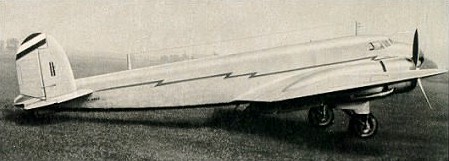
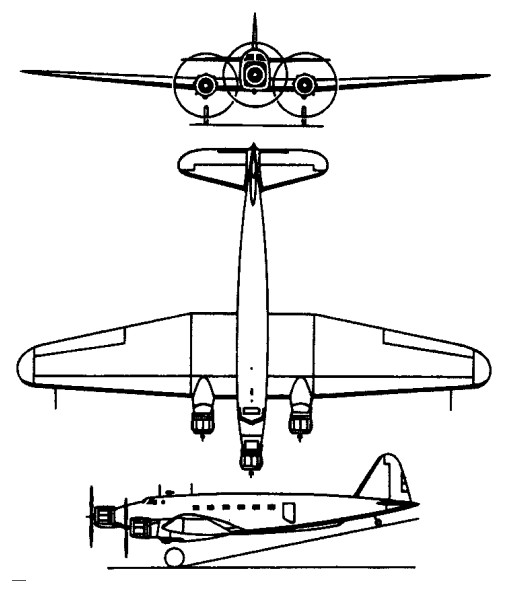
Designed by Celestino Rosatelli as a twin-engined multi-seat fighter and attack monoplane, ten built, later being used as transports. The CR.25 was operated on Boccadifalco airfield, Palermo, Sicily. Four machine guns (12,7 mm) were planned before production but never mounted because of the weight on the nose. The final form had 2 x 12,7 in the nose plus 1 x 12,7 on a turret.
Engine: 2 x FIAT A.74 R.C.38, 620kW Max take-off weight: 6180 kg / 13625 lb Empty weight: 3900 kg / 8598 lb Wingspan: 16.0 m / 52 ft 6 in Length: 13.6 m / 44 ft 7 in Height: 3.4 m / 11 ft 2 in Wing area: 39.2 sq.m / 421.94 sq ft Max. Speed: 490 km/h / 304 mph Cruise speed: 390 km/h / 242 mph Ceiling: 8100-9800 m / 26600 – 32150 ft Range w/max.fuel: 2100 km / 1305 miles Range w/max.payload: 1500 km / 932 miles Armament: 4 x 7.7mm machine-guns, 1 x 12.7mm machine-guns, 500kg of bombs Crew: 3
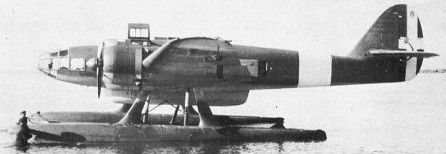
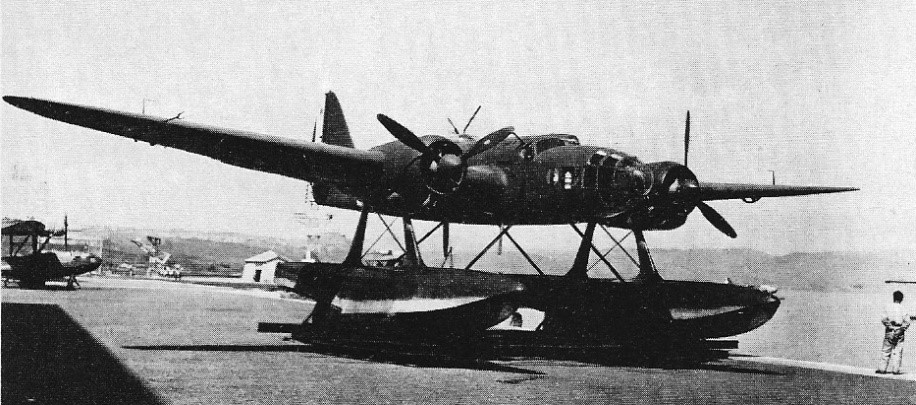
On receiving a joint requirement from the air force and the navy, CMASA, a FIAT subsidiary, developed the RS.14 a floatplane for maritime reconnaissance. 152 examples were produced (including the prototypes), and were used with great success. The aircraft could also be converted for attack missions by fitting a canoe-shaped belly pod able to carry to 400 kg of bombs.
In the summer of 1943 a land-based version with retractable landing gear and 6 12,7 mm machine-guns and a 37 mm cannon was produced and designated A.S. 14. 184 plus 2 prototypes were built.
Fiat R.S. 14 Engines: 2 Fiat A.74 RC.38, 649 kW(882 hp) Empty weight: 5470 kg Takeoff weight: 8470 kg Wingspan: 19,54 m Lenght: 14,10 m Height: 5,63 m Wing Area: 50,00 square metres Max speed: 390 km/h Ceiling: 6300 m Range: 2500 km Climb to 5000 m: 15 minutes Armament: 1×12,7 mm machine-gun in the dorsal turret; one 7,7 machine-gun on each side; 400kg of bombs in a ventral canoe-shaped pod . Crew: 5
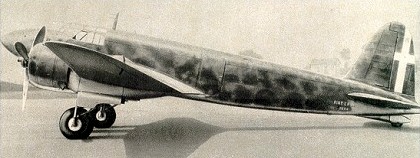
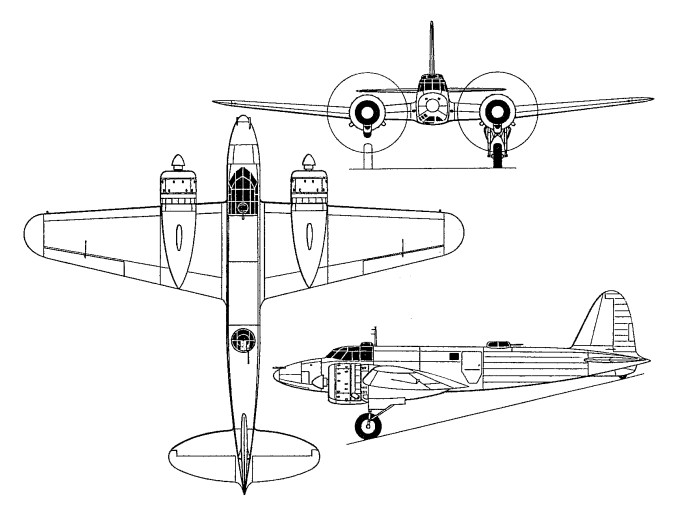
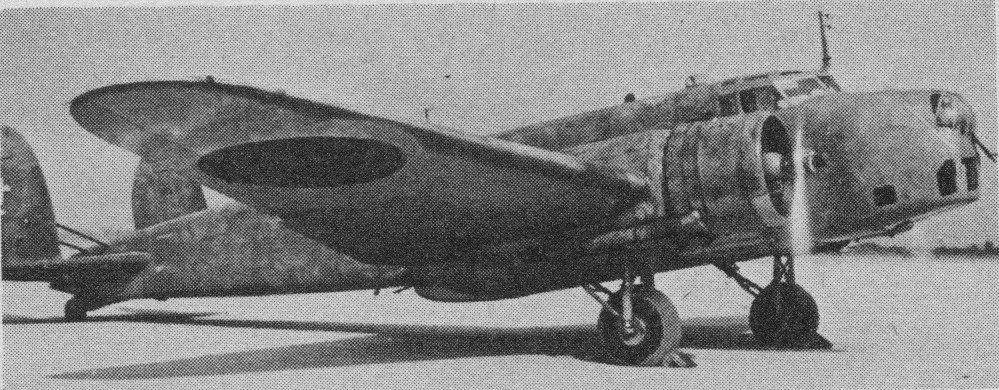
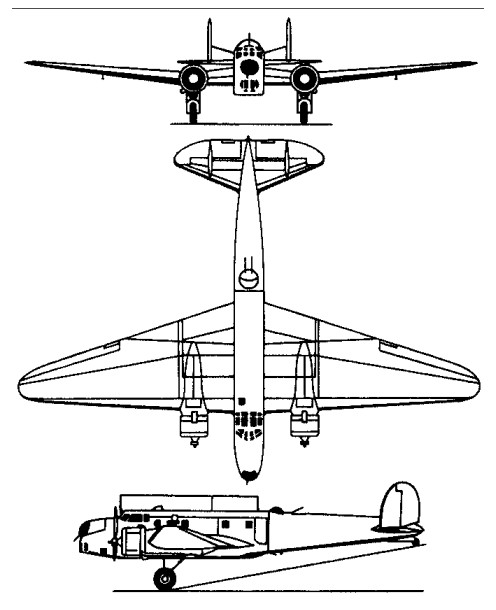
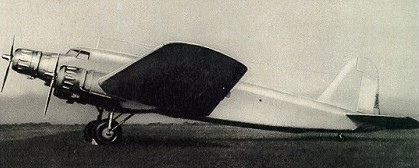
A medium bomber, the Fiat BR.20 Cicogna (stork) series was nearing obsolescence by the outbreak of World War II. Designed by Ingeniere Celestino Rosatelli, and owing much of its design to the Fiat APR.2 commercial transport, the Fiat B.R.20 prototype flew first on 10 February 1936.
Powered by two 745kW Fiat A.80 RC.41 radial engines, the B.R.20 possessed a maximum speed of 430km/h at 4000m, and was armed with two 7.7mm and one 12.7mm machine-guns. The first unit of the Regia Aeronautica to receive B.R.20s was the 13º Stormo BT stationed at Lonate Pozzolo: the 7º Stormo BT, also at Lonate, received Fiat B.R.20s in February 1937. Elements of the 7º and 13º Stormi BT were despatched to Spain in May 1937 for combat experience, while other B.R.20s were exported to Japan, and saw service with indifferent results in China and Manchuria as the JAAF’s Army Type 1 Model 100 Heavy bomber. Modified nose contours, increased armour protection and revised armament featured in the B.R.20M, of which 264 were produced.
When Italy declared war on 10 June 1940 the Regia Aeronautica had 162 Fiat B.R.20s and B.R.20Ms in commission with the 7º, 13º, 18º and 43º Stormi BT. The first bombing mission was made on 13 June when 19 B.R.20Ms of the 13º Stormo BT attacked installations at Hyeres and Fayence in southern France. A detachment of 80 B.R.20MS of the 13º and 43º Stormi BT were sent to the Belgian airfields of Chieveres and Melsbroeck in late September 1940 to assist the Luftwaffe in its bombing campaign against England. As part of the Corpo Aereo Italiano the B.R.20Ms suffered losses as a result of crew failings and fighter attacks. The campaign in Greece saw the 116º Gruppo (37º Stormo) in action from bases in Albania, followed by action over Crete, and on a day and night attacks against Malta. In the USSR B.R.20MS of the 38º and 116º Squadriglie operated from August 1942 in the southern sector.
Fifteen of the improved B.R.20bis model were produced. These were powered by two 932kW Fiat A.82 RC.42S engines, had additional 7.7mm machine-guns and a power-operated dorsal turret. Early in 1943 the B.R.20M bomber had been withdrawn from active service with the Regia Aeronautica, units being re-equipped either with CANT Z.1007s or with Savoia-Marchetti S.M.79S. Production totalled 602 of all marks.
In 1938 the JAAF purchased 80 BR.20 bombers for use in China, designated Type-I Italian Type. Western sources originally called it ‘Mikado’. It appeared in code lists as ‘Ruth’.
JAAF BR.20
FIAT BR. 20 Cicogna Engine: 2 x FIAT A. 80 RC.41, 986 hp / 745kW Length: 53 ft 2 in / 16.2 m Height: 14.108 ft / 4.3 m Wingspan: 70 ft 10 in / 21.56 m Wing area: 796.536 sqft / 74.0 sq.m Max take off weight: 21829.5 lb / 9900.0 kg Weight empty: 14112.0 lb / 6400.0 kg Max. speed: 267 mph / 233 kts / 432 km/h at 4000m Cruise speed: 340 km/h / 211 mph Service ceiling: 29528 ft / 9000 m Wing loading: 27.47 lb/sq.ft / 134.0 kg/sq.m Range w/max.fuel: 1620 nm / 3000 km Armament: 1x MG 12,7mm, 2x MG 7,7mm, 1600kg Bomb. Crew: 4-5
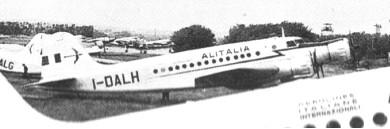
G.12C Engine: 3 x FIAT A.74 RC 42, 574kW Wingspan: 28.6 m / 93 ft 10 in Length: 20.16 m / 66 ft 2 in Height: 4.9 m / 16 ft 1 in Wing area: 113.5 sq.m / 1221.70 sq ft Max take-off weight: 12800 kg / 28219 lb Loaded weight: 8890 kg / 19599 lb Max. Speed: 396 km/h / 246 mph Cruise speed: 308 km/h / 191 mph Ceiling: 8000 m / 26250 ft Range: 1740 km / 1081 miles Crew: 3 Passengers: 14
G.12L Engines: 3 x Fiat A.74 RC.42, 770 hp. Crew: 4. Pax cap: 13.
The Felixstowe F.5 is a four-seater seaplane of British maritime reconnaissance aircraft developed at the end of the First World War. Designed to combine the same payload and the operating range of the Felixstowe F.3 with qualities of handiness and the performances of the Felixstowe F.2a. The last aircraft designed by John C. Door, the prototype, N90, first flew in May 1918, the aircraft met expectations, the hull supporting maritime conditions of the North Sea, and production was launched.
To accelerate production and for economic reasons, The F.5 adopted many elements already built for the F.3. Preserving practically only the hull of the prototype, with the aerofoil and the engines of the F.3, the craft had performances lower than the prototype, the F.2a, and even than the F.3.
F.5 entered service only after the First World War ended, and replaced in the RAF the Felixstowe F.2a, F.3 and Curtiss H-16 . It became the standard aircraft of the RAF until the commissioning of the Supermarine Southampton in 1925. Nine squadrons were in the RAF equipped with the F.5.
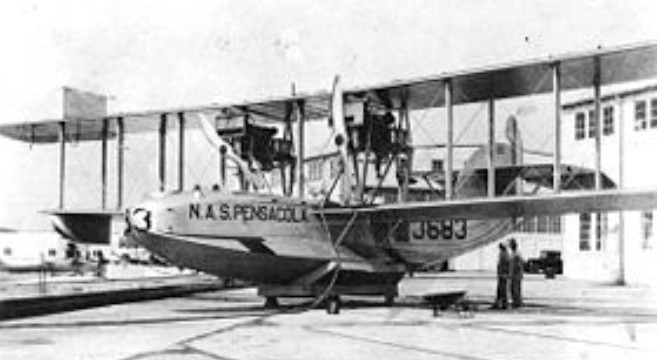
The U.S. Navy was interested in Felixstowe F.5 but wished that the craft be produced in the United States and tailored to their needs. Parts were delivered to Naval Aircraft Factory, Philadelphia, in March 1918, and work began immediately. The Rolls-Royce Eagle were replaced by Liberty. The F5L the prototype made its first flight July 15, 1918. Often wrongly called Curtiss F.5L, 227 were built:
The F.5L remained in service in the U.S. Navy until replaced in 1928 by the PN-12, used for coastal patrols or missions of coastal artillery adjustment.
Between 1920 and 1921, the Aeromarine Plane and Motor Company subsidiary Aeromarine Airways, used 8 F.5L surplus from the U.S. Navy. Equipped for the transport of 10 passengers, these were sometimes called Navy Cruiser and were used in November 1920, between Key West , Florida and Havana , Cuba . One of these seaplanes, from the 1st November 1920, flew the first international air mail service on behalf of the U.S. Post Office. Aeromarine Airways also flew the seasonal services Miami – Bimini – Nassau , New York City – Atlantic City and Cleveland – Detroit from July 14, 1922. These were named Santa Maria / Wolverine, Pinta, Niña, Columbus, Balboa, Ponce de Leon, Buckeye and Mendoza. The latter is famous for having flown over New York with 27 people on board in May 1922.
In 1920, Shorts Bros. export some F.5 to Japan, which then bought a license. The arsenal of Yokosuka to build 10, Aichi 40 and arsenal Hiro 10 before developing in 1927 from F.5 Hiro Type 15 (Hiro H1H).
In 1919, NAF built two F.5L [A4036/4037] with a significantly larger surface modified empennage. This tail will be adopted retroactively on F.5L in service.
In March 1919 Naval Aircraft Factory dispatched to New York City a F.5L specially designed for display. An aeronautical exhibition was organized by the Association of Manufacturers and the cell Aeronefs exposure would allow the public to understand how construtction device. So it was a cutaway that should not fly, but he was still a seral number [A-3882]. Transferred to the Smithsonian Institution in 1920, he became well cumbersome when it was decided ten years later to renovate the building that housed. The Smithsonian therefore proposed to return to the U.S. Navy, and this proposal was accepted, but the Smithsonian finally kept the hull, a wing float, a propeller and a bomb. The U.S. Navy had shelled the rest is all that remains today of the family seaplane designed by John C. Door , with the front part of an unidentified aircraft maintained by the Norfolk and Suffolk Aviation Museum of Flixton, in Great Britain .
Felixstowe F.5 Engines: 2 x Rolls-Royce Eagle VIII, 345 hp Wingspan: 31.6 m Length: 15.0 m Height: 5.7 m Wing area: 131 sq.m Empty weight: 4136 kg Loaded weight: 5765 kg Maximum Speed: 142 km / h Ceiling: 2070 m Range: 840 km Armament: 4 Lewis 7.7 mm Bombload: 418 kg Crew: 4
F-5-L Engines: Two 400-horsepower Liberty 12A Wingspan: 31.6 m (103 ft 9 in) Length: 15 m (49 ft 4 in) Height: 5.7 m (18 ft 9 in) Weight: Empty, 3,955 kg (8,720 lb) Gross, 6,169 kg (13,600 lb)
 All Aero