The Bartel BM-1 Maryla was a fighter aircraft design for the Polish military that did not advance beyond the design stage. It was designed in response to a Polish War Ministry competition in 1925 and was placed third, netting Bartel a zł 1,000 prize. Maryla was the name of Bartel’s wife. The design was a single-seat parasol-wing monoplane. A distinctive feature were Y-shaped struts joining wing with an undercarriage. It was not built.
Engine: 1 × Lorraine 12E Courlis or Hispano-Suiza 12 cylinder liquid-cooled 340 kW (450 hp) Wingspan: 11 m (36 ft 1 in) Wing area: 22 m2 (240 sq ft) Airfoil: Bartel 37/IIa Length: 7 m (23 ft 0 in) Height: 3 m (9 ft 10 in) Empty weight: 1,020 kg (2,249 lb) Gross weight: 1,500 kg (3,307 lb) Maximum speed: 285 km/h (177 mph; 154 kn) Crew: 1 Armament: 2 × fixed, forward-firing 7.7 mm (0.303 in) Vickers machine guns in the fuselage 2 × fixed, forward-firing 7.5 mm (0.295 in) Darne machine guns in wings
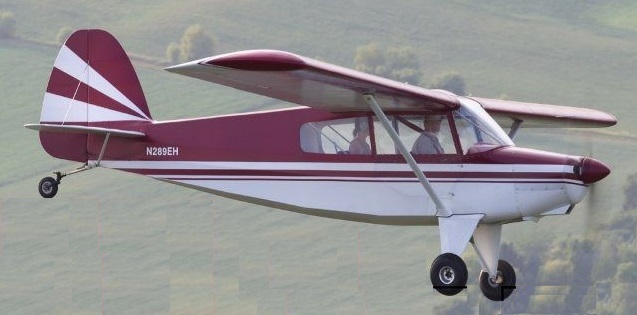
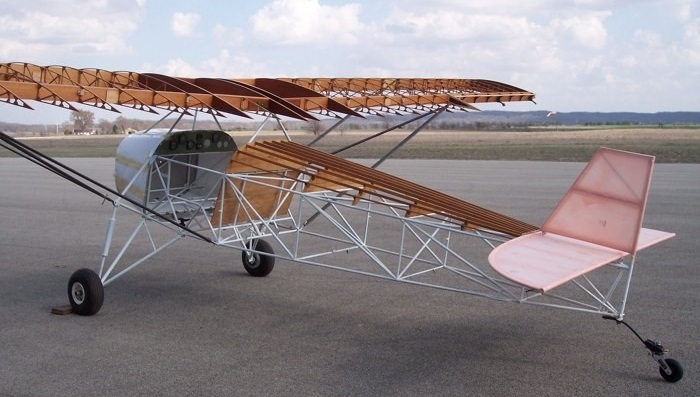
The prototype Bearhawk LSA N289EH had a Continental A65/75 engine, with an empty weight of 728 lb, with an aluminum prop and no electrics. Barrows estimates that 750 pounds is a realistic empty weight for a builder who works hard to keep the airplane light. With the LSA maximum gross weight of 1320 lbs. (in the utility category), this 2-place LSA has a very respectable useful load. Barrows has said that the airplane is really designed for a max gross weight of 1500 lbs (in utility category), so there is a built-in margin of safety for those who do not have to fly under the LSA rules. The Bearhawk LSA utilizes 4130 Chromalloy tube and fabric along with all-aluminum, flush riveted wings.
The Bearhawk LSA can take off in as little as 200 feet and climb at 1500 ft. per minute and then level off and cruise at 120 mph sipping only 5 gph. Barrows reports an economy cruise speed of about 110 mph sipping only 4 GPH with the Continental C-85 engine. With a 30 gallon tank that gives you over 7 hours in the air. Not many vehicles can do 110 mph only consuming 25 miles per gallon. If you want to get there a bit faster, you can push it up in cruise to 120 mph burning about 5 GPH.
The cabin width is a spacious 31” wide and 97” long. The Bearhawk LSA can be flown with the windows open for taking those perfect aerial photos.
Prices and contents of the Bearhawk LSA kits and components (2014): Standard QB Kit – $30,000 (requires some welding) Includes: Quick-build Wing Kit Standard Fuselage
Deluxe QB Kit – $36,000 (no welding required) Includes: Quick-build Wing Kit and Deluxe Fuselage Kit
Quick-build Wing Kit $15,500 These Wings are sold in an advanced level of completion. The top skin is fully riveted. Fuel tanks are included as are the ailerons.
Standard Fuselage Kit – $15,500 – Some welding is required but the fuselage frame comes fully welded with all of the major attachment fittings welded – unpainted (includes landing gear and motor mounts) Also includes Horizontal Stabilizer, Rudder and elevators as well as control sticks and rudder pedals. Deluxe Fuselage Kit – $21,500 – The same as Standard Fuselage but has all the tbs and the frame is primed and painted. Includes all pre-cut sheet metal, doors, and frames, fiberglass nose bowl, tail spring, seat frames, instrument panel blank, etc.
The prices and contents of the kits and components (2014): QUICK BUILD KIT $40,500 The Quick-Build Kit is on the FAA 51% approved kit list. Because the airframe is largely fabric covered and because of the way the FAA constructs its definition of the 51% rule, there is no actual structural fabrication to be done other than completing the riveting of the top skin. This is left partially open so the builder can access and install certain components. Although all of the wing control surfaces are almost ready to be installed, the builder must install the hinges first and then install them, which is part of the 51% program. The same thing is true of the tail, landing gear, control system, etc: the components are finished but must be installed. Assembly and installation not fabrication. The Quick-Build does not include windshield, tires and brakes, covering/painting materials, seats, upholstery kits, cables, pulleys and hardware.
Bearhawk LSA
For 2013 – included with the Quick Build Kit Complete set of plans, with serial number (Note: If you have purchased plans separately, the kit price will be reduced by $295.) Fuselage completely finish welded, no welding required. Ready for stringers, cover and systems installation. Landing gear and tail, completely finished, ready for cover and installation. Control system completely fabricated, ready to install. Wings finished, interior primed, with only the top skin which is already drilled and dimpled and ready to be riveted. Control surfaces assembled, ready to be installed/covered. Wing Struts with end fittings ready for drilling/installation. Fuel tanks ready to be installed (aux tanks optional). Motor mount ready to be installed. Choices are Lycoming 0-320/360, 0-540 and Continental 0-470. Firewall and boot cowl, ready for trimmimg and assembly (not drilled). Utility door and float attachment points standard. The frames for all seats are included. Builder will fabricate seat pans and upholstery. Wing tips fuel caps trim wheel w/chain aileron cable guards Flap/Aileron rod end bearings (10) gascolator clear windshield (tinted or UV block extra) Gerdes brake master cylinders (one set) Wing tie down rings Aileron bellcrank bearings (4)
Builders of the Bearhawk LSA can purchase the plans and can purchase some sub-kits or components.
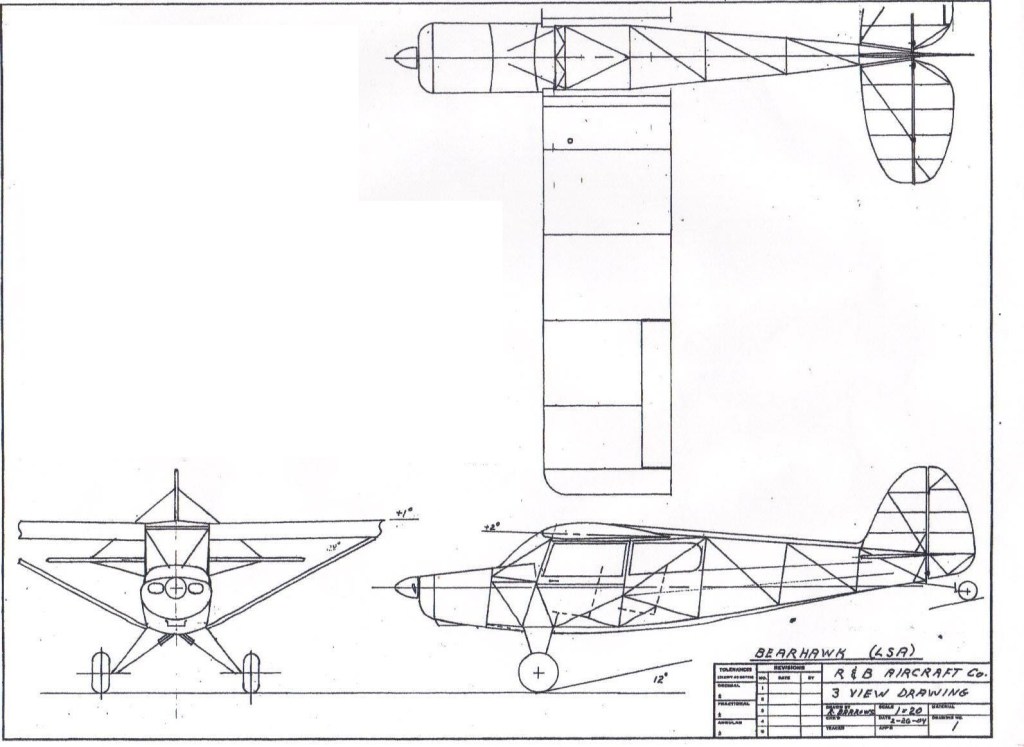
Bearhawk LSA Engine: Continental, 65-100 hp Wingspan: 34 ft Length: 22 ft 3 in Wing area: 170 sq.ft Gross weight: 1200-1500 lb Height 3 point: 75 in Empty weight: 750+ lb Fuel capacity: 30 USG Vne: 140 mph Landing speed: 30 mph Cruise speed: 100-125 mph Takeoff roll: 200-400 ft Fuel burn: 4-6 USG/hr Range w/res: 650 miles Cabin width: 31 in Seats: 2 tandem Cabin length: 97 in
Paul Barron of Dunedin, New Zealand, built a single place gyrocopter, obtaining most of the main components from Australia. The result was ZK-RCD, which first flew on 3 May 1998.
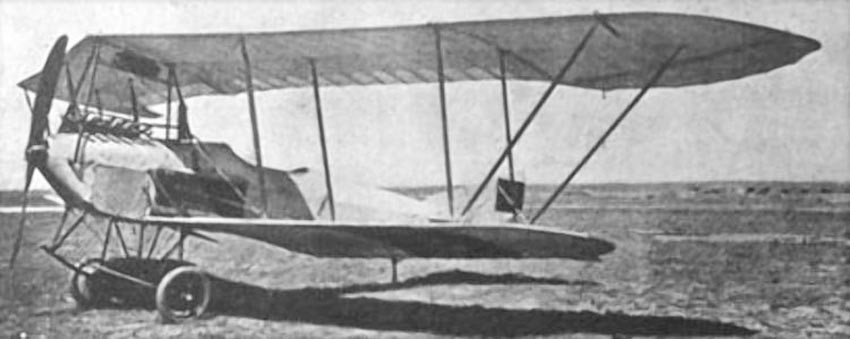
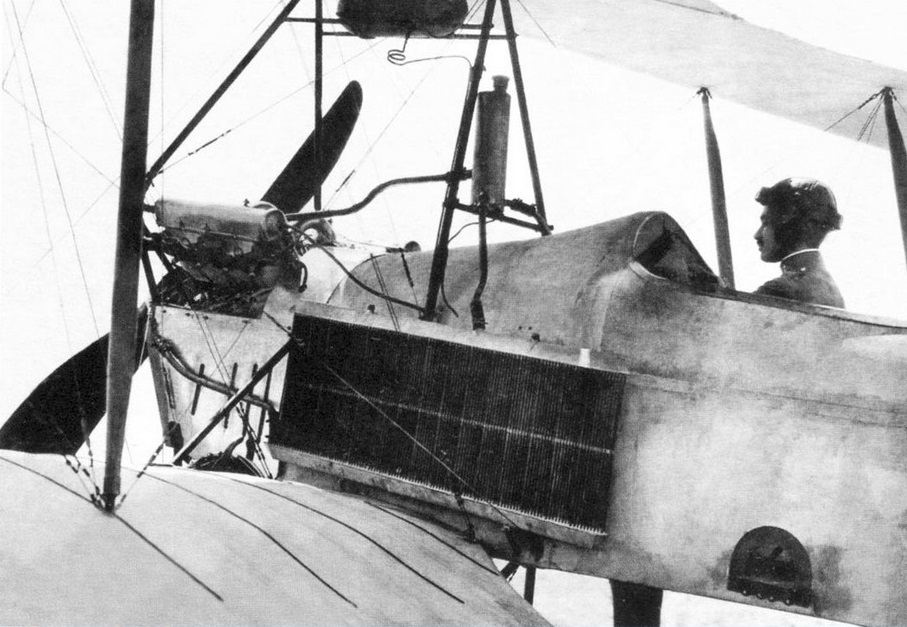
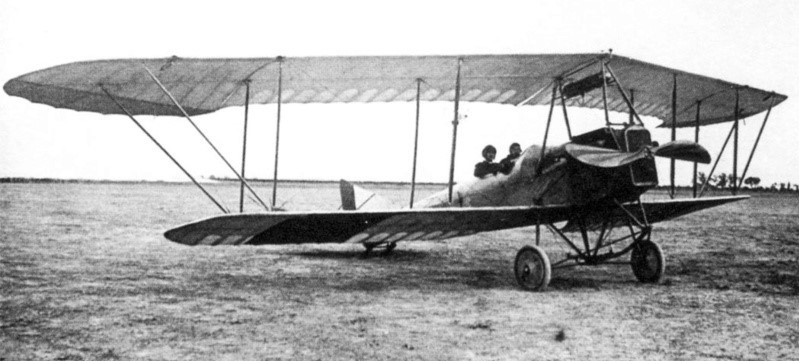
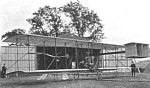
In 1913, several copies of the Austrian Lohner Pfeilflieger aircraft (later Lohner B.I) were brought to Spain. After reviewing the design of these aircraft from Eduardo Barron (Eduardo Barrón y Ramos de Sotomayor) decided to modify the Pfeilflieger.
As a result, on April 3, 1915, a new lightweight auxiliary aircraft, the Barrón Flecha (arrow), flew into the sky. After successful tests for the Spanish Air Force, six such aircraft were ordered. All of them were built in the workshops of Cuatro Vientos. Several aircraft like the Pfeilflieger were equipped with an Austro-Daimler engine with an output of 80 hp, and the rest received 100-horsepower Mercedes engines.
At the end of 1916, the Hispano Suiza 8A eight-cylinder engine with a power of 140 hp appeared. (103 kW). Eduardo Barron equipped this engine with one Flecha and arranged a demonstration flight for the King of Spain Alfonso XIII.
After receiving royal approval, Barron built 12 aircraft for the Aeronáutica Militar at the Carde and Escoriaza plant in Zaragoza. The military used Flecha until 1919. And Barron based on the Arrow has developed an even more advanced machine – Barron W.
Wingspan: 13.40 m Length: 8.50 m Height: 3.00 m Wing area: 37.50 sq.m Empty weight: 630 kg Max weight: 970 kg Engine: Hispano Suiza 8A, 140 hp Max speed: 115 kph Cruise speed: 95 kph Crew: 2
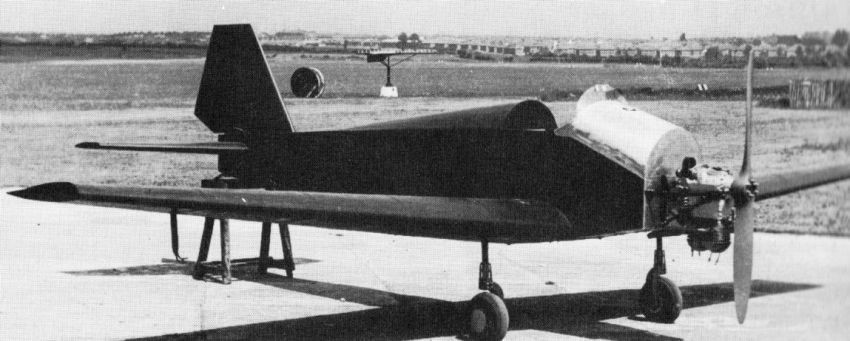
Designed and built by F.S.Barnwell at Whitchurch in 1938, the Barnwell BSW Mk.1 was a single-seat, low wing monoplane of all wood construction, powered by a Scott Squirrel engine. The designation BSW standing for Barnwll (the constructor), Squirrel (the engine) and Whitchurch (the place).
Originally, Barnwell had meant to build the machine himself, but the vast activity of the Bristol Aeroplane Co. in connection with the R.A.F. expansion naturally meant an ever-increasing load of work on Barnwell’s shoulders, and he therefore decided to entrust the construction of the machine to a firm in Bristol.
First registered [C of R 8560] on 20.6.38 as G-AFID c/n 1 to Frank Sowter Barnwell, Alveston, near Bristol (aircraft based at Bristol (Whitchurch) Aerodrome, Bristol, Gloucestershire) it first flew on 17 July 1938.
It was written off on 2 August 1938. Shortly after taking off from Whitchurch, the engine, a Scott Squirrel, failed. Barnwell attempted to turn and return to the aerodrome. The machine stalled, crashed and killed Barnwell.