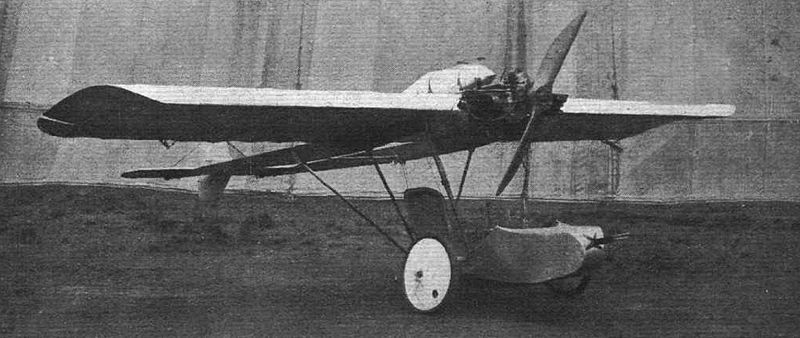
The smallest of designs from Frederick Koolhoven when he worked for the British Aerial Transport Company was the F.K.28 Crow.
The B.A.T. Crow monoplane was built in 1919. It was very small and light. Its tail surfaces were carried by two slim booms. An ABC Gnat 2-cylinder horizontally-opposed engine – together with fuel and oil tanks – was mounted in a pusher configuration on the wing centre section. The pilot’s seat was set between the landing gear suspended below the wing. It was designed to be dismantled for road-transport with the removal of twelve bolts. It was displayed at the First Air Traffic Exhibition in Amsterdam, but it did not fly until some time later. It only flew once and proved to be underpowered. It was scrapped in 1920.
Powerplant: 1 × ABC Gnat, 40 hp (30 kW) Propeller: 2-bladed fixed-pitch Wingspan: 15 ft 0 in (4.57 m) Length: 14 ft 0 in (4.27 m) Height: 4 ft 6 in (1.37 m) Empty weight: 220 lb (100 kg) Gross weight: 400 lb (181 kg) Maximum speed: 75 mph (121 km/h, 65 kn) Range: 150 mi (240 km, 130 nmi) Endurance: 2 hours Crew: 1
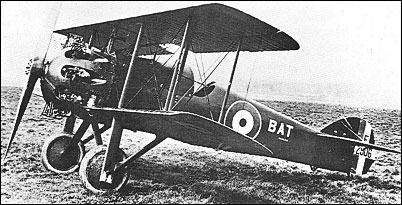
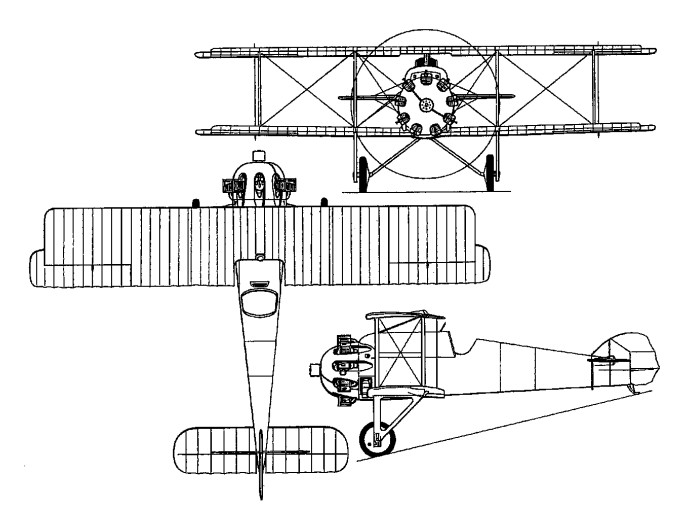
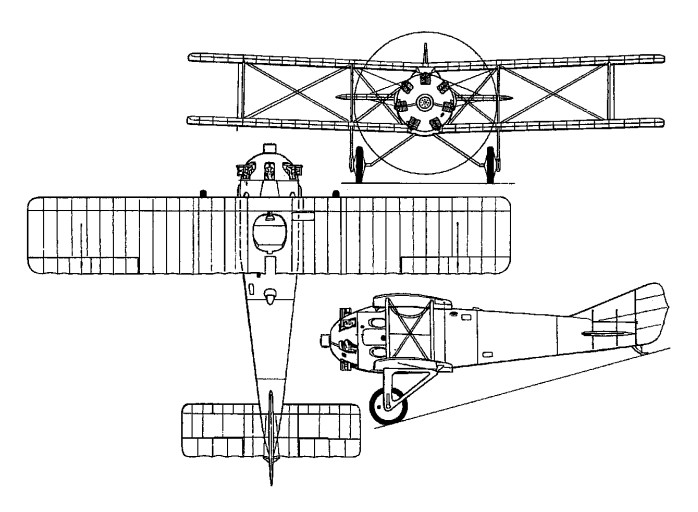
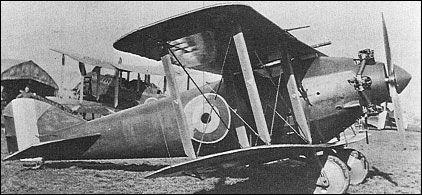
The last single-seat fighter of Koolhoven design built by the British Aerial Transport Company, the F.K.25 Basilisk was designed around the 350hp A.B.C. Dragonfly I nine-cylinder radial engine and carried the usual armament of twin synchronised 7.7mm Vickers guns. Of wooden construction with a monocoque fuselage, the Basilisk featured a hood-like fairing, ahead of the cockpit, which enclosed the guns and shielded the pilot. Three prototypes were ordered, the first of these flying during the summer of 1918. The second prototype, completed in 1919, differed from its predecessor primarily in having a deeper fairing ahead of the cockpit. Further work on the Basilisk was abandoned at the end of 1919.
Engine: 350hp A.B.C. Dragonfly I nine-cylinder radial Take-off weight: 990 kg / 2183 lb Empty weight: 659 kg / 1453 lb Wingspan: 7.72 m / 25 ft 4 in Length: 6.22 m / 20 ft 5 in Height: 2.49 m / 8 ft 2 in Wing area: 19.69 sq.m / 211.94 sq ft Max. speed: 228 km/h / 142 mph Armament: 2 x 7.7mm Vickers
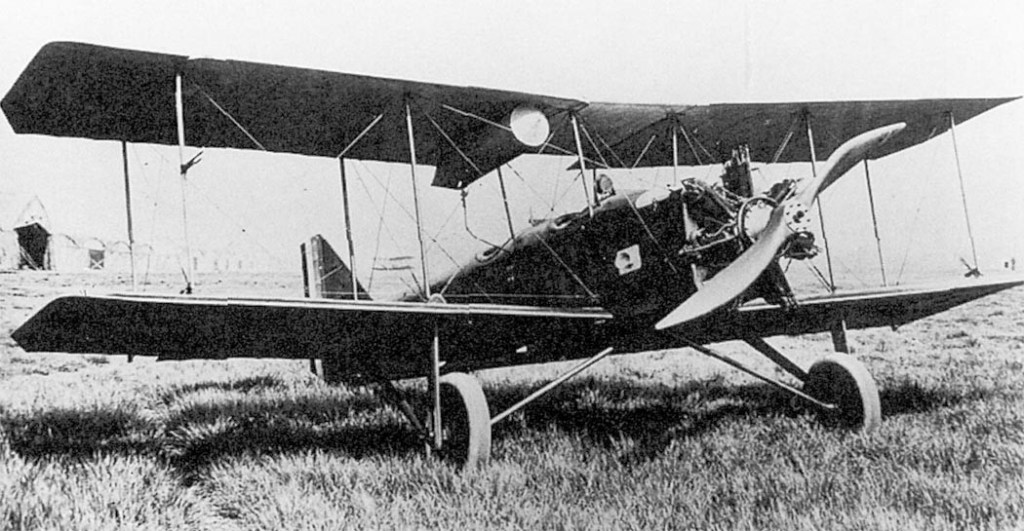
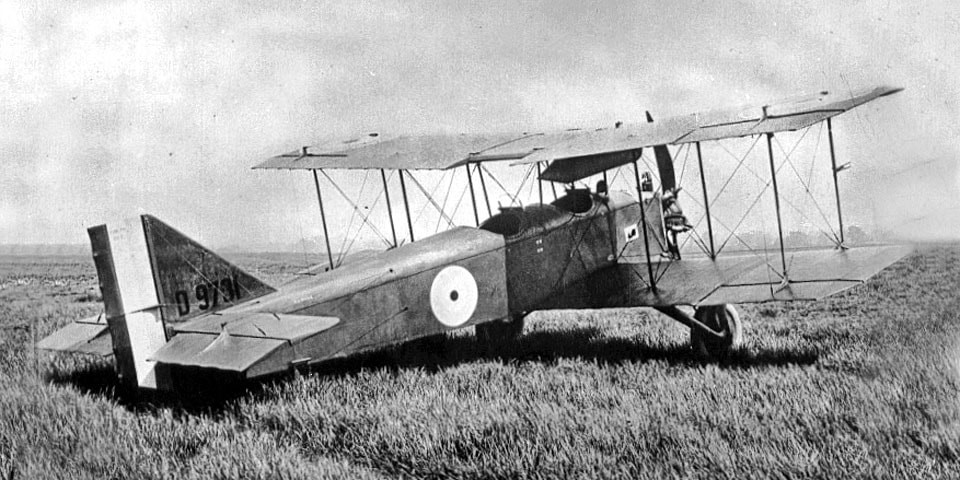
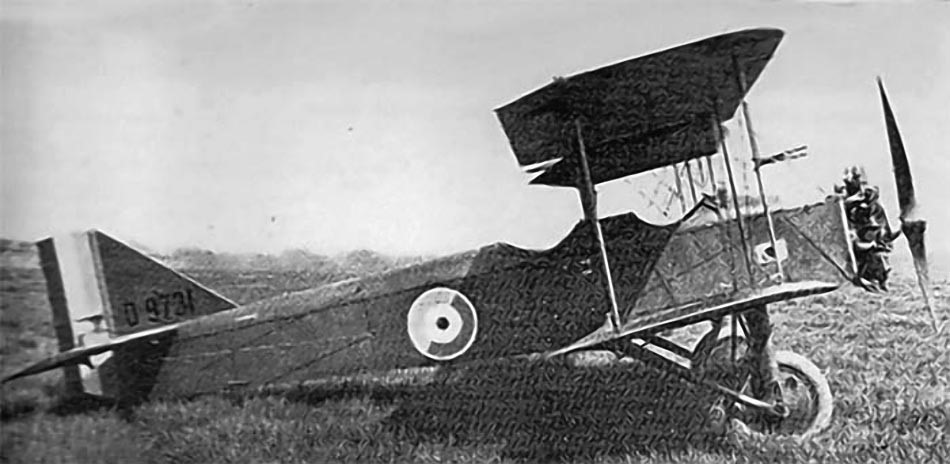
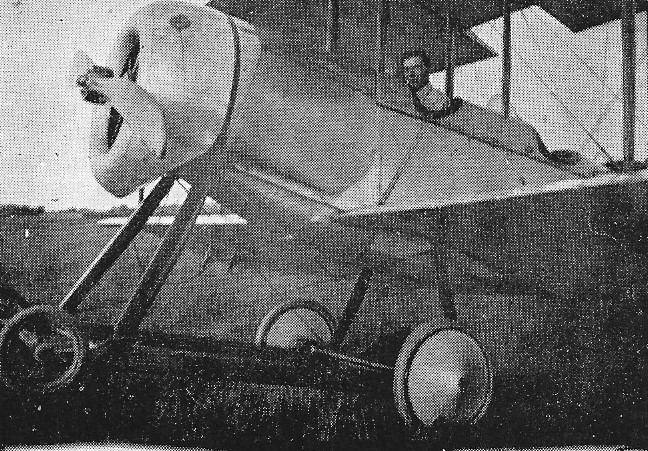
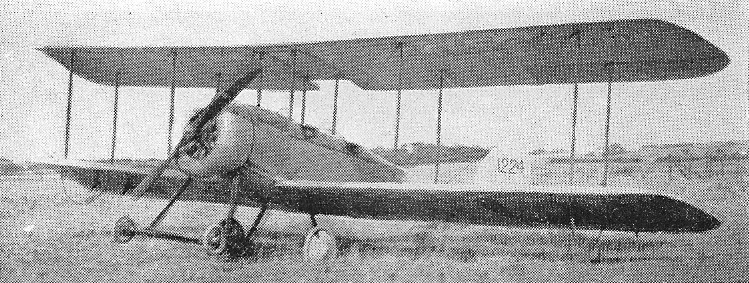
The British Aerial Transport Company Limited F.K.24 Baboon was a two-seat training biplane produced during World War I. Using experience gained designing the Bantam, aircraft designer Frederick Koolhoven (assisted by Robert Noorduyn) designed the two-bay biplane elementary trainer.
The aircraft had a flat-sided fuselage and an uncowled 170 hp (127 kW) ABC Wasp engine simply bolted to the firewall. Maintenance and repair costs have been kept to a minimum through the use of interchangeable upper and lower wing panels, ailerons, elevators and rudders.
Six aircraft were planned but only one was built in July 1918 as a consequence of the end of the First World War and the subsequent sharp reduction in orders for military aircraft.
The Baboon was registered with British Aerial Transport Co. Ltd in May 1919. The only notable act was when it won the Hendon Trophy Race over a 20-mile (32-km) circuit in July 1919 flown by Major Christopher Draper. The Baboon was scrapped at Hendon in 1920.
Powerplant: 1 × ABC Wasp I, 170 hp (130 kW) Propellers 2-bladed BAT tractor, 5 ft (1.52 m), 7 ft 10 in (2.39 m) diameter Wingspan: 25 ft (7.6 m) Wing area: 259 sq ft (24.1 m2) Length: 22 ft 8 in (6.91 m) Height: 8 ft 10 in (2.69 m) Empty weight: 950 lb (431 kg) Gross weight: 1,350 lb (612 kg) Fuel capacity: 12 imp gal (54.55 l; 14.41 US gal) Maximum speed: 90 mph (140 km/h, 78 kn) Landing speed: 40 mph (64 km/h; 35 kn) Endurance: 2 hours Rate of climb: 833.33 ft/min (4.2333 m/s) Time to altitude: 10,000 ft (3,048.0 m) in 12 minutes Wing loading: 5.2 lb/sq ft (25 kg/m2) Power/mass: 0.126 hp/lb (0.206 kW/kg) Crew: 2 Capacity: 400 lb (181.44 kg) disposable load
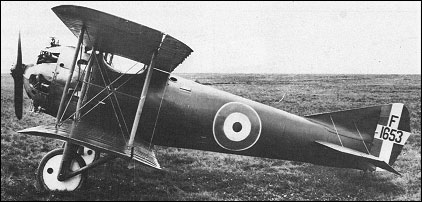
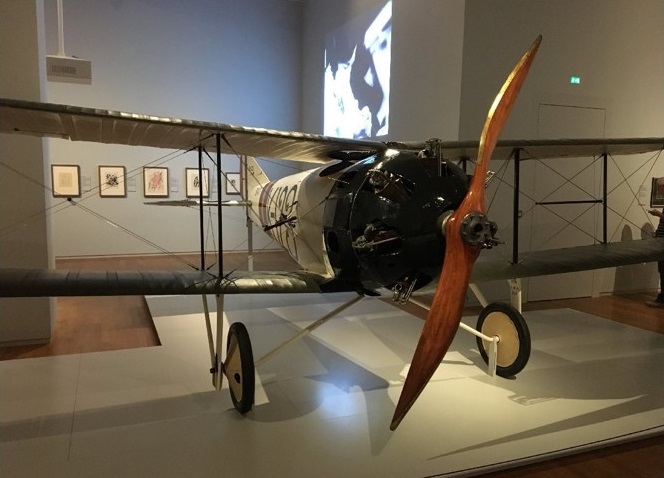
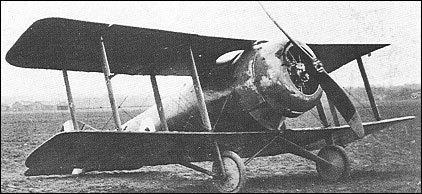
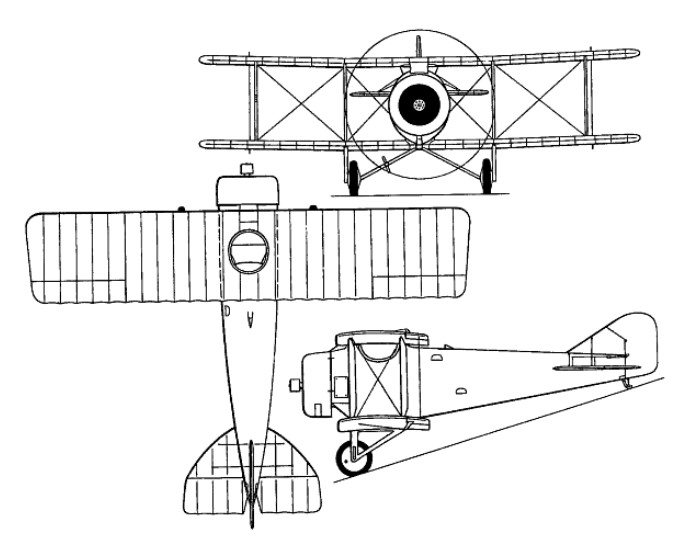
The first prototype F.K.23 was originally ordered as the fourth of a batch of six development F.K.22s, and while retaining the wooden structure with monocoque fuselage, it embodied extensive redesign. Overall span and wing area were reduced to 6.09m and 14.86sq.m respectively, and the tail surfaces were redesigned. Armament comprised two synchronised 7.7mm Vickers guns and power was provided by a 170hp A.B.C. Wasp I, flight testing being initiated in May 1918. Two further prototypes (originally ordered as the fifth and sixth F.K.22s) were similarly powered, but dimensionally larger, and after further redesign resulting from initial flight trials, a batch of 12 F.K.23 Bantam Is was ordered, the first of these being delivered to the RAE at Farnborough on 26 July 1918. At least nine Bantam Is were completed, one of these being sent to France and evaluated at Villacoublay in the late summer of 1918. One example was sent to the USA for evaluation at Wright Field, but this fighter’s principal shortcoming was the poor reliability of its Wasp I engine.
Engine: 170hp A.B.C. Wasp I Wingspan: 6.09m Wing area: 14.86 sq.m
The first design by Frederick (Frits) Koolhoven after joining the British Aerial Transport Company (B.A.T.), the private-venture F.K.22 single-seat fighter flown in September 1917 was of wooden construction with a monocoque fuselage. Powered by a 120hp A.B.C. Mosquito six-cylinder radial engine, it displayed sufficient promise to win an official contract for a batch of six development aircraft. The first and third of these were powered by the 170hp A.B.C. Wasp seven-cylinder radial (F.K.22/1) and the second by a 100hp Gnome Monosoupape nine-cylinder rotary (F.K.22/2), the remaining three eventually being completed as prototypes for the F.K.23. The F.K.22/2, retroactively named Bantam II, was the first to fly, commencing its trials in December 1917 and being delivered to Martlesham for official trials on 19 January 1918. Armament comprised two synchronised 7.7mm Vickers guns, and this prototype, later re-engined with a 110hp Le Rhone 9J nine-cylinder rotary, was eventually assigned to the Central Flying School at Upavon.
F.K.22/1 Engine: 170hp A.B.C. Wasp seven-cylinder radial
F.K.22/2 Engine: 100hp Gnome Monosoupape nine-cylinder rotary Take-off weight: 571 kg / 1259 lb Empty weight: 393 kg / 866 lb Wingspan: 7.52 m / 24 ft 8 in Length: 6.30 m / 20 ft 8 in Height: 2.26 m / 7 ft 5 in Wing area: 21.37 sq.m / 230.02 sq ft Max. speed: 161 km/h / 100 mph
Belite Aircraft has developed the single-seat Sealite amphibious floatplane that weighs less than 338 pounds empty and meets FAR 103 requirements for ultralight float-equipped “vehicles,” as the FAA calls them.
The Sealite flew in December 2013, the 110th anniversary of the Wright brothers’ first flight at Kitty Hawk. Belite President James Wiebe made the first flight – “I was pleased with this test flight. It demonstrated the performance and utility possible with a single-place amphibious aircraft. The ground roll was very short, the climb rate was impressive, and the landing manners were easy and benign”.
The first flight was from a grass strip but water tests are planned. The vehicle is an adaptation of the company’s UltraCub model. It made the weight with extensive use of carbon fiber in the floats and wing spars. The wings and floats weigh only 20 pounds each.
Military school eindecker built in 1913, powered by a 100 hp Mercedes DI engine. Its four-wheeled undercarriage was copy of the undercarriage employed by Bristol aeroplanes
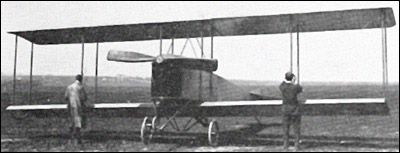
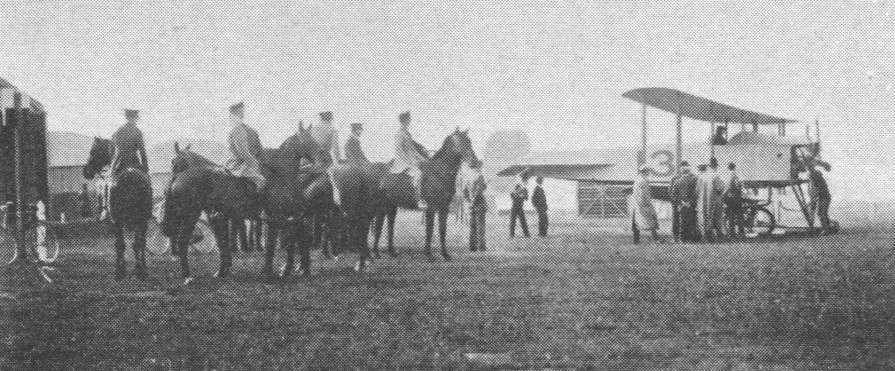
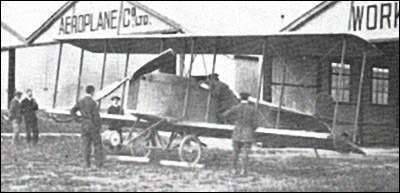
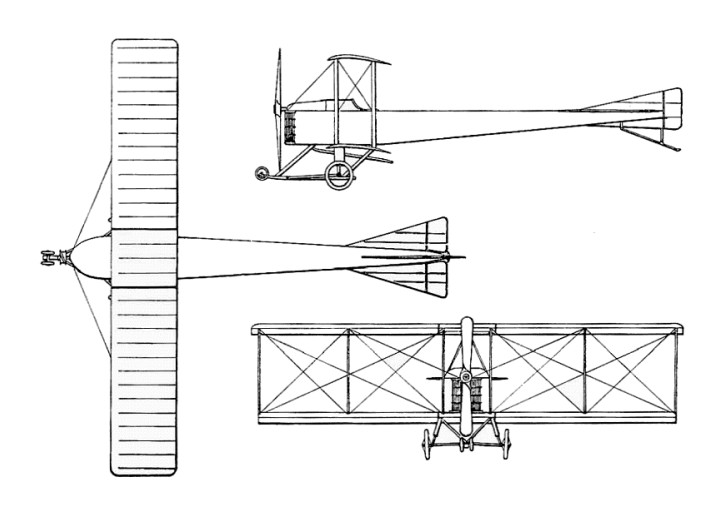
The first Gordon England design, the G.E.1, was a two-bay equal-span tractor configuration biplane powered by a 50 hp (37 kW) Clerget four-cylinder water-cooled engine, driving the two-bladed propeller via a chain drive giving a 2:1 speed reduction. The crew of two were accommodated side-by-side in a single cockpit, fitted with dual controls. The empennage consisted of a small triangular tailplane and elevators mounted on top of the rectangular-section fuselage and elongated triangular fins above and below the fuselage with the unbalanced rudder mounted on the trailing edge.
After testing during May and June 1912 the fins were removed, and an enlarged aerodynamically balanced rudder fitted. The aircraft was sold to the Deutsche Bristol Werke. However it was found to be unsuitable for use as a trainer, and was returned to the Bristol works at Filton in September 1912 and scrapped.
The G.E.2 was an enlargement and refinement of the previous design. The fuselage was carried on the innermost pairs of interplane struts, so that there was a gap between the fuselage and the lower wing, and a shallow curved fairing was added to the top and bottom of the fuselage. The tailplane was enlarged and mounted in a mid-fuselage position. Two examples were built, one powered by a 100 hp (75 kW) Gnome double Omega twin-row rotary engine and the other with a 70 hp (53 kW) four-cylinder inline water-cooled Daimler. Both were entered in the British military aeroplane trials held in August 1912, the first to be flown by Gordon England and the other by Howard Pixton but were unsuccessful, completing only the quick-assembly tests. The Daimler-engined version proved underpowered, and the other aircraft was damaged in an accident early in the competition, which was won by the Cody V biplane. Bristol did have some success, however: their monoplane design being placed equal third.
The design was further refined in the G.E.3, of which two were built for the Turkish government. This had a fuselage faired to a circular cross-section with the crew in two tandem cockpits, with fuel and oil tanks sufficient for three hours flight between them, and was powered by an 80 hp (60 kW) Gnome Lambda single-row rotary engine threequarters enclosed in a circular cowling. The continuous inmost interplane struts were replaced by short struts between the lower longerons and the lower wing and a cabane consisting of two sets of inverted V struts supplemented by a single strut between the centre of the upper wing and the nose of the aircraft. Trials of the aircraft revealed that the wing spars were too flexible, and although an attempt was made to address this problem by adding short kingpost-bracing to the rear spar, by this time the Italian blockade of Turkey made delivery difficult, and no further development was carried out.
G.E.1 Engine: 1 x 50hp Clerget Wingspan: 10.26 m / 33 ft 8 in Length: 8.84 m / 29 ft 0 in Wing area: 29.73 sq.m / 320.01 sq ft Max. speed: 105 km/h / 65 mph
G.E.2 Powerplant: 1 × Gnome double Omega, 100 hp (75 kW) Wingspan: 40 ft 0 in (12.20 m) Wing area: 400 sq ft (37.2 sq.m) Length: 31 ft 0 in (9.45 m) Empty weight: 1,080 lb (480 kg) Gross weight: 2,000 lb (907 kg) General characteristics Maximum speed: 68 mph (109 km/h, 59 kn) Crew: two, pilot and observer
The Bristol TB.8 two-seat trainer of 1914-15 was powered by 80 hp rotary engines. Various makes were used including Gnome, Le Rhone and Clerget. Later models were powered by a 100 hp Gnome Monosoupape engine.
RNAS TB.8 – 100 hp Gnome
About 36 were built, of which some were supplied to the RNAS and six went to Roumania.
Wingspan: 37 ft 8 in Length: 29 ft 3 in Max speed: 73 mph