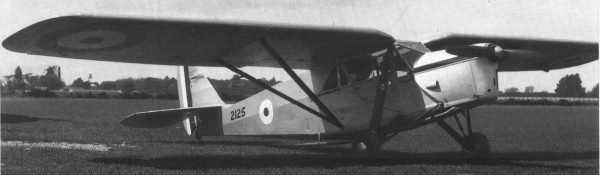
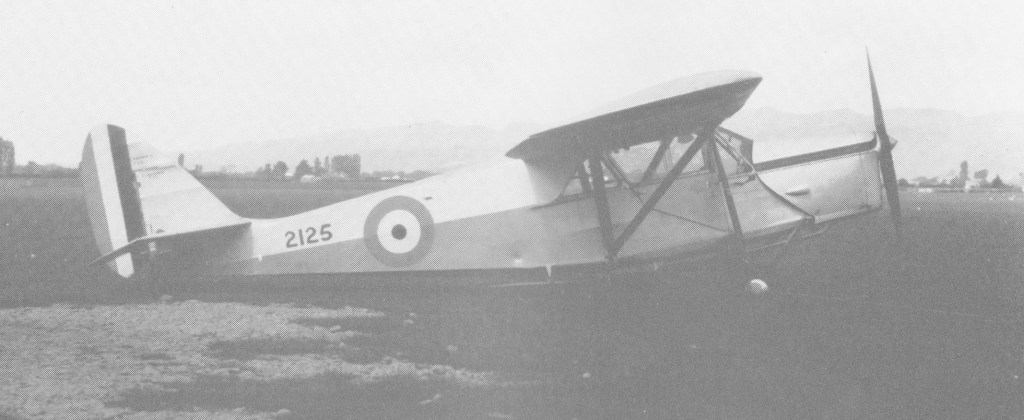
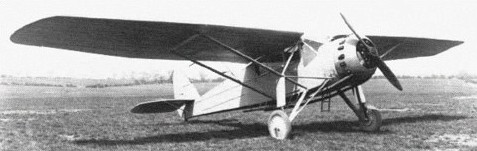
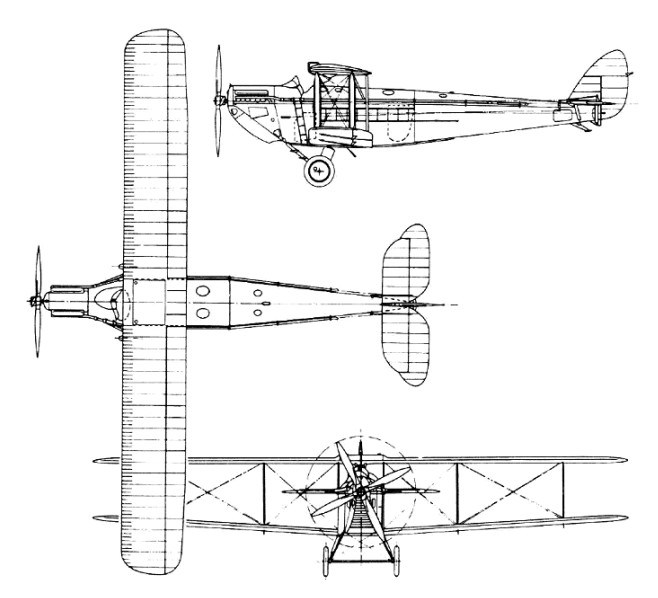
Developed to provide private pilots with cabin comfort, the three seat prototype de Havilland D.H.80 (G-AAHZ) was first flown at Stag Lane on 9 September 1929. It introduced the inverted de Havilland Gipsy II engine, improving the pilot’s view over the nose, and had a slab-sided plywood-covered fuselage with the pilot (forward) and two passengers slightly staggered at the rear of the cabin. Two doors were on the right side.
Production aircraft began to appear in March 1930, designated D.H.80A Puss Moth, incorporating a welded steel-tube and fabric-covered fuselage. The wings were foldable. Notable were swivelling main landing gear shock-absorber fairings which could be turned broadside to the airflow to act as airbrakes. Other changes included single doors on each side of the fuselage, and installation of the improved 89kW Gipsy III; later examples were powered by the 97kW Gipsy Major. A total of 259 aircraft was manufactured in the UK, the last leaving Stag Lane in March 1933, and many were used for pioneering flights. Another 25 aircraft were built by de Havilland Aircraft of Canada Ltd.
During July 1931 Amy Johnson used Jason II to fly from Lympne to Tokyo in 8 days 22 hours 35 minutes, and in 1932 Jim Mollison flew from Lympne to Cape Town in 4 days 17 hours 19 minutes. Mollison’s second Puss, The Heart’s Content, had a 727-litre fuel tank installed in the front of the cabin and additional windows in the rear, its 5794km range enabling him to make the first solo east-west North Atlantic crossing, leaving Portmarnock Strand, Dublin, on 18 August 1932 and arriving 31 hours 20 minutes later at Penfield Ridge, New Brunswick. On 6 February 1933, Mollison took off from Lympne en route to Natal, Brazil, and became the first man to make a solo crossing of the South Atlantic.
Six served with the RNZAF on communications duties 1931-37 and 1939-46.
DH.80 Engine: 1 x de Havilland Gipsy III inline, 89kW Max take-off weight: 930 kg / 2050 lb Empty weight: 574 kg / 1265 lb Wingspan: 11.2 m / 36 ft 9 in Length: 7.62 m / 25 ft 0 in Height: 2.13 m / 6 ft 10 in Wing area: 20.62 sq.m / 221.95 sq ft Max. speed: 206 km/h / 128 mph Cruise speed: 174 km/h / 108 mph Ceiling: 5335 m / 17500 ft Range: 483 km / 300 miles
DH.80A Engine: DH Gipsy Major III, 130 hp. Wingspan: 36 ft 9 in / 11.2 m Length: 25 ft / 7.62 m Max speed: 127 mph / 203 kph Cruise: 110 mph. Range: 450 miles. Ceiling: 17,500 ft Price 1931: £900
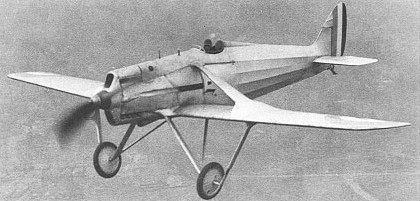
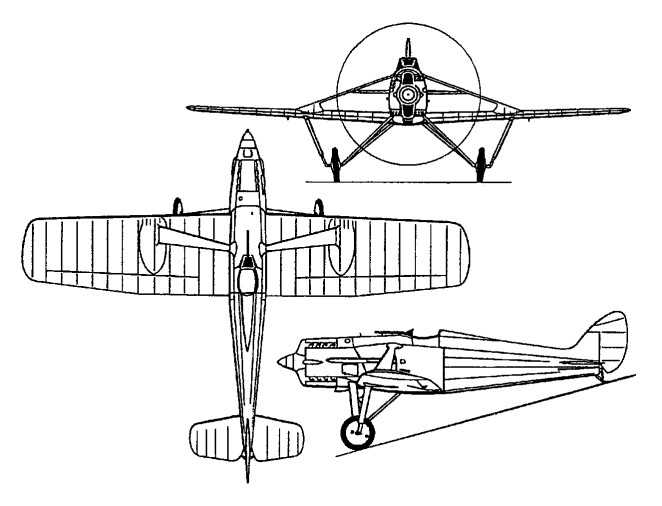
Designed for Specification F.20/27 which called for a short-range, fast-climbing, lightly-loaded single-seat interceptor fighter, the D.H.77 was designed by W G Carter in close collaboration with F B Halford. Halford designed for the fighter a supercharged air-cooled engine of low frontal area which was built by D Napier, as the Napier H type and later known as the Rapier I, of 301 hp. Of mixed construction, the wing had two steel spars and wooden ribs with fabric skinning, and the fuselage, also fabric-covered, a box girder of steel tube with wooden formers. The D.H.77 carried an armament of two 7.7mm Vickers guns and flew early in December 1929. The sole prototype was purchased by the Air Ministry and after the completion of official trials was used primarily for Rapier engine development. It was fitted, in December 1932, with a 295 hp Rapier II, the Hawker Hornet biplane (renamed Fury) having been selected for production as the RAF’s first standard interceptor.
Engine: Napier H / Rapier I, 301 hp Take-off weight: 1 034 kg Empty weight: 751 kg / 1656 lb Wingspan: 9.80 m / 32 ft 2 in Length: 7.44 m / 24 ft 5 in Height: 2.44 m / 8 ft 0 in Wing area: 15.14 sq.m / 162.97 sq ft Max. speed: 327 km/h / 203 mph
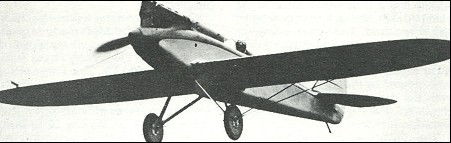
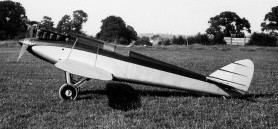
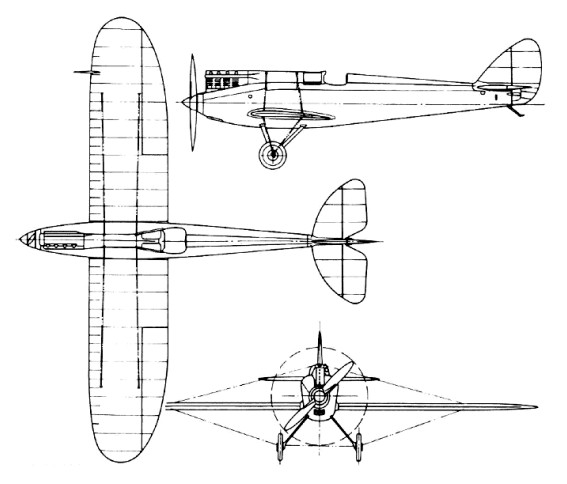
In order to carry out research on high-speed flight and to test replacement engines for the Cirrus, de Havilland built in 1927 two small single-seat monoplanes designated de Havilland D.H.71 Tiger Moth. Such was the degree of streamlining required that it was designed around test pilot Hubert Broad. The two aircraft were entered for the King’s Cup Air Race, for it then seemed accepted that any new light aircraft of that time were required to thus prove themselves. However, one was scratched before the race; the other, powered by an A.D.C. Cirrus II engine, was withdrawn during the race due to bumpy conditions.
In August 1927 the first D.H.71, then with alternative wings of only 5.69m span and a new 101kW Gipsy engine, was flown by Broad to a new 100km closed circuit record for aircraft of its class of 300.09km/h. Five days later Broad attempted the world’s altitude record for the category, but having no oxygen the limitation was on man and not machine. He reached 5849m before having to give up, although the aircraft was still climbing at over 305m per minute. In 1930 the first D.H.71 was taken to Australia, but crashed during practice for an air race after suffering engine failure on take-off, killing the pilot. The second airframe, minus engine, was destroyed at Hatfield in an air raid during October 1940. D.H.71 Engine: 1 x A.D.C. Cirrus II inline piston engine, 63kW Take-off weight: 411 kg / 906 lb Empty weight: 280 kg / 617 lb Wingspan: 6.86 m / 22 ft 6 in Length: 5.66 m / 18 ft 7 in Height: 2.13 m / 6 ft 12 in Wing area: 7.11 sq.m / 76.53 sq ft Max. speed: 267 km/h / 166 mph
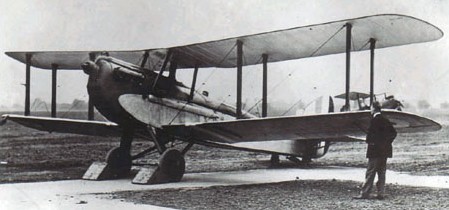
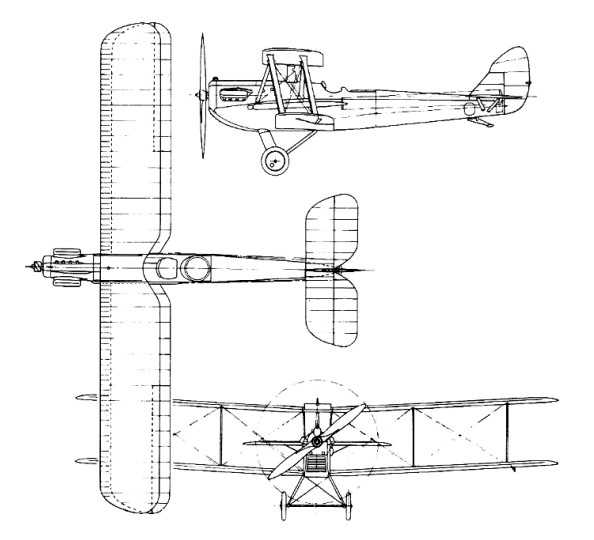
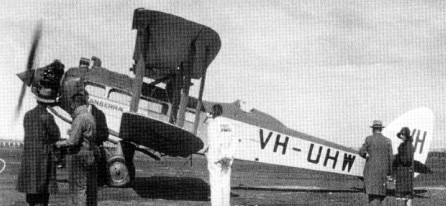
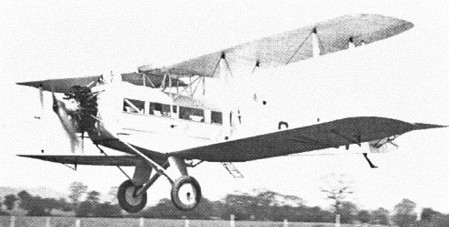
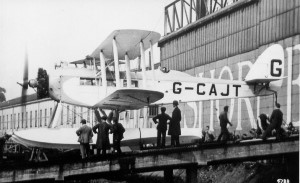
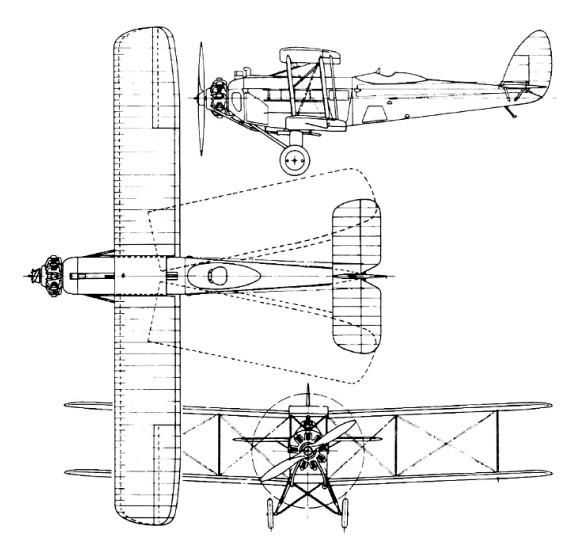
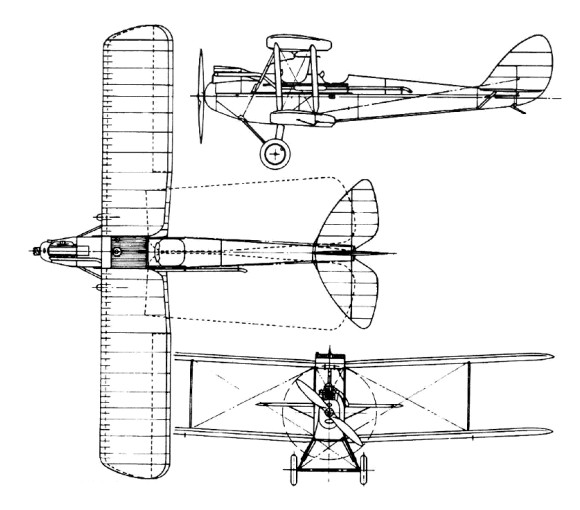
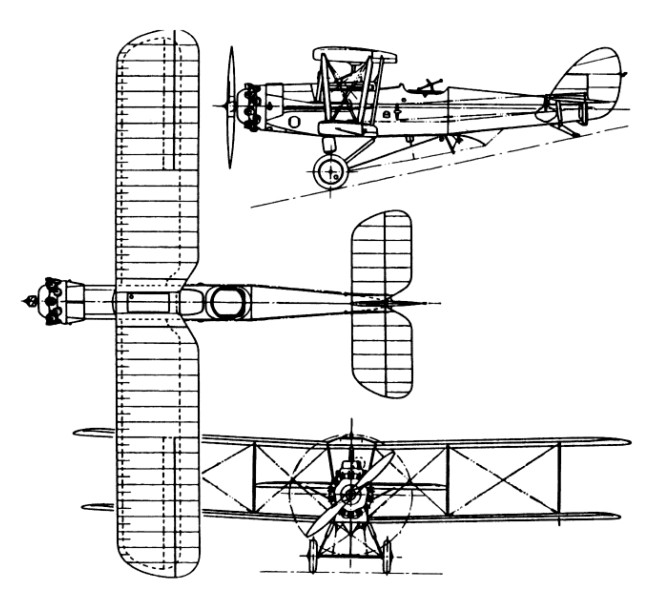
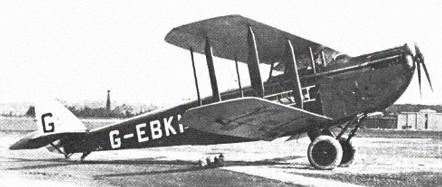
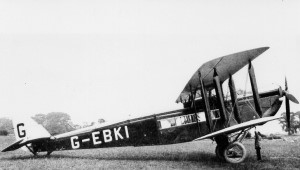
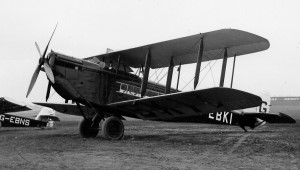
Designed in the late 1920s and first flying in 1927. A two bay single engined biplane with the pilot seated in an open cockpit behind a fully enclosed eight seat cabin. Powered by a Bristol Jupiter XI, a geared radial engine of 500 hp.
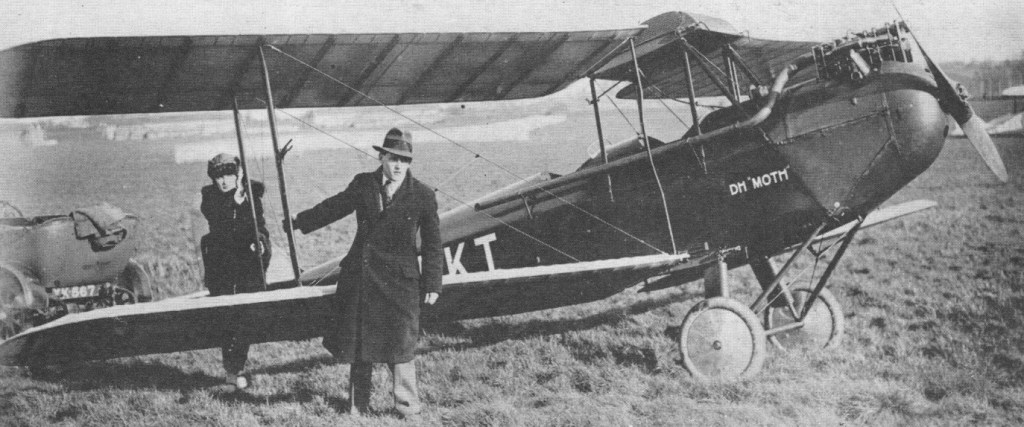
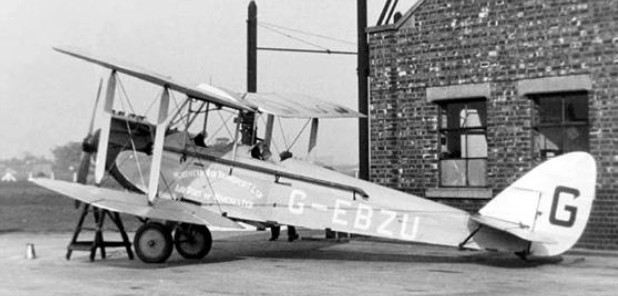
The hoped for boom in private flying after the 1914 18 War did not materialise and the Government realised after a few years that the only way to get people into the air would be by subsidising the flying clubs. Both the Air Ministry and the Daily Mail offered prizes for the best single and two seat lightplanes, but the resulting Light Aeroplane Competitions at Lympne produced machines that were really far too small and light for club and training work. Realising this, de Havilland got down to the task of designing and building a really practical little two seater. They determined that it would have to sell for not more than £600, be simple and safe enough for anyone to fly, and have folding wings so that it could be towed behind a car and kept in a reasonable sized garage. As no suitable engine was available, de Havilland got an engine designer friend of his, Frank Halford, to cut a Renault V 8 engine in half, making an in line four out of it. Halford had such a four cylinder engine running in just nine weeks the Cirrus. The only entirely new major component was the crankcase. The cylinders and head were identical to those on the old V 8s, as was the five bearing crank, which now had to carry but half the former loads. The result of these combined endeavours was the prototype DH 60 Moth, G EBKT, with 44.7kW / 60 hp Cirrus engine, which de Havilland flew for the first time on February 22, 1925, from the company’s Stag Lane aerodrome.
The Moth’s construction was robust but definitely simple. The Moth was all carpentry: wood spars and ribs and interplane struts; wooden longerons for the fuselage, ply covered to make it as strong as a box. To fold the wings, you pulled forward the pins that locked them to the center section, inserted a wooden jury strut to prevent the top wing from sagging, then folded them back on hinges at the rear spar and clipped them to the body it took just two minutes. The Cirrus sat high up on a forward extension of the top wooden longerons, with its four cylinders and valve gear exposed to the slipstream. The engine was fed by gravity through a copper pipe from an airfoil shaped 24 gallon tank fitted in the center section of the top wing. A long exhaust pipe ran back past the two open cockpits, and this plus the engine’s slow rotation speed made the Moth extraordinarily quiet. You spoke to the other occupant through a gosport tube. There were no brakes, but the swiveling tail skid was connected to the rudder, so you could steer easily across the meadow. The lit¬tle Moth spanned 30 feet, weighed just 770 pounds empty (1,350 loaded), could better 90 mph and cruise at 80, climbed at 430 fpm, touched down at 40 and enjoyed a very light wing loading. The Moths were powered by engines ranging from the 60 hp A.D.C. Cirrus I to the 105 hp Cirrus Hermes.
DH60 Genet engine
de Havilland invited the London press for demonstration rides a few days after the first flight; he entered (and himself flew) Moths in all the air races, including the King’s Cup; with his wife as passenger, he set an altitude record in a later Gipsy Moth at almost 20,000 feet.
His first sales breakthrough came from the British Government which ordered Moths for five flying clubs (the first flying clubs in the world) then being set up with state subsidies. The Moths cost £2 15s. an hour to operate; with the subsidy, the clubs needed only to charge 30s. an hour dual and £ 1 solo. Twenty pounds would get you a private pilot’s license. By contrast, a new Moth cost £885 to buy in 1925.
de Havilland steadily developed the airplane, adding automatic leading edge slats to the top wing and restructuring the fuselage in steel tube. He improved its Cirrus engine, and then, when the stock of war surplus motors from which the Cirrus was concocted ran short, got Halford to design a new but similar engine, the 100 hp Gipsy. It was fitted in the D.H.60G Gipsy Moth, which was used by many of the record breaking pilots of the thirties, including Amy Johnson, as well as for club and private flying.
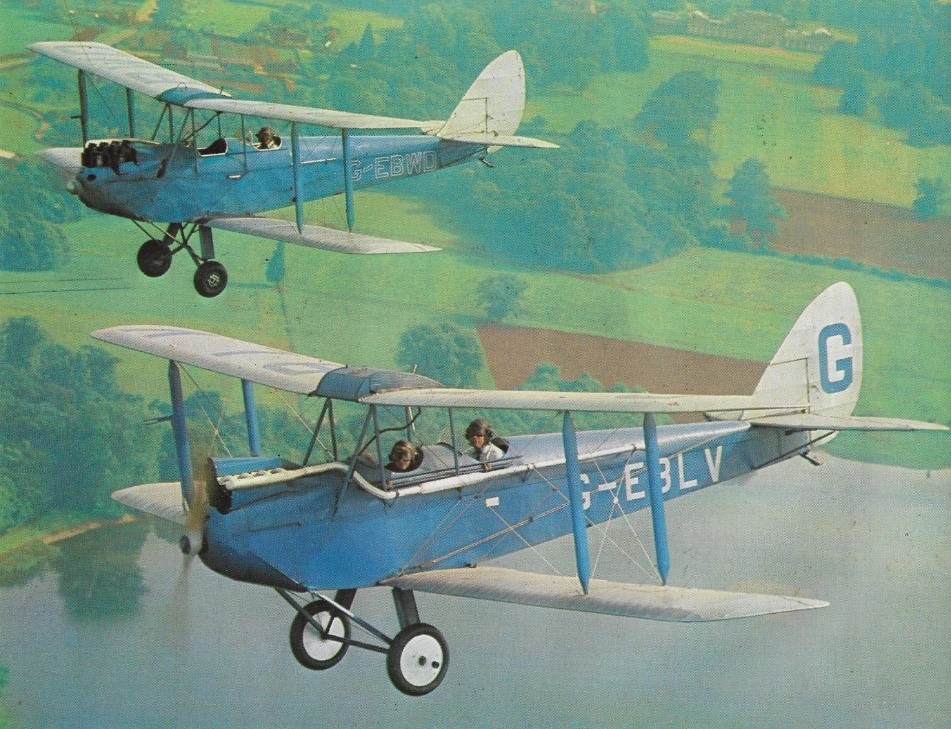
de Havilland DH60 Cirrus Moth G-EBLV & de Havilland DH60X Moth G-EBWD
The first Moth was flown by Alan Cobham from London to Zurich and back in a single day on 29 May 1925; and in 1927 Moths accomplished the London-Cape Town return flight and won the first prize for aerobatics at the Copenhagen International aeroplane meeting.
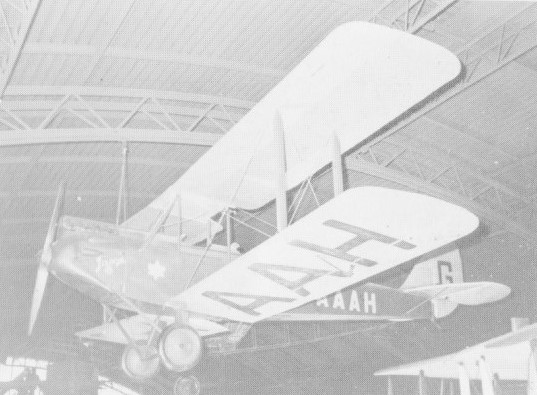
Amy Johnsons DH.60 G-AAAH c/n804 was built in 1928 at Stag Lane as the fourth production Gipsy Moth. It was registered on 30 August 1928 to Air Taxis Ltd. Within two weeks it was flown to Kenya. Following two years of use by Air Taxis it was sold to Amy Johnson on 30 April 1930 for her attempt on the England to Australia solo record. Leaving Croydon on 5 May 1930 she arrived at Darwin 19½ days later. Subsequently damaged at Brisbane G-AAAH, named Jason, was shipped back to the UK, purchased by the Daily Mail and finally presented to the Science Museum in October 1930.
DH.60 G-AAAH
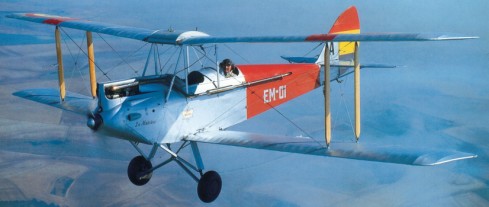
As production of the early models tapered off, the improved DH-60M Gipsy Moth was introduced in 1928. The Gipsy featured a welded steel-tube fuselage, folding wings, and engine options up to 120 hp. Three years later the engine underwent a major modification. In order to lower overall height and improve forward visibility but to raise the propeller shaft height, the engine was inverted as the Gipsy III.
This new DH60 became the DH60G-III Moth Major but still with wooden fuselage.
As a result of interest being shown in de Havilland’s D,H.60M “Metal Moth” as a cheap introduction to combative military operations, de Havilland built in November 1930 what they described as a “D.H.T. (Training) Moth”. Essentially a D.H.60M with a de Havilland Gipsy II engine with an inverted fuel system, aircraft No 1672 was complete by December 5.
Following review, the company decided that it could be further improved; anchorage of the front and rear lift wires was repositioned, allowing unhindered access onto the walkway and the root-ends of the upper mainplanes were cut away to improve the upward view.
Designated as a D.H.60T Moth Trainer and registered G-ABKU on April 1, 1931, it was despatched to the Aeroplane & Armament Experimental Establishment (A&AEE) at Martlesham Heath under de Havilland’s test marks E.3, but was dismantled in July and “reduced to redundant stock”.
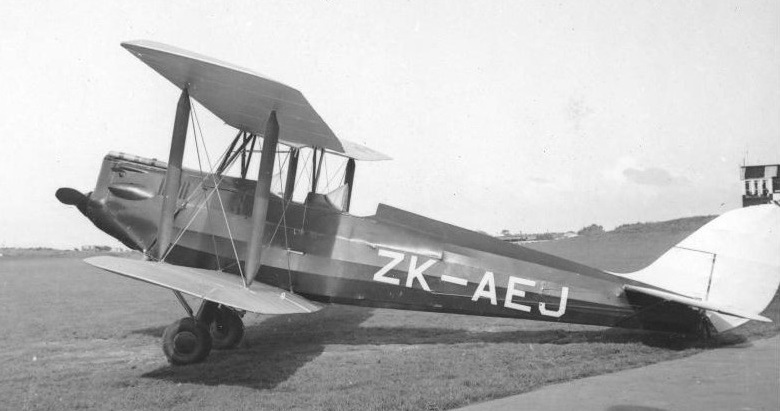
Moths were also built at Lowell, Massachusetts, fitted with Wright built Gipsy engines and sold by the Curtiss Flying Service Organization. The Moth Aircraft Corporation became a division of Curtiss Wright, and production was moved to Robertson, Missouri. Nearly 200 Moths were built in the U.S. be¬fore the deepening Depression killed the venture in 1931. To assist hangerage, the wings folded to reduce the width to 9 ft 8 in. The DH60G was also built under licence by Marane Saulnier of France. The DH60G III Moth Major, similar to the Gipsy Moth but with the engine inverted. A “one off” specimen DH60M was built in the United Kingdom in 1929 for the 1930 Round Europe Touring Competition as G-AAXG (later ZK-AEJ), the metal fuselage Moth was fitted with a 120 hp Gipsy II engine. The fuselage was basically a “rounded off 60”. The elevator and rudder were same as the later Tiger, however the wings provided a slightly different profile. The differences with the rest of the DH.60 clan come with the engine installation, a standard Gipsy II of 120 hp, two inches lower than the standard, and a slimmer than usual wing tank. A 15 gallon tank was made to fit into a faired over front cockpit.
de Havilland DH60M ZK-AEJ 23 of July 1946
The DH60T was a strengthened DH60M with a welded steel fuselage for export and military use and powered by 120hp. Capable of carrying 4 20 lb practice bombs under the fuselage. Compared to the civil DH60, to assist escape from the front cockpit, the rear flying wires were angled forward to the front wing root fitting The cockpit doors were also deepened. But the centre section struts still enveloped the front cockpit so to meet specification 15/31 for a new trainer these were moved forward: this markedly improving egress with a parachute. To reduce the effects of centre of gravity and centre of pressure changes caused by the now forward staggered upper mainplanes, the wings were swept back 19 inches, measured at the tips. A 120-bhp Gipsy III inline motor was installed with the sloping line of the upper engine cowl enhancing the visibility for the instructor in the front cockpit. Eight DH60Ts were built but now called the “Tiger Moth”. Then it was decided that the dihedral of the lower wings needed to be increased to reduce damage during training. This aircraft was redesignated and became the DH82.
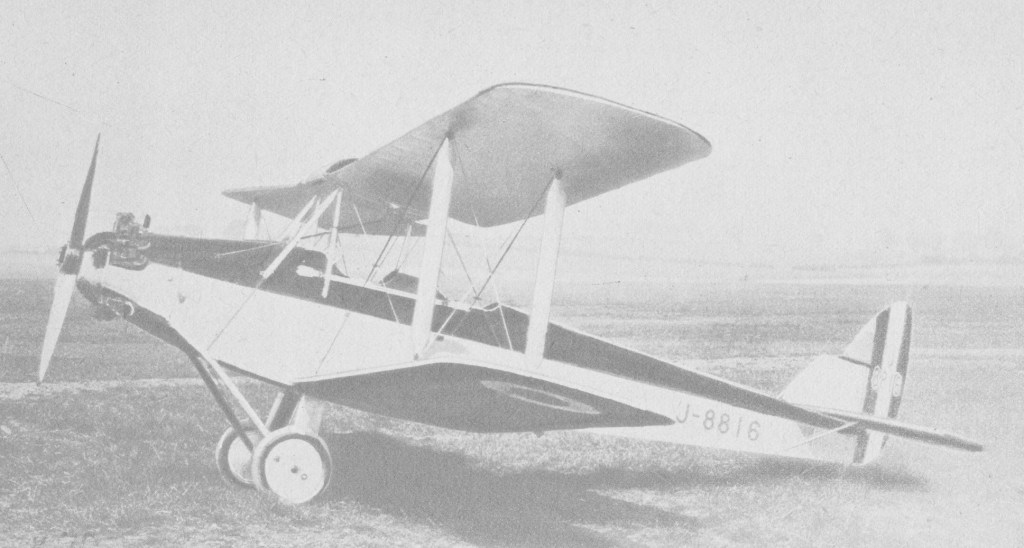
DH60X
Altogether some 2058 versions of the DH-60 Moth series were built, from Cirrus Moth to Moth Trainer, in England during the seven years of production, with an additional 150 built by Moth Aircraft Co. of Lowell, Massachusetts, from Cirrus Moth Trainer. And some 685 were of the “G” variant, 595 of these being built at Stag Lane, and the rest overseas. Amy Johnson flew from England to Australia in one, the then Prince of Wales bought one, at the peak of it popularity about three new aircraft were produced each working day at Stag Lane.
The Moth was selected by all the British Flying Clubs formed under the Air Ministry scheme. In addition to the home markets, many civil examples were exported and military models delivered to air forces as tandem two-seat trainers, including those of the UK, Australia, Irish Free State, Sweden, Finland, Japan and Canada. Moths had been licence-built in Australia, Finland and elsewhere. Other engines fitted included the 63.3kW Cirrus II, 67kW Cirrus III (as installed in the D.H.60X) and 56kW Armstrong Siddeley Genet (as the Genet Moth).
The RAF ordered 134 Moths. By 1939 most of these original aircraft had been retired but with the outbreak of war the RAF impressed at least 146 civilian owned Moths. They were used for a wide range of miscellaneous communication activities.
During 1929-36 and 1939-43, fourteen DH60Gs were used by the New Zealand Air Force for training and utility work. One, ZK-ADT Huia, was owned by National Airways Corp during April-September 1947.
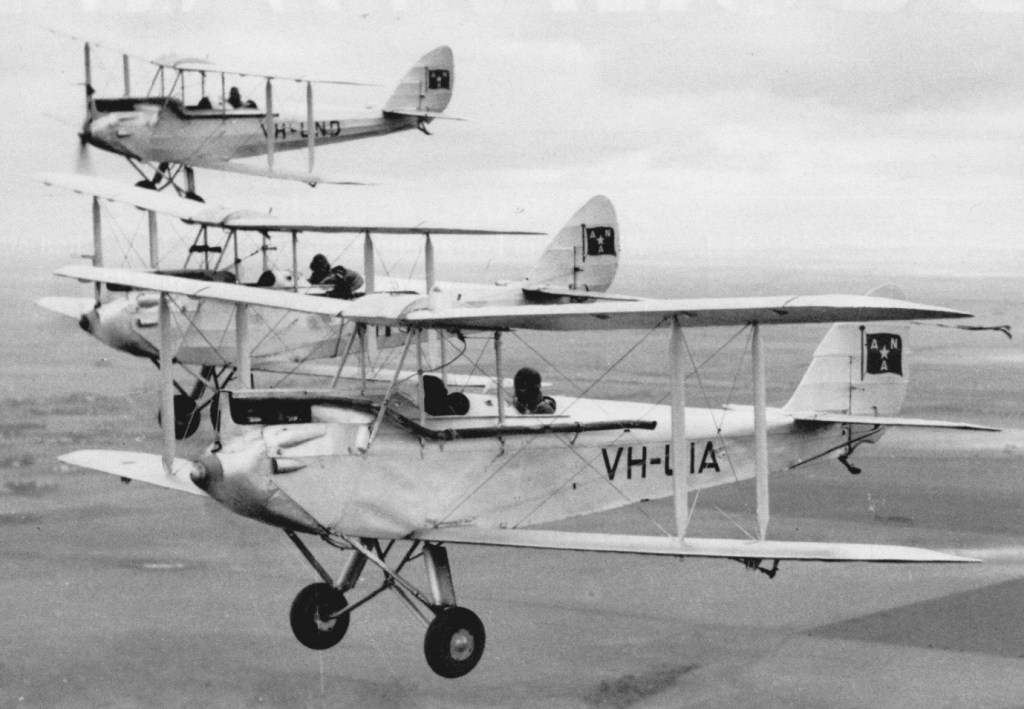
Australian National Airways DH 60G Gipsy Moth pre-WW2
The three Australian National Airways DH 60G Gipsy Moth were impressed into RAAF service in 1940. A further 48 civilian Moths were impressed between December 1939 and September 1940 for training. The RAAF operated 122 Moths of various models, 74 by 1936, until the Tiger Moth became available.
DH60 Cirrus Moth Engine: ADC Cirrus 1 four cylinder, 60 hp Prop: 6 ft 4 in (1.93 m) dia 2 blade Wingspan: 30 ft / 9.14 m Length: 23 ft 8 11 in / 7.23 m Height: 8 ft. 9.5 in Wing area: 243 sq.ft / 22.58 sq.m Weight empty: 770 lb Gross weight: 1,240 lb / 562 kg Max speed: 91 mph. Cruising speed: 80 mph / 129 km/h Typical range: 320 miles / 515 km at 80 mph Seats: 2
DH 60 Moth Engine : DH Gipsy I, 99 hp Length : 23.819 ft / 7.26 m Wingspan : 29.035 ft / 8.85 m Wing area : 225.291 sq.ft / 20.93 sq.m Max take off weight : 1351.7 lb / 613.0 kg Max. speed : 79 kts / 146 km/h Wing load : 5.95 lb/sq.ft / 29.0 kg/sq.m Range : 278 nm / 515 km Crew : 2
DH 60 Moth Engine 120 hp de Havilland Gipsy II Length 23ft 11 in Wingspan 30ft Wing area 243sq.ft Gross wt. 1,750 lb Empty wt. 920 lb Maximum level speed 105mph (91kt) Normal cruise speed 85mph (74kt) Initial climb rate 720 fpm Range 320 miles Ceiling 18,000 ft Seats 2
D.H.60G Gipsy Moth Engine:1 x de Havilland Gipsy I inline, 75kW/ 100 hp Take-off weight: 748 kg / 1649 lb Weight: 417 kg / 919 lb Wingspan: 9.14 m / 30 ft Length: 7.29 m / 23 ft 11 in Height: 2.68 m / 8 ft 10 in Wing area: 22.57 sq.m / 242.94 sq ft Max. speed: 164 km/h / 102 mph Cruise speed: 137 km/h / 85 mph Ceiling: 4420 m / 14500 ft Range: 515 km / 320 miles Seats: 2
de Havilland DH60G Gipsy Moth Engine: de Havilland Gipsy I, 85 hp Price 1929: 650 pounds Speed: Maximum level 102 mph Altitude: Maximum ceiling 14,500 ft Range: 320 miles Seating: 2
DH60G-III Gipsy Moth Engine: Gipsy III, 120 hp
DH60M Engine: Gipsy I, 100 hp Max speed: 102 mph Range: 320 miles
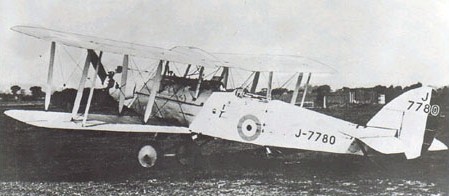
Engine: 1 x 385hp Armstrong Siddeley Jaguar III Take-off weight: 1907 kg ./ 4204 lb Empty weight: 1089 kg / 2401 lb Wingspan: 13.11 m / 43 ft 0 in Length: 9.07 m / 29 ft 9 in Height: 3.28 m / 10 ft 9 in Wing area: 39.51 sq.m / 425.28 sq ft Max. speed: 203 km/h / 126 mph Ceiling: 5861 m / 19250 ft Armament: 2 x 7.7mm machine-guns Crew: 2
The British Air Ministry promoted a series of “Light Aeroplane Trials” in the hope of evolving an everyman’s airplane. But the contest rules specified only such little engines that the trials machines were inevitably underpowered freaks.
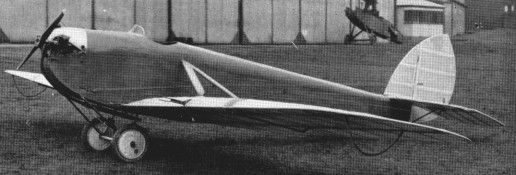
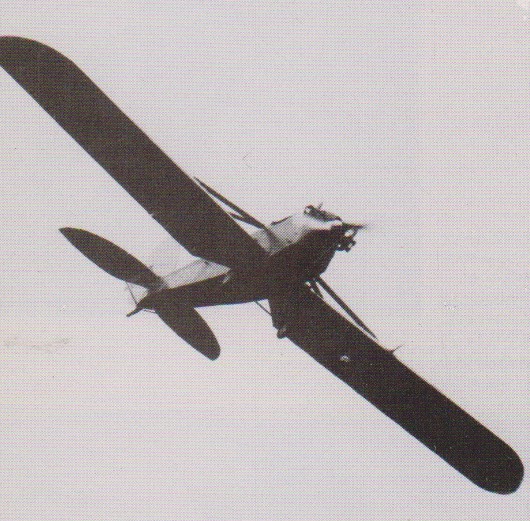
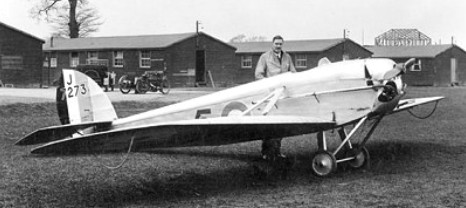
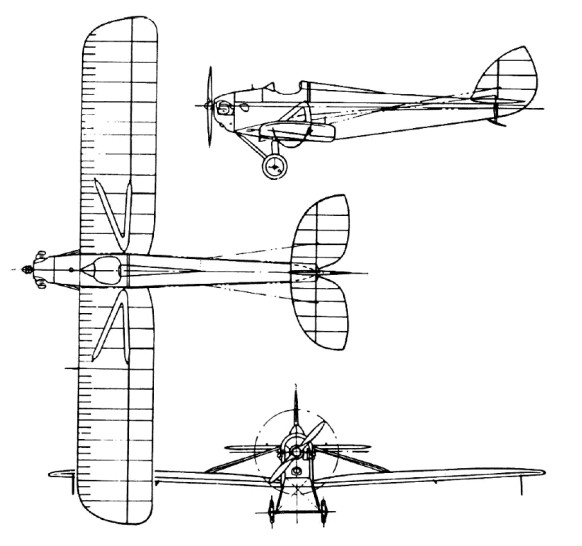
De Havilland entered the field of ultralight aircraft with the de Havilland D.H.53 Humming Bird which was built for the Daily Mail light aeroplane trials held at Lympne, Kent, in October 1923.
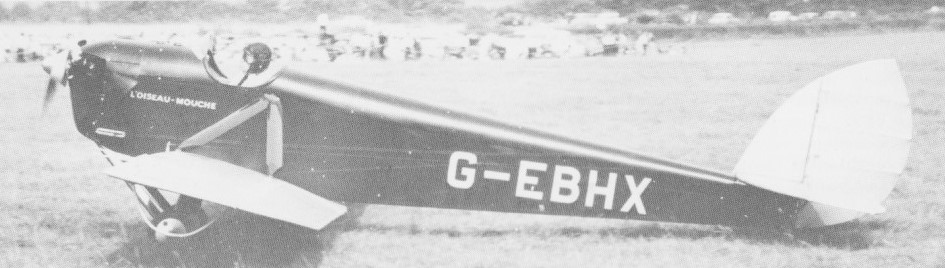
Two examples of the little monoplane were built, G-EBHX Humming Bird and G-EBHZ Sylvia II. Powered by 750cc Douglas motorcycle engines, and in spite of considerable problems with this powerplant both aircraft did well.
DH53 G-EBHX
In an effort to make the type more reliable, a Blackburn Tomtit engine was installed and other detail changes made before the Humming Bird was flown to the Brussels Aero Show in 1923. The pilot reported after a flight from Brussels, he had been overtaken by a Belgian freight train of the slowest sort. It later took part in several air races together with the second aircraft, owned by a group of RAF officers who re-engined it with a 26kW A.B.C. Scorpion engine which proved unreliable.
Because of its economical performance, the first Humming Bird had secured for de Havilland an Air Ministry order for eight aircraft for communications and flying practice. Five others were built for civil customers, three going to Australia, one to Czechoslovakia and one to Russia.
The last two RAF Humming Birds were used in experiments which involved launching them from the airship R-33 and recovering them in the air. Following the disposal of all eight aircraft by the RAF in 1927, six were civil registered and flown for several years. One survives with the Shuttleworth Trust at Old Warden, having been rebuilt with a number of new components post-war. It was flown on occasions, but following extensive damage is no longer airworthy and maintained as a static exhibit.
Parts from a DH53 were rebuilt into the Martin Monoplane G-AEYY.
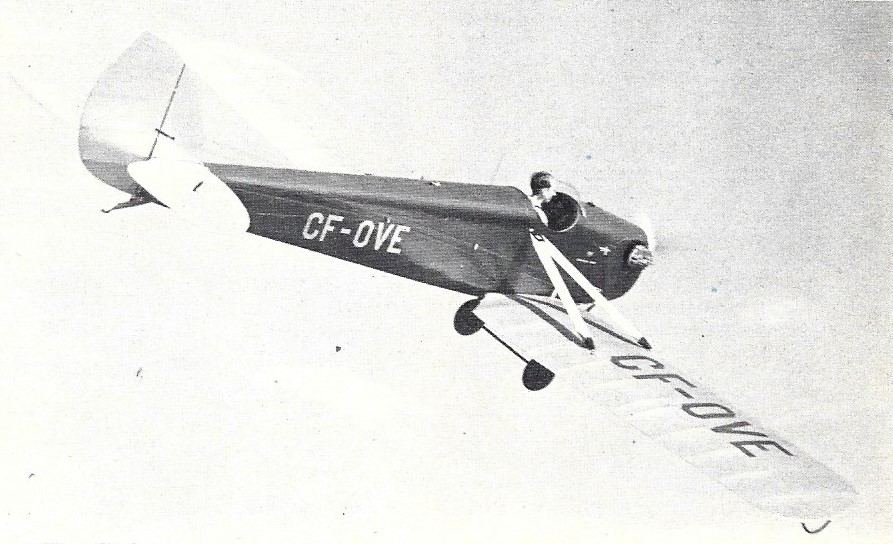
Stan Green built a replica DH.53 Humming Bird at Calgary, Canada, CF-OVE, based on drawings used by de Havilland apprentices when they restored DH.53 G-EBHX. First flown on 7 May 1967, piloted by Gordon Fryer, it differs from the original 1923 aircraft only in having a Continental A-40 engine.
DH.53 Humming Bird replica CF-OVE
D.H.53 Engine: 1 x Blackburn Tomtit two-cylinder piston, 19kW Take-off weight: 256 kg / 564 lb Empty weight: 148 kg / 326 lb Wingspan: 9.17 m / 30 ft 1 in Length: 5.99 m / 19 ft 8 in Height: 2.21 m / 7 ft 3 in Wing area: 11.61 sq.m / 124.97 sq ft Max. speed: 117 km/h / 73 mph Cruise speed: 97 km/h / 60 mph Ceiling: 4570 m / 15000 ft Range: 241 km / 150 miles
Engine: ABC Scorpion, 35 hp Wingspan: 30 ft 1 in Length: 19 ft 8 in All up weight: 565 lb Max speed: 74 mph