Wolfsberg Letecka Tovrna Sparrow

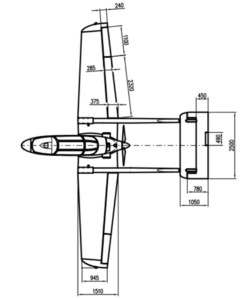
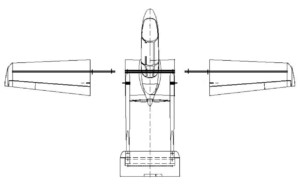
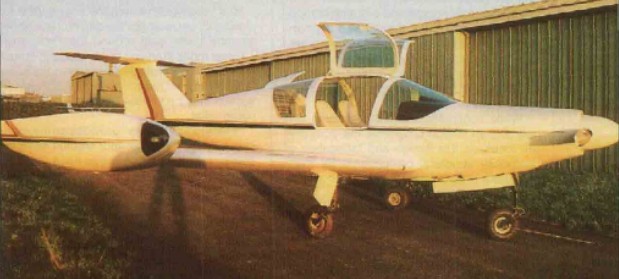
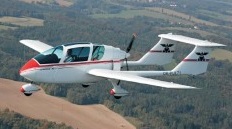
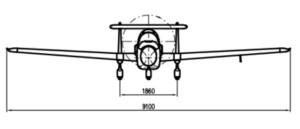
The Wolfsberg Letecka Tovrna Sparrow ML is a twin tail boom airplane with a pusher propeller. The design features large car-like doors that can be opened up to 90°. The pilot position in front of the wing brings excellent view.
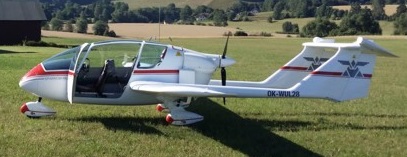
The Sparrow is equipped with the 80hp and 100 hp Rotax engines. The main undercarriage is equipped with oil dampers, the wheels of the main chassis are fitted with hydraulic disc brakes. The dashboard is designed for mounting both classic mechanical devices and state-of-the-art glass cockpit.
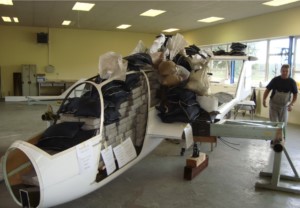
Sparrow ML was designed, calculated and tested to fulfill all requirements of Ultralight and LSA standards.

The airplane has modern light carbon fiber construction and conventional controls with control stick and pedals and electric flaps and trim control. Sparrow ML can have full dual controls or only pilot control on front seat.
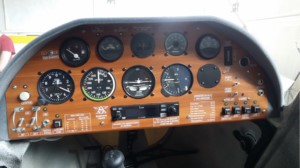
The dashboard position allows convenient control of all devices and switches.
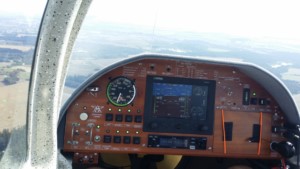
The aircraft is equipped with a proven ballistic rescue system.

Engine: Rotax 912 ULS: 80-100 hp
Wing span: 9.1m / 29.9 ft
Wing area: 11.6 sq.m / 124.9 sq.ft
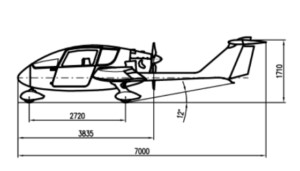
Length: 7 m / 23.0 ft
Height: 1.7 m / 5.6 ft
Empty weight: 272 kg / 600 lb
Gross weight: 600 kg / 1323 kg
Fuel capacity: 60 lt / 15.9 gal
Min pilot weight: 75 kg / 165 lb
Max baggage weight: 8 kg / 17.6 lb
Stall clean: 60 kph / 32.4 kt
Stall ldg config: 57 kph / 30.8 kt
Maneuvering speed: 160 kph / 86.4 kt
Max speed ldg config: 115 kph / 62.1 kt
Max cruise: 210 kph / 113.4 kt
Vne: 234 kph / 126.4 kt
Wolff Sky-Wolff

Paul Wolff’s 4 place, all composite Sky-Wolff was intended to make Oshkosh 1988, but was not flying in time, later, flying from Findel Airport in Luxembourg.

Aimed at a US25,000 kit price, The Sky-Wolff will have removeable wings, an electric/hydraulic retractable gear, and wet wing with additional tip tanks. The wing is equipped wih flaps and drooping ailerons.

Fuel capacity: 169.3 USG
Range: 4200 miles
Engine: Lycoming O-320
Cruise 75%: 186 kt / 214 mph
Stall: 50 mph

Wolfe Aviation WAT

Single seat single engined flex wing aircraft with weight shift control. Rogallo wing. Pilot suspended below wing in trike unit, using bar to control pitch and yaw/roll by altering relative positions of trike unit and wing. Undercarriage has three wheels in tricycle formation. Push right go left nosewheel steering independent from yaw control. Aluminium tube trike unit, with optional pod. Engine mounted below wing driving pusher propeller.
The WAT the title stands for Wolfe Aviation Trike. In concept it is simple enough a monopole trike using a 2 inch (5cm) square section aluminium pole, adjustable in height to suit various Rogallo wings. Wolfe offers a variety of engines, with or without reduction drive, various seat options and also a selection of undercarriage designs. One of these undercarriages is unique as far as trikes are concerned in that it has retract¬able main wheels which fold behind the power pack to reduce drag. The WAT is also available with a double nosewheel. Another drag reducing option is a fabric pod.
To make the WAT as versatile as possible, the hang point uses a clamping arrangement, the idea being that the glider can be attached without drilling holes through the keel tube.
Standard engine is the Cuyuna 215 cc unit with reduction drive but among the engine options is a Cuyuna ULII-02. Price of the trike unit with 215 cc engine and reduction drive was $1690.

Engine: Cuyuna 215, 22hp at 6000rpm
Propeller diameter and pitch 50 x 20 inch, 1.27 x 0.51 m
V belt reduction, ratio 2.0/1
Max static thrust 160 lb, 73kg
Fuel capacity 2.0 US gal, 1.7 Imp gal, 7.6 litre
Length overall (Trike unit only) 5.0ft, 1.52m
Height overall (Trike unit only) 7.0 ft, 2.13 m
Empty weight (Trike unit only) 110 lb, 50kg

Wolf W-II Boredom Fighter

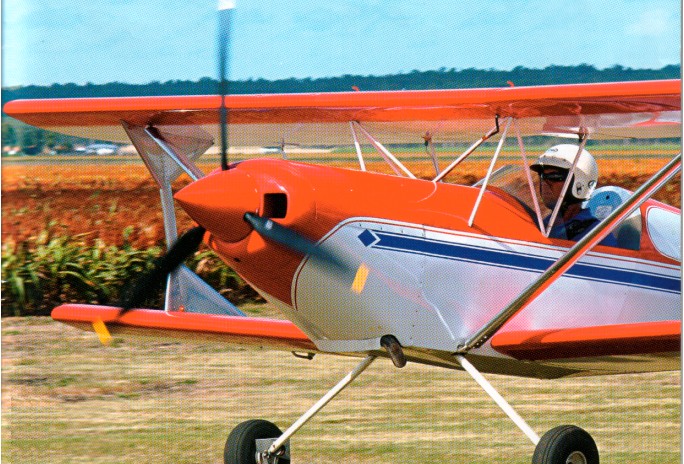
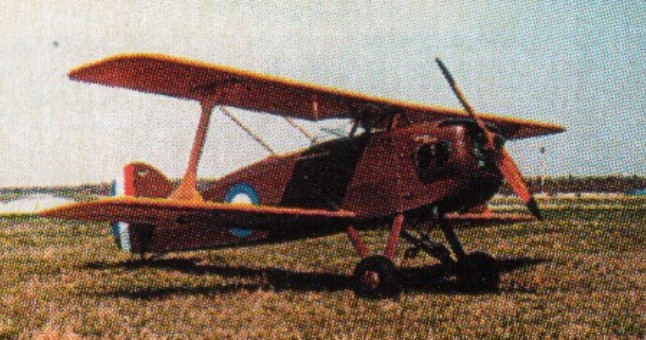
Don Wolf, a technical engineer at Fairchild’s Engine Division on many classified military projects and flew many different the past half century, then finally got around to designing a replica of the World War I wood-and-wire fighter types he loved as a kid. Rather than metal, he chose to build the framework of steel fittings of chrome-moly as well as tube structures for cabine, landing gear, etc. Wolf spent a year of spare time detailing Boredom Fighter after running stress analyses. First flying on 30 August 1979, the takeoff roll of 150 is spectacular, as well as its fast climb and excellent economy cruise of 100 mpg burning 3 gph of low-octane fuel.

W-II
Engine: Continental, 65 hp
Wing span: 20 ft
Wing area: 100 sq.ft
Length: 15.7 ft
Height: 6ft
Weight empty: 473 lbs
Gross: 770 lbs
Fuel cap: 15 USG
Speed max: 120 mph
Cruise: 110 mph
Range: 440 sm
Stall: 42 mph
ROC: 1200 fpm
Take-off dist: 150 ft
Landing dist: 350 ft
Service ceiling: 16,000 ft
HP range: 65-75
Seats: 1
Landing gear: tailwheel

Witzig-Liore-Dutilleul No.1

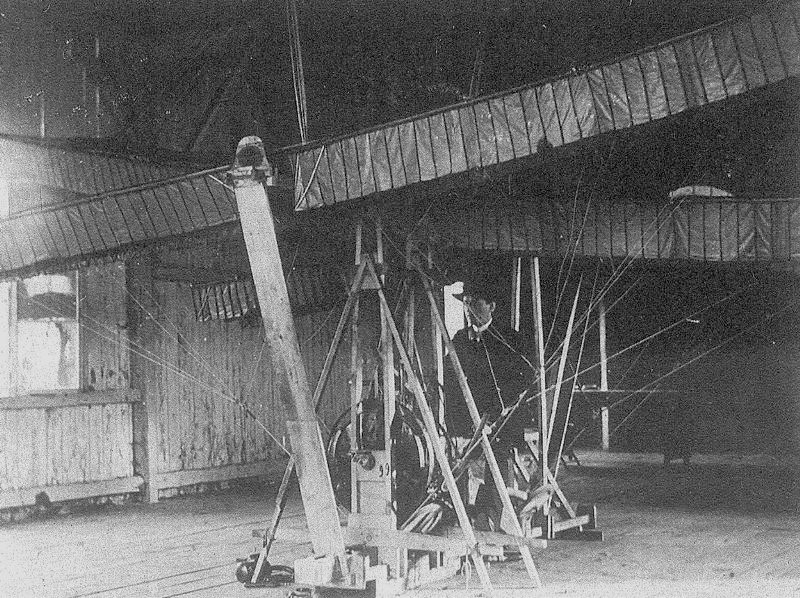
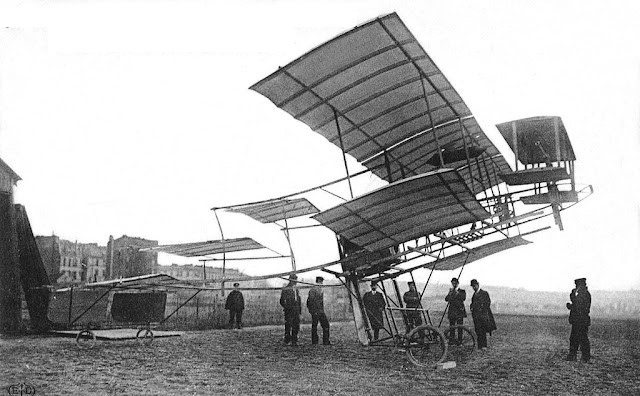
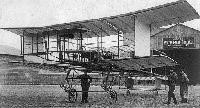
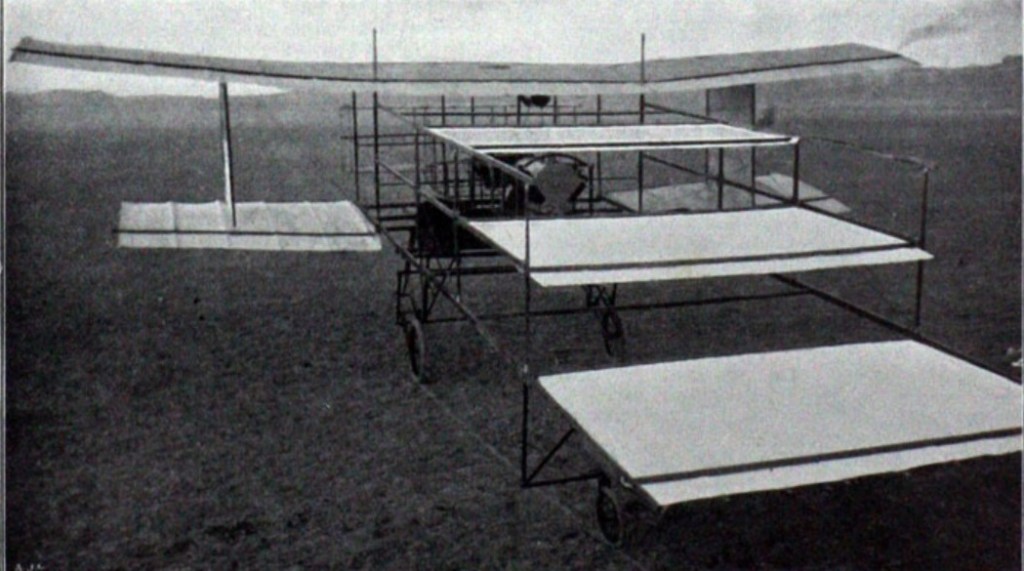
One of the first revisions of the 1909 Witzig-Liore-Dutilleul No 1, with the wheels set too far forward, resulting in the distortion of the whole airframe.

The final version of the WLD 1, with the wheels safely back supporting the engine.

A Witzig-Liore-Dutilleul biplane with a unique wing platform, and 50 horsepower engine.

During its test flight period, it saw several modifications, sometimes even rather drastic, without much improvement to its ‘flight’ characteristics.

Engine: 50 hp Renault
Wing span: 8 m
Length: 12 m
Total wing surface: 50 sq.m
Max. weight: 550 kg