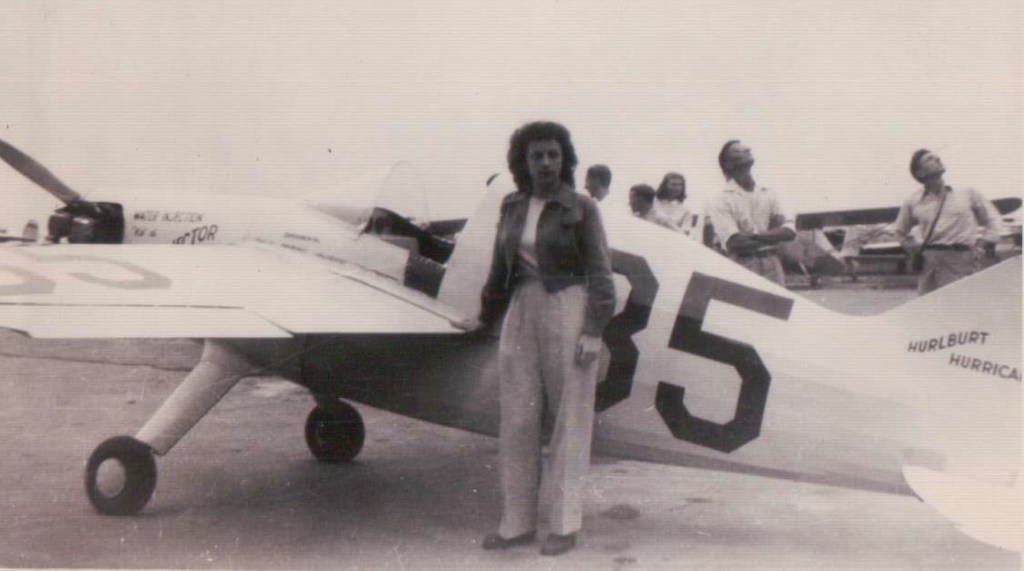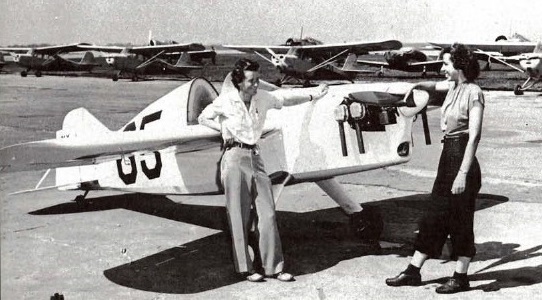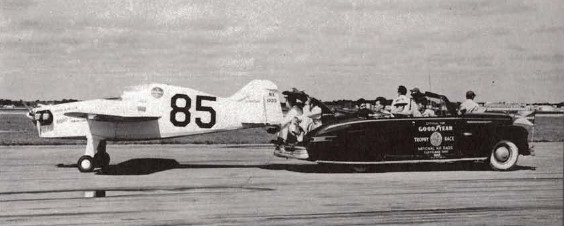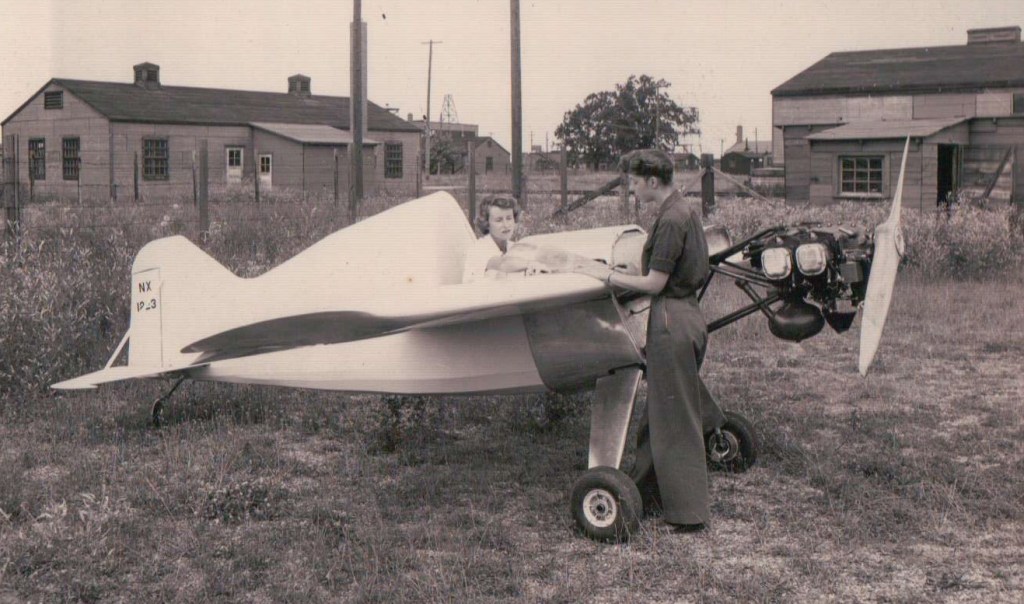
Circa 1995.
Suitable engines include the Rotax 447 to 582.
The Rotax 447 powered 103 ultralight kit was priced at US$8499 in 1997.
The Hurricane H.P./Clipwing has a symmetrical wing for mild aerobatics. Designed for +8 / -6 G, the kit price in 1997 was US$10,199.
Experimental
Engine: Rotax 503, 52 hp.
Wingspan: 28.5 ft.
Wing area: 142 sq.ft.
Length: 16.75 ft.
Height: 8.25 ft.
Seats: 1.
Empty wt: 280 lb.
Max wt: 680 lb.
Fuel cap: 10 USG.
Wing loading: 4.8 lb/sq.ft.
Pwr loading: 13.1 lb/hp.
Vne: 105mph.
Cruise: 70mph.
Stall: 30mph.
ROC: 1000 fpm.
TO dist: 100ft.
Ldg dist: 150 ft.
Endurance no res: 2.75 hr.
Range: 200 mile.
Fuel burn: 2.5 USG/Hr.
Ultralight
Engine: Rotax 447, 40 hp
HP range: 40-55
Wingspan: 28.5 ft.
Wing area: 142 sq.ft.
Length: 16.75 ft.
Height: 8.25 ft.
Seats: 1.
Empty wt: 250 lb.
Max wt: 500 lb.
Fuel cap: 5-7 USG.
Vne: 105mph.
Top speed: 100 mph
Cruies: 60 mph
Stall: 25 mph.
Range: 150 sm.
Takeoff distance: 100 ft
Landing distance: 120 ft
Service ceiling; 12,000 ft
ROC: 850 fpm.
Landing gear: nose wheel.
Hurricane H.P./Clipwing
Top speed: 105 mph
Cruise: 75 mph
Stall: 30 mph
Range: 130 sm
Rate of climb: 1000 fpm
Takeoff dist: 150 ft
Landing dist: 150 ft
Service ceiling: 12,500 ft
Engine: Rotax 503, 52 hp
HP range: 40-75
Fuel capacity: 7-10 USG
Empty weight: 275 lb
Gross weight: 650 lb
Height: 8.2 ft
Length: 17 ft
Wing span: 26-26 ft
Wing area: 133 sq.ft
Seats: 1
Landing gear: tailwheel