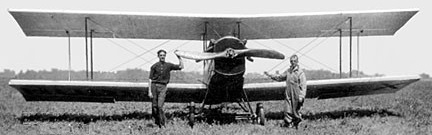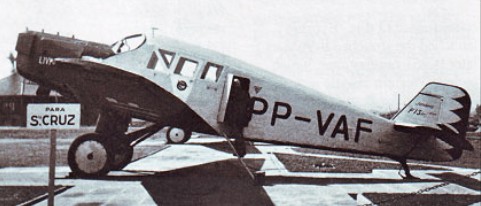
Junkers J.13 / F.13 / Junkers Larsen JL6 / JL12

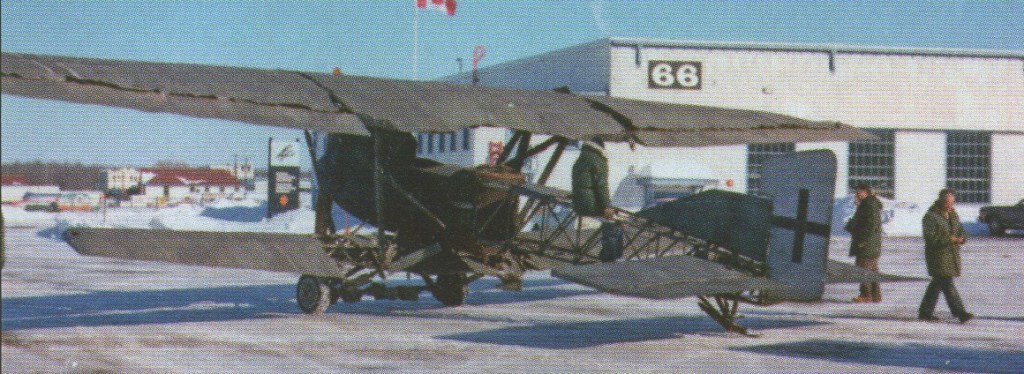
The Junkers F 13 was the product of the Junkers Flugzeug- und Motorenwerke AG (Junkers Aircraft and Motor Works) of Dessau, Germany. With Germany’s defeat in 1918, the Armistice ordered the transfer of all military aircraft to Allied authorities and the Treaty of Versailles prohibited Germany from ever fielding an air force. In the face of this, Dr. Hugo Junkers and his chief aircraft designer, Otto Reuter, set to work on a concept for a single engine civilian aircraft drawn up in broad strokes during the war. Originally called the J 13, the result of their labor would become known as the Junkers F 13, the world’s first all-metal transport plane to enter mass production and worldwide service, which first flew on June 25, 1919 (as the J 13).
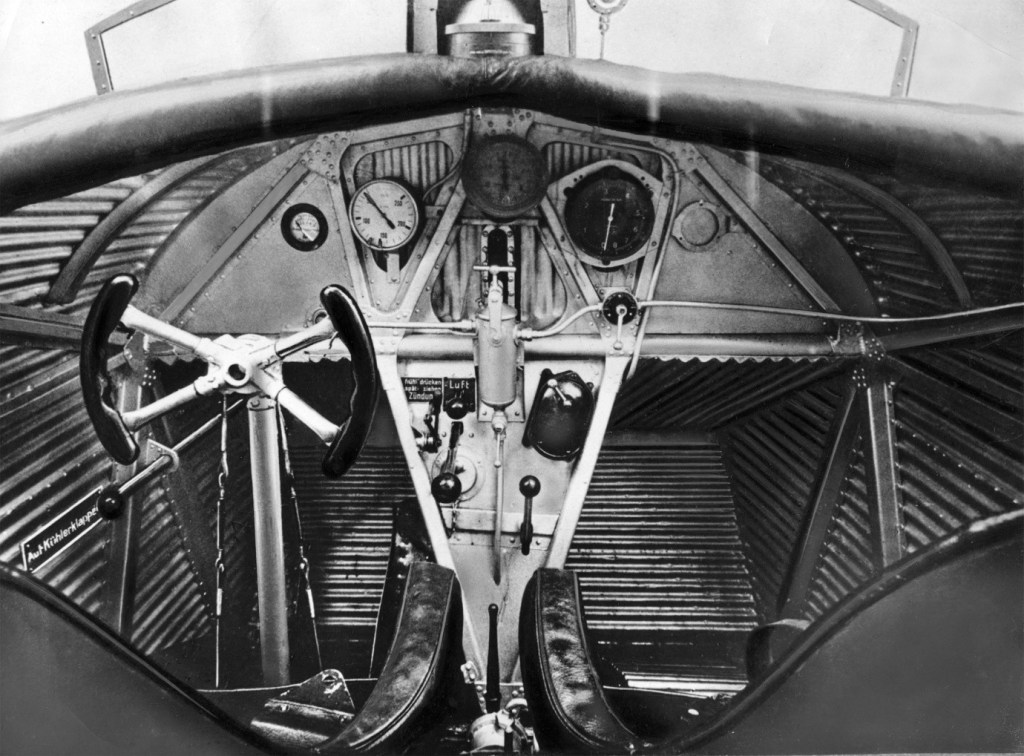
Junkers F 13’s open cockpit.

Compared to the contemporary wood and canvas biplanes that dominated the aviation market at the time, the Junkers F 13 was a night and day difference. Its skin was made of corrugated duralumin alloy riveted over spars and struts in the wings and fuselage.
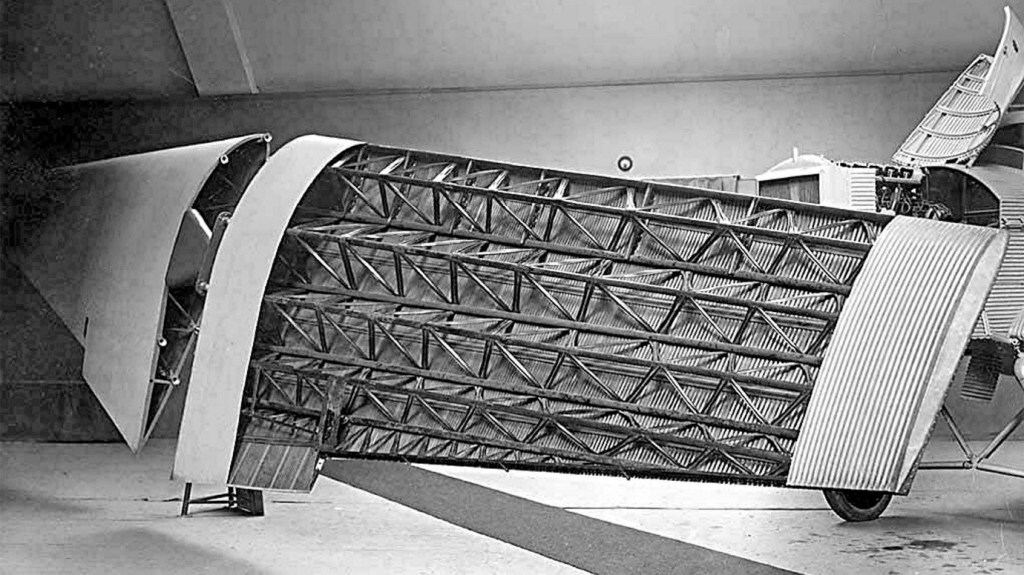
The internal wing structure of a Junkers F 13

The aircraft would carry a crew of two pilots in a semi-open cockpit and four passengers in an enclosed cabin – even fitted with seatbelts. The F 13 was also very adaptable, being able to swap its fixed landing gear for floats or skis depending on operating conditions, and many were powered by Junkers’ own L5 six-cylinder inline engine, along with a variety of additional powerplants.
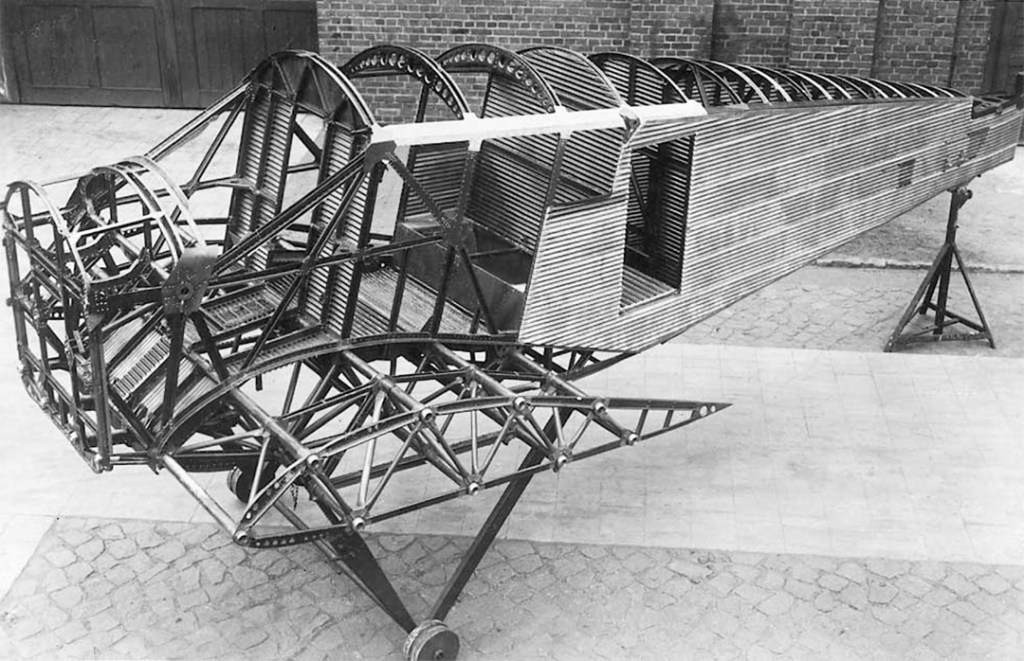
Duralumin fuselage of a Junkers F 13, 1919.

Junkers F.13 Article

Negotiations by the new Soviet government for the production of Junkers aircraft in Russia were started in 1919; they resulted in German assembly in Russia of the F.13 transport from German manufactured parts.
Deutsche Luft Hansa was a significant purchaser (of 72 examples).
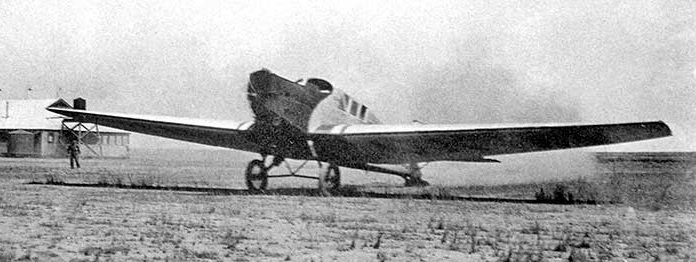
Junkers F.13 VH-UKW of Goldfields Air Navigation Ltd, Kalgoorlie refuelled at Forrest during 1931.

Estimates of total production vary between 318 and 370, over a decade of production, and there were more than 60 variations of the basic design built up to 1932. The seaplane version was fitted with larger wings than the land based version.
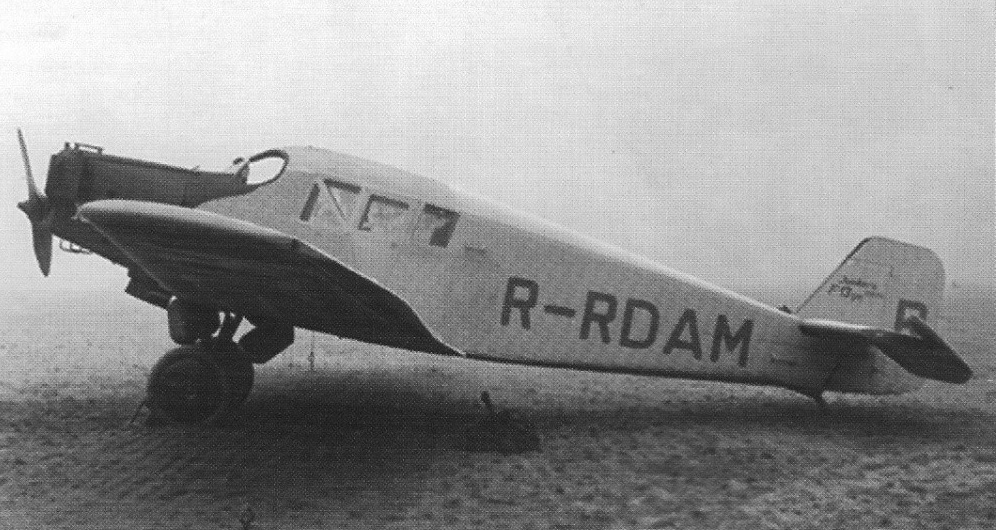
After the F13, Junkers was forced to stop work on an advanced cantilever wing monoplane transport because of the restrictions on the performance of German airplanes.

The F 13 was also produced outside Germany in Sweden, the Soviet Union, and even the United States, and was flown as far as Afghanistan, Bolivia, South Africa, and Hungary among many other nations around the world, representing an estimated 40 percent of global air traffic in 1925.

Over 300 F 13s were produced during the 1920s and 1930s, but today only five examples have been preserved around the world.

One was still active in Brazil as late as 1952.
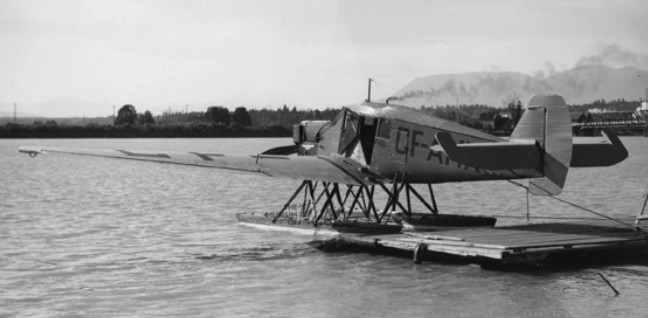
In 1919 John M. Larsen intended to sell U.S. aircraft in Denmark, but during his stay in Europe he also saw the Junkers F13 and was interested in selling the Junkers F13 within the USA. Together with Junkers he founded the Junkers Larsen Corporation in 1920, which was responsible for the marketing of Junkers aircraft in the USA. Larsen managed to sell some of the modified F13 as JL6 to the U.S. Army and to the U.S. Postal Office. But due to a series of crashes the JL6 was grounded by both. Larsen also converted one JL6 to a war machine as JL12, but the U.S. Army was not interested in this aircraft and the joint venture was stopped after a few sales, in 1920.

Junkers F 13 Restoration

Gallery

Replica:
Morszeck Junkers F 13

Engine: Mercedes, 160 hp
Range: 725 km / 450 mi
Seats: 4

F.13a
Engine: 1 x 265hp BMW III
Max take-off weight: 2703 kg / 5959 lb
Wingspan: 17.75 m / 58 ft 3 in
Length: 9.60 m / 31 ft 6 in
Height: 3.61 m / 11 ft 10 in
Max. speed: 177 km/h / 110 mph
Cruise speed: 140 km/h / 87 mph
Range: 648 km / 403 miles
Crew: 2
Passengers: 4

F 13ke
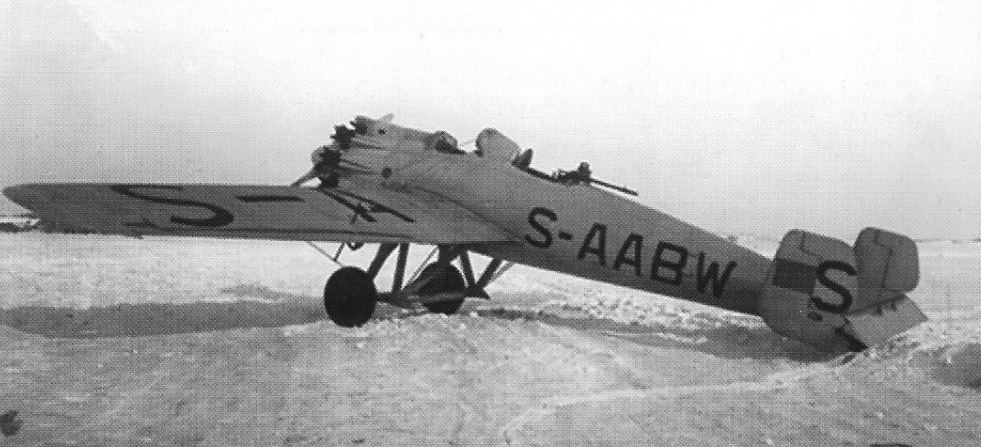
Junkers J 16 / K 16

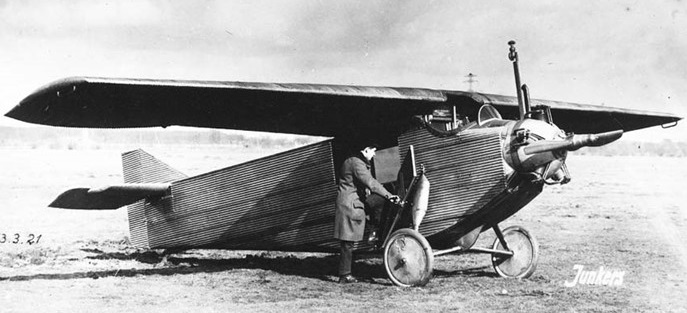
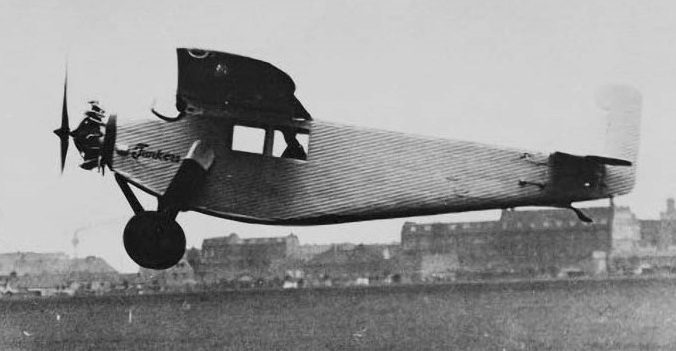
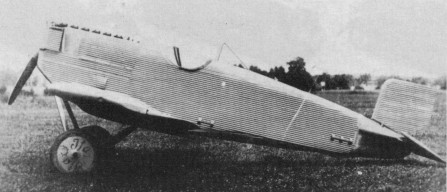
Based on the experimental results with the J 15 touring aircraft, the K 16 (originally designated J16) again offered space for two people in a closed passenger cabin and had an open pilot’s seat, this was now between the engine and the cabin and offered the pilot much better view. It was a conventional, high-wing cantilever monoplane of all-metal construction, equipped with fixed, tailwheel undercarriage.

Due to the stringent requirements of the Treaty of Versailles, the Daimler D III engine had to be replaced by a less powerful Siemens Sh 4 (65 hp).

The construction of the first K 16 was still in the time of total aircraft ban in accordance with the provisions of the Versailles Treaty. After the completion, the prototype was disassembled, moved to the Netherlands, and flown there. The first flight of a prototype aircraft (c / n 526) was on 3 March 1921. Shortly after the prototype flew, aircraft production in Germany was brought to a complete halt by the Allies. The plane was dismantled and transported to the Netherlands, where the test program has been completed. Until 1923, the K16 was in one of the hangars factory Fokker, and was then shown at air show in Gothenburg.

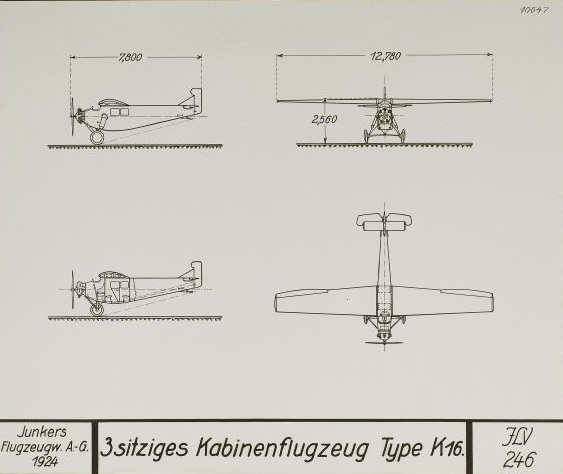
It was stored by Fokker until the restrictions were relaxed and work recommenced at Junkers’ Dessau factory in 1924. The wingspan of the prototype was 11 m but production aircraft wingspan was 12.80 m and with an improved rudder.

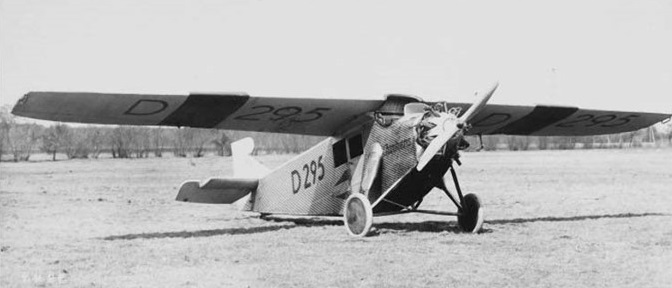
In 1924, at the plant in Dessau the first production K16a was built. It differed from the prototype of the new chassis, improved aerodynamics and Siemens Sh 5 engine of 85 hp. It is possible to increase the payload of the aircraft up to 315 kg and reach a maximum speed of 170 km / h.

The initial production in 1924 was followed by two more versions. The K16ba with a new wing (span increased to 12.80 m to 11 m compared with the prototype) and K16be / K16ba version of the engine Bristol Lucifer (100 hp). In 1927 came the K16bi / K16ba version with a Siemens Sh 12 (125 hp) engine, and the last variant, the K16bo with a Walter NZ-120 (120 hp) engine.

Junkers entered two K 16s in the 1925 Deutsche Rundflug, with one machine winning second place in the competition.

By this time, however, the airline niche that the tiny K 16 had been intended to fill no longer existed, and the seventeen that were produced were mostly sold to private owners. They were delivered with different motors, mainly with “Siemens & Halske AG” radial engines from Berlin-Spandau.

Gallery

Variants
K 16 – initial version with Siemens-Halske Sh 4 engine, later changed to Sh 5
K 16a – modified undercarriage and rear fuselage (modified from prototype)
K 16b – production versions with new wing and a variety of engine choices:
K 16ba – Siemens-Halske Sh 5 engine
K 16bi – Siemens-Halske Sh 20 engine
K 16bo – Walter NZ 120 engine
K 16c – as K 16b but with modified nose section to accommodate engine change
K 16ce – Bristol Lucifer engine

Specifications

K 16 prototype
Engine: 1 × Siemens-Halske Sh 4, 49 kW (65 hp)
Length: 8.00 m (26 ft 3 in)
Wingspan: 11.00 m (36 ft 1 in)
Height: 2.75 m (9 ft 0 in)
Wing area: 16.50 m2 (178 ft2)
Empty weight: 430 kg (950 lb)
Gross weight: 850 kg (1,870 lb)
Maximum speed: 145 km/h (91 mph)
Range: 600 km (375 miles)
Crew: One pilot
Capacity: 2 passengers

Engine: Siemens Sh 4, 47 kW / 65 hp
Span: 12,80 m
Length: 8.00 m
Height: 2.75 m
Wing area: 19,00 m²
Max weight: 850 kg
Top speed: 150 km / h
Crew: 1
Passengers: 2

Junkers J.10 / J.11 / CL.1

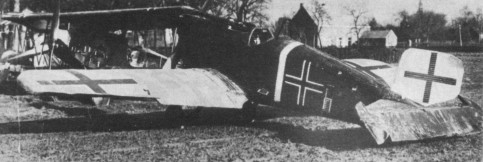
The J8/J10/J11 series were very much just two seat adaptations of the J7/J9 single seat fighters. All derived their origin from the innovative J1 of 1915. They were all metal low wing cantilever monoplanes, the J10/J11 was powered by a 185hp BMW or Benz engine. Typical for their appearance was the corrugated light duralumin skin and the flat radiator in front of the engine.

The J.11 was a float equipped derivation of the J10 two seat escort and ground attack fighter, which had been built in quantity during 1918 as the Junkers CL.I.

Junkers J.8

The J8 was the prototype for the J.11.
The J8/J10/J11 series were very much just two seat adaptations of the J7/J9 single seat fighters. All derived their origin from the innovative J1 of 1915. They were all metal low wing cantilever monoplanes. Typical for their appearance was the corrugated light duralumin skin and the flat radiator in front of the engine.

Replica: Haig Junkers J8

Junkers J.IV

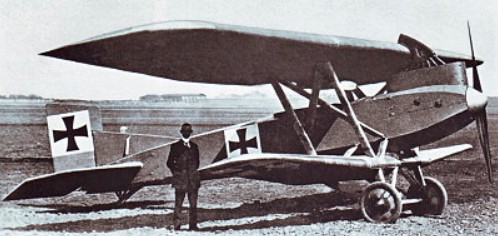
The Junkers J.IV, which flew for the first time early in 1917 and became operational at the beginning of 1918, was an all-metal biplane designed for close support and tactical reconnaissance.
When ordered for the German Army, Junkers was not geared for mass production. Junkers-Fokker-Werke was formed at Dessau on October 20,1917, with equal shares held by Junkers and Anthony Fokker. Manufacture was shared between the Junkers and Fokker factories, which produced a total of 227 aircraft between them.
Conflicts of personality caused Fokker and Junkers to separate in 1918, and the Junkers re-formed following April as Junkers FlugzeugwerkeAG.
A ground-attach and observation machine, the crew was protected by 5mm steel plating. Instead of radio equipment, early J.IVs carried two downward-firing Parabellum machine guns, but these were deleted because of problems with accurate aim.

Engine: 1 x 200hp Benz Bz.IV
Wingspan: 16.00 m / 52 ft 6 in
Length: 9.10 m / 29 ft 10 in
Height: 3.40 m / 11 ft 2 in
Max. speed: 155 km/h / 96 mph
Ceiling: 6000 m / 19700 ft
Range: 310 km / 193 miles
Armament: 3 x 7.62mm machine-guns
Crew: 2

Junkers J.I Blechesel / Tin Donkey

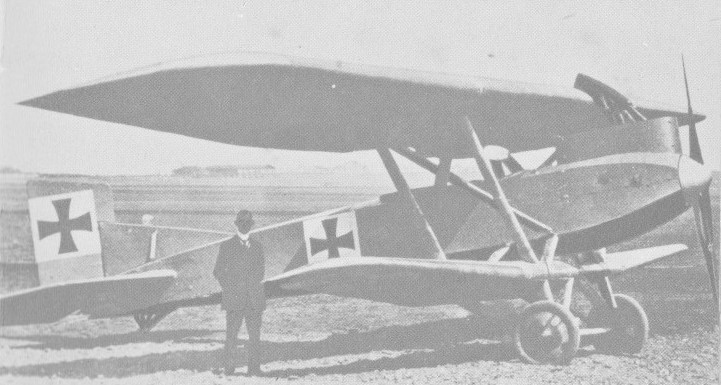
Professor Hugo Junkers (1859-1935) became convinced that all metal structure was the ultimate answer to successful aircraft design, he produced the experimental J.1 “Blechesel” (Tin Donkey) to exemplify his 1910 patent for a cantilever all-metal wing.

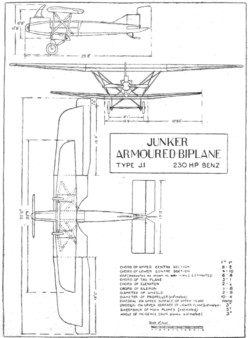
An all-metal semi-cantilever biplane, the multi-spar metal wings were covered with corrugated light alloy sheet. The entire forward part of the fuselage to the rear of the cockpits was made of 5 mm sheet steel armour. The front fuselage alone weighed 1030 lb. The rear fuselage was a light alloy tube structure, covered with fabric on most aircraft. Control surfaces were all metal, with ailerons on the top wing only.

The J.1 first flew on December 12, 1915, giving unexpectedly stable performance.

Altogether, 227 J.1 were built, serving from late 1917 until the end of the war.

Engine: Benz Bz.IV, 200 hp
Wingspan: 52 ft 6 in
Wing area: 531.5 sq.ft
Length: 29 ft 10.5 in
Height: 11 ft 1.75 in
Empty weight: 3895 lb
MTOW: 4797 lb
Max speed: 97 mph at SL
Endurance: 2 hr
Armament: 1 x Parabellum mg

Juge & Rolland Ornithoptère

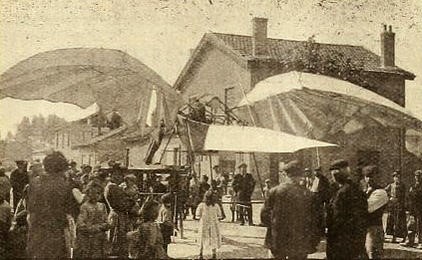
Thr Ornithopter of Jean-Baptiste Juge and Paul Rolland was designed and realized during 1907 through 1909. In a January 1909 magazine article written by Paul Rolland in “L’Aérophile” about the machine, Rolland begins with a plea to the editor of “L’Aérophile” for a more powerful engine (40 hp), as the one available had insufficient power. In the last paragraph he mentions that the first tests were made without any publicity given. Additionally, he states that the first wing flaps or “coups d’ailes” rather, “have given us every satisfaction.” Jean-Baptiste Juge had filed a French patent on September 28, 1907 (published November 28, 1908) for an “Aviateur”, which is remarkably similar to the finished model. That this patent has only Juge as inventor, gives the impression at least, that he was the driving intellectual force behind the design of the machine.