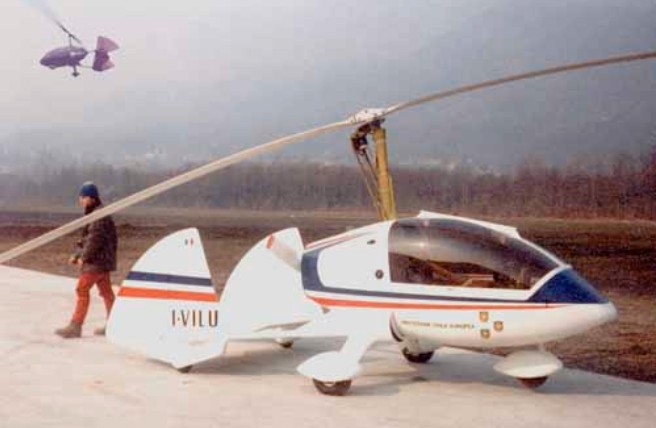
Magni MT-7 / VPM S-2

In 1980 Vittorio Magni of Italy had designed a new, two-seat autogyro with a 150 hp Lycoming engine. The machine got the project name MT-7 (Magni-Tervamaki). Vittorio later redesignated the machine as VPM S-2.

The calculations and general design blueprints were delivered to Vittorio, who was responsible for all the detail design. He also built the machine together with his son. The machine was completed in 1985, and it also flew well.

Some years later the machine was lost in an accident in France. The control rods had been bent in road transport by a truck.

Magni continued the development of autogyros and has designed a series of gyros which all seem to have the rotor head and blade design of JT-5 and MT-7.
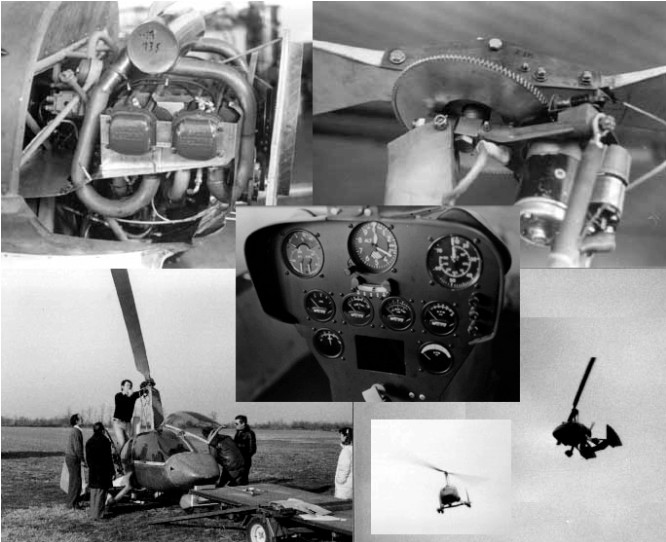
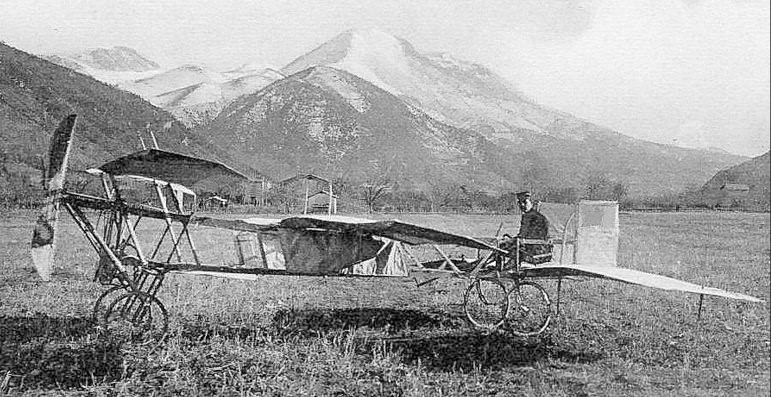
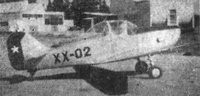
Maestranza Central De Aviacion H.F.XX-02

Designed by Hugo Fuentes (hence the HF in the designation), the HF XX-02 trainer was a conventional, low-wing cantilever monoplane of mixed construction with fixed tailwheel undercarriage. The pilot and instructor sat side by side.

Two prototypes were constructed at El Bosque Air Base, designated XX-02 and XX-02B, and the first flew in 1954. Development was abandoned due to difficulties maneuvering at lower altitudes, which in one case, led to a crash in which the instructor was killed while attempting to land after a tight turn at low altitude.

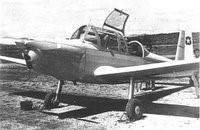
The design was subsequently refined by Francisco Bravo and an improved version, the HFB XX-02 flew in 1958 powered by a Continental O-470 engine in place of the Ranger L-440 that powered the original. Only the two were ever built.

HFB XX-02
Engine: 1 × Continental O-470-B, 168 kW (225 hp)
Wingspan: 10.10 m (33 ft 2 in)
Length: 6.60 m (21 ft 8 in)
Height: 2.15 m (7 ft 1 in)
Wing area: 16.0 m2 (172 ft2)
Empty weight: 760 kg (1,675 lb)
Gross weight: 1,060 kg (2,337 lb)
Maximum speed: 195 km/h (121 mph)
Range: 800 km (500 miles)
Service ceiling: 4,570 m (15,000 ft)
Crew: Two, pilot and instructor

Maestranza Central De Aviacion Triciclo-Experimental / XX-01

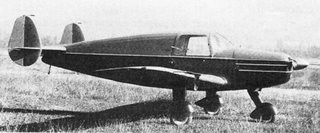
In 1947, the Maestranza Central de Aviación, the Central Workshops of the Chilean Air Force designed and built the first Chilean-designed aircraft, the Triciclo-Experimental (also designated XX-01), unveiled in May 1947. The Triciclo, designed by Alfredo D. Ferrer, was a low-winged monoplane of wooden construction with a fixed tricycle landing gear and a twin tail. The crew of two sat side-by-side in an enclosed cockpit, and were provided with dual flight controls.

Built with indigenous materials, Ferrer received tuition in the XX-01.

Only one was built.

Engine: 1 × Franklin, 75 kW (100 hp)
Propeller: two-blade
Length: 6.50 m (21 ft 4 in)
Wingspan: 11.0 m (36 ft 1 in)
Height: 1.80 m (5 ft 11 in)
Wing area: 13 m2 (140 sq ft)
Empty weight: 355 kg (783 lb)
Gross weight: 600 kg (1,323 lb)
Maximum speed: 180 km/h (112 mph; 97 kn)
Cruising speed: 160 km/h (99 mph; 86 kn)
Range: 1,000 km (621 mi; 540 nmi)
Service ceiling: 5,500 m (18,045 ft)
Crew: 2

Maer The Egg / The Fly

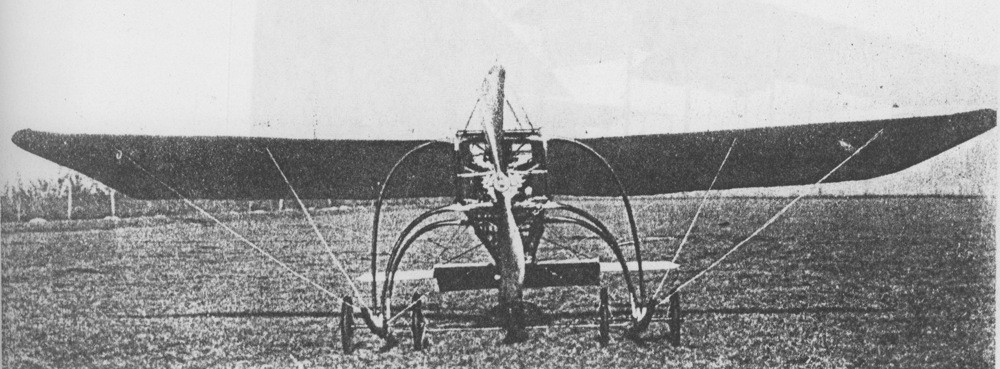
A machine built around 1924, consisting of an egg-shaped fuselage with an underslung gondola and extra-long landing gear that could be found at Stinson Field at the time. A mid-wing monoplane, the 90hp Curtiss OX-5 engine was mounted in a cowl that looked much like a NACA cowl, not then invented, and its radiator was mounted on the outside of the cowl.

The ship was said to be the brainchild of a German inventor, and one named Maer was known to be working at Stinson Field, but other sources credit it to a Prof Warner, who also designed an ornithopter.

An Air Service Newsletter lists the plane as “The Fly,” designed and constructed by a Lt D B Phillips, assisted by members of the 3rd Attack Group.

Reportedly was Charles Lindbergh who labeled it “The Egg” when he saw it.

Mad Max Aero Mad Max

Audaciously coloured, the bold-looking Mad Max is aptly named. The “Max” in its namesake also stands for its award-winning designer, Maxie Wildes. The Max now comes in single- or double-seat capacities and the opened-frame gyro cruises at 60 mph and reaches 80 mph. Kits for the Mad Max 2001: $19,000.

Engine: 76-165 hp Subaru.
Prop: Up to 72” Warp Drive.
Rotor blades: Up to 30’ Sky Wheels.
Min speed: 25 mph.
Cruise: 60 mph.
Top speed: 80 mph.
Empty wt: 625 lbs.
Useful load: 375 lbs.
Gross wt: 1000 lbs.
Height: 7’10”.