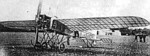
The Morane-Borel 1911 Concours Militaire two-seater monoplane was designed and built by S.A. des Aeroplanes Morane-Borel-Saulnier in France.
The Morane-Borel 1911 Concours Militaire two-seater monoplane was designed and built by S.A. des Aeroplanes Morane-Borel-Saulnier in France.
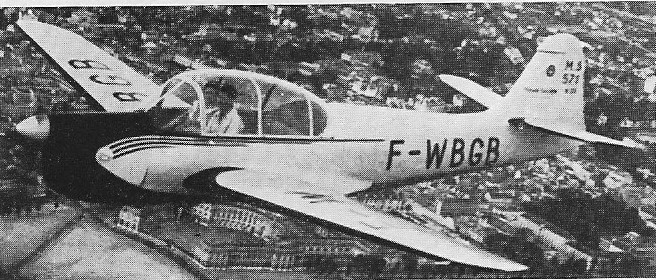
Basically a three-seat development of the MS.560, the prototype MS.570 flew for the first time on 19 December 1945, powered by a 140 hp Renault Pei.
The MS.571 differed from the MS.570 in providing accommodation for three persons. The first MS.571 flying on 13 October 1946.

The M.S.572 was similar to the basic design, but had four seats and a 104kW Potez 4D engine.
MS.570
Engine: 140 hp Renault Pei
Maximum speed: 265km/h
Seats: 2
MS.571
Engine: 140 hp Renault Pei
Wingspan: 34 ft 2.5 in
Length: 27 ft 11 in
Height: 9 ft 1 in
Empty weight: 1478 lb
Loaded weight: 2312 lb
Max speed: 152 mph at 1640 ft
Cruise 70%: 137 mph
ROC: 748 fpm
Range: 620 mi
Seats: 3
M.S.572
Engine: 104kW Potez 4D
Seats: 4
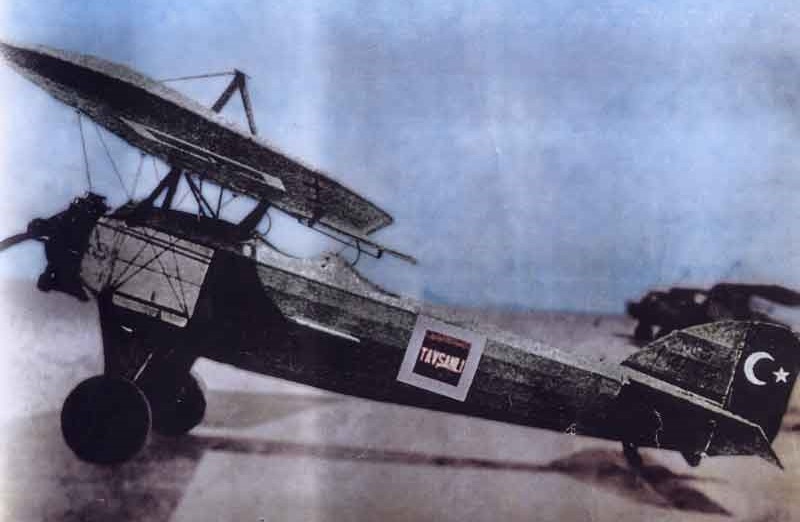
The Morane-Saulnier MS.147 and its derivatives, the MS.148 and MS.149 were a family of trainer aircraft produced in France in the late 1920s for civil and military use.
First flying in 1928, they were derived from other machines in Morane-Saulnier’s successful line of monoplane trainers, combining the wire-braced parasol wing of the MS.138 with the fuselage and undercarriage of the MS.130. The M.S.130 had been a training aircraft used by the French Navy, while the M.S.138 was used by the Armée de l’Air in the early 1930s.
The prototype M.S.147 made its maiden flight in 1928. It was powered by a 120hp Salmson 9Ac radial engine and had a top speed of 90mph. 109 were built, of which thirty were sold to Brazil, five to Greece, three to the Aéropostale company.
The M.S.147 was followed by a single M.S.148 and then by fifty-six M.S.149s produced for the French Navy. The M.S.149 first flying in 1929.
A total of 166 were built. The various subtypes saw service with the Aéronavale, Aéropostale, and a number of foreign air arms. They were largely withdrawn from French military service by 1935.
Operators were Aéronavale (56 × MS.149), Aéropostale (3 × MS.147P), Brazil (30 × MS.147), Hellenic Air Force (5 × MS.147), Guatemalan Air Force, Turkish Air Force, Venezuelan Air Force (MS.147).
The aircraft was used as a basic trainer during the early 1930s. Most had been withdrawn from service by 1935, although a small number remained in use as late as 1939.
Variants:
MS.147
production version 106 built
Engine: Salmson 9Ac, 89 kW (120 hp)
Propeller: 2-bladed fixed pitch
Wingspan: 10.9 m (35 ft 9 in)
Wing area: 19.3 m2 (208 sq ft)
Length: 7 m (23 ft 0 in)
Height: 3.69 m (12 ft 1 in)
Empty weight: 584 kg (1,287 lb)
Gross weight: 850 kg (1,874 lb)
Maximum speed: 145 km/h (90 mph, 78 kn)
Wing loading: 43.6 kg/m2 (8.9 lb/sq ft)
Power/mass: 0.1067 kW/kg (0.0649 hp/lb)
Crew: 2
MS.147P
mailplane version for Aéropostale 3 built
MS.148
Engine: Salmson 7Ac
1 built
MS.149
version for Aéronavale (56 built)
Engine: Lorraine 5Pa, 100hp
Top speed: 87mph
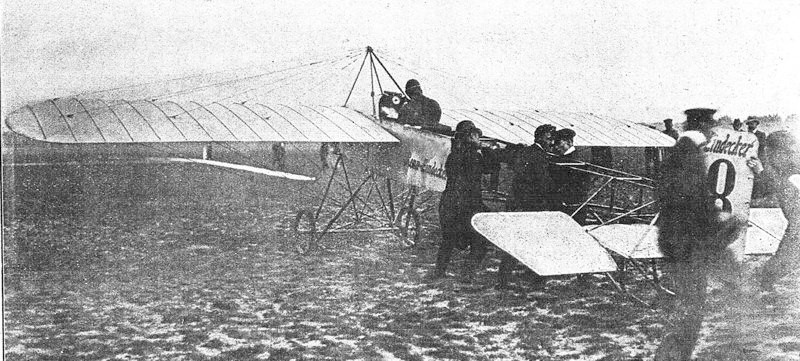
The Morane-Borel monoplane (sometimes referred to with the retronym Morane-Saulnier Type A or simply the Morane monoplane; company designation Bo.1) was an early French single-engine, single-seat aircraft.
Designed by Raymond Saulnier, the Monoplane was a mid-wing tractor configuration monoplane powered by a 50 hp Gnome Omega seven-cylinder rotary engine driving a two-bladed Chauvière Intégrale propeller. The fuselage was a rectangular-section wire-braced box girder, with the forward part covered in plywood and the rear part fabric covered: the rear section was left uncovered in some examples. The two-spar wings had elliptical ends and were braced by a pyramidal cabane in front of the pilot and an inverted V-strut underneath the fuselage, behind the undercarriage. Lateral control was effected by wing warping and the empennage consisted of a fixed horizontal stabiliser with tip-mounted full-chord elevators at either end and an aerodynamically balanced rudder, with no fixed vertical surface. In later examples the horizontal surfaces were modified, and consisted of a fixed surface with balanced elevators hinged to the trailing edge. The undercarriage consisted of a pair of short skids, each carried on a pair of struts, and a pair of wheels on a cross-axle bound to the skids by bungee cords, and a tailskid.
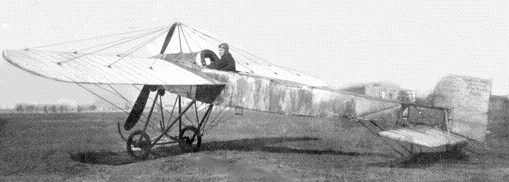
Manufactured by the Morane brothers and Gabriel Borel, the machine was flown by Eugen Wiencziers in the 11 June – 10 July 1911 Deutsche Rundflug, where he was the sixth biggest money winner, winning a total of 26,673 Mark out of the massive 442,606 Mark prize fund. The 1,854 km tour of northern Germany started and finished in Berlin-Johannisthal and visited twelve other towns. It was won by Benno König in an Albatros, and 8 of the 24 entrants completed the course.
The Monoplane achieved fame when Jules Védrines flew one to victory in the 1911 Paris-to-Madrid air race, the only competitor to finish the four-day course. Later in the year he came second in the Circuit of Britain, flying an aircraft powered by a 70 hp Gnome.
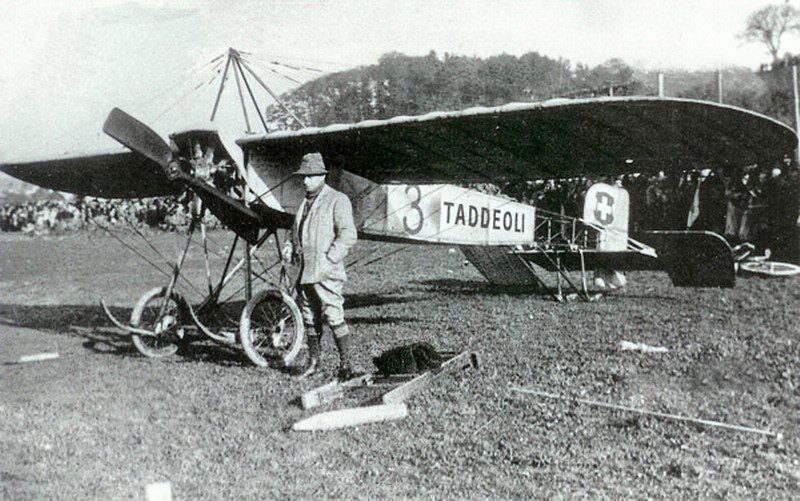
Another was flown by André Frey in the Paris-Rome race in 1911, finishing third. Emile Taddéoli was another owner of a Morane monoplane.
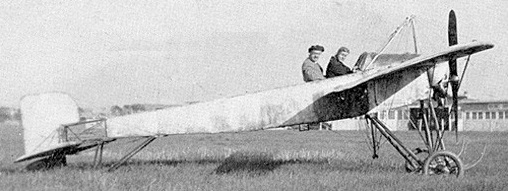
A two-seat version was later produced, with the fuselage lengthened to 7.0 m (23 ft) and wingspan increased to 10 m (34 ft).
A two-seat version, powered by an 80 hp Gnome was entered for the 1912 British Military Aeroplane Competition.
Operators included the Argentine Air Force, Brazilian Naval Aviation, Romanian Air Corps, and the Royal Naval Air Service.
A Morane-Borel, acquired from Earl Daugherty, ended up as a display relic, at the Tallmantz Movieland of the Air (aka Intl Museum of Flight at Orange Co CA Airport) in the 1960s. Modified to some unknown extent—perhaps just renamed—as the Mathis-Mestach Exhibition Monoplane c.1911.
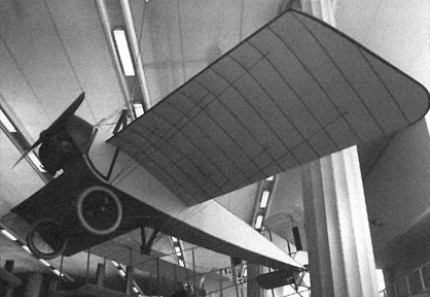
As of 2007 a single example remained extant, undergoing conservation work at the Canada Aviation Museum.
Powerplant: 1 × Gnome Omega, 37 kW (50 hp)
Wingspan: 9.50 m (31 ft 1 in)
Wing area: 14 m2 (151 sq ft)
Length: 6.50 m (21 ft 6 in)
Empty weight: 200 kg (441 lb)
Gross weight: 430 kg (948 lb)
Maximum speed: 111 km/h (69 mph, 60 kn)
Crew: one
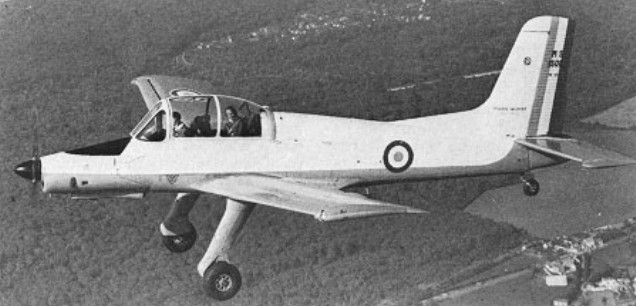
Flown for the first time on 12 May 1958, the prototype Morane-Saulnier M.S.1500.01 Epervier (sparrow-hawk) was a two-seat cantilever low-wing monoplane, with a high glazed canopy for its two-man crew. The Epervier was initially powered with a 400 shp Turbomeca Marcadau turboprop with which it logged 29 hr in 46 flights.
It was subsequently re-powered with an 800 shp / 522kW Turbomeca Bastan IV turboprop which first flew on 7 October 1958. Its fixed conventional landing gear had cantilever main legs.
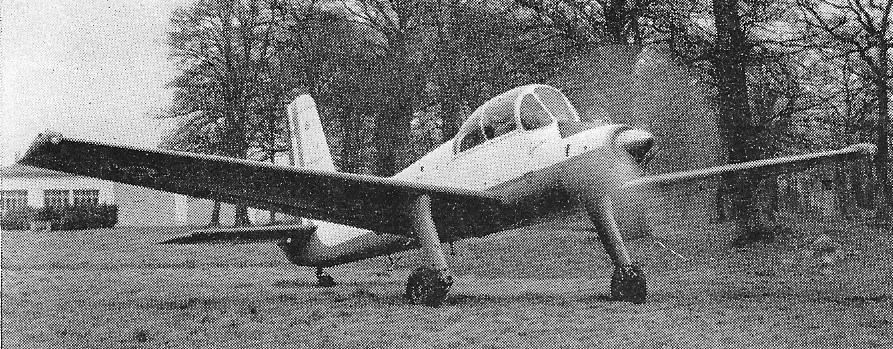
By the end of February 1959 it had flown a further 37 hr in 58 flights.
The M.S.1500 was intended to meet an official Armee de I’Air requirement for a tactical reconnaissance and counter-insurgency aircraft for service in Algeria against the nationalist forces. A second prototype was built and tested, but no production orders were received.
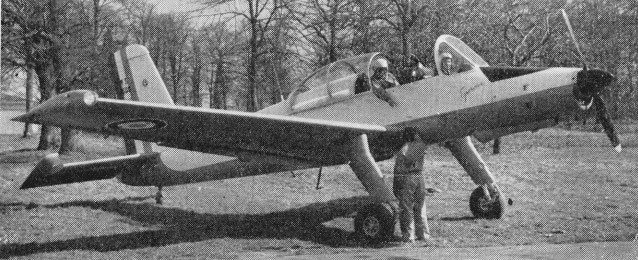
Engine: 1 x 522kW Turbomeca Bastan IV turboprop
Max take-off weight: 2850 kg / 6283 lb
Wingspan: 13.06 m / 42 ft 10 in
Max. speed: 315 km/h / 196 mph
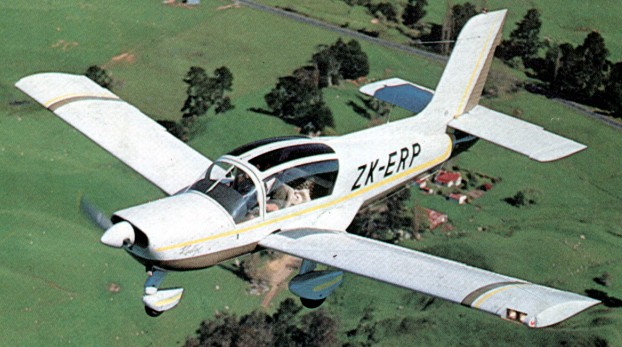
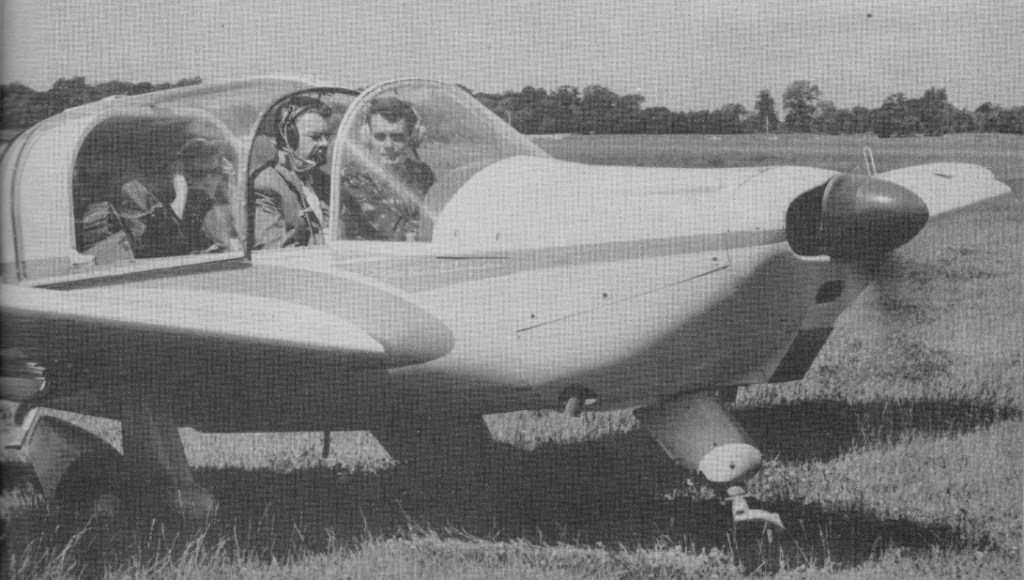
The Morane-Saulnier M.S.880, an all-metal low-wing monoplane with retractable landing gear, designed for a French Government competition seeking a popular everyman’s aircraft. It was first called the Ral¬lye 800, powered by a 90 horse Continental, at a price of US$5,750. It first flew on 10 June 1959 and was then produced in a number of variants.
The first French mass-produced all-metal light touring aircraft. The landing gear is a fixed tricycle, the cockpit has a large sliding canopy. Rectangular wings use a laminar flow airfoil. The entire leading edge is fitted with an automatically operating slats, each wing interconnected to prevent dissymmetry of lift. These open at slow speed and close at high speed. Wing flaps are manually controlled. Ailerons are fitted with automatic tabs. The Super Rallye and Rallye Commodore four seats and the Rallye Club two-three seats,
Engines have included:
Continental O-200-A, 100 hp
Continental O-300-A or -B, 145 hp
Potez 4 E 20, 105 hp
Potez 4 E 30, 115 hp
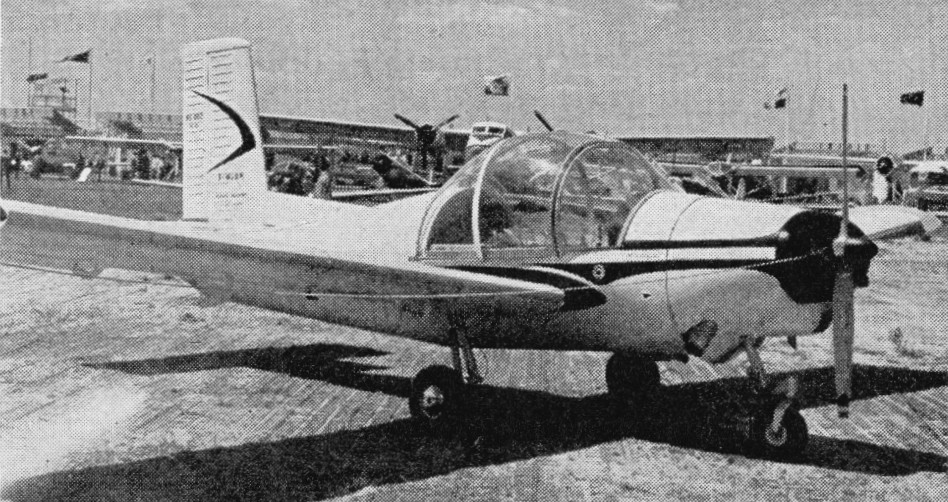
In 1965 the company became a subsidiary of Sud-Aviation, which in 1966 created its SOCATA lightplane subsidiary that became part of Aérospatiale. In 1979 the SOCATA product line was redesignated, and the Rallye series was renamed. Thus, the Rallye 110ST two-seat trainer with the 82-kW (110-hp) O-235-L2A engine, became the Galopin; the Rallye 180T glider tug with the 134-kW (180-hp) O-360-A3A became the Galerien, and the Rallye 235GT high-performance STOL four-seater with the O-540 became the Gabier with options of tricycle or tailwheel landing gear. These major models were complemented by other variants with Franklin or Rolls-Royce/Continental engines.
All models share basically the same airframe: corrosion-proofed monocoque fuselage, slotted Fowler flaps and automatic full-span leading edge slats.
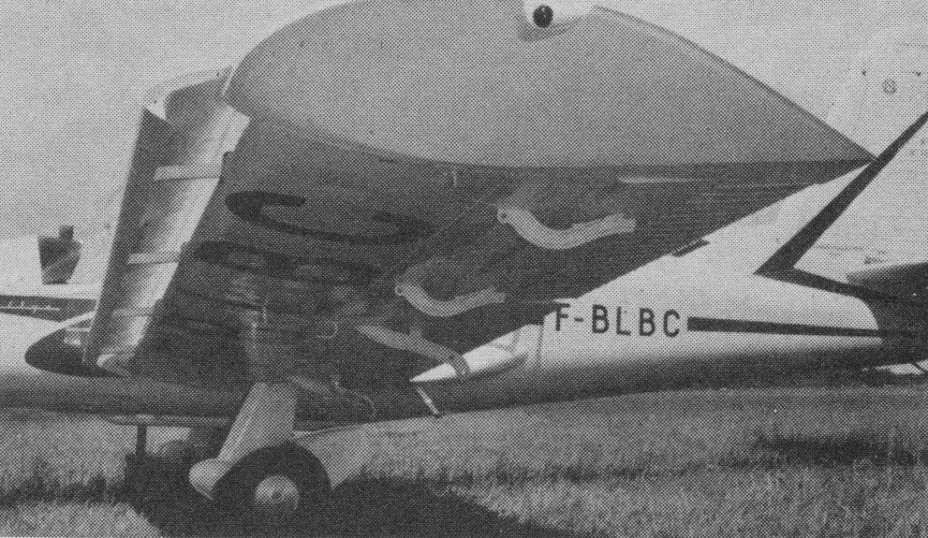
The Rallye 235 was equipped with a non-steerable nose¬wheel. The automatic full span leading edge slats are a key to Rallye performance. They are out at takeoff; later on, they stow themselves. The slats promote smooth flow over the wing at low speeds and help maintain lateral con¬trol by giving the ailerons some breeze with which to work. They are not effective in lower¬ing stall speed, but they do increase the stall¬ing angle of attack, which combines with more effective lateral control to make operat¬ing the airplane with minimum margins more comfortable.
Almost 30 civil-standard Rallyes of various models were delivered for military use as trainers and liaison aircraft. R.235 Guerrier Based on the successful Rallye touring aircraft, the armed Guerrier can carry up to 340kg of stores on four underwing Alkan 663 pylons. Weapons options include machine-gun pods, rocket pods, light bombs, and flares. Also available is a surveillance pack containing a TV camera and transmitter for relaying images direct to ground units. Side-by-side seating and dual controls allow the aircraft to be used as a trainer, and a stretcher can be carried for casevac missions.
Customers (1987): Guerrier El Salvador 6, Rwanda 2, Senegal 4.
In France SOCATA flew the pro¬totype of an agricultural version of the Rallye on 16 May 1977. Designated Rallye 235 CA Agricole, it was avail¬able with a variety of dusting/ spraying equipment that could be removed easily for the aircraft to fly as a two seat lightplane when the spraying season was over.
Certification of the MS 880B and MS 885 came under Direction Generale L’Aviation Civile France 13, and the MS 893E and Rallye 235E under Direction Generale L’Aviation Civile France 22.
All the Rallyes were built, flown and certificated by French au¬thorities in Tarbes, France. Those destined for the U.S. are disassembled, their engines are pick¬led, and the airplanes are packaged, two to a ship container, and floated to Wilmington, North Carolina or Norfolk, Virginia. Rallye Air¬craft Corporation, an Aerospatiale subsidiary reassemble, finish and paint the airplanes. Each must then be cer¬tificated by the FAA.
Rallye Aircraft has taken a tricycle gear airplane and moved the third wheel from front to back. The new taildragger is the Rallye 235C, which, except for its landing gear and stick control, is a copy of the Rallye 235GT, a four place, canopy top touring machine pulled by 235 hp Lycoming. But the need for short landings usually comes in conjunction with rough, unpaved landing sites. The older Rallye, with its nose gear and small diameter mains, is only marginally suitable off pavement, whereas the 235C, with conventional wheel placement and large 8.00 x 6 main tires is more suitable. Control sticks are centered before each front seat, and the 235C has two throttles.
Waco Aircraft [2] was founded in 1966 to build SF.260 (as Waco Meteor), and Socata Rallye Commodore (as Waco Minerva).
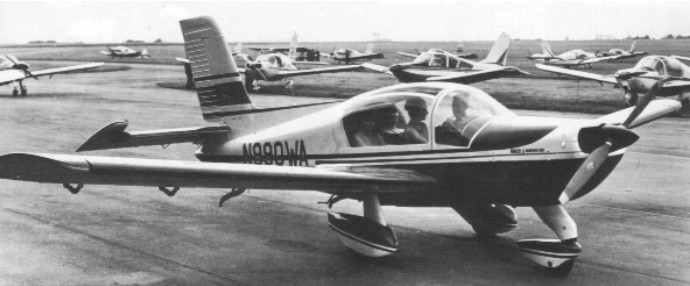
French production of the Rallye series stopped in the 1970s and PZL took it over (as the PZL-110), along with all production licences.
Rallye
Engine: Continental C-90, 90hp
Seats: 2
MTOW: 1,280 lb
Cruise: 115 mph
Endurance: 4 hr
MS.880B Club / Rallye 110 T
Engine: Continental O-200, 100 hp
Empty weight: 992 lb
MAUW: 1695 lb
Max speed: 121 mph
Cruise: 109 mph
Stall: 47 mph
ROC: 550 fpm
Seats: 2-3
Price 1964: $6988-$7684
MS.881 Rallye
Engine: Potez 4 E 20, 105 hp
Number built: 12
MS.883 Rallye
Engine: Lycoming, 115 hp
Number built: 77
MS.885 Super Rallye
Engine: Continental O-300C, 145 hp
Empty weight: 1100 lb
MAUW: 1875 lb
Max speed: 135 mph
Cruise: 124 mph
Stall: 51 mph
Seats: 3-4
Number built: 212
MS.886 Super Rallye
Engine: Lycoming O-320-E, 150 hp
Number built: 3
MS.890 Rallye Commodore
Engine: Continental O-300C, 145 hp
Empty weight: 1190 lb
MAUW: 2200 lb
Max speed: 133 mph
Cruise: 121 mph
Stall: 56 mph
ROC: 630 fpm
Seats: 4
MS.890M
Engine: 145hp
TO run: 390 ft
Ldg roll: 250 ft
ROC: 750 fpm
Cruise: 124 mph
110ST Galopin
Engine: Lycoming O-235-L2A, 112 hp
Cruise 65%: 85 kts
Max cruise: 128 mph / 111 kt
Endurance 65%: 4 hr 33 min
Stall: 46mph/40 kt
Useful load: 570 lbs
ROC: 542 fpm
T/O roll: 430 ft
Ldg roll: 290 ft
Rallye 150 GT
Engine: Lycoming O-320-E2A, 150 hp
150ST
Aerobatic
T/O roll: 420 ft
Ldg roll: 390 ft
Max X-wind: 20 kt
160ST
Aerobatic
T/O roll: 420 ft
Ldg roll: 390 ft
Stall: 51 mph/45 kt
Max cruise: 137 mph / 119 kt
ROC: 800 fpm
155SV Garnement
Engine: Lycoming O-320-D2A, 160 hp
Cruise 65%: 100 kts
Endurance 65%: 3 hr
Stall: 49-44 kt
Useful load: 720 lbs
ROC: 768 fpm.
180T Galerien
Engine: Lycoming O-360-A3A, 134-kW (180-hp)
Seats: 2
T/O roll: 380 ft
Ldg roll: 410 ft
Stall: 54 mph/ 48 kt
Max cruise: 140 mph / 122 kt
ROC: 890 fpm
180GT
Engine: Lycoming O-360-A2A, 180 hp
Wingspan: 31 ft 6.25 in / 9.61 m
Length: 23 ft 9 in / 7.24 m
Empty wt: 1257 lb / 570 kg
MTOW: 2315 lb / 1050 kg
Fuel cap: 48 Imp. Gal
Max ldg wt: 2305 lb
Max cruise 75% 5000ft/1525m: 139 mph / 121 kt / 224 kph
T/O roll: 445 ft
Ldg roll: 410 ft
Stall: 57 mph/ 50 kt
ROC: 787 fpm / 240 m/min
Service ceiling: 11,150 ft / 3400 m
Range: 512 nm / 590 mi / 950 km
Max X-wind: 20 kt
Cabin length: 7 ft 4 in / 2.25 m
Cabin width: 3 ft 8.5 in / 1.13 m
Seats: 4
Rallye 125
1972
Engine: Lycoming O-235-F2A, 125 hp
Seats: 4
Rallye 220 GT
Engine: Franklin 6A-350-C1, 220 hp
Rallye 235C
Engine: Lycoming O 540 B4B5, 235 hp
TBO: 2,000 hrs
Prop: 2 blade, constant speed
Length: 24 ft
Wingspan: 32 ft
Wing area: 132 sq.ft
Height: 7 ft 7 in
Max takeoff weight: 2,645 lbs
Standard empty weight: 1,466 lbs
Max useful load: 1,179 lbs
Wing loading: 20 lb/sq.ft
Power loading: 11.3 lb/hp
Max usable fuel: 65 USG/390 lb
Max rate of climb, sea level: 970 fpm
Max rate of climb, 8,000 feet: 4155 fpm
Max operating attitude: 14,800 ft
Max speed (sea level): 148 kts
Cruise, 65 % power at 8,000 ft: 125 kts
Fuel flow at 65 % power: 12.9USG/hr
Endurance at 65% power, no res: 5 hrs
Stalling speed, clean: 59 kts
Stalling speed, flaps down: 54 kts
Max ramp weight: 2645 lbs
Turbulent air penetration speed: 113 kts
R.235 Guerrier
R.235GT Gabier
Engine: Lycoming O 540 B4B5, 235 hp
TBO: 2,000 hrs
Prop: 2 blade, constant speed, 80 in. dia.
Length: 23 ft. 9 in
Height: 9 ft. 2 in
Wingspan: 31 ft. 11 in
Wing area: 132 sq. ft
Wing loading: 20 lb/sq.ft
Power loading: 11.2 lb/hp
Seats: 4
Empty wt: 1,568 lb
Useful load: 1,072 lbs
Payload with full fuel: 622 lbs
Gross wt: 2,640 lbs
Usable fuel cap: 71 USG/426 lbs
Maximum rate of climb: 970 fpm
Service ceiling: 14,800 ft
Maximum speed: 148 kts
Max cruise, 75 % pwr at 6,000 ft: 131 kts
Econ cruise 65 % pwr at 10,000 ft: 127 kts
Duration at max cruise: 5.4 hrs
Duration at econ cruise: 6.2 hrs
Stalling speed, clean: 59 kts
Stalling speed, full flaps: 56 kts
T/O roll: 490 ft
Ldg roll: 425 ft
Max X-wind: 25 kt
MS.893E Rallye 108GT
Engine: Lycoming, 180 hp
Prop: CSU
Seats: 4
Waco Minerva 220
Engine: Franklin, 220 hp
Seats: 4
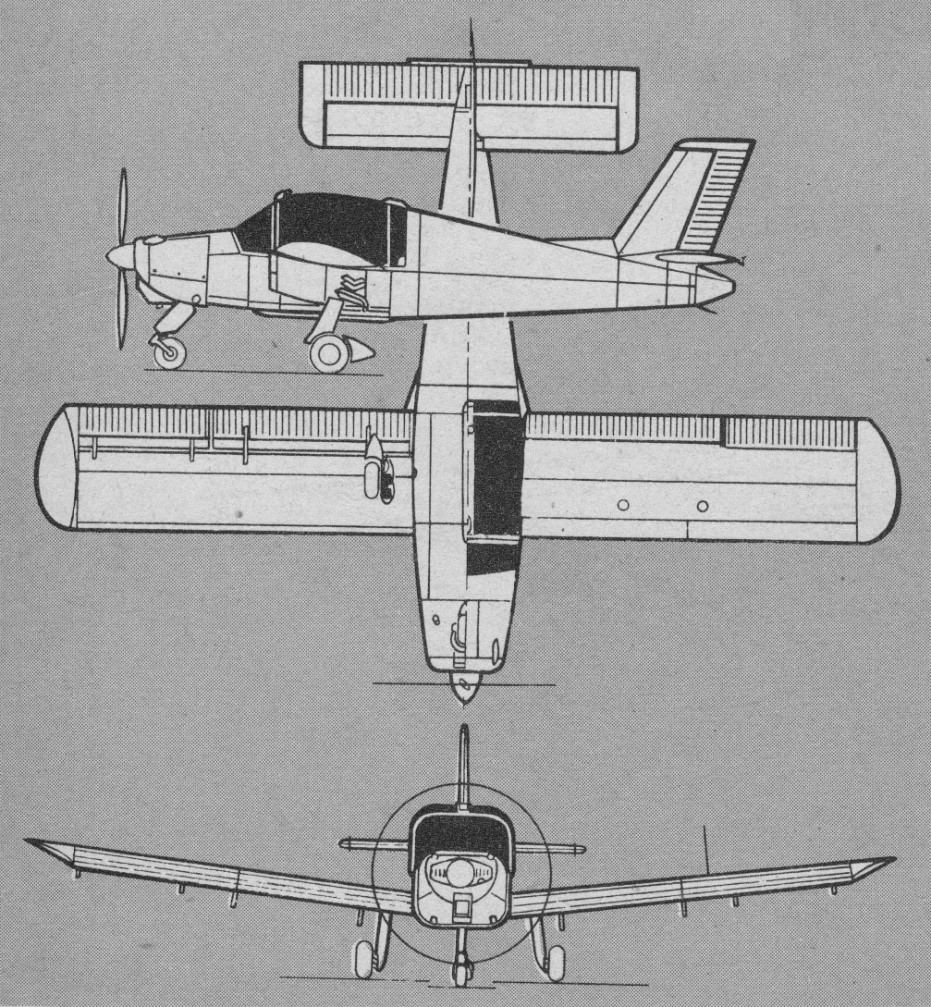
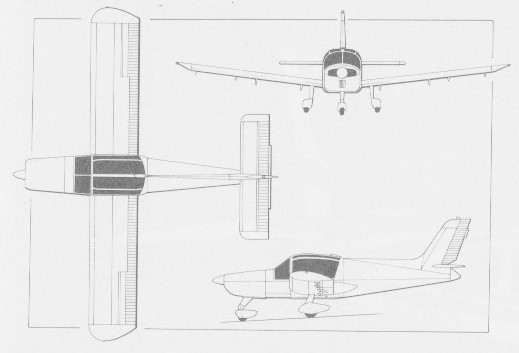
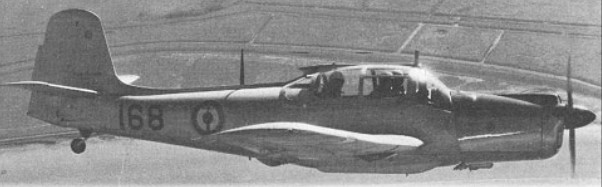
Development of the Morane-Saulnier M.S.733 Alcyon (Kingfisher) basic trainer began with the M.S.730.01 prototype, which flew for the first time on 11 August 1949. With the original 134kW Mathis 8G.20 inverted V-8 engine replaced by a 179kW Argus As 10, the prototype flew again in November that year as the M.S.731.
Morane-Saulnier Alcyon Article
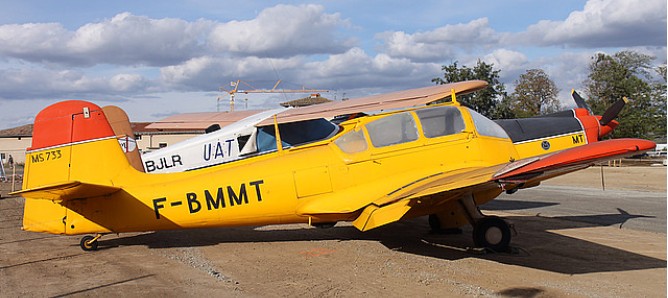
Two M.S.732 prototypes were flight tested in early 1951, each of them powered by a Potez 6D.30 engine and having the previous cantilever fixed landing gear replaced by a new design in which the main units retracted. The first example of the definitive version flew on 16 April 1951 as the M.S.733.01; five pre-production aircraft followed and series aircraft totalled 200; 40 for the French navy, 15 for Cambodia, and the balance for service with the Armee de I’Air as the Alcyon, 70 of them being fitted with machine-gun armament for use as gunnery trainers. In 1956 some of the gunnery trainers were converted for counter-insurgency duties, with machine-gun and anti-personnel bomb armament, for use against the nationalist rebels in Algeria. These aircraft were redesignated M.S.733A, of which a number were sold later to Morocco.
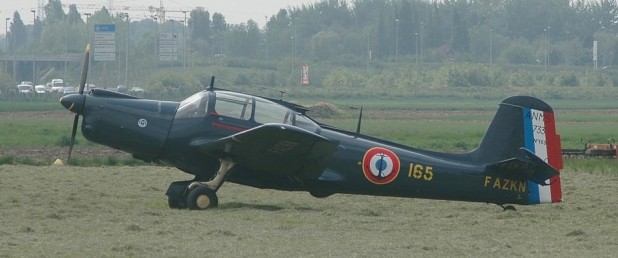
M.S.730.01
Engine: 134kW Mathis 8G.20
M.S.731
Engine: 1 x 179kW Argus As 10
M.S.732
Engine: 1 x Potez 6D.30, 179kW/ 237 hp
MS.733
Engine: 1 x Potez 6D.30 inverted inline, 179kW/ 237 hp
Max take-off weight: 1670 kg / 3682 lb
Empty weight: 1260 kg / 2778 lb
Wingspan: 11.28 m / 37 ft 0 in
Length: 9.32 m / 30 ft 7 in
Height: 2.42 m / 7 ft 11 in
Wing area: 21.90 sq.m / 235.73 sq ft
Max. speed: 260 km/h / 162 mph
Ceiling: 4800 m / 15750 ft
Range: 497 nm / 920 km / 572 miles
Wing loading: 15.58 lb/sq.ft / 76.00 kg/sq.m
Crew: 2
Payload: 1-2 Pax
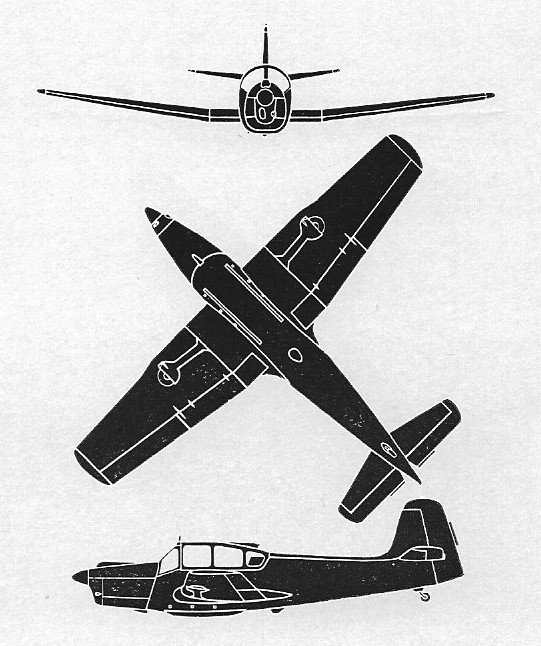
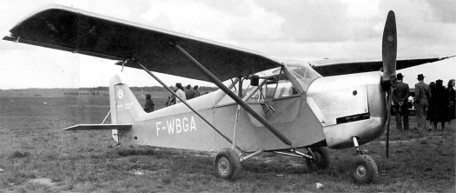
Immediately after the end of World War II, the management of Morane-Saulnier thought about creating a light aircraft for amateur pilots. The design of such a machine was supposed to be extremely simple, to allow pilots to assemble it with minimal technical training. As a result, at the end of 1945, the MS.660 project appeared, based on the development of M. Dupont. The MS.660 was intended to be sold just in the form of plans, or pre-fabricated for self-construction.
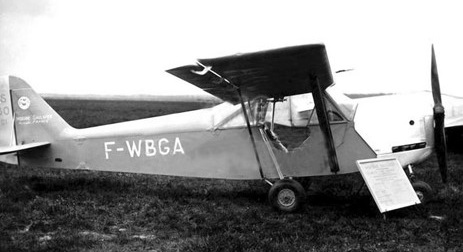
The prototype (F-WBGA) flew for the first time on the 17th of February 1946, powered by a Train 4E01 engine with 50 hp. The second prototype, with more rounded shapes, a different landing gear and 60 hp Aster engine, was further modified later to become the MS.662.
On April 22 1946, MS.660 was officially presented at the exhibition of light aircraft organized by the French Ministry of Aviation. The angular and clumsy machine with average flight data did not arouse any interest among customers. In 1947, Morane-Saulnier made another attempt with a seriously redesigned MS.661, but it also ended in failure.
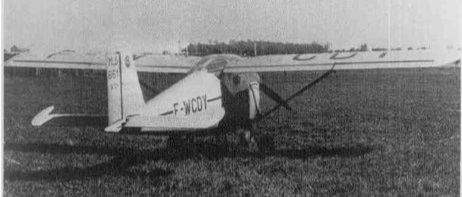
MS-660
Engine: Train 4E01, 50 hp
Wingspan: 7.20 m
Length: 4.60 m
Height: 2.20 m
Empty weight: 232 kg
MTOW: 360 kg
Maximum speed: 160 kph
Cruising speed: 127 kph
Ceiling: 4500 m
Range: 500 km
Crew: 1
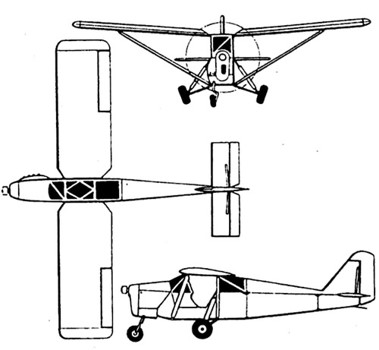
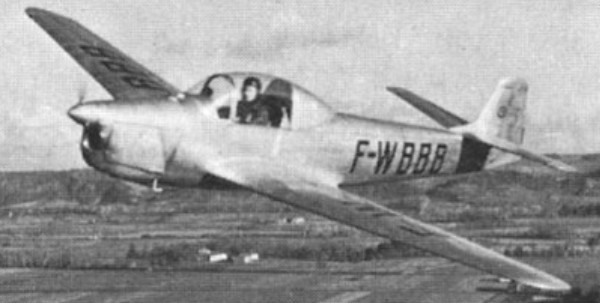
The prototype Morane-Saulnier M.S.560 single-seat low-wing aerobatic monoplane was built in 1946. It had retractable landing gear, a rearward-sliding cockpit canopy and its powerplant, comprising a 56kW Train 6D-01 engine, gave a maximum speed of 235km/h. Three variants followed, namely the M.S.561 and the M.S.563 of 1947 each with a 75kW Mathis G.4 engine, and the M.S.562 with a 75kW Cirrus Minor.
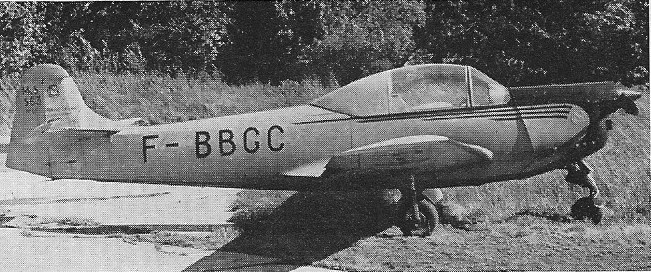
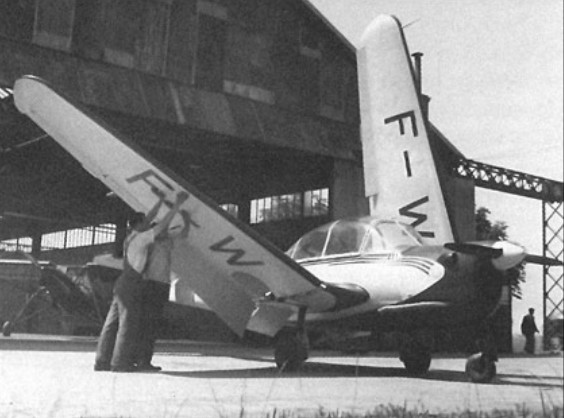
MS.560
Engine: 75 hp Train 4D-01
MS.561
Engine: 100 hp Mathis G-4Z
Wingspan: 28 ft
Length: 23 ft 8.5 in
Height: 7 ft 2.5 in
Empty weight: 1138 lb
Loaded weight: 1490 lb
Max speed: 155 mph at SL
Max speed: 145 mph at 9840 ft
ROC: 680 fpm
Range: 680 mi
Service ceiling: 16,400 ft
M.S.562
Engine: 75kW Cirrus Minor
MS.563
Engine: 105 hp Walter Minor 4-III
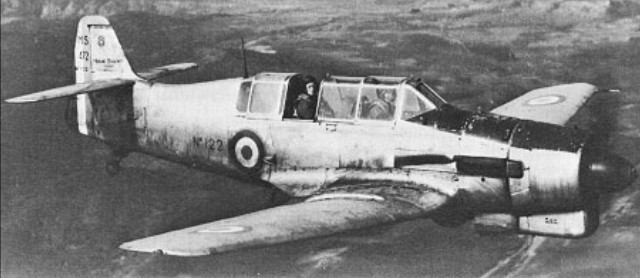
Developed under the Vichy regime by Morane-Saulnier chief designer Gauthier, the Morane-Saulnier M.S.470.01 Vanneau two-seat advanced trainer prototype made its first flight on 22 December 1944. Successful tests led to a decision by the Armee de I’Air to buy the Vanneau (Plover) to train its new generation of pilots, and three prototypes of the revised M.S.472 were ordered, M.S.472.01 flying on 12 December 1945.
In configuration the M.S.470 was an all-metal low-wing cantilever monoplane with pupil and instructor housed under a long glazed canopy. The main landing gear legs retracted inwards to lie partially exposed in the fuselage underside, a feature which was intended to reduce damage in the event of ‘wheels-up’ landings. The M.S.472 replaced the 515kW Hispano-Suiza 12X engine of the M.S.470 with a 522kW Gnome-Rhone 14M radial. The M.S.472 first flew on 12 February 1945.
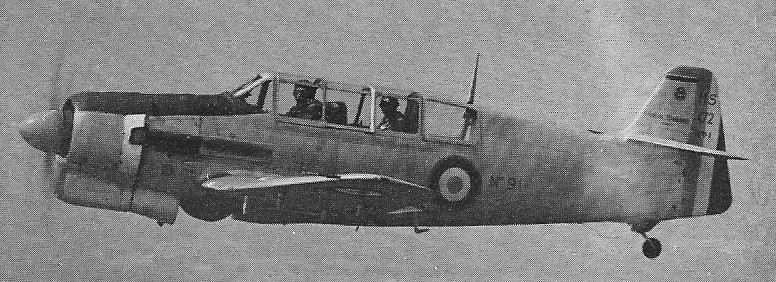
230 Series M.S.472s were delivered from December 1946 onwards, and 69 series M.S.474 aircraft, modified for carrier operations, were delivered to the Aeronavale from December 1947, an M.S.472 having been temporarily converted to serve as the prototype M.S.474 in February of that year.
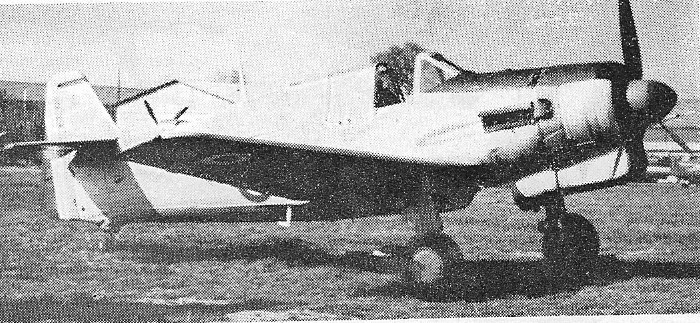
Total production of the M.S.472 Vanneau II was 230 and of the M.S.474 Vanneau IV 70. Another series version was the M.S.475 Vanneau V, the prototype making its maiden flight on 8 August 1947. Production deliveries of the 200 series aircraft to the Armee de I’Air began in March 1950, the M.S.475 differed only in detail from its predecessors except for installation of a 634kW Hispano-Suiza 12Y-45 V-12 engine.
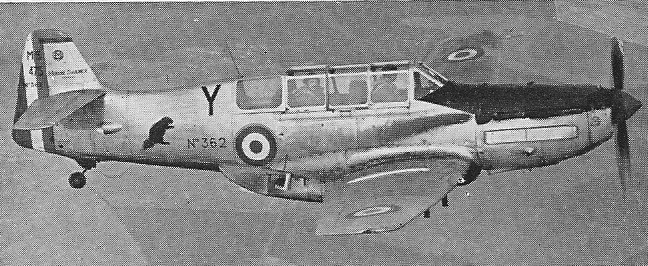
The M.S.475 proved superior to its predecessors in manoeuvrability, speed and rate of turn, incorporating a wing of improved design, but a more radical modification with an increase in wing surface area was incorporated in one production machine, which was then re-designated M.S.476.01. Another M.S.475 was re-engined with an SNECMA Renault 12S-02 of 433kW and became the M.S.477.01, flown in November 1950. The M.S.478.01 project, to be powered by an Italian Isotta Fraschini Delta engine, was not built, and the last experimental development of the Vanneau was M.S.472 no. 295 modified as the M.S.479.01 to take an SNECMA 14X Super Mars engine of 611kW. It began its flight test programme in March 1952, but development was soon abandoned. The Vanneau II, IV and V remained in service at training bases of the Armee de I’Air and Aeronavale into the late 1960s.
M.S.470
Engine: Hispano 12X, 720 hp
M.S.472
Engine: Gnome-Rhone 14N-9, 700 hp
Wingspan: 34 ft 11 in
Length: 28 ft 3 in
Height: 11 ft 10.5 in
Empty weight: 3717 lb
Loaded weight: 5290 lb
Max speed: 290 mph
Cruise: 258 mph
Range: 950 mi
Armament: 2 x 7.5mm mg
Seats: 2
M.S.475
Engine: 1 x Hispano-Suiza 12Y 45 V-2, 641kW
Max take-off weight: 3125 kg / 6889 lb
Empty weight: 2351 kg / 5183 lb
Wingspan: 10.65 m / 34 ft 11 in
Length: 9.05 m / 29 ft 8 in
Height: 3.62 m / 11 ft 11 in
Wing area: 17.30 sq.m / 186.22 sq ft
Max. speed: 445 km/h / 277 mph
Ceiling: 8500 m / 27900 ft
Range: 1500 km / 932 miles
Armament: 2 x MAC 1934 7.5mm wing-mounted machine-guns, light bombs
M.S.479
Engine: 800hp SNECMA 14X-04


