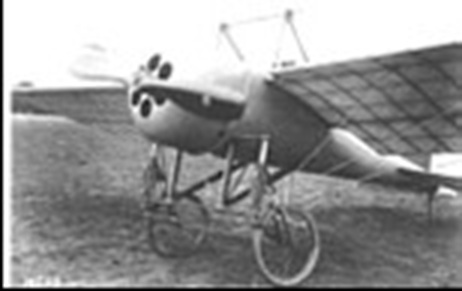
The 1913 Bleriot XXXIX armoured monoplane single seater was designed and built by Louis Bleriot in France.
The 1913 Bleriot XXXIX armoured monoplane single seater was designed and built by Louis Bleriot in France.
The 1907 Agusta biplane was designed and built by Giovanni Agusta in Italy.
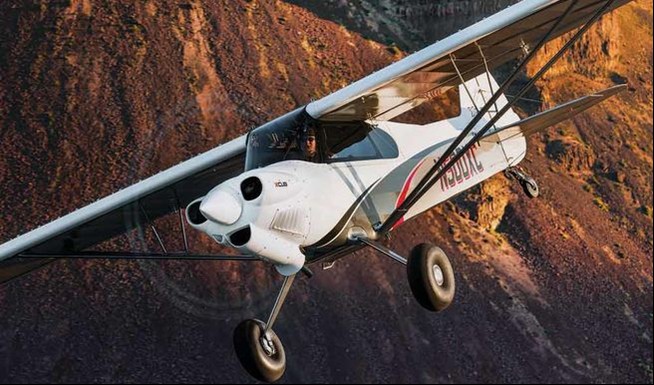
Developed in secret over a six-year period, the CubCrafters XCub emerged on the scene June 2017 as a fully certified product ready for delivery to buyer’s who sought the ideal backcountry machine.
Though it’s a clone of the Piper Super Cub introduced to the market decades ago, the XCub is a thoroughly modern aircraft, featuring Lycoming’s 180 hp O-360 engine spinning a composite Hartzel Trailblazer constant speed prop, a combination that allows the the XCub to cruise at 145 mph at 75 percent power and offer up a useful load of 1,084 pounds while almost levitating like a helicopter on the extremely short takeoff run.
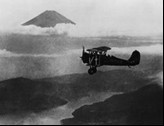
Mailplane
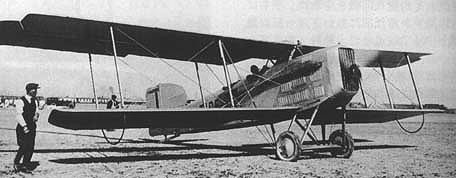
In 1922, the first all-metal airplane, Nakajima Type B-6 was completed. It was modeled after the Breguet 14. The Type B-6 and named “Kei-Gin Go (light silver)” since the revolutionary light weight metal at that time, duralumin, was used. It was revealed at the “Peace Memorial Tokyo Exposition” and got high reviews.
Engine: Rolls Royce water cooled V12, 360hp

After the trials and tribulations in the foundation period, the sixth Nakajima Type 4 was finally completed, and flew over Ojima Town proudly.
In 1919, the first mail plane contest was held between Tokyo and Osaka. Nakajima Type 4 cleared the distance in 3 hours and 18 minutes, and defeated the imported planes. Together with the prize money of 9,500 yen, it provided a good opportunity to demonstrate their engineering superiority to the public.

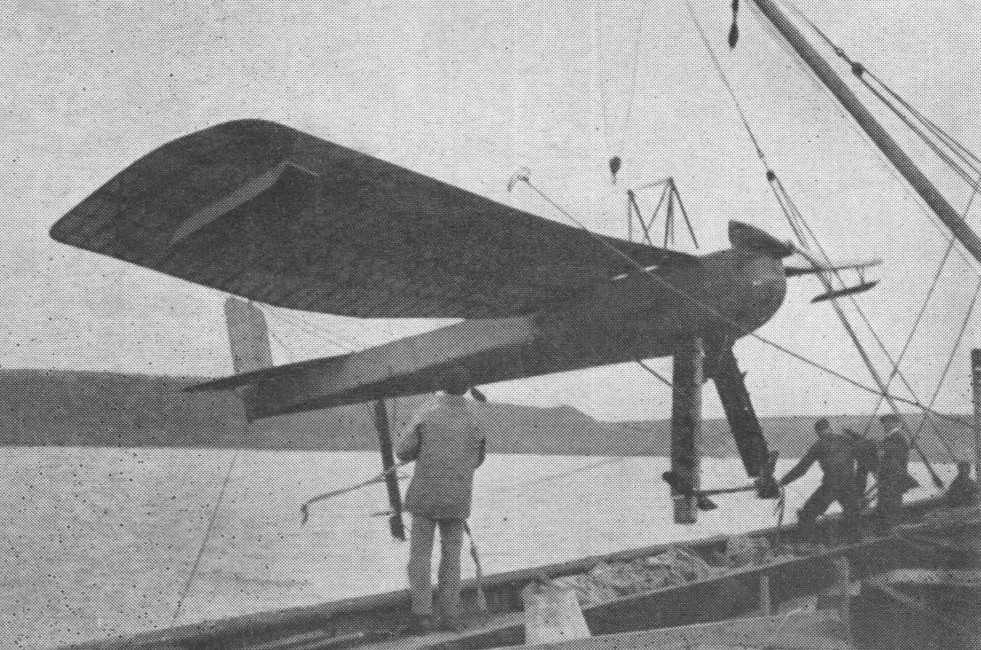
The Bristol X.2 project of 1912 featured a hydroped undercarriage designed by Sir Dennistoun Burney. This consisted of three legs carrying a series of hydrofoils and a water propeller.
At rest, the X.2 floated on its boat-shaped hull. For take-off its engine first drove the water propellor. As it gathered speed, the hydroped undercarriage was supposed to raise te hull clear of the water, until the pilot could switch to the flying propeller and take-off.
When towed behind a destroyer, the X.2 became airborne like a kite, before crashing.

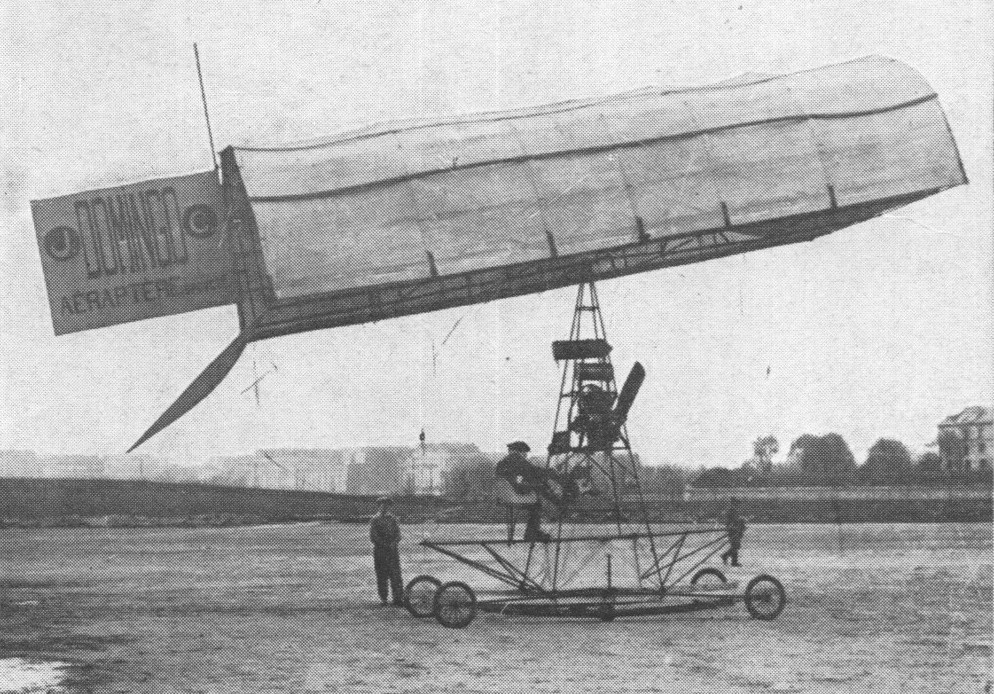
Designed by J.C. Domingo.

The Ruby Monoplane was built in 1914, with a pusher propeller.
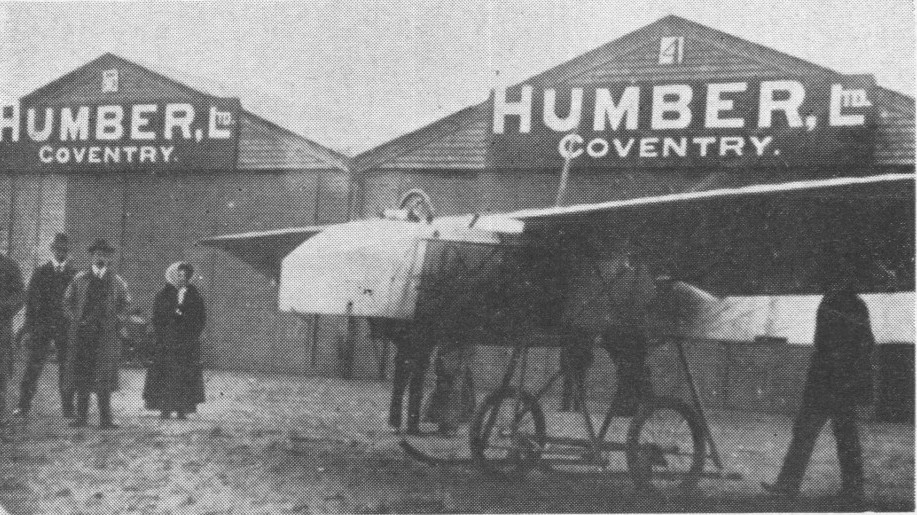
Edward and Henry Petre, both famous pilots, built this monoplane, with a propeller behind its tail, in 1909.
It did not fly.
 All Aero