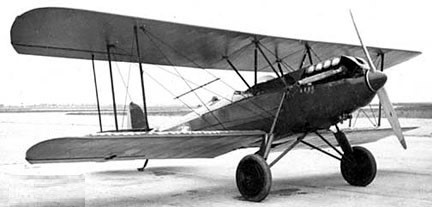
Parks P-2 / Detroit-Parks P-2A / Ryan Speedster

P2-A

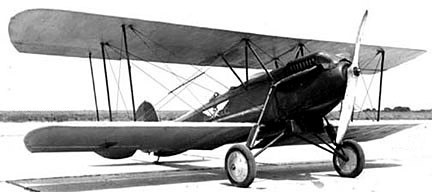
The 1929 Parks Aircraft P-2 (ATC 200) sold for $6,000. Six were built including NC902K and NC965K.

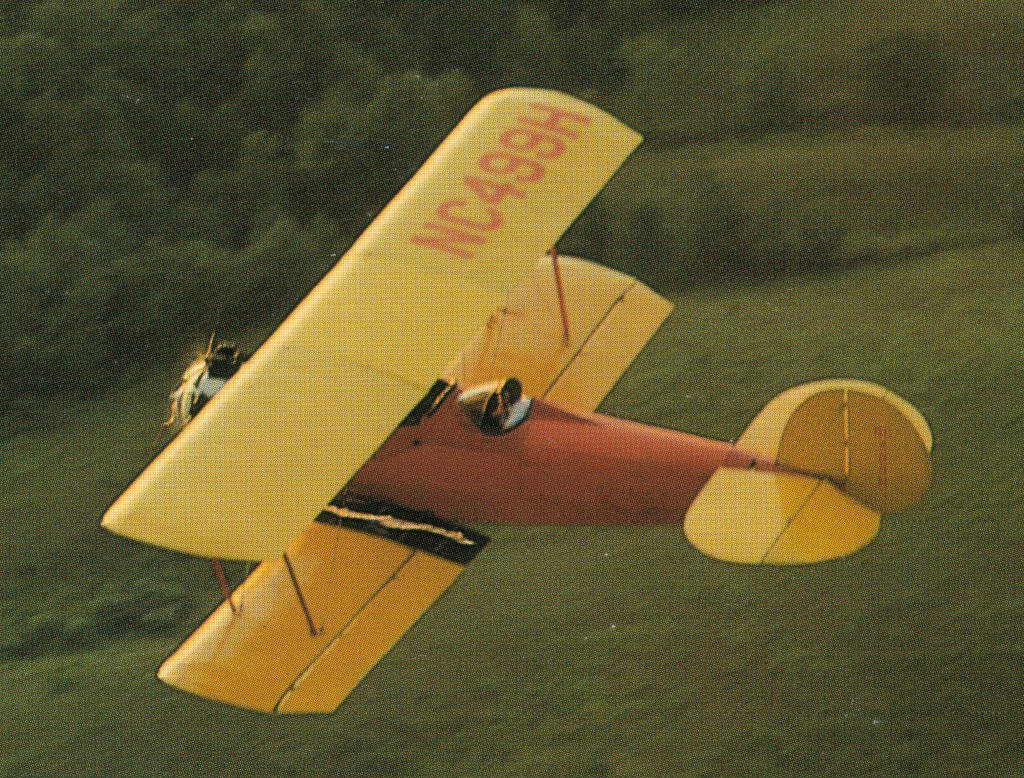
Some were repowered as P-2A. The 1929 P-2A (ATC 276) powered by a 165hp Wright J-6 sold for $6,350. Eleven were built: [NC480M, NC499H, NC502N, NC902K, NC965K, NC8487, NC8490-8492, and NC967K-968K.
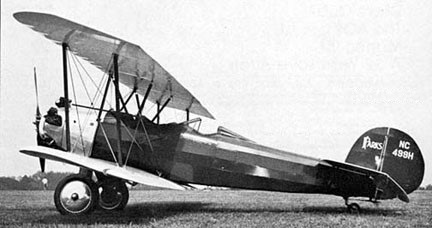
Parks P-2A NC499H

The P-2A was marketed as the Detroit-Parks P-2A after merger with Detroit Corp and, later, as the Ryan Speedster.

The P-2 was also available with a 130hp Comet. (ATC 2-99) superseded by (ATC 200), including NC8487.

Gallery

P2
Engine: 150hp Axelson-Floco
Wingspan: 30’0″
Length: 22’10”
Useful load: 860 lb
Max speed: 115 mph
Cruise speed: 98 mph
Stall: 42 mph
Range: 490 mi
Seats: 3

P-2A
Engine: 165hp Wright J-6
Winspan: 30’0″
Length: 23’0″
Useful load: 897 lb
Max speed: 120 mph
Cruise speed: 100 mph
Stall: 45 mph
Range: 500 mi
Parks P-1 / Hammond P-1H

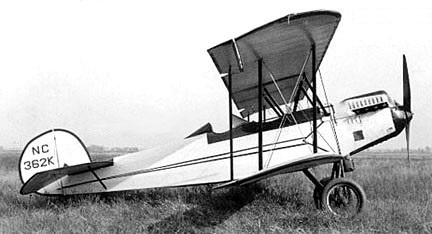
Parks P-1 NC362K

The 1929 P-1 (ATC 179) was a duplicate of the Fairchild KR-31, but with a chin radiator. They were built to replace Travel Airs used at the subsidiary Parks Air College. Selling for $3,165, forty-five were built.

The prototype, cn 10008 NX289W, was used to test the feasibility of a large, built-in “planechute” that could be released in emergencies to float the aircraft to the ground. In operation it had apparent success, but results of testing is unknown.

Parks P-1 NC376K

The 1929 P-1T (ATC 2-506) was fitted with a 115hp Milwaukee Tank.

Parks P-1T

The 1930 P-1X three place open cockpit biplane was fitted with a 90hp Curtiss OX-5, and registered as a Detroit P-1-X N289W c/n 19911.

The 1932 P-1H (ATC 2-428) with a 100hp Kinner K-5 became the Hammond 100. Following Ryan’s demise the Park name was revived for the P- 1H biplane built by Hammond.

P-1
Engine: 90hp Curtiss OX-5
Wingspan: 30’1″
Length: 24’1″
Useful load: 812 lb
Max speed: 100 mph
Cruise speed: 85 mph
Stall: 37 mph
Range: 340 mi
Seats: 2-3

Perry P-1

Reportedly, W Parker Perry built a five-place monoplane amphibian Perry P-1 in 1929.

Although registered as N444 on 16 January 1929, specs from Perry’s application were 14′ long with 12′ wingspan and one or two Packard engines of 85 hp, to accommodate a pilot and four passengers.

CAA inquiries went unanswered and the registration was cancelled on 5 May 1930. Probably never built or completed.

Parker Pusher

William D “Billy” Parker manufactured personal and exhibition biplanes, stressed for competition and aerobatics, principally powered by 50-80hp LeRhône rotary, during 1912-1914.

NX62E was a personal plane flown by Parker during his years as sales representative for Phillips Petroleum Co (later manager of Aviation Dept), and was active into the 1960s. Rebuilt and upgraded many times over the years, including the mid-wing ailerons were replaced by trailing-edge ailerons.

Parker had other pushers along the way for exhibition flying, as well [NR8Y (90hp OX-5), N66V, N4161K (80hp LeRhône)]. The latter was the most recent addition (c.1955), registered as Parker-Curtiss, with a rebuilt 90hp Curtiss OX-5. While the Curtiss name is often attached to Parker’s products, and he admitted to initial design influence to some degree, he was in fact quite vocal about his planes being his own creations, noting that anyone serious about doing “loops and fancy flying” [his terms] in the ‘teems would never use a Curtiss pusher because of the weakness of its “bamboo outriggers and other frail parts.” Parker was still flying two of his originals in the ’50s and ’60s on tours for Phillips.

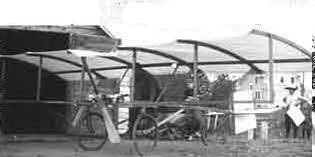
Parker 1911 airplane

Built from what materials were on hand or found locally, it sported a landing gear of four motorcycle wheels, plain galvanized wire helping to brace its structure, and some gas pipe for parts of its frame. Parker incorporated a smoke chamber, with hand-operated bellows, built to study airflow across model wings.

After incorporation with a couple dozen townsfolks, completion of the airplane mid-year, and a maiden flight to 20′ high and 1,500′ in length (during which Parker also learned to fly) followed by a crash-landing, an exhibition tour was planned. Those plans were cut short when a second flight also ended in a crash with more severe damage.

With funds running low and no signs of any income on the horizon, and the reluctance of the plane to leave the ground in further modifications and attempts over three more years, the company was dissolved in 1914. Yet Parker is credited by many as the first to fly in Utah, which is contested by supporters of Lagar Culver for the honors.

Engine: Emerson, 60hp
Wing span: 14’0″
Seats: 1

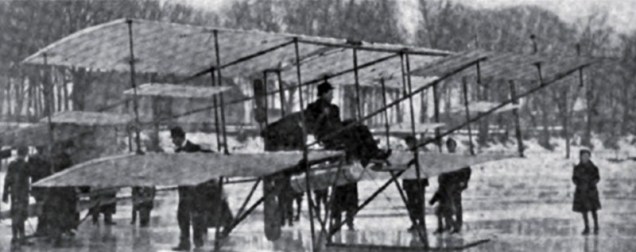
Parker 1910-1911 biplane

James J. Parker, of Fulton, NY, made the first trial and successful flight with this machine completely of his own construction starting on skids from the ice of Lake Neahtawanta 1910-1911. A flight of a mile and return was reportedly made. The generally Farman-like plane was equipped with a four-cylinder, two-cycle motor of his own make and had a unique tandem-mounted ailerons arranged between the wings.

Parker 1910 Monoplane

The Spokane (Washington) Spokesman-Review of August 28, 1910 reported Fred Parker’s monoplane’s first flight in Minnesota occurring a day earlier. Fred was 22-years old at the time. The monoplane was built in a workshop in Hamline, a St. Paul suburb, and weighed 130 pounds. It is stated in Popular Mechanics (1909) that Fred Parker had previously made several dirigible flights for Roy Knabenshue and Captain Baldwin.

Parker Teenie Two / Double Teenie

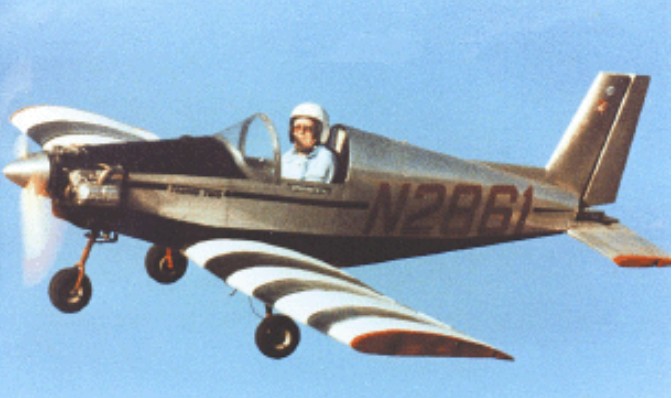
An improved version of the Jeanie’s Teenie, the Teenie Two is an all-metal, single-place monoplane built entirely from aluminum except for the landing gear and controls. Building needs no bending brake, nor is any metal or riveting experience required. Most of the sheet metal bending involved in building the Teenie Two is done by hand and the design is close to optimum simplicity. Power is provided by a Volkswagen conversion. Stressed for aerobatics. The wingspan is optionally 19 feet 10 inches w/wingtips.

Cruise at 3/4 throttle is 110 mph, using 2 1/2 Usgph. The top speed level is 120 mph, and up to 140 mph with full canopy & cowl.

Plans and component kits were available.

The Double Teenie was a two place version.

Gallery

Engine 1600-cc Volkswagen
HP range: 60-80
Wingspan 18 ft – 19 ft 10 in
Length 12 ft 11 in
Height: 6 ft
Wing area: 59 sq.ft
Gross Wt. 550-590 lbs
Empty Wt. 310 lbs
Fuel capacity 9 USG
Usefull load: 240 lb utility to 280 lbs. standard category
Top speed 120-140 mph
Cruise 110 mph
Stall 48 mph
Takeoff run 600 ft
Landing roll 800 ft
Range 400 sm
ROC: 800 fpm
Service ceiling: 14,000 ft
Seats: 1
Tricycle gear 350 x 4 tires & wheels

Parker Jeanie’s Teenie

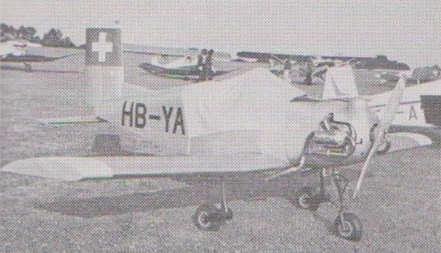
HB-YAO c/n SF.01

In the 1960s Calvin Parker built one prototype Jeanie’s Teenie, single place, open cockpit low wing monoplane.
Several thousand sets of plans were reportedly sold to home-builders.

HB-YAO c/n SF.01 was built by S.Freudiger, appearing at Sywell, UK, in 1974 and 1975. Destroyed at Ecuvillens, Switzerland, in an overshoot on 23 August 1975.

Engine: Volkswagen, 36hp
Wingspan: 18’4″
Length: 12’8″
Useful load: 250 lb
Max speed: 110 mph
Cruise speed: 90 mph