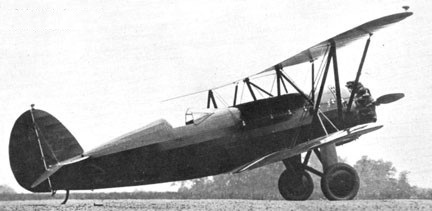
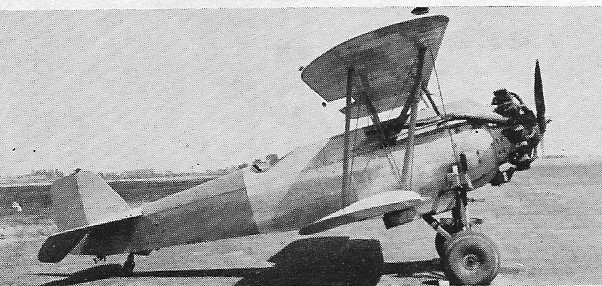
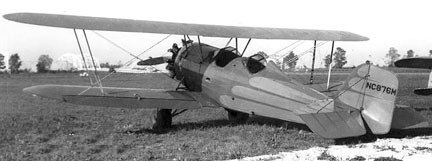
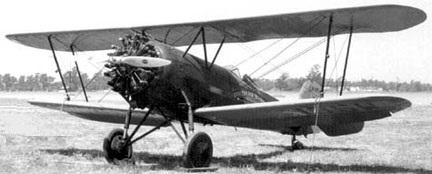
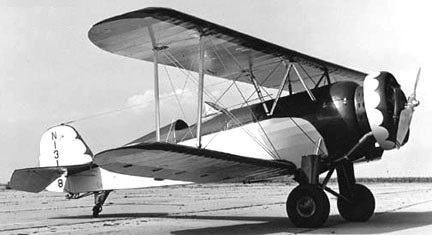
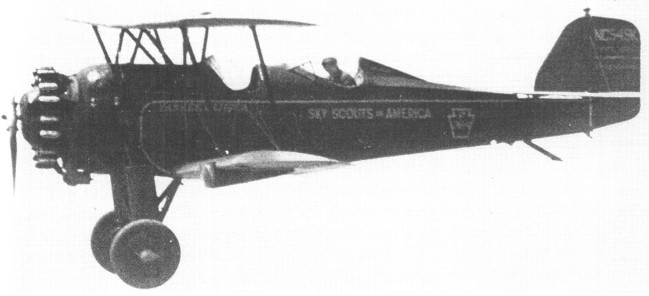
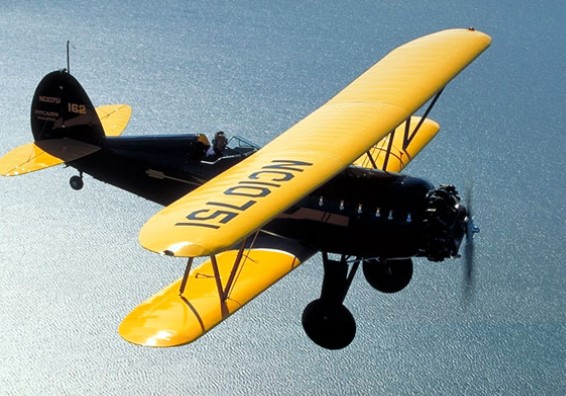
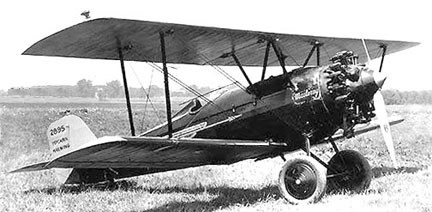
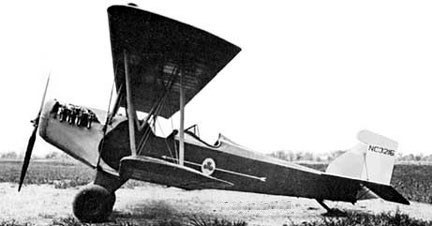
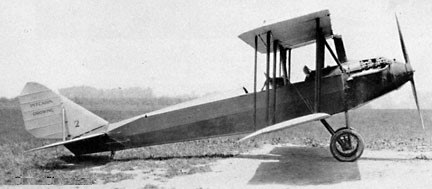
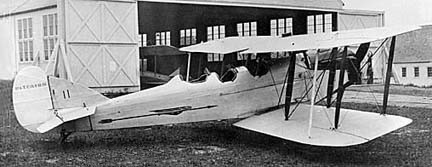
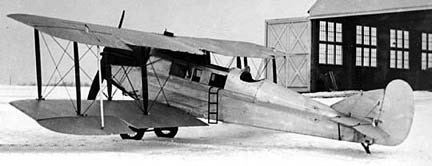
At least six of the 1930 Pitcairn PA-8 and -8M Super Mailwing (ATC 364) were built, including prototype NX10056, and NC10750/10754. They were priced at $12,500
The Pitcairn PA-7S sport biplane was generally similar to the PA-7M Mailwing single-seat mailplane designed in 1927 and produced in some numbers in the 1930s.
The 1929 PA-7 Super Mailwing received ATC 196. Two were built: NR213M and NC684E.
The 1929 PA-7M Super Mailwing (ATC 196) was a single place PA-7 as a mailplane.
Ten PA-7M Super Mailwing were built; NC94W, NC351V, NC378V, NC545K, NC825N/826N, NC876M/877M, and NC7967.
The 1929 PA-7S Super Sport Mailwing (ATC 196) three-place sport version of the PA-7 sold for $8,500. Sixteen were built; NS53W, NC54W, NC68M/71M, NC95W/97W, NR213M prototype, NC824N, NC10375/10377, NC10379, and NC13158.
Pitcairn PA-7S N95W
The PA-7S crop-dusting version had a modified metal fuselage.
PA-7 Super Mailwing Engine: 225hp Wright J-6 Wingspan: 33’0″ Length: 23’9″ Useful load: 1129 lb Max speed: 135 mph Cruise: 155 mph Stall: 57 mph Range: 520 mi Seats: 3
PA-7M Super Mailwing Engine: 225hp Wright J-6 Wingspan: 33’0″ Length: 23’9″ Max speed: 135 mph Cruise: 155 mph Stall: 57 mph Range: 520 mi Seats: 1
PA-5S Engine: 220 hp Wright Whirlwind J-6 Wingspan: 33 ft Wing area: 243.5 sq.ft Length: 23 ft 9 in Height: 9 ft 6.5 in Empty weight: 1820 lb Loaded weight: 3050 lb Max speed: 150 mph Cruise: 128 mph Service ceiling: 16,000 ft Seats: 3
The single-place PA-6 and 6B Super Mailwing of 1928 (ATC 92) were similar to the PA-5 but with a larger cargo hold. 51 were built; NC19/20, NC26, NC36E/38E, NC93W, NC127/129E, NC210H/214H, NC215E, NC298E, NC338E, NC353E/355E, NC377V, NC482E/483E, NC557E, NC585, NC643E/644E, NC680E/683E, NC800H/804H, NC875M, NC878M, C2896, NC7152, NC7557, NC7866/7868, NC7965/7966, NC10378, NC13912/13913, and NC15307.
The 1928 PA-6S Super Mailwing (ATC 2-22) was a three-place sport version of the PA-6 mail plane. ATC 2-22 was replaced by ATC 92.
The 1928-30 PA-4K and PA-4W Fleetwing 2 were approved for 100hp Kinner K-5 (ATC 2-230) and 110hp Warner Scarab (ATC 2-193). One each -4K [NC10130] and -4W [NC3216] for conversions as engine test-beds.
The 1926 PA-2 Sesquiwing (aka Arrow) was built for racing. Powered by a 160hp Curtiss C-6 engine, it was a quick-change convertible to a 90hp Curtiss OX-5 in 31 minutes.
Registered NC10222 for the 1926 Nationals, but it did not finish because of motor problems.
Engine: 160hp Curtiss C-6 Wingspan: 32’0″ Length: 22’6″ Useful load: 754 lb Max speed: 145 mph Cruise: 120 mph Stall: 60 mph Range 360 mi Seats: 2
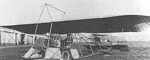
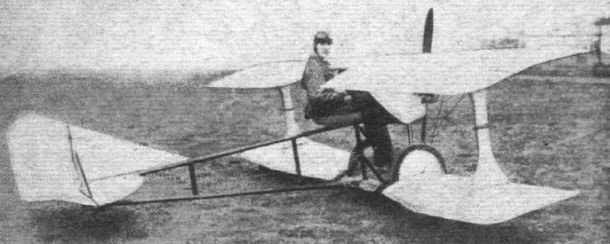
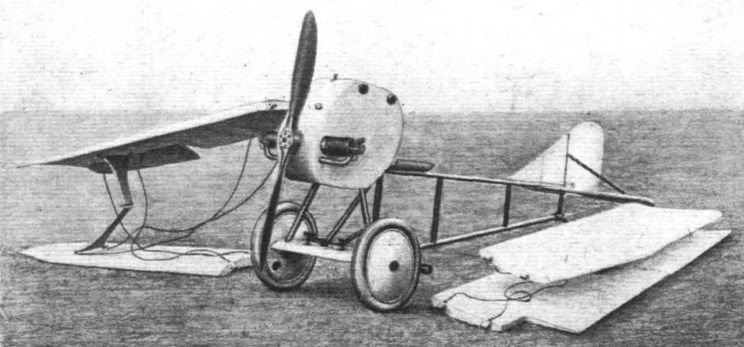
Austrian / French designer Alfred de Pischoff built a bare minimum ultralight in 1921-22.
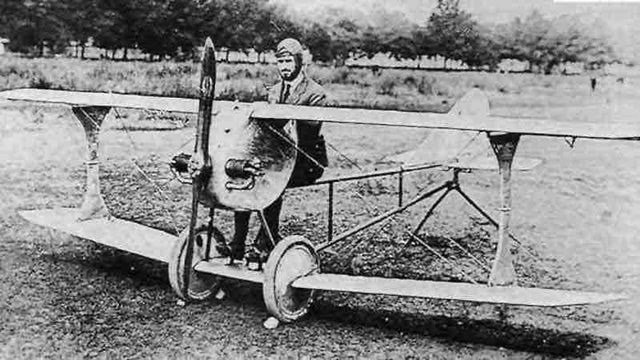
The fuselage is two horizontal tubes fixed together by three other tubes. The pilot sits on a saddle and the engine, a Clerget-Blin two-cylinder rated at 16 hp, was also the bare minimum. The landing wheels were set into the lower wings.
A Mr. Pillot (in photo) and Alfred de Pischoff flew the machine. Pillot was mortally wounded when the machine crashed into the ground on 12 August 1922.
Only one copy was built.
Engine: Clerget-Blin, 16 hp Wingspan: 17 ft / 5,20 m Length: 11ft 6in Height: 4 ft 3.25 in Wheel track: 2 ft 7 0.5 in Speed: 90 – 95 km/h Endurance: 2 hrs