A jet powered parachute, circa 2004.
Engine: 1 x T-58 jet
A jet powered parachute, circa 2004.
Engine: 1 x T-58 jet
A two seat powered parachute.
Engine: Rotax
Seats: 2
Payload: 460 lb
ROC: 900 fpm
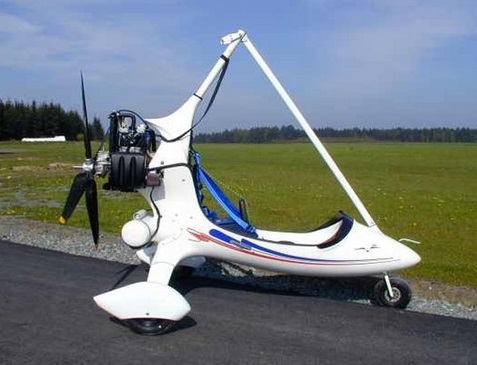
The PowerTrike Evolution is a German ultralight trike, designed and produced by PowerTrike of Mackenbach. The aircraft is supplied as a complete ready-to-fly-aircraft.
As of 2014 the design was no longer available.
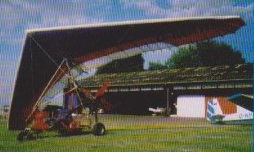
This double pole design remained unchanged for many years.
Empty weight: 145 kg
Wing span: 10.38 m
Wing area: 14 sq.m
Fuel capacity: 26-54 lt
Certification: Vz
Engine: Hirth F30, 110 hp
MAUW: 400 kg
Seats: 2
Max speed: 150 kph
Cruise speed: 110 kph
Minimum speed: 60 kph
Climb rate: 6 m/s
Fuel consumption: 8-15 lt/hr
Price (1998): 23 000 DM
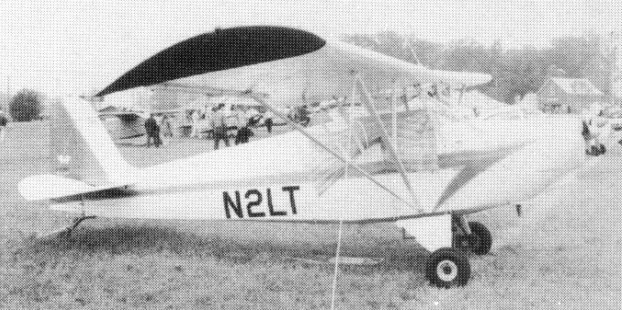
This parasol-type, tandem-seat monoplane was designed by John Powell, formerly a commander in the U.S. Navy. It is powered by a Continental A-65 and features a combination of wood, fabric and tubular steel construction.
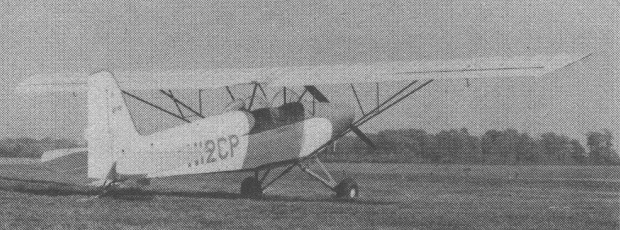
Engine: Continental A.65
Gross Wt. 1275 lb
Empty Wt. 750 lb
Fuel capacity 14 USG
Wingspan 32’6”
Length 20’9”
Wing area: 155 sq. ft
Top speed 104 mph
Cruise 87 mph
Stall 27 mph
Climb rate 650-700 fpm
Takeoff run 250 ft
Landing roll 250 ft
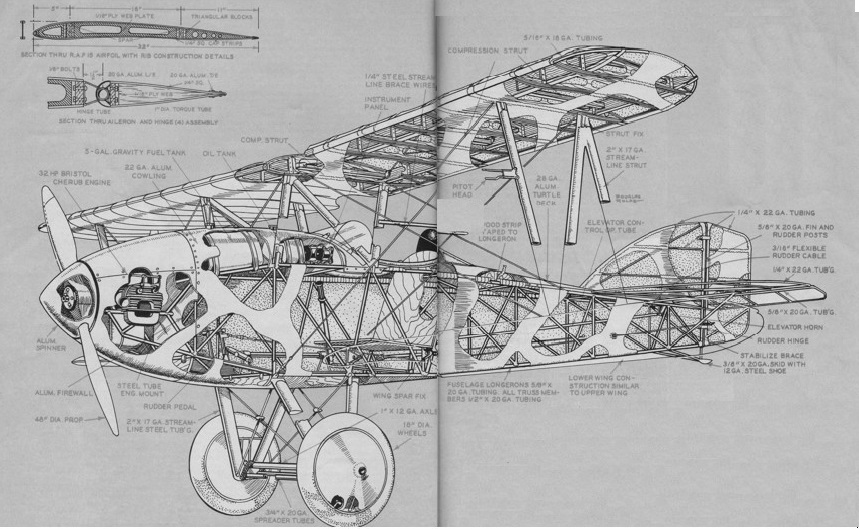
Designed by Professor C.H. Powell, teacher at the Aeronautics Department of the University of Detroit, the PH.2 was an equal span biplane with welded steel tube fuselage and tail surfaces, appearing in 1923.
The wings have routed spruce beams with 1/16in ply ribs and 1/4in square cap strips. Streamline steel tubing was employed fir the interplane struts and the landing gear struts. Wing and landing bracing was 1/4in streamline steel wire. The engine was a Bristol Cherub.
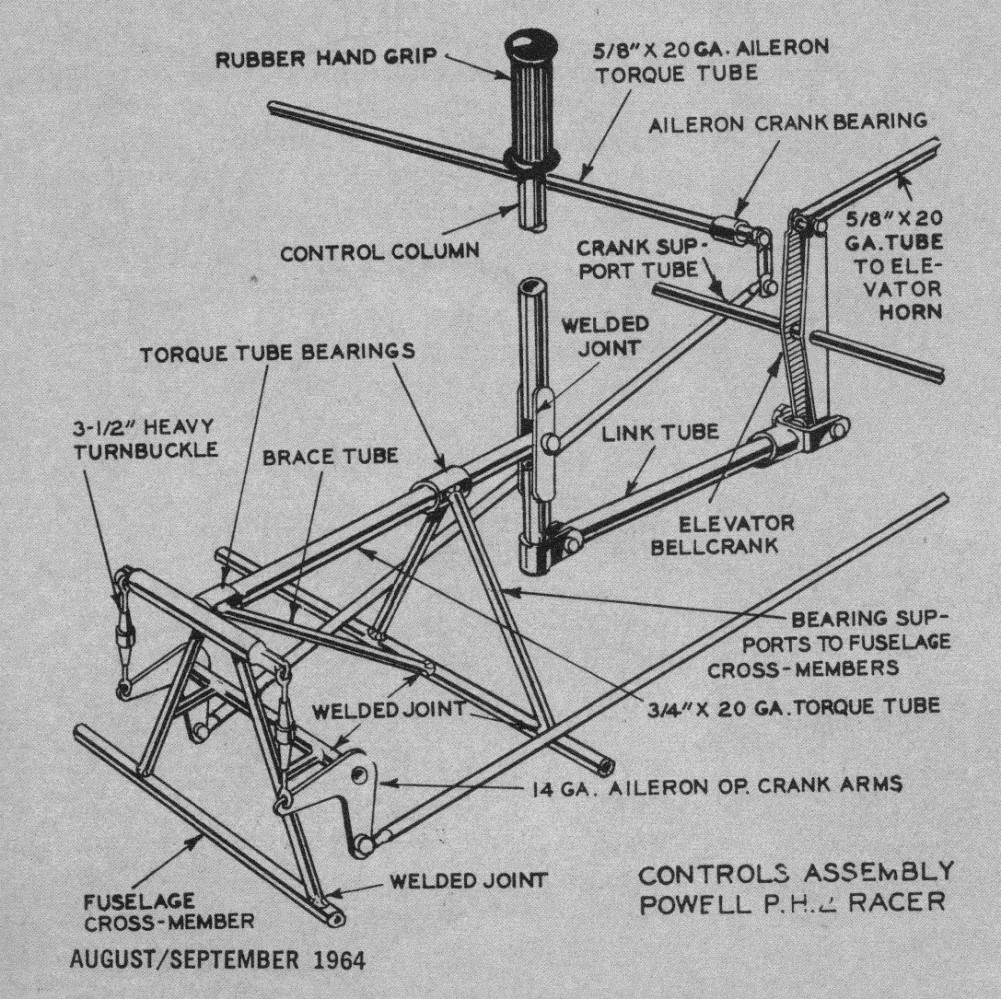
Possibly only two were built although detailed plans were available.
Engine: Bristol Cherub, 32 hp
Wingspan: 15 ft 9 in
Length: 14 ft 6 in
Height: 5 ft 3 in
Stagger: 9.5 in
Chord: 32 in
Incidence: 0 deg
Max speed: 85 mph
Cruise: 75 mph
Landing speed: 32 mph
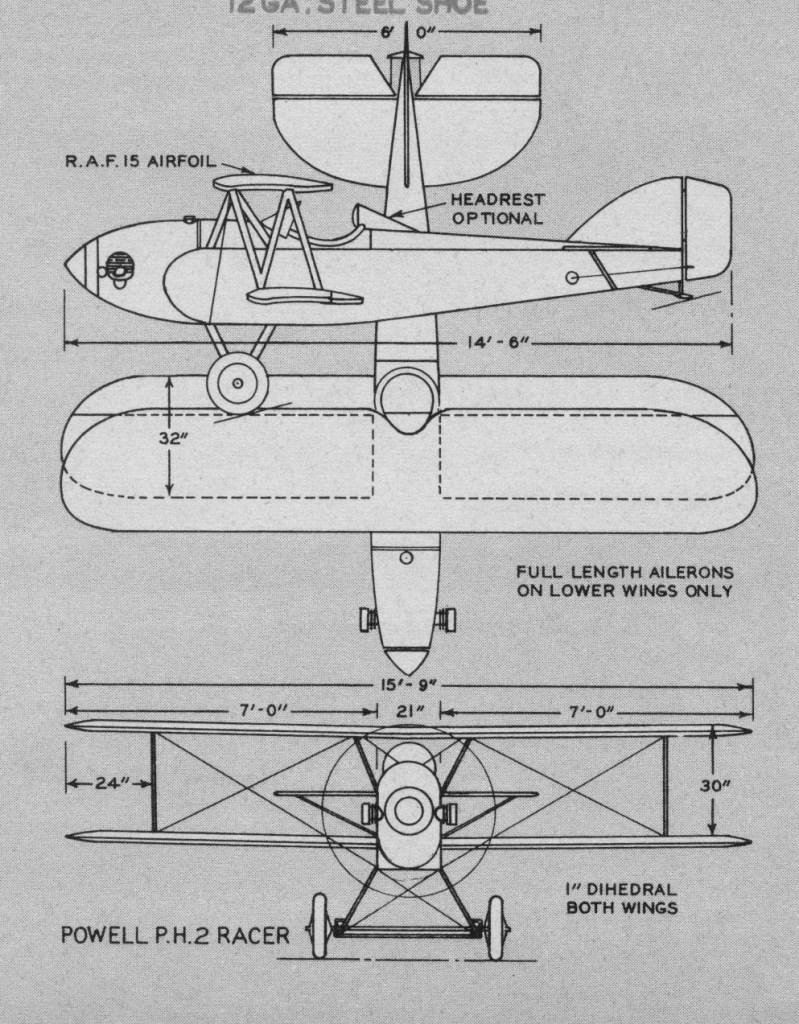
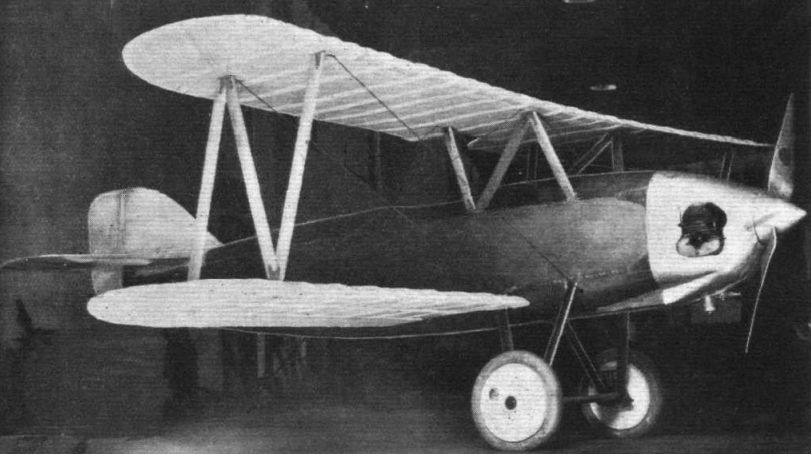
The Powell PH Racer was designed by Professor C.H. Powell, teacher at the Aeronautics Department of the University of Detroit.
The biplane racer used an all wood fuselage with birch paneling. The wing spars were also wood with fabric covering. Uniquely, the aileron hinges were made of leather.
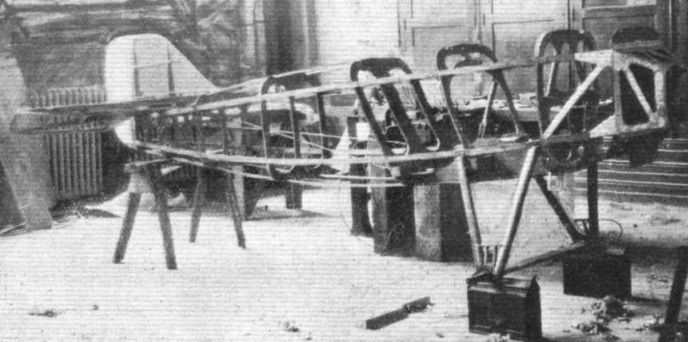
The Powell PH Racer was a 1920s air racer which holds the distinction of having won all of the races it entered.
Race Winnings:
1925 National Air Races piloted by Jerry V. Dack of Dayton, Ohio
Aero Digest Trophy (Dack)
The Dayton Daily News Trophy
The Scientific American Trophy
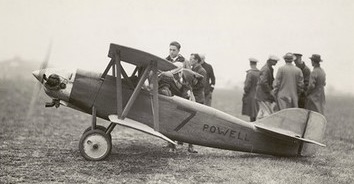
The Powell Racer was returned to the University of Detroit where it was destroyed in static load tests.
Variation: Shirlen Big Cootie
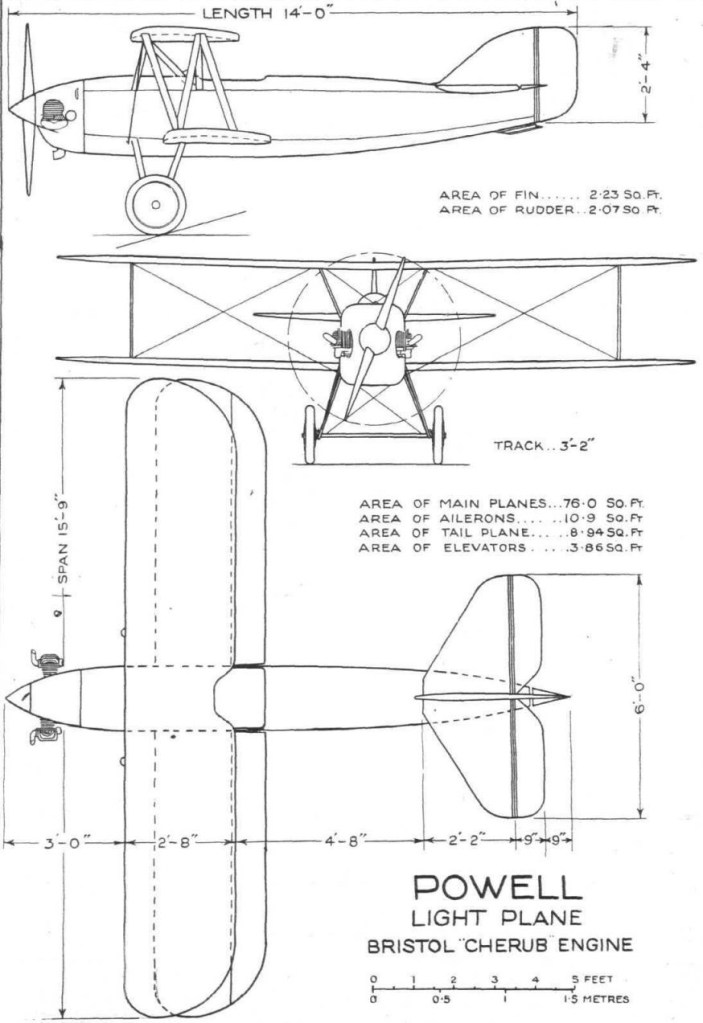
Powell Racer
Engine: 1 × Bristol Cherub, 32 hp (24 kW)
Propeller: single blade Curtiss-Ried
Wingspan: 15 ft 9 in (4.80 m)
Length: 14 ft (4.3 m)
Wing area: 76 sq ft (7.1 m2)
Airfoil: RAF 15
Empty weight: 310 lb (141 kg)
Gross weight: 475 lb (215 kg)
Fuel capacity: 8 gal (30 litres)
Maximum speed: 74 kn; 137 km/h (85 mph)
Cruise speed: 65 kn; 121 km/h (75 mph)
Stall speed: 43 kn; 80 km/h (50 mph)
Capacity: 1
The 1911 Povokhovschikov 1 monoplane was designed and built by A. A. Povokhovschikov in Russia.
Span: 26’3″
Length: 24’7″
Weight loaded: 628 lb
Speed: 50 mph
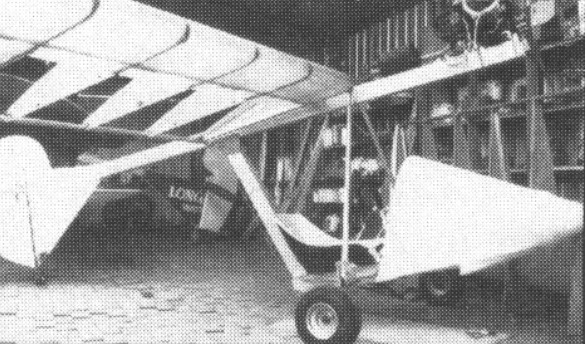
The Sabre is a high wing strut braced tail dragger. Structure utilises two aluminum tubes for spars and fibreglass ribs and leading edges. Fitted with large tires and steel spring suspension, the Sabre is designed for the farm and rough field work. A large pilot protection pod is fitted.
Engine: Konig 4-cyl – Rotax option
Prop: 129 cm variable
Wingspan: 8.23m
Length: 4.5m
Weight: 115 kg
Fuel capacity: 22 ltr
Econ cruise speed: 43 kt
Stall: 26 kts
Construction time: Ready to fly.
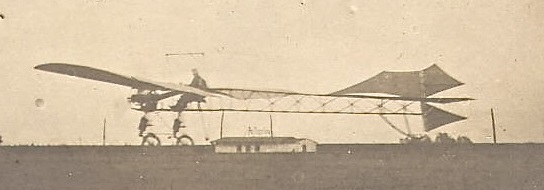
Gabriel Poulain moved to Berlin in 1909 and started building airplanes. The first design was an Antoinette-inspired machine. He qualified for German licence No. 14 on it in July 1910 at Johannisthal. He later teamed up with Charles Boutard and built a second monoplane with a more powerful 100 hp Argus, before moving back to France in 1911.

