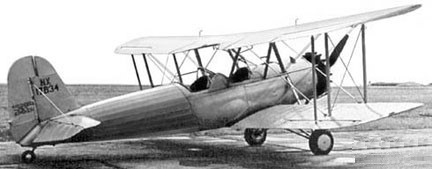
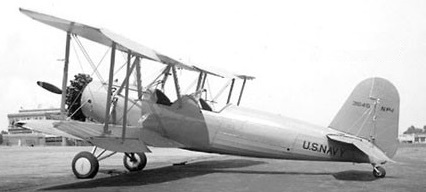
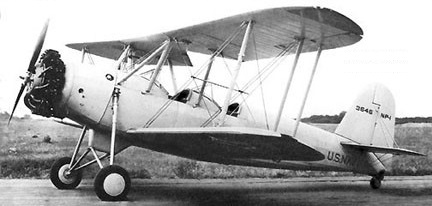
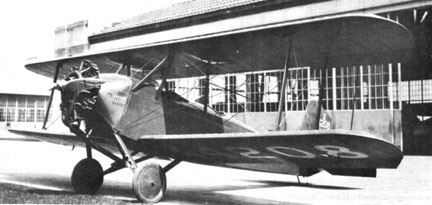
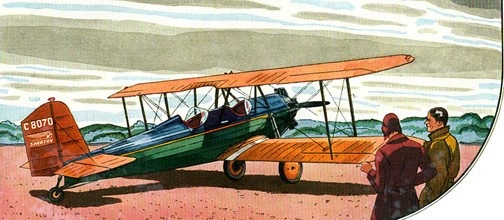
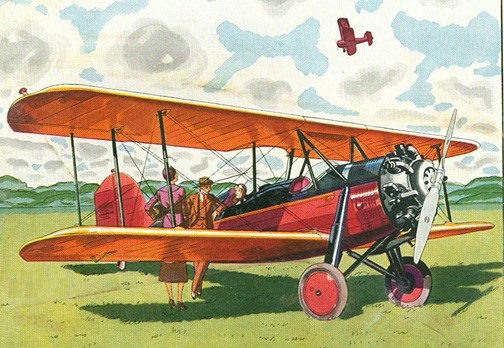
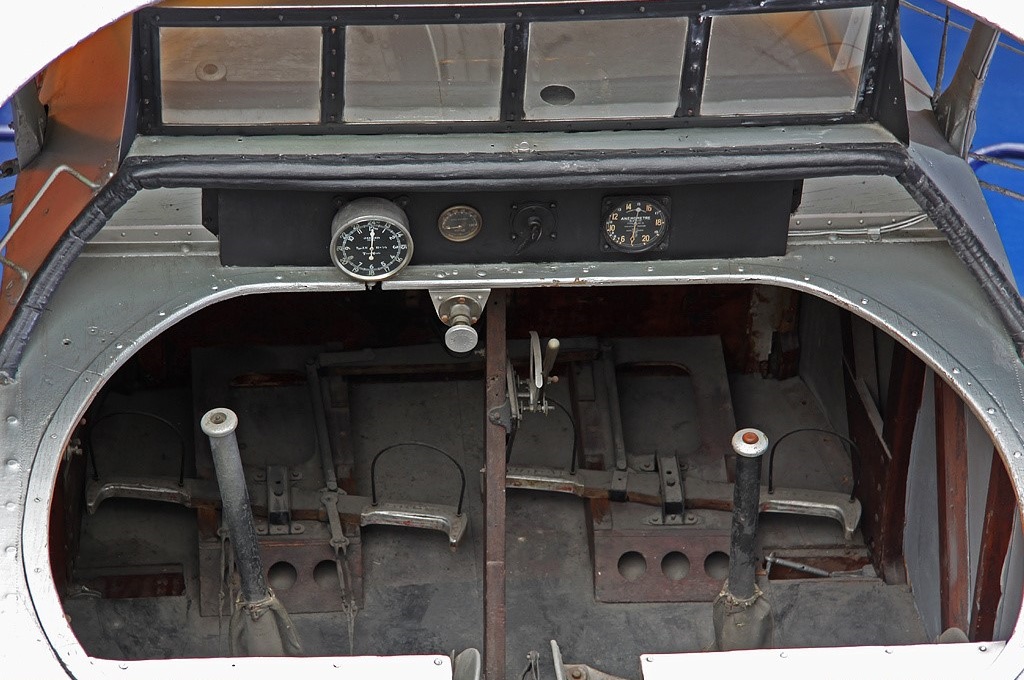
The 1939 Spartan NS-1 NX17634 was built for USN trainer evaluation (as 3645). First flying on 23 September 1939, piloted by Jess Green, the design became the NP-1.
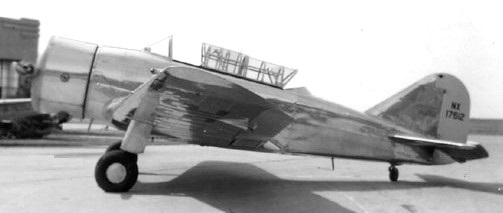
The 1937 Spartan 8W Zeus was an evolution of militarized Executive with larger engine and greenhouse cockpit. One was built for the USAAC analysis as an advance trainer, NC17612 c/n 8W-1. A small number were exported as light bomber.
8W Zeus Engine: 550hp P&W R-1340 Wasp Wing span: 39’0″ Length: 27’3″ Useful load: 1513 lb Max speed: 234 mph Cruise: 218 mph Stall: 65 mph Range: 760 mi Ceiling: 29,400 ft Seats: 2
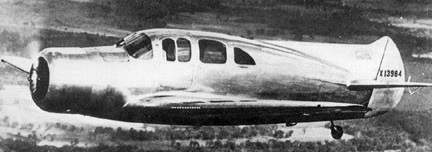
Designed by James Ford in 1935, the 7X Executive (Standard Seven) prototype of the 7 series (X/NC13984] c/n 0) featured a small tail and long dorsal fin. First flying on 19 February 1935, it was reportedly delivered to Mexico.
Spartan 7X NC13984
A total of 34 were built in the US between December 1935 and March 1940. The first flew on 19 March 1935, powered by a 285hp Jacobs, but all production aircraft were powered by the Pratt & Whitney 985 Wasp Junior.
Spartan 7W NC17601
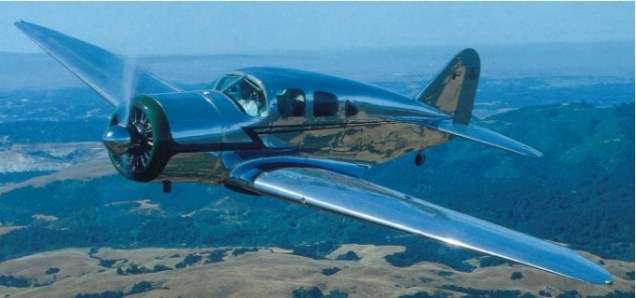
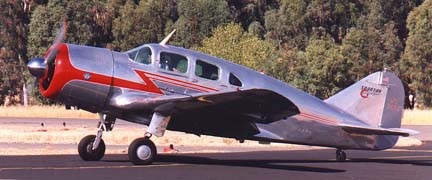
The Spartan 17W Executive (ATC 628) was comparable to the D17S in speed, weights and cabin size, and it was powered by the same reliable Pratt & Whit¬ney. It was well liked by pilots, and being an all metal, low wing monoplane, was of more modern design than the Beech. Despite one less wing, however, it was no faster. The Executive never really had a chance to compete, though. Spartan was expecting to get a Government contract for a biplane trainer and in 1940 stopped production of the Executive to de¬vote all its facilities to that purpose. The con¬tract never came, and only 34 Exec¬utives were ever built, selling from $23,500.
One Spartan Executive 4/5-seat all-metal monoplane of 1936 was converted in 1938 to Zeus 2-seat military type as the 7W-F NX17605=42-68361 c/n 10 for military acceptance tests. Two guns were mounted in the nose and one in an open station aft, plus wing racks for ten 25lb bombs. It was later converted back to 7W.
The 7W-P Executive of 1936 (ATC 646) was a three-place customized 7W (NX13986 c/n P-1) first flown on 14 September 1936. Fitted with a 400hp P&W Wasp, it was exported to China.
Sixteen were conscripted by AAF during WW2 as UC-71 (42-38265 to 38269, 42-38367 to 38369, 42-38287 to 38288, 42-43846, 42-57514 to 57515, 42-68361, and 42-78037), of which the first 11 were impressed, all but 2 returned to civil use.
YI-SOF c/n 7W-19 was a $30,000 customized job in 1939 for King Ghazi of Iraq (including a regal throne) as Eagle of Iraq, in turn went to RAF in 1940.
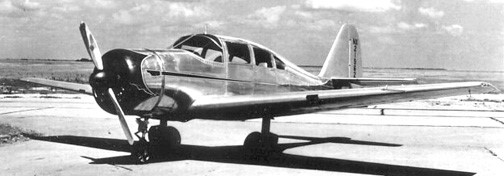
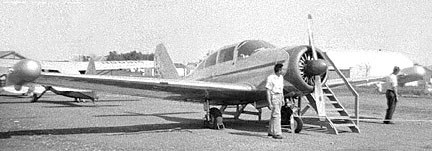
By 1931 Spartan was producing low-wing side-by-side 2-seaters, further developed as C2-60. Designed by Willis Brown and selling for $2,245, the prototype NC11000 was under ATC 2-370.
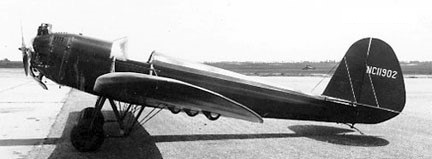
Sixteen C2-60 were built ATC 427; NC11000, NC11015 and NC11016, NC11021 to 11023, and NC11900 to NC11909.
Two, NC992N and NC993N (ATC 2-408), were built as C2-165 instrument trainers with 165hp Wright J-5 engines and hooded cockpits for the Spartan School of Aeronautics.
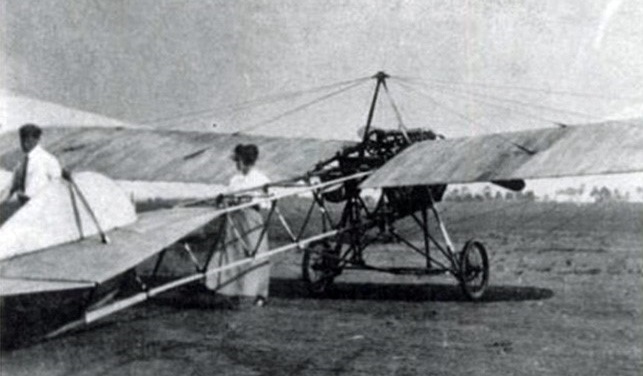
The monoplane of James S. Spainhour, of Pittsburgh, PA, had an unusual device for securing lateral control. The wings did not warp, or only very slightly. They were fixed to the fuselage by a floating bridge, and the angle of incidence of the whole of each wing could be altered by the movement of a pedal, one for each plane. When the angle of incidence of both the wings is increased the machine pitched up. The machine weighed 497 pounds, had a triangular fuselage and a span of 34 feet 5 inches. It was powered by a 40 hp four-cylinder Kowalsky engine, which had a self-starting crank. Spainhour made several short flights near Pittsburgh on a six-acre field, and moved to Mineola, Long Island, to get more room.
It apparently reached 1000′ high at speed of 50 mph