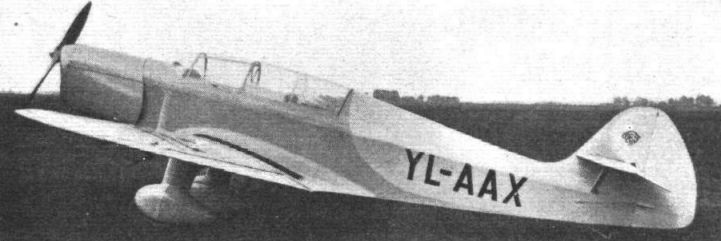
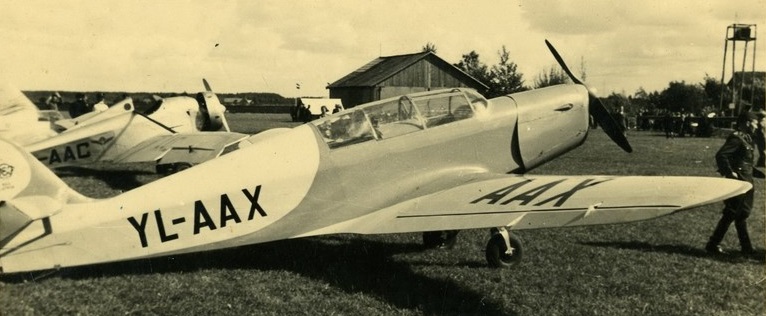
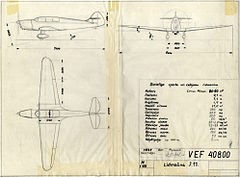
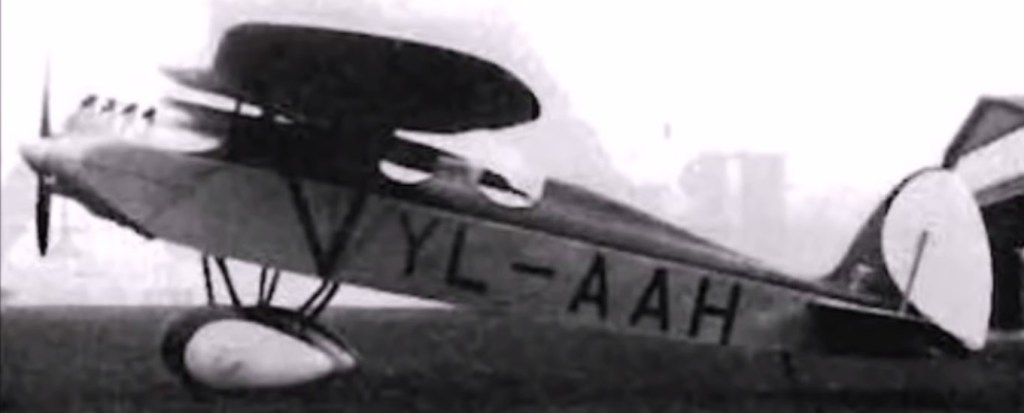
The VEF I-11 (also called the Irbītis I-11) was a Latvian light aircraft designed by Kārlis Irbītis in 1936 and built by VEF. It was a low-wing monoplane with a two-seat tandem cockpit and fixed conventional landing gear.
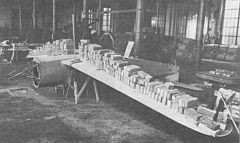
In February, 1936 the aircraft’s wings underwent structural testing.
On June 23, 1936, the I-11 made its maiden flight at Spilve and on April 26, 1937, it flew a 1,000 km (621 mi) flight around Latvia in 5 1/2 hours.
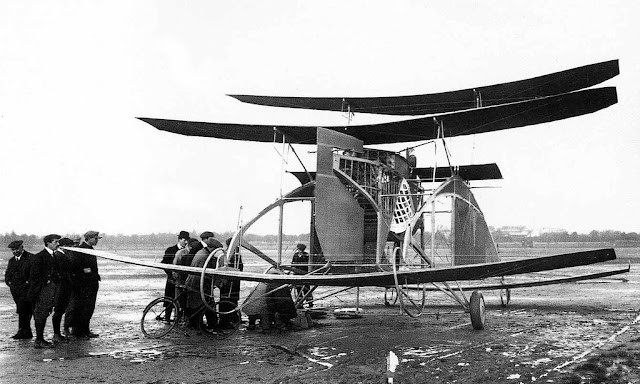
A monstrous multiplane, created by Edouard Vedovelli. Debuted at Issy-les-Moulineux, Paris, in 1910. Continuously tested and modified until it was abandoned in 1912. Press referred to it as “L’Appareil Fantôme d’Issy-les-Moulineaux” or “The Phantom Machine of Issy-les-Moulineux”.
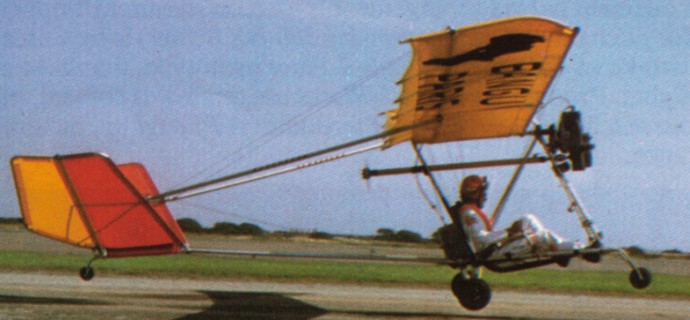
Developed by Klaus Hill from the Hummer, the 600 is a three axis control ultralight. A monowing with upright V-tail. Tail control surfaces and spoilers are operated through a mixer stick. Construction consists of tubing with the wings and tail surfaces covered by Dacron. Power is a Zenoah in pusher configuration mounted forward of the wing. A 2.33:2 reduction unit turns a two-blade wooden Vector prop. Shock-mounted tricycle gear uses rubber cushions: The nosewheel is not steerable, and there are no brakes. Units delivered by June 1981 100+.
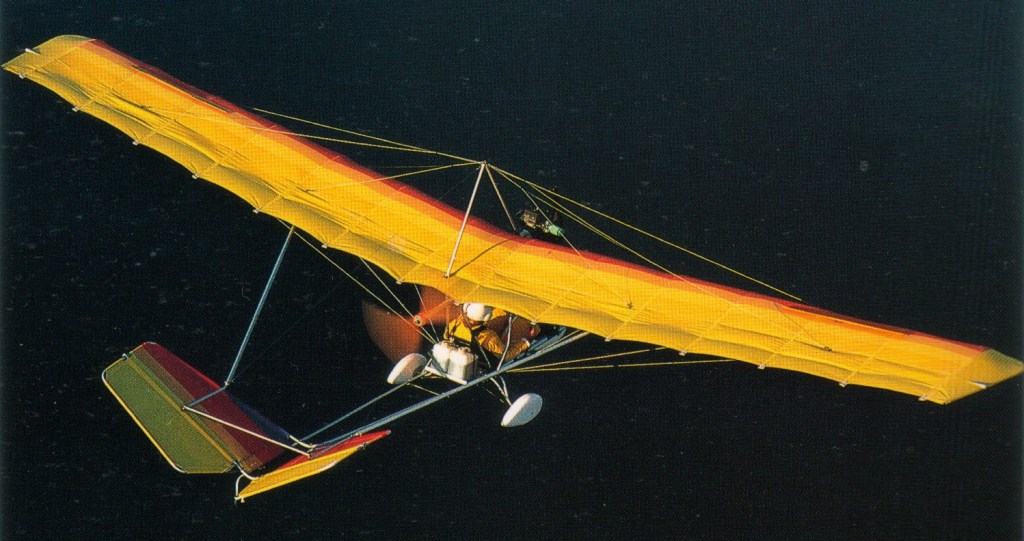
Seen for the first time at Sun’n’Fun at Lakeland in Florida in March 1982, the Vector 610 is a modified version of the earlier Vector 600 which itself was direct descended from the Humbug that Klaus Hill redesigned on leaving Hummer in 1978. Jointly with Gemini International Inc. the Skysports International company was founded in 1980 to sell the first production Vector 600s. This company was then absorbed by Vector Aircraft Corp, itself bought up by Aerodyne Systems Inc at the end of 1982.
Compared with its predecessor, the Vector 610 includes several modifications, principally enlarged spoilerons, semi elliptic saumons at the wing tips, structural strengthening and, for the production models in the USA, the adoption of the Zenoah G25B 22hp engine. This replaced the two Chrysler Power Bee engines, each developing 9 hp, which equipped the last Vector 600 machines produced. In Europe, the British supplied Robin EC25PS of 22 hp output at 6500 rpm or the EC34PM of 32hp at 6500 rpm (with a reduction drive of 2.6/1) is fitted in preference to the Zenoah. The Vector 610, a mono-wing with upright V-tail, features no rudder pedals, with the control stick operating both spoilerons and the V-tail elevons through a mixer stick. Construction consists of tubing with the wings and tail surfaces covered by Dacron. Single seat single engined high wing mono¬plane with unconventional three axis control. Wing has unswept leading edge, swept forward trailing edge and tapering chord; V tall. Pitch/yaw control by elevon; roll control by one third span spoilerons; control inputs through stick for pitch/yaw/roll. Wing braced from above by kingpost and cables, from below by cables; wing profile; double-surface. Undercarriage has three wheels in tricycle formation with additional tailwheel; no suspension on nosewheel and rubber suspension on main wheels. No ground steering. No brakes. Aluminium tube framework. without pod. Engine mounted at wing height driving pusher propeller. 6061T6 anodized aluminium, 3/32 inch 7×7 stainless steel cable, AN hardware.
Prices: in the US, the Vector 610 is available in kit form requiring 30 h for completion at a price of $4890 (March ’83). A supplementary kit to retrofit a steerable nosewheel costs $225, a set of three wheel fairings is available for $185 and spring steel landing gear for $150. Glass fibre Sealord 100A floats are available at $1195 and finally, especially noteworthy, is the SR control system kit for retrofit at $275, which transforms the Vector 600 and 610 to three axis control with a rudder bar.
In March 1983 Aerodyne System’s Vector received the first ultralight airworthiness certificate granted by the West German Ministry of Traffic to a US-built ultralight. The certificate allows sale of Vectors in the West German Federal Republic.
Shown for the first time at Sun’n’Fun in Lakeland, Florida in March 1983, the Vector 627 is basically a re engined Vector 610, with certain structural modifications to the tail to increase rigidity and reduce vibration. Instead of the Zenoah (US) and Robin EC25PS (Europe) engines, the 627 uses the Rotax Type 377 motor. The Rotax develops 10 hp more than the engine it replaces and in addition is mated to a toothed belt drive, a combination which gives the new aircraft considerably better performance than its predecessor, with the possible exception of the EC34PM engined machine. A torsional resonance damper is built into the reduction system. The new aircraft comes in two forms the standard 627 which uses the 610’s control arrangements, and the 627SR which incorporates rudder pedals linked to nosewheel steering to give conventional three axis control, push right go right nosewheel steering connected to yaw control. A novel feature of the 627SR is that the control linkages can be modified in a matter of seconds to bring the aircraft back to stick only control as on the standard 627. The 627SR utilises a side mounted joy stick, rudder pedals, nose wheel steerable through rudder pedals. Control stick and rudder pedals activate ruddervators and spoilerons for independent three-axis aerodynamic control. Upright V-tail monoplane with double-surfaced wing supported by kingpost and cable bracing. engine forward of wing, prop behind, 2.03:1 reduction drive unit turns a two-bladed wooden prop. LANDING GEAR: Shock-mounted tricycle gear uses bungee cord suspension. Manufacture later transferred to Aerodyne, then Sky King International as the Sky King International Vector 627SR.
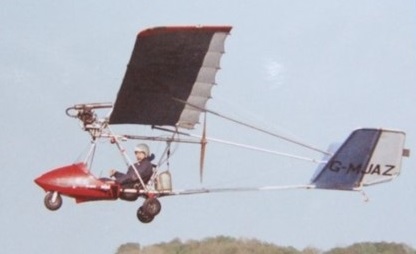
Previously on the Dutch register and reregistered G-MJAZ to Brynley Fussell Konig 3cyl. radial engine of 24 hp
600 Gross wt: 445 lbs Wingspan, 34 ft Wing area, 133 sq.ft Aspect ratio, 8.33 Overall length, 18 ft Empty weight, 195 lbs Usable payload (include fuel), 250 lbs Wing loading, 3.34 L/D power-off glide ratio, 8:1 Cruise speed (85% power), 50 mph Stall speed, 26 mph Approach speed, 30 mph Flair speed, 25 mph Liftoff speed, 25 mph Takeoff roll distance, 100 ft Rate of climb, 425 + fpm Fuel capacity, 3 Usgal Range at cruise, 80 mi Engine displacement, 14.78 cu,in Rated hp, 22 hp Static thrust, 143 lbs First year built: 1980
610 Engine: Zenoah G2SB 1, 22 hp at 7000 rpm Propeller diameter and pitch 52 x 24 inch, 1.32 x 0.60 m Reduction ratio 2.33/1 Static thrust 170 lbs Power per unit area 0.14 hp/sq.ft, 1.5 hp/sq.m Fuel capacity 5. 0 US gal, 4.2 Imp gal, 18.9 litre in main tank Length overall 18ft, 5.48 m Height overall 8.0ft, 2.43m Wing span 35.2ft, 10.72m Sweepback 0 deg Total wing area 154 sq.ft, 4.3sq.m Wing aspect ratio 6.7/1 Nosewheel diameter overall 11.5 inch, 29cm Main wheels diameter overall 11.5 inch, 29cm Empty weight 195 lb, 88kg Max take off weight 445 lb, 202 kg Payload 250 lb, 113 kg Max wing loading 2.89 lb/sq.ft, 14.1 kg/sq.m Max power loading 20.2 lb/hp, 9.15 kg/hp Load factors; +5.7, 2.85 ultimate Max level speed 50 mph, 80 kph Never exceed speed 55 mph, 88kph Max cruising speed 45mph, 72kph Economic cruising speed 40mph, 64kph Stalling speed 26 mph, 42 kph Max climb rate at sea level 600 ft/min, 3.0 m/s Min sink rate 216 ft/min, 1.1 m/s Best glide ratio with power off 8/1 Take off distance 100 ft, 30 m Landing distance 200 ft, 60 m Range at average cruising speed 125 mile, 201 km
627 Engine: Rotax 377, 32 hp at 6250 rpm Propeller diameter and pitch 52x23ft, 1.32×0.58m Toothed belt reduction, ratio 2.0/1 Max static thrust 220 lb, 100kg Power per unit area 0.21 hp/sq.ft, 2.2 hp/sq.m Fuel capacity 5.0 US gal, 4.2 Imp gal, 18.9 litre Length overall 18ft, 5.48 m Height overall 8.0ft, 2.43m Wing span 35.2ft, 10.72m Sweepback 0 deg Total wing area 154 sq.ft, 4.3sq.m Wing aspect ratio 6.7/1 Nosewheel diameter overall 11.5 inch, 29cm Main wheels diameter overall 11.5 inch, 29cm Empty weight 254 lb, 115kg Max take off weight 500 lb, 227kg Payload 246 lb, 112kg Max wing loading 3.24 lb/sq.ft, 15.8kg/sq.m Max power loading 15.6 lb/hp, 7.1kg/hp Load factors +5.7, 2.8 design Max level speed 55mph, 88kph Cruising speed 48mph, 77kph Stalling speed 27mph, 43kph Max climb rate at sea level 800 ft/min, 4.1 m/s Best glide ratio with power off 8/1
627SR Engine: Rotax 377, 32 hp at 6250 rpm Propeller diameter and pitch 52x23ft, 1.32×0.58m Toothed belt reduction, ratio 2.0/1 Max static thrust 220 lb, 100kg Power per unit area 0.21 hp/sq.ft, 2.2 hp/sq.m Fuel capacity 5.0 US gal, 4.2 Imp gal, 18.9 litre Length overall 18ft, 5.48 m Height overall 8.0ft, 2.43m Wing span 35.2ft, 10.72m Sweepback 0 deg Total wing area 154 sq.ft, 4.3sq.m Wing aspect ratio 6.7/1 Nosewheel diameter overall 11.5 inch, 29cm Main wheels dia¬meter overall 11.5 inch, 29cm Empty weight 254 lb, 115kg Max take off weight 500 lb, 227kg Payload 246 lb, 112kg Max wing loading 3.24 lb/sq.ft, 15.8kg/sq.m Max power loading 15.6 lb/hp, 7.1kg/hp Load factors +5.7, 2.8 design Vne: 63 mph Max level speed 55mph, 88kph Cruising speed 48mph, 77kph Stalling speed 27mph, 43kph Approach speed 40 mph Liftoff speed 30 mph Max climb rate at sea level 800 ft/min, 4.1 m/s Best glide ratio with power off 8/1
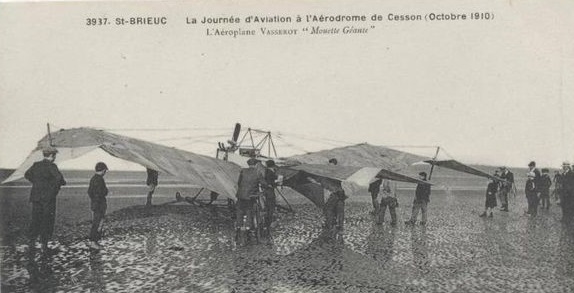
Built in 1910 by Jean-Marie Vasserot with the assistance of a carpenter named Louis Houard, who also designed the engine. There is apparently no evidence that it flew successfully, although it is reported by Opdycke to have flown 100 meters at the beach at Cesson on November 13, 1909 as the Vasserot-Delassor Monoplane. Opdycke was most likely mistaken; confusing it with Vasserot’s glider model which made several flights in 1909 from the cliffs at Cesson. M. Delassor is unknown at this time.
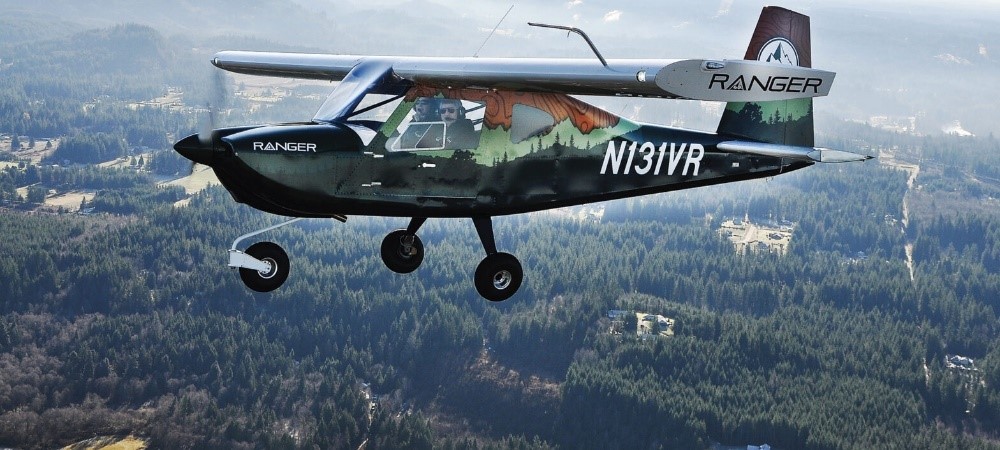
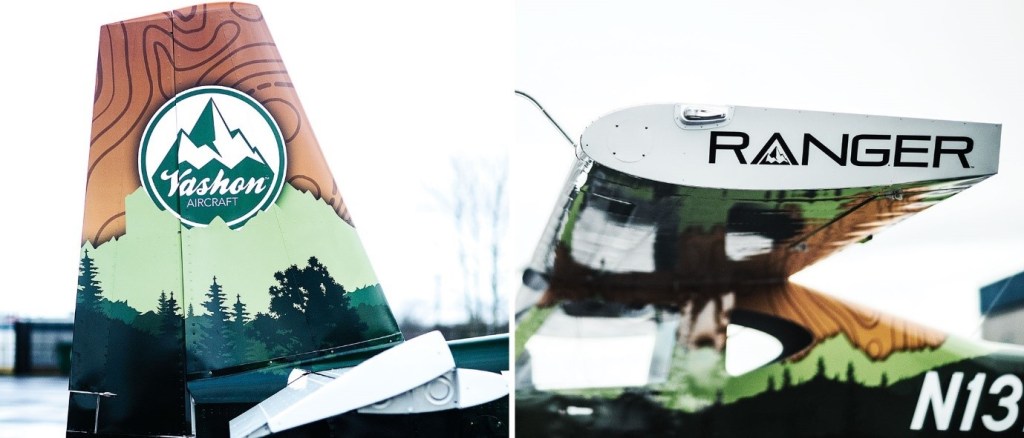
Vashon Aircraft’s first airplane, the Ranger, is a high-wing LSA category aircraft. Ken Krueger, who spent many years designing airplanes for Van’s Aircraft, is Vashon’s design engineer.
At the Woodinville factory, co-located with Dynon in an industrial park, Vashon produces structural components and puts fuselages and wings together. The parts are then transported to a hangar at the Paine Field Airport (KPAE) in Everett, where final assembly takes place down the street from Boeing’s massive facility. Vashon turned to a local vinyl-wrap supplier, Wicked Wraps. In addition to being lighter, the wrap allows for cool designs to be applied to the fuselage that would be cost prohibitive if done in paint.
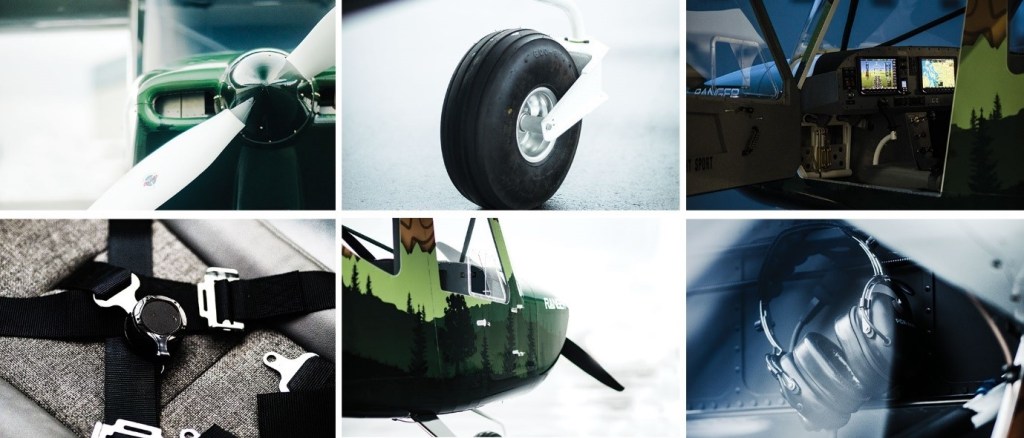
The Ranger has a beefy landing gear, strong enough for the rigors of the training environment, with 6.00-6-size wheels and tires.
With a base price tag just below $100,000 (2021), the Continental O-200 powered Ranger R7 LSA features glass-panel technology, optional autopilot and second SkyView screen.
Climbing into the Ranger is slightly challenging. The right leg has to find its way to the other side of the stick, which curves its way from the floor to just above the seat. The rudders adjust, but must be locked with a pin. It would be impossible to adjust once in the seat. Vashon chose a five-point seat-belt system.
The width of the cockpit is nearly 47 inches, about 7 inches wider than the Cessna 172 Skyhawk’s. There is plenty of elbow and shoulder room, and headroom to spare. Additionally, there is massive space behind the seats, which can hold up to 100 pounds as long as you stay below the total weight limit and within the center-of-gravity envelope.
The seats fold nearly flat, providing plenty of space. The oversize windows provide excellent visibility, with a large section on each side that opens up for fresh air or a camera lens. There is no speed limit for keeping the windows open.
Taxiing the Ranger is easy because the castering nosewheel allows for tight turns. Pushrods connect the ailerons and elevator to the stick, and cables control the rudder.
The stick has an electric trim button on top and a trigger on the back for the push-to-talk. Two additional buttons on the grip help switch the standby frequency to the active position on the separate comm unit and ident the ADS-B Out-capable transponder, both of which are Dynon products.
SkyView includes full engine instrumentation, including CHT and EGT gauges for each cylinder, fuel flow, remaining fuel in time and distance, carburetor temperature and more. The system will even warn you if there is potential for carb ice based on the current temperature and dew-point spread. Angle of attack is included along with the standard flight parameters on the PFD.
Flaps are electrically actuated with a button — one push for 20 degrees, then another for 40 degrees. The fuel tanks are contained in removable sections in the wings for easy, quick replacements.
Despite being a clean-sheet design from a brand-new company, the Ranger comes with a three-year warranty.
Vashon is creating its own supply chain by producing the majority of the parts in house, the exception of which are parts such as brake pads, engines and propellers.
The fully loaded Ranger I, with autopilot and two SkyView screens, rolls out of the factory for $114,500. The base model was $99,500 in 2021.
Vashon Ranger R7 Engine: Continental O-200-D, 100 hp Engine TBO: 2000 hrs Prop: Catto fixed pitch 2-blade Wingspan: 29 ft 6 in Wing area: 135.6 sq.ft Length: 21 ft 9 in Height: 8 ft 4 in MTOW: 1320 lb Empty weight: 875 lb Payload: 279.4 lb Useful load: 445 lb Max usable fuel: 27.5 USG / 144 lb Wing loading: 9.7 lb/sq.ft Power loading: 13.2 lb/hp Max operating altitude: 12,000 ft Max ROC: 1035 fpm Max speed: 120 kt High cruise: 117 kt Max range: 430 nm Stall flaps up: 50 kt Stall full flap: 46 kt TO to 50 ft: 1150 ft Ldg from 50 ft: 1060 ft Interior width: 46.65 in Seats: 2
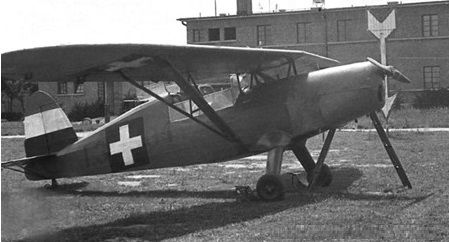
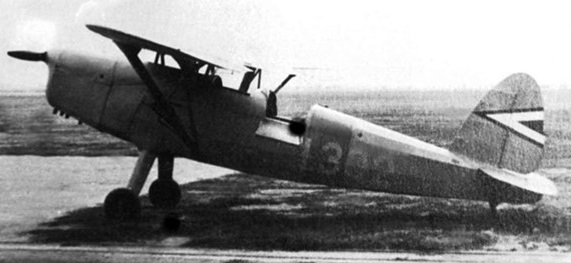
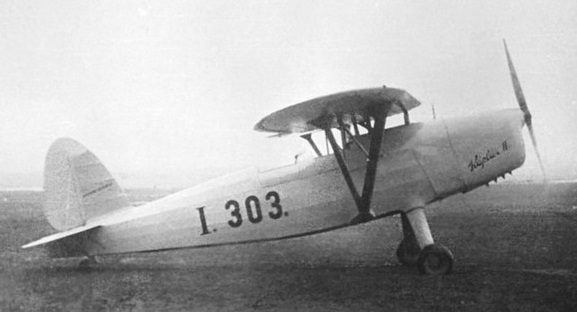
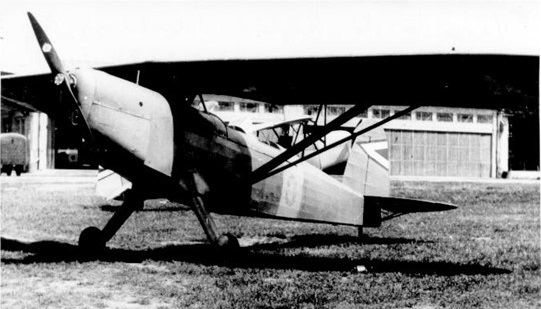
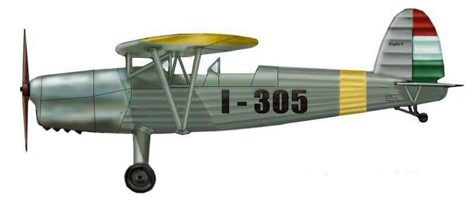
Varga “Káplár” was designed in the 1930’s by a team of engineers led by Laszlo Varga. Not departing from the general principles of the time the plane was a parasol monoplane with a double-open cockpit and Hirth HM-504\A2 engine. The aircraft to be used as a liaison and training.
The first flight of the prototype Varga “Kaplar” made in 1940.
The Hungarian Air Force have expressed some interest in “Kaplar”, ordering a trial batch of aircraft to conduct evaluation tests. The contract for the construction of these machines were given to Aero-Ever and Szekesfehevar-Sosto, for four aircraft. Szekesfehevar-Sosto aircraft were designated “Kaplar I” and received a registrations I.301 – I.302. The remaining three aircraft – I.303, I.304 and I.305, are called “Káplár II”.
In general, this were simple enough to use, but the performance characteristics were not up to par. In the end, the Hungarian Air Force opted for serial production of Fabian “Levente”, which served until 1945. Although officially “Káplár” were not taken during the war, they were used for some time for auxiliary purposes.
Engine: Hirth HM-504 \ A2 Wingspan: 10.51 m Length: 6.8 m Height: 2.5 m Maximum speed: 180 km \ h Crew: 2 Armament: none