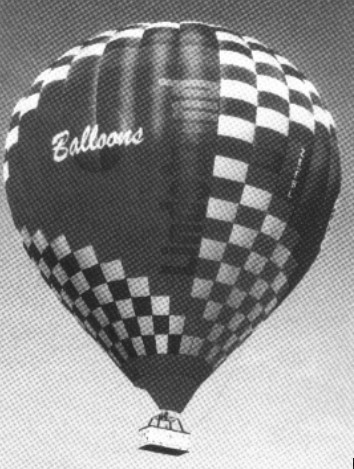
Capacity: 260,000 cu.ft
MAUW: 2270 kg
Empty wt: 710 kg
Fuel cap: 160 kg
Useful load: 1400 kg
Capacity: 260,000 cu.ft
MAUW: 2270 kg
Empty wt: 710 kg
Fuel cap: 160 kg
Useful load: 1400 kg
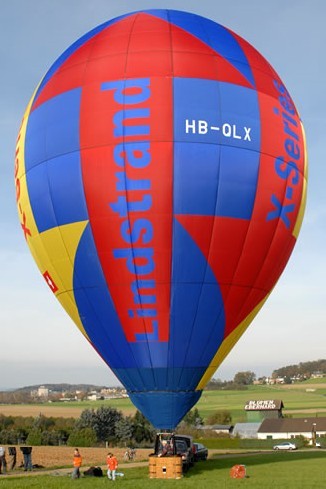
The design of the X-Series is focused on achieving the fastest controllable climb and descent rates possible.
The resulting envelope is a 24 gore flat panel competition envelope.
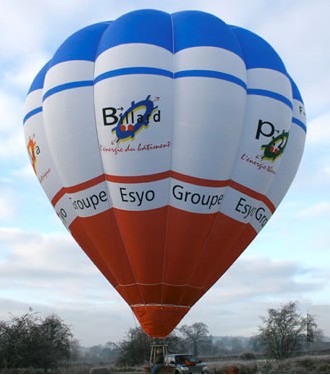
The Classic Type range has been designed for the sport or private pilot. The 12 gore envelope gives stable and predictable performance even in high rates of descent.
The shape of the envelope actively prevents undue rotation during climb and descent.
Lindstrand refinements are available but the Classic comes standard with just two controls – a parachute line and main blast valve.
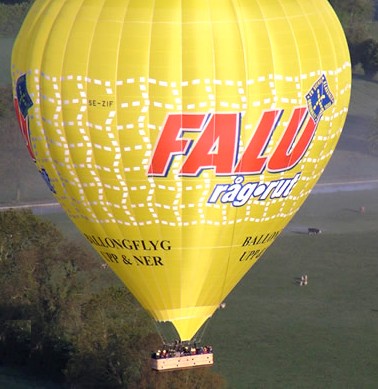
The ‘C’ type envelope has been designed to give a greater overall height to equator diameter ratio. This improves the speed of control response.
The ‘c’ type was available in two sizes.
Volume: 500,000 cu.ft
Volume: 600,000 cu.ft
Passenger capacity: 32
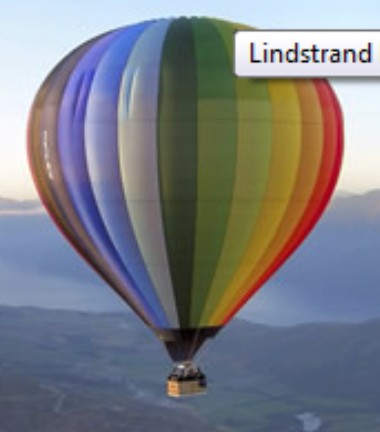
The A+ envelope is constructed in 24, 28 or 32 gores, depending on the size. The shape of the envelope is designed to produce a gradual transition from level flight into descent or ascent.
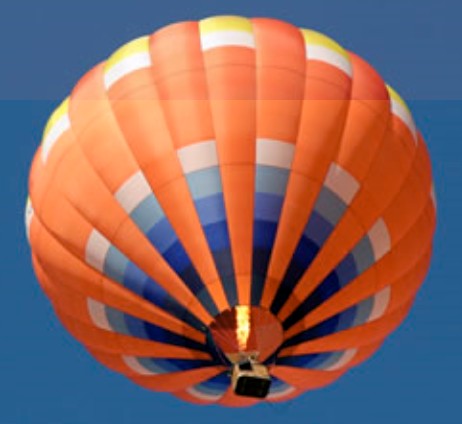
The almost flat surface is constructed from 24 gores of rip-stop nylon.
Lindstrand Balloons is a manufacturer of hot air balloons and other aerostats. The company was started by Swedish-born pilot and aeronautical designer Per Lindstrand in Oswestry, England, after he left Thunder & Colt in 1978. Lindstrand Balloons is known for its leading-edge engineering, which includes sophisticated testing and production facilities.
Of note, Lindstrand Balloons designed and built all of the hot air balloons flown by Per Lindstrand and Richard Branson on their record breaking flights first across the Atlantic Ocean in 1987 and then the Pacific Ocean in 1990. Lindstrand’s then designed and built three Rozière balloons that Per Lindstrand and Branson (and others, including aeronautical engineer Alex Ritchie, and adventurer, Steve Fossett) used in their unsuccessful attempts to circumnavigate the Earth by balloon. Per Lindstrand played an instrumental role in making these flights possible, and was pilot for all of them.
In the late-1990s, Cameron Balloons and its owner Don Cameron acquired two-thirds ownership of Lindstrand Balloons. Cameron bought the majority stake in Lindstrand Balloons from Rory McCarthy, a British industrialist associated with Richard Branson, who had invested in Lindstrand to support Branson’s series of record-setting balloon flights. The remaining third of the company is owned by its founder Per Lindstrand.
Despite Cameron’s ownership, Lindstrand Balloons continues to operate as an independent company with separate management and its own distinct designs and products. Per Lindstrand also independently operates a separate company, Lindstrand Technologies, which designs and builds gas balloons, innovative buildings, specialized aerospace equipment (including an advanced parachute for the Beagle 2 Mars-lander) and inflatable structures including aircraft hangars, plugs for fire-containment for road tunnels and flood prevention systems.
In 2011 Lindstrand Hot Air Balloons Ltd, based in Oswestry, Shropshire in the UK, had been building lighter-than-air craft on the same site for over 25 years and had its designs certified in 48 countries.
Lindstrand Balloons design special shaped envelopes. Once approved, computer aided technology turns the visual into a full working drawing which manufacture uses. All these envelopes are fully EASA approved.
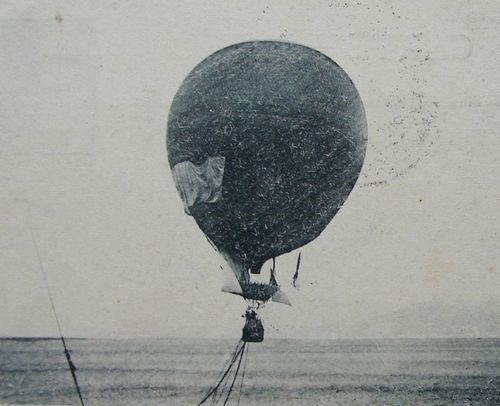
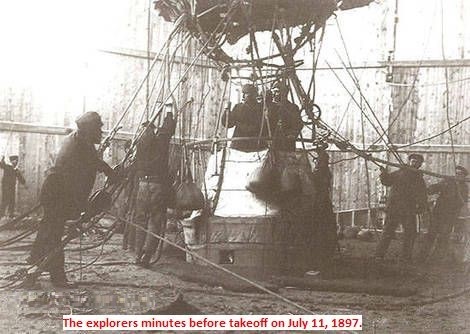
Swedish polar explorers Andrée, Fraenkel and Strindberg departing from Danes Island, Spitsbergen, in the Svalbard archipelago, on July 11, 1897, in an ill-fated attempt to reach the North Pole. The hydrogen gas balloon, 67 feet in diameter, with a capacity of 170,000 cubic feet, was built by Henri Lachambre in Paris. Three varnished layers of double Chinese silk formed the upper half of the envelope, with a single layer on the bottom half. A heavy casing of woven hempen netting shrouded the balloon, which was surmounted by a cap, or calotte, of varnished silk to keep arctic snows from lodging in the netting. Suspended from a bearing ring formed from American elm wood was a wicker car measuring 6.5 feet in diameter and 5 feet deep. The balloon was originally named “Le Pôle Nord”, but was later christened “Örnen” (Eagle). In 1930, the remains of Saloman Andrée and his two companions were discovered on White Island and repatriated to Sweden.
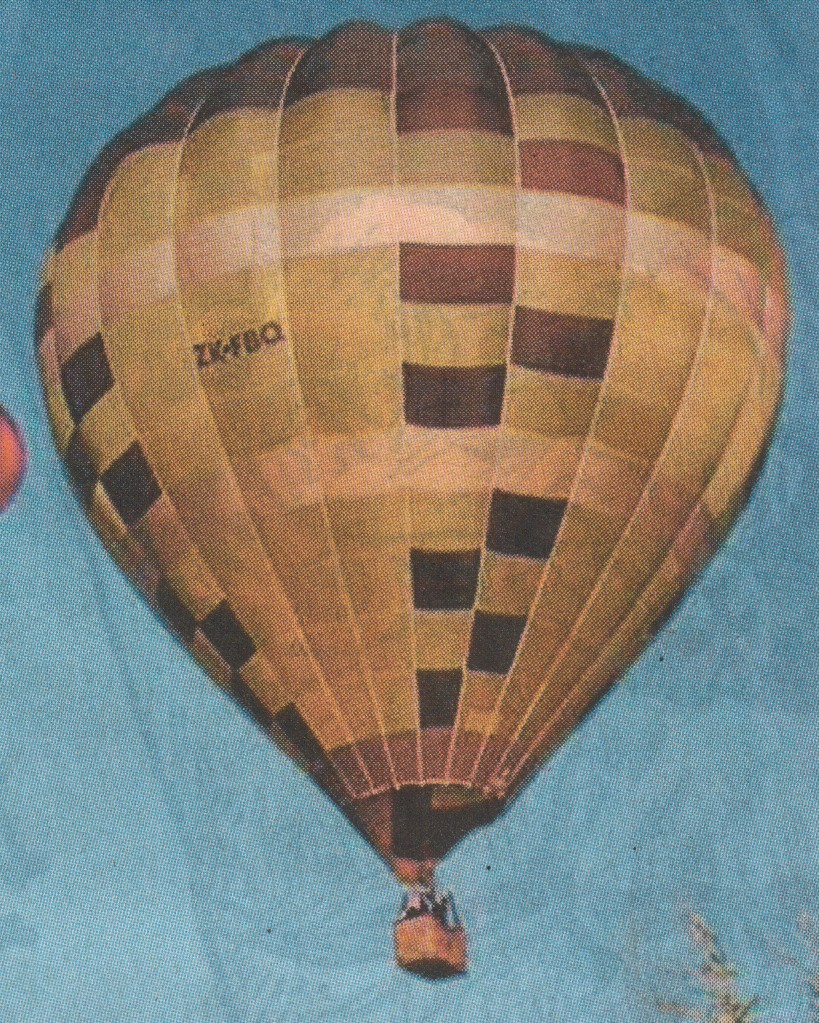
The Kavanagh E140 has Smart vent, HTN90 in vent and top panel, rotation vents, Nomex scoop, HTN90 from panel 13 up.
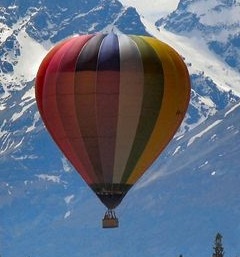
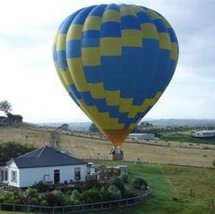
E-120
E-140
E-180
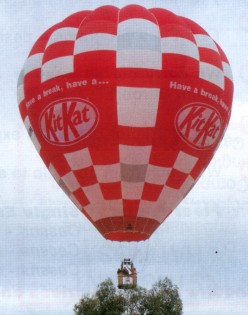
D-77
D-90
Pax cap: 4
Burners: 2
Fuel cap: 4 x 55 lt
D-105
 All Aero