Cant Z.501 Gabbiano

In 1931 the Cantiere Navale Triestino company acquired the services of Filippo Zappata, and also changed its name to Cantieri Riuniti dell’Adriatico, under which a number of civil and military seaplanes and land based aircraft were subsequently produced. The first Zappata designed prototype aircraft from the CRDA was a single engined flying boat, designed as a maritime reconnaissance bomber. Designated Z.501 and named Gabbiano (seagull), it flew for the first time at Monfalcone, Trieste, in 1934. With the civil registration I-AGIL, it set up an international distance record for seaplanes in October 1934, flying non stop for 4120 km (2560 miles) from Monfalcone to Massawa in Eritrea. A short time later a French aircraft took the record, but the Gabbiano reclaimed it in July 1935 with a 4957 km (3080 mile) flight from Monfalcone to Berbera in Somaliland.
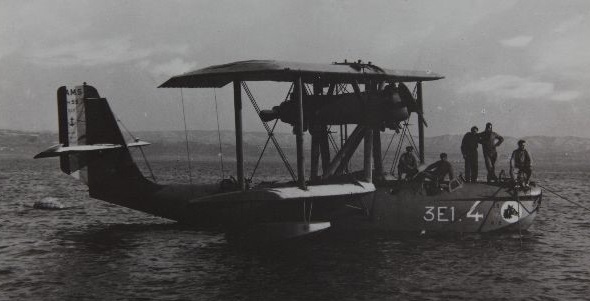
It was in its designed role that the Z.501 entered service with the Squadriglie da Ricognizione Marittima (marine reconnaissance squadron) of the Regia Aeronautica (Italian air force) in 1936, after an order for production aircraft had been placed; an eventual total of 445 were built. In full military condition, the Gabbiano’s maximum range was 2400 km (1490 miles). The flying boat was of wooden construction, with fabric covered wings and tail, and was powered by a 900 hp Isotta Fraschini Asso XI R2 C15 12 cylinder V type engine mounted above the centre section of the parasol wing mounted on struts up high and away from the fuselage. It carried a normal crew complement of four or five men. Initial armament was three 7.7 mm (0.303 in) Breda SAFAT machine guns, one in an open position above the nose and the other two in semi enclosed positions in the middle of the fuselage and in the rear of the over wing engine nacelle. Racks attached to the inner¬ wing bracing struts could carry a variety of small bombs up to a maximum load of 640 kg (1410 lb), typical combinations including two 250 kg (551 1b), four 160 kg (353 1b) or four 100 kg (220 1b) bombs. Romania purchased a few Z.501s in 1937 38, and some saw service on the rebel Nationalist side in the Spanish civil war of 1936 39.
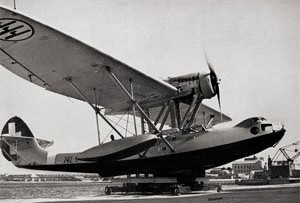
When Italy entered the Second World War in June 1940, the Regia Aeronautica had 202 Z.501s in front line service with maritime reconnaissance squadrons, air/sea rescue and other units. During the following year the nose gun was removed, to allow for an enclosed observer’s cockpit in that position. At the Italian armistice in September 1943 the Gabbiano was still in use; about 20 continued serving with the co belligerent Italian forces and others with the pro German Aviazione della RSI (the airforce of Mussolini’s short¬lived Italian Social Republic set up after the armistice), until the end of the war, and a few survived with the Italians until 1950. The Z.501 finished the war without a single air-to-air kill.
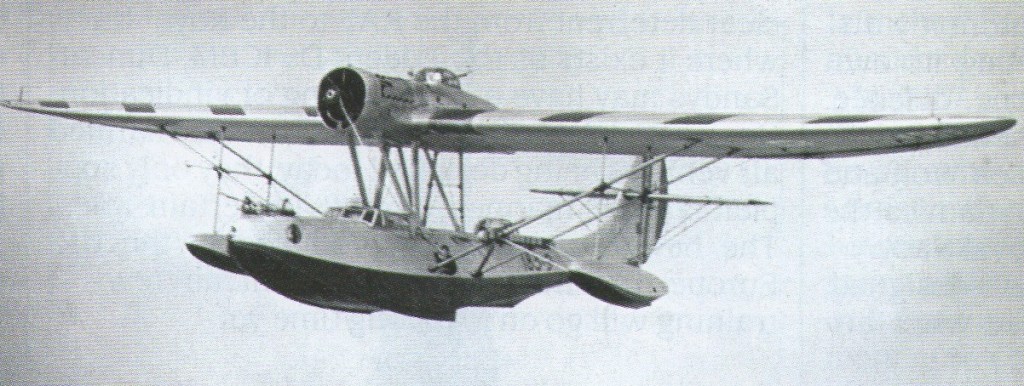
CANT Z.501 Gabbiano (Gull)
Engine: 1 x Isotta Fraschini Asso XI R2C.15 12-cylinder, 900hp.
Length: 46.92ft (14.3m)
Wing span: 73.82ft (22.50m)
Wing area: 667.368 sq.ft / 62.0 sq.m
Cruising speed: 130 kts / 240 km/h
Cruising altitude: 6562 ft / 2000 m
Wing load: 23.17 lb/sq.ft / 113.0 kg/sq.m
Height: 14.44 ft (4.40m)
Maximum Speed: 171mph (275kmh; 148kts)
Maximum Range: 1,491miles (2,400km)
Range (max. weight): 540 nm / 1000 km
Rate-of-Climb: 820ft/min (250m/min)
Service Ceiling: 22,966ft (7,000m; 4.3miles)
Armament: 3 x 7.7mm machine gun
Up to 1,411lbs (640 kg) of bombs.
Structure:
Accommodation: 4 to 5
Hardpoints: 2
Empty Weight: 8,488lbs (3,850kg)
Maximum Take-Off Weight: 15,543lbs (7,050kg)
CAMS 55

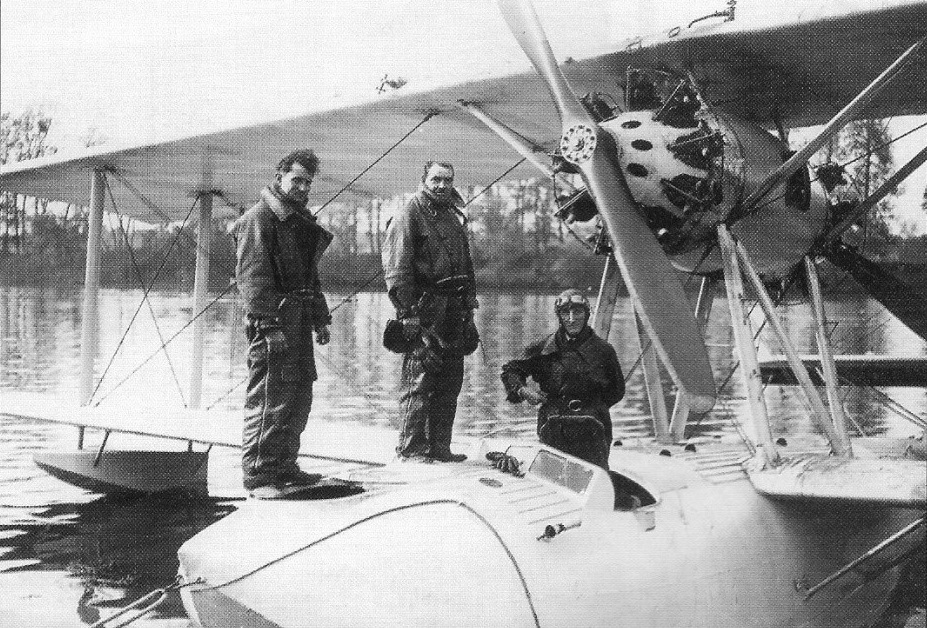
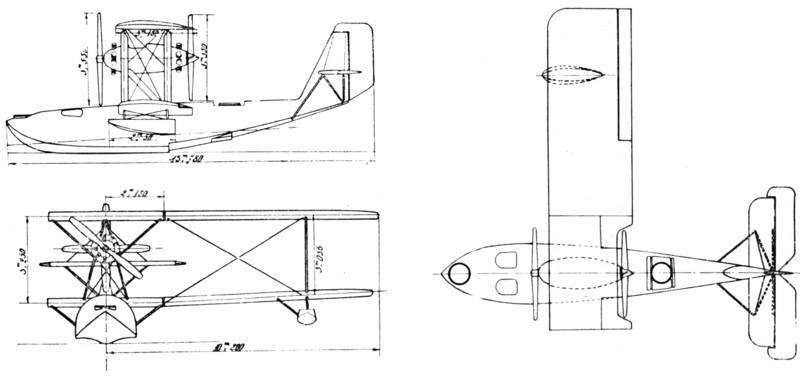
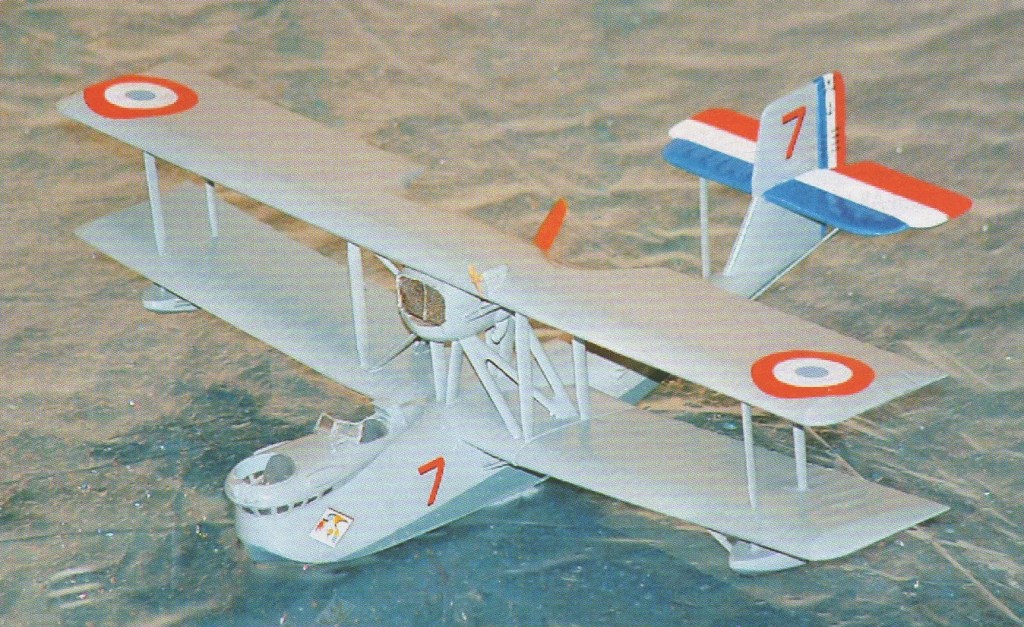
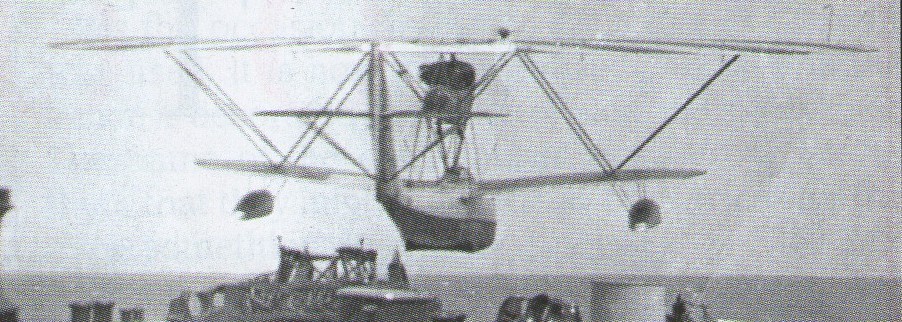
The CAMS 55 design was derived from the unsuccessful CAMS 51 and followed the familiar Chantiers Aéro-Maritimes de la Seine (CAMS) formula of a conventional biplane flying boat configuration with tandem tractor-pusher engines mounted in the interplane gap. The cockpit was open, and there were open gun positions in the bow and amidships. The bow also incorporated an observation balcony with windows sloped to afford a good downward view.

A single prototype was followed by two aircraft to compare different engine installations, one with air-cooled radials and the other a liquid-cooled V engine; in the end, the French Navy ordered some of each. Eventually, 15 escadrilles were equipped with CAMS 55s of various subtypes, replacing the Latham 47 in some units, and in turn being relegated to secondary duties when the Breguet Bizerte became available in 1936. Twenty-nine remained in service at the outbreak of World War II, with the last examples serving with Escadrille 20S in Tahiti until January 1941.

Variants:

55.001 – prototype with Hispano-Suiza 12Lbr engines (one built).

55J – engine test version with Gnome et Rhône licence-built Bristol Jupiter engines (two built).

55H – engine test version with Hispano-Suiza 12Lbr engines (two built).

55/1 – production version with Hispano-Suiza 12Lbr engines (43 built).

55/2 – production version with Gnome et Rhône licence-built Bristol Jupiter engines (29 built).

55/3 – version with all-metal hull for French Navy requirement for long-range flying boat. Prototype destroyed early in test programme (one built).

55/6 – version with all-metal hull and floats, saving 400 kg (882 lb) of structural weight; deemed too expensive to produce (one built).

55/10 – version with geared Gnome et Rhône Jupiter engines and increased fuel tankage (32 built, including four tropicalised machines).
Powerplant: 2 × Gnome et Rhône 9Kbr, 370 kW (500 hp) each
Propeller: 4-bladed fixed pitch
Wingspan: 20.4 m (66 ft 11 in)
Wing area: 113.45 m2 (1,221.2 sq ft)
Length: 15.03 m (49 ft 4 in)
Height: 5.41 m (17 ft 9 in)
Empty weight: 4,590 kg (10,119 lb)
Gross weight: 6,900 kg (15,212 lb)
Maximum speed: 195 km/h (121 mph, 105 kn)
Cruise speed: 150 km/h (93 mph, 81 kn)
Range: 1,280 km (800 mi, 690 nmi)
Service ceiling: 3,400 m (11,200 ft)
Rate of climb: 2.2 m/s (430 ft/min)
Crew: 4
Armament: 4 × trainable 7.5 mm (0.295 in) machine-guns
Bombload: 2 × 75 kg (165 lb) carried under lower wing

55/11 – long-range patrol version (one built).

55/14 – version with all-metal hull (one built).

CAMS 51

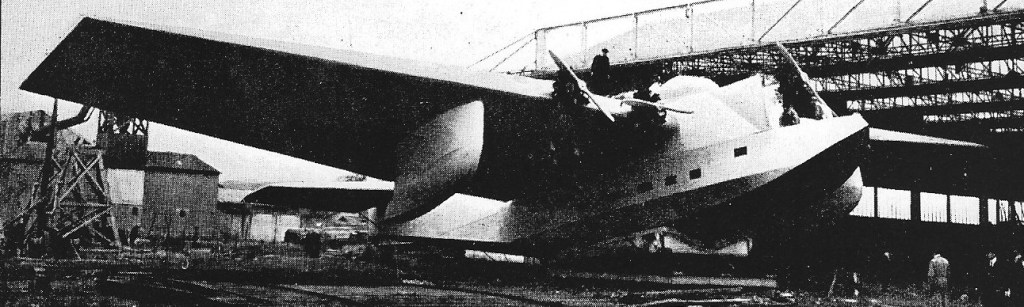
The CAMS 51 was a transport flying boat built in France in the mid-1920s. Designed by Maurice Hurel as a private venture by Chantiers Aéro-Maritimes de la Seine (CAMS), it was a conventional biplane with two radial engines mounted in a tractor-pusher installation in the interplane gap. The first flew in 1926.

One example (the 51C) was sold to Aéropostale, which used it for tests in preparation for transatlantic services.

CAMS also built a militarised version as the 51R3 in the hopes of interesting the French Navy in it as a reconnaissance aircraft, but no order was forthcoming.

A final aircraft was built as a record-breaking machine originally designated 51-3 R that broke the world payload-to-altitude record on 18 August 1927 by lifting 2,000 kg to 4,684 m (15,368 ft). This aircraft was later used as a pathfinder for French airmail routes to South America.

CAMS 51C
Powerplant: 2 × Gnome et Rhône 9Aa, 283 kW (380 hp) each
Wingspan: 20.40 m (66 ft 11 in)
Wing area: 115.0 m2 (1,237 sq ft)
Length: 13.78 m (45 ft 2 in)
Height: 5.00 m (16 ft 5 in)
Empty weight: 3,150 kg (6,945 lb)
Gross weight: 5,150 kg (11,354 lb)
Maximum speed: 200 km/h (125 mph, 109 kn)
Range: 100 km (620 mi, 540 nmi)
Service ceiling: 4,600 m (15,100 ft)
Crew: two
Capacity: four passengers

CAMS 51 R.3

CAMS 37

(CAMS 37A model)

For shipborne observation/patrol, CAMS’ bay-windowed 37A first flew in 1926. About 150 were produced in the inter-war years. With its Lorraine 450hp broad arrow V12 and coarse pitch and small diameter pusher propeller it lasted longer than most with one example being operated by the Free-French from Tahiti. It could be operated from land strips when a wheeled main gear was attached, but was not capable of amphibious use since it could neither take off nor land on water in this configuration.