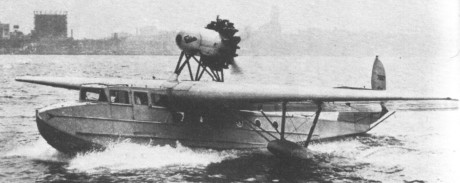
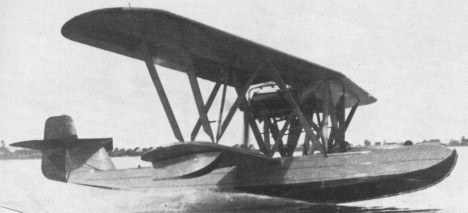
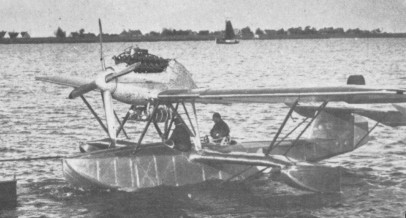
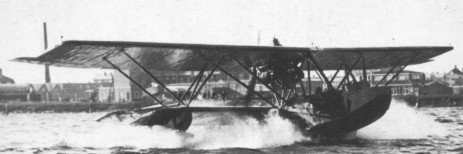
The original version of the B.IVA, the B. IV, also known as F.XI.A pure flying boat, only one was built. The B.IVA amphibian flying boat had the wheel axles housed in stabilising floats which balanced the aircraft on water. During flight the wheels were retracted into recesses at the ends of the floats to reduce drag. Twenty metal fuselages were constructed in Amsterdam, the B.IVA wings being made America. The B.IVA was the first Fokker flying boat to achieve any success, only one example of each of its predecessors having been made. A number of these aircraft were sold, to companies as well as to individuals. The PJ-1 flying boat developed from the B.4A.
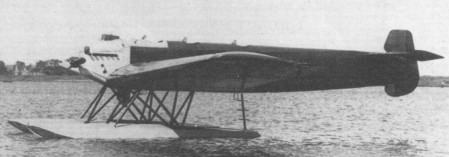
In 1926 Fokker built another flying boat, the B.III long range reconnaissance aircraft. However, it was not succesful. Even after installing a cabin to adapt it for civil use, he was unable to find a buyer.
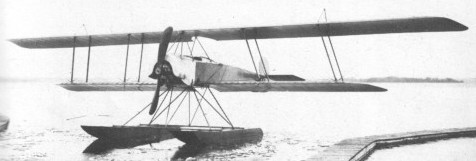
The light B.II reconnaissance seaplane made its maiden flight on December 15th, 1923. With its Rolls-Royce Eagle VIII engine of 360 hp a cruising speed of 175 kph was reached. The B.II could be operated from warships, and one example was tested by the Naval Air Service.
With a crew of three and a 400 h.p Liberty engine the speed was 152 kph and the range 650km. Three T.IIs on wooden floats were delivered to the US Navy.
The W.3 floatplane, which appeared in March 1915, was a modified M.7 with floats originating from the W. 2. After some unsatisfactory trials it was restored to M. 7 configuration.
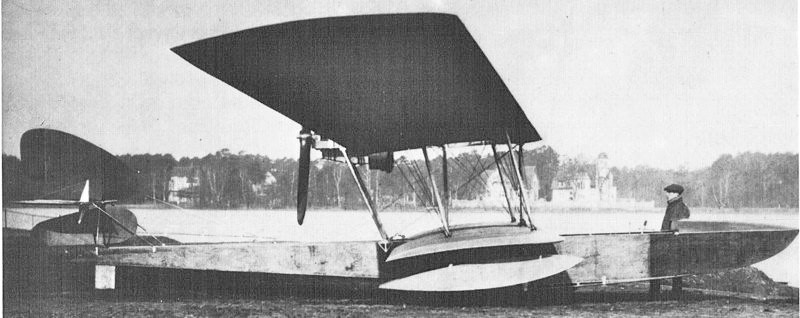
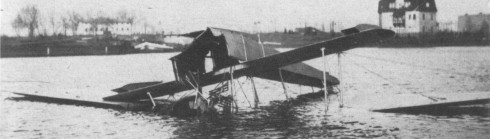
The first Fokker flying boat – identified as the W.1 – dating from February 1913. A characteristic two-seat sesquiplane biplane with a Renault engine of 70 hp fitted in pusher configuration on the top wing. The machine was intended by Fokker to participate in the Monaco seaplane contest of 1913. During an early test flight the W.1 crashed in the water being completely destroyed, with Fokker and his mechanic narrowly escaping. Fokker never turned to flying boats during WW1 again.
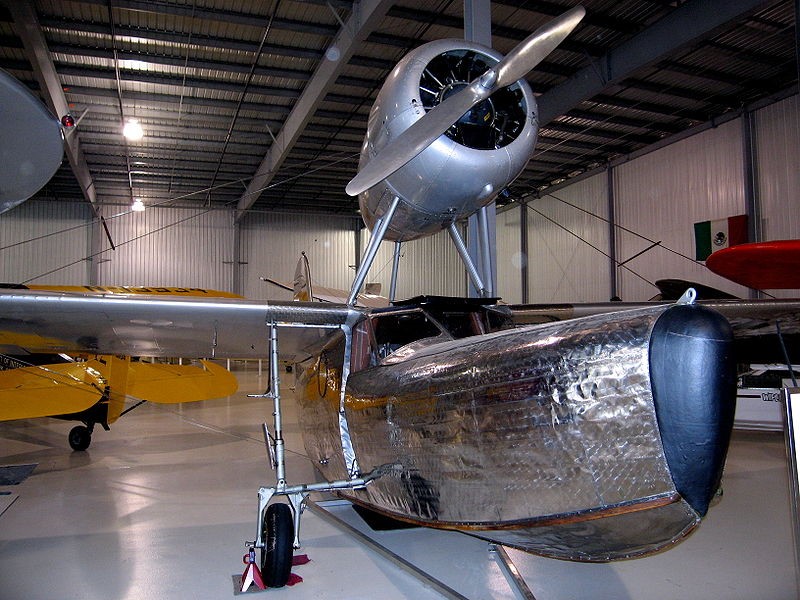
F-401 prototype, Golden Wings Museum, Blaine, Minnesota
The Sea Bird was an amphibious utility aircraft designed in 1934–1935 by James C. Reddig for Fleetwings, Inc., of Bristol, Pennsylvania. While the aircraft’s basic configuration had a precedent in the design of the Loening “Monoduck” developed by the Grover Loening Aircraft Company as a personal aircraft for Mr. Loening (for whom Reddig worked from 1929 to 1933), the Sea Bird was unusual because of its construction from spot-welded stainless steel. It was a high-wing, wire-braced monoplane with its engine housed in a nacelle mounted above the wings on struts.
The pilot and passengers sat in a fully enclosed cabin.
First flying in 1936, Fleetwings initially planned to manufacture 50 production units, but at a price approaching $25,000 during the Depression, there proved to be no sustainable market and only five production F.5 Seabird were built.
The Sea Bird found use with private pilot owners and saw service with the oil support industry in Louisiana, including operation by J. Ray McDermott & Co.
Powerplant: 1 × Jacobs L-5, 285 hp (213 kW) Wingspan: 40 ft 6 in (12.34 m) Wing area: 235 sq ft (21.8 m2) Length: 31 ft 5 in (9.58 m) Height: 12 ft 6 in (3.81 m) Empty weight: 2,320 lb (1,052 kg) Gross weight: 3,450 lb (1,565 kg) Fuel capacity: 52 US gal (43 imp gal; 200 L) Maximum speed: 150 mph (240 km/h, 130 kn) at sea level Cruise speed: 133 mph (214 km/h, 116 kn) Range: 400 mi (640 km, 350 nmi) Service ceiling: 15,000 ft (4,600 m) Rate of climb: 900 ft/min (4.6 m/s) Crew: 1 Capacity: 3 passengers

 All Aero