A concept carried forward from Bell’s 1902 kite designs, the 1907 kite-glider Cygnet I, was towed by a motorboat to an altitude of 168′ (p: T Selfridge), but was destroyed in landing on the water.
As Cygnet II, it was modified with tricycle gear, 26’4″ span, and an 8-cylinder Curtiss motor, with no success.
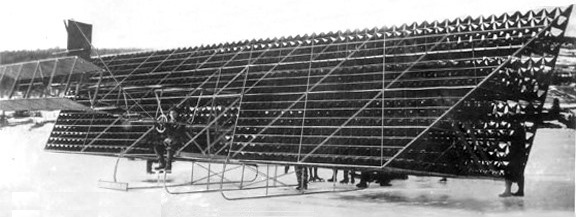
The 1909 Aerodrome #5 / Cygnet was designed by Alexander G Bell, it was a “flying wall” on skids with a huge frontal surface composed of 360 tetrahedral cells arranged in a rectangular wing form, and with the pilot perched well out in front on skids. Tested at Baddeck, Nova Scotia, on 22 and 24 February 1909, it failed to fly.
It did finally fly, as Cygnet III, with 70hp Gnôme rotary to help overcome its frontal mass, from ice-covered Lake Bras d’Or, Nova Scotia, on 1 March 1912, attaining 43mph (p: J McCurdy).
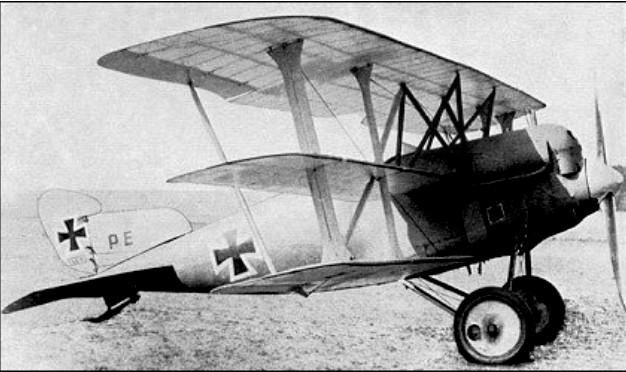
The AEG PE (Panzer-Einsitzer) was a single seat armoured ground-attack triplane aircraft. The PE featured an armoured fuselage of light alloy construction; fabric covered flying surfaces with dural tubular wing spars. First flying in March 1918 the PE was easy to fly but suffered from poor stability and considered inadequate for fighter versus fighter combat.
Engine: 1 x 195hp Benz Bz IIIb Wingspan: 11.20 m / 37 ft 9 in Length: 6.60 m / 22 ft 8 in Height: 2.48 m / 8 ft 2 in Wing area: 31.60 sq.m / 340.14 sq ft Max take-off weight: 1412 kg / 3113 lb Empty weight: 1182 kg / 2606 lb Max. speed: 166 km/h / 103 mph Cruise speed: 121 km/h / 75 mph Range: 480 km / 298 miles Armament: 2 x 7.92mm mg Crew: 1
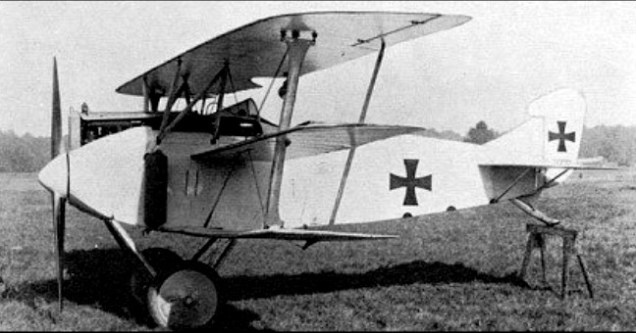
After the capture of a Sopwith Triplane the Germans began a programme of triplane design and development. The AEG version of the concept reached the prototype stage in October 1917 as the Dr.1, essentially a variant of the D.I. This mated a triplane wing to the D.Is fuselage, tail surfaces, engine and armament. Flight testing revealed poor performance and handling characteristics and further development was abandoned.
Engine: 1 x 160hp Mercedes D.IIIa Wingspan: 9.40 m / 31 ft 10 in Length: 20 ft 0.5 in / 6.1m Max take-off weight: 970 kg / 2138 lb Empty weight: 710 kg / 1565 lb Max. speed: 170 km/h / 106 mph Cruise speed: 148 km/h / 92 mph Armament: 2 x 7.92mm mg
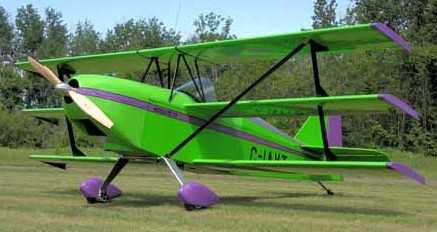
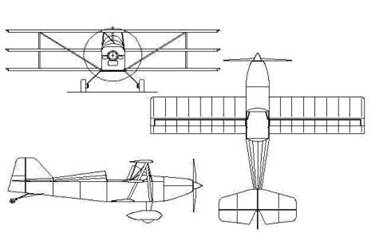
A modern LSA triplane built using technology and engines from the ultralight industry, the Acrolite 1T is a strut braced, single place light sport triplane. Construction is of welded steel tube fuselage, riveted aluminum tube tail group, full sheeted box spar wing. The high aspect ratio of the wings allows an excellent rate of climb and a good glide ratio if the wing interference drag can be reduced, and give high roll rate from the short span wings. By utilizing a modern airfoil, narrow wing chord, lots of wing stagger and properly shaped wingtips the interference drag and the tip loss is reduced. The “quick build” wings use common wood working tools and full size patterns for all the fittings, controls, ribs, panels and bulkheads are supplied. The Triplane construction is identical to the 1B biplane except that on the prototype we used a fiberglas skin for the wings instead of plywood. This gave a much smoother surface to the wing than the plywood. The wings for the triplane are made with a wooden frame and covered with fiberglass or plywood. The remainder of the construction methods are the same as the biplanes. The aircraft accelerates and lifts off the ground very quickly and climbout is exceptional. With the ailerons on only the center wing the roll rate is still adequate. Compared to the biplanes aileron response is just a bit slow initially but once it starts moving it is quite good. It does not roll as fast as the biplanes but the turning radius is a lot smaller. The stall is more pronounced in the triplane and unlike the biplane that will fly itself out of a stall even with full back stick, the triplane requires proper stall recovery technique. In a 1000 ft climb out contest with the 80 hp biplane the triplane lagged only slightly behind. A full throttle, level flight, speed run showed 115 mph indicated at 6800 rpm. Visibility is very good, especially on approach and it feels easier to land than the biplanes because it does not seem to float as much at touchdown. Rudder authority is very good and it will make a flat turn. Flight testing was completed and the construction drawings and builders manual were completed and made available.
Engine: Rotax 582, 65 hp Reduction: 2.58 to 1 Propeller: 64 x 48 Airfoil: GA30U-211 Wingspan: 18 ft. x 3 Wing area: 111 sq.ft Aspect ratio: 20.8 to 1 Length: 15.5 ft Height: 6 ft Fuel capacity: 8 gal U.S. Wheel & tire size: 500 x 5 Empty weight: 450 lb Gross weight: 720 lb Span loading: 13.3.0 lb/ft Wing loading: 6.5 lb./sq.ft Power loading: 10.8 lb/bhp Power off stall speed: 44 mph Power on stall speed: 40 mph Landing speed: 55 mph Maneuvering speed: 76 mph Maximum level speed: 110 mph Never exceed speed: 130 mph Cruise speed: 93 mph Best glide speed: 65 mph Best rate of climb: 1085 fpm Best climb rate speed: 75 mph Range: 250 sm Take off distance: 500 ft Landing distance: 500 ft Cockpit width: 24 in
Engine: Rotax 503, 50 hp Reduction: 2.58 to 1 Propeller: 62 x 43 Airfoil: GA30U-211 Wingspan: 18 ft. x 3 Wing area: 111 sq.ft Aspect ratio: 20.8 to 1 Length: 15.5 ft Height: 6 ft Fuel capacity: 8 gal U.S. Wheel & tire size: 500 x 5 Empty weight: 450 lb Gross weight: 720 lb Span loading: 13.3.0 lb/ft Wing loading: 6.5 lb./sq.ft Power loading: 14 lb/bhp Power off stall speed: 44 mph Power on stall speed: 40 mph Landing speed: 55 mph Maneuvering speed: 76 mph Maximum level speed: 100 mph Never exceed speed: 130 mph Cruise speed: 85 mph Best glide speed: 65 mph Best rate of climb: 744 fpm Best climb rate speed: 70 mph Range: 250 sm Take off distance: 550 ft Landing distance: 500 ft
Engine: Rotax 582, 65 hp Reduction: 2.58 to 1 Propeller: 64 x 48 Airfoil: GA30U-211 Wingspan: 18 ft. x 3 Wing area: 111 sq.ft Aspect ratio: 20.8 to 1 Length: 15.5 ft Height: 6 ft Fuel capacity: 8 gal U.S. Wheel & tire size: 500 x 5 Empty weight: 450 lb Gross weight: 720 lb Span loading: 13.3.0 lb/ft Wing loading: 6.5 lb./sq.ft Power loading: 10.8 lb/bhp Power off stall speed: 44 mph Power on stall speed: 40 mph Landing speed: 55 mph Maneuvering speed: 76 mph Maximum level speed: 110 mph Never exceed speed: 130 mph Cruise speed: 93 mph Best glide speed: 65 mph Best rate of climb: 1085 fpm Best climb rate speed: 75 mph Range: 250 sm Take off distance: 500 ft Landing distance: 500 ft
 All Aero