Formed originally by Blohm und Voss in 1933. Aircraft production resumed 1956 with license manufacture of Nord Noratlas for Luftwaffe. Co-operated in license-production of Luftwaffe Lockheed F-104Gs and assisted with design work of Fokker F28 and Dornier Do 31E V/STOL project. HFB 320 Hansa Jet 6/11 -seat business jet first flew 1964.
Merged with Messerschmitt-Bolkow in 1969 to form MBB.
Aircraft
Halton Man Powered Aircraft Group Jupiter
The Halton Man Powered Aircraft Group at No.1 School of Technical Training, RAF Halton, built the Jupiter man-powered aircraft using the remains of the Woodford MPAG’s machine.
It retained much of the Woodford aircraft’s general appearance.
Jupiter first flew from RAF Benson on 19 March 1972. On 29 June 1972 managed to fly 1171 yards.
Halton Aero Club HAC.II Minus

By 1928 the Halton Aero Club HAC.1 Mayfly had been converted from a biplane to a parasol monoplane and was renamed the Halton HAC.2 Minus. The lower wings were donated to the Clark Cheetah G-AAJK. There were other minor changes.
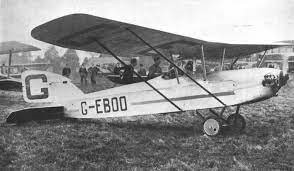
It was used again for air racing, being entered in the 1928 and 1928 King’s Cup Races.
The aircraft was dismantled at Halton in 1930.
Powerplant: 1 × Bristol Cherub III, 32 hp (24 kW)
Wingspan: 28 ft 6 in (8.69 m)
Lower wingspan: 22 ft 0 in (6.71 m)
Length: 22 ft 0 in (6.71 m)
Crew: one
Halton Aero Club HAC.1 Mayfly
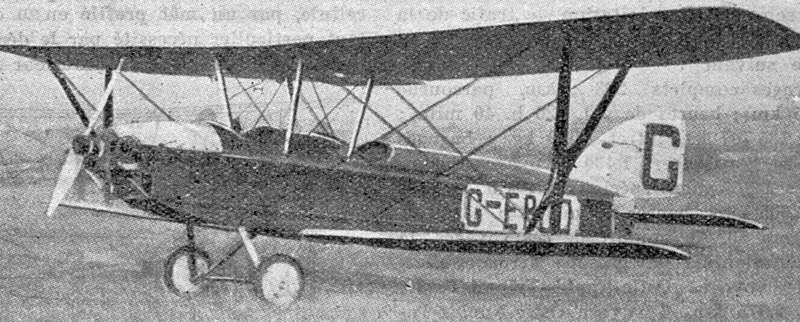
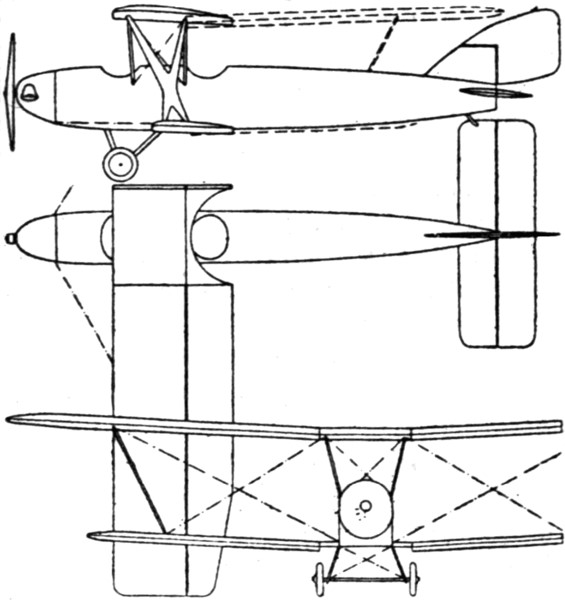
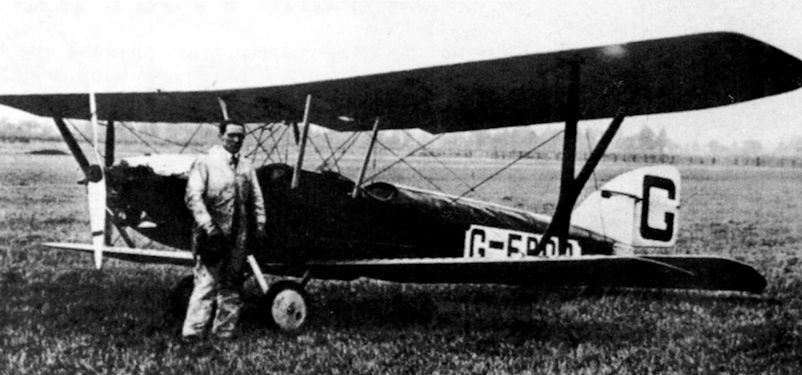
The Halton Mayfly was a British two-seat biplane designed by C.H. Latimer-Needham and built by the Halton Aero Club between 1926 and 1927.
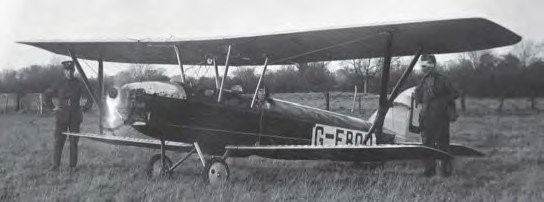
Registered G-EBOO and named the HAC.1 Mayfly it first flew on 31 January 1927.
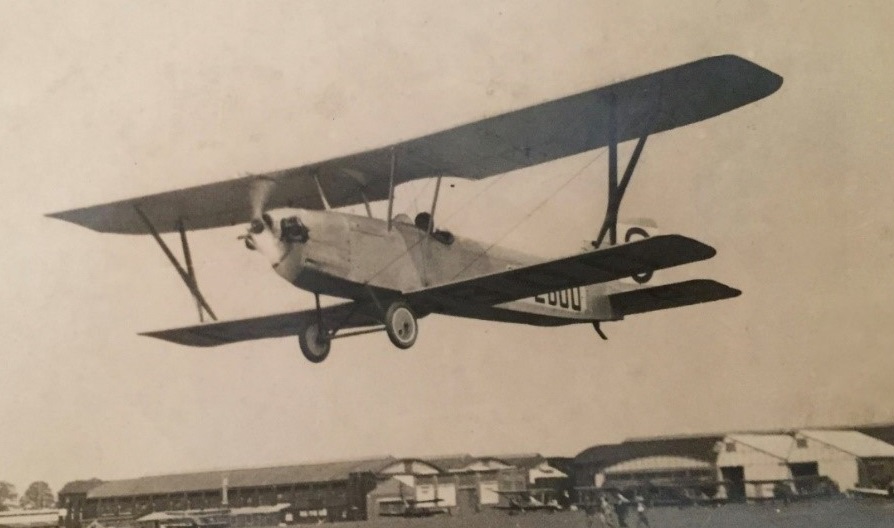
It was converted to a single-seater and was flown in a number of air races including the King’s Cup Race. It was entered in the 1926 Lympne light aircraft trials as No. 8 but failed to arrive in time for the elimination trials.
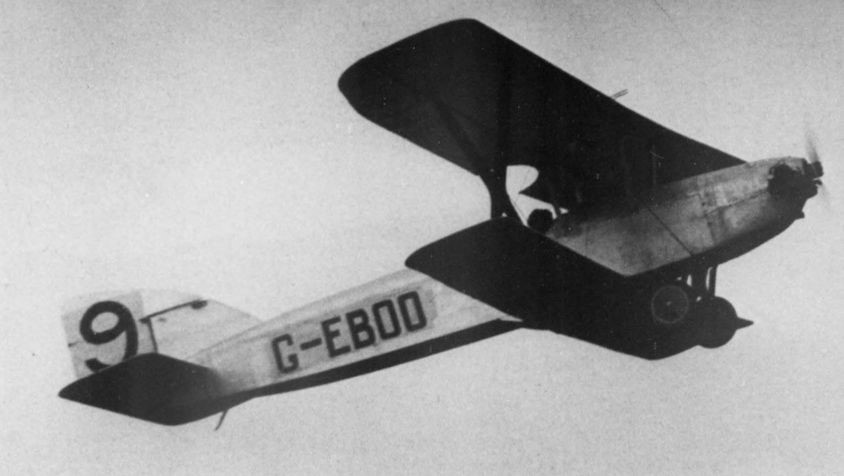
By 1928 the aircraft had been converted from a biplane to a parasol monoplane and was renamed the Halton HAC.2 Minus. The lower wings were donated to the Clark Cheetah G-AAJK.
Powerplant: 1 × Bristol Cherub III, 32 hp (24 kW)
Upper wingspan: 28 ft 6 in (8.69 m)
Lower wingspan: 22 ft 0 in (6.71 m)
Wing area: 195 sq ft (18.1 m2)
Length: 22 ft 0 in (6.71 m)
Empty weight: 480 lb (218 kg)
Gross weight: 920 lb (417 kg)
Maximum speed: 83.5 mph (134.4 km/h, 72.6 kn)
Cruise speed: 75 mph (121 km/h, 65 kn)
Crew: one / two
Halsmer Aero Car

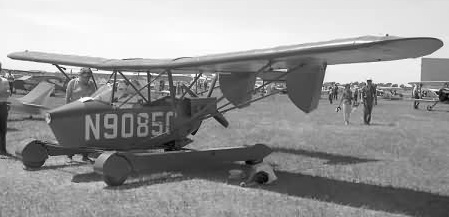
The Aero Car N9085C was built in 1959 by Joseph L. Halsmer of Lafayette, Indiana was one of the numerous attempts at building a roadable aircraft.
Airline captain Helsmer built this machine over a two-year period for $2,300. N9085C was later converted into single-engine Aero Car 3. Halsmer also built a high-wing two-seater with a uni-twin arrangement of two 65hp engines driving two counter-rotating props, registered N12043.

The Aero Car was a high-wing monoplane with two engines in a tractor-pusher configuration, a tri-cycle gear and tail booms. Helsmer built this machine over a two-year period, and later converted into the single-engine pusher Aero Car 3 presented in 1963 powered by a Continental C-85-12 engine.
Halsmer, Joseph L.
Joseph L. Halsmer of Lafayette, Indiana was one of the numerous attempts at building a roadable aircraft,
Halsmer was a Seaboard World Airlines captain and father of 11 children, who built various Aero Car circa 1959.
Halsmer built a high-wing two-seater N12043 (possibly the Aero Car 2) with a uni-twin arrangement of two 65 hp engines driving two counter-rotating props.
Hall Cherokee II
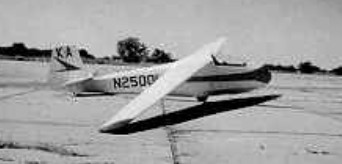
The Cherokee II, designed by Stanley Hall, was introduced in 1956 specifically for amateur construction from plans. The entire wood airframe is covered in fabric. Upper surface spoilers control the glidepath, and the landing gear is fixed. Many examples vary in detail. L/D max. 23. The design was further developed by several builders including the Cherokee RM by Terry Miller and John Ree with a 13.4 m. / 44 ft. span wing with NACA 64(3)-618 airfoil which increased L/D max. to about 28, and the 15 m. Leonard Annebula which has Prue type trailling edge airbrakes and a claimed L/D max. of 31.
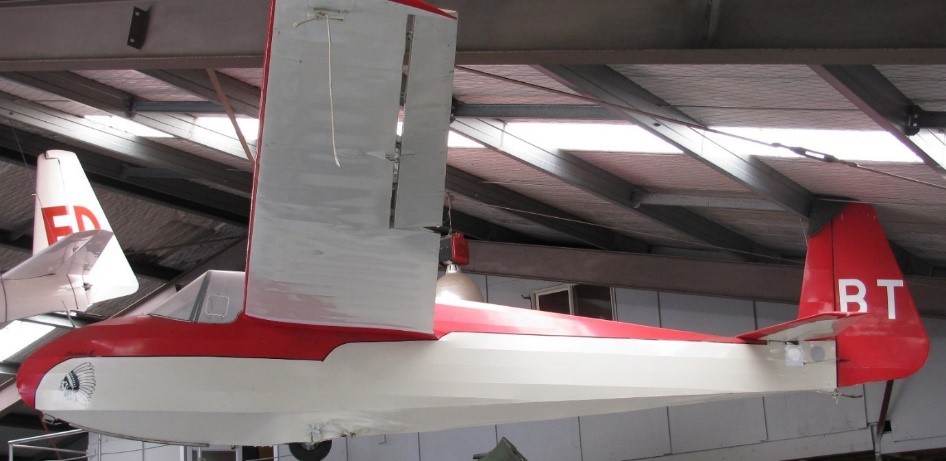
Plans are available only as secondhand now.
A Cherokee RM belongs to the National Soaring Museum.
The Flagor/Hall powered version of a Hall Cherokee II single seater sailplane was produced by Mr Ken Flaglor of Northbrook, Illinois, who fitted the Cherokee II he had built from plans some years before with two 10hp West Bend Model 82001-1 and Model 82002-1 Power Bee go-kart engines. These were mounted on pylons each side of the fuselage under the wings, and drove opposite-rotating Troyer wooden pusher propellers of 2 ft 0 in diameter; the fuel capacity was 2 US gallons. The first flight of Mr Flaglor’s powered Cherokee II, registered N12042, was made in June 1964. The basic Cherokee II is a shoulder wing single seater of conventional wood and fabric construction, plans of which were marketed by its designer, Mr Stanley A. Hall.
Wing span: 12.19m / 40ft
Wing area: 11.61sq.m / 125sq.ft
Empty Weight: 154kg / 340lb
Payload: 86kg / 190lb
Gross Weight: 240kg / 530lb
Wing Load: 20.3kg/sq.m / 4.23lb/sq.ft
Aspect ratio: 12.8
Airfoil: Go 549
MinSink: 0.82 m/s / 2.7 fps / 1.59 kt
No. of Seats: 1
L/DMax: 23 @ 74 kph / 36 kt / 46 mph
No. Built: 80
Structure: wood/fabric; 2-spar wing
Flagor/Hall Cherokee II
Engines: 2 x 10hp West Bend Model 82001-1 and Model 82002-1 Power Bee
Propellers: 2 x Troyer wooden 2 ft 0 in diameter
Span: 40 ft 0 in
Length: 21 ft 6 in
Wing area: 125 sqft
Aspect ratio: 12.8
Empty weight: 375 lb
Max weight: 580 1b
Fuel capacity: 2 US gallons
Max level speed: 72 mph (power on)
Cruising speed: 60 mph (power on)
Min sinking speed: 4 ft/sec (unpowered)
Best glide ratio: 16.5:1 at4 5mph (unpowered)
Take-off run: 900 ft
Endurance: 1 hour (power on)
Hall QuadraPlane
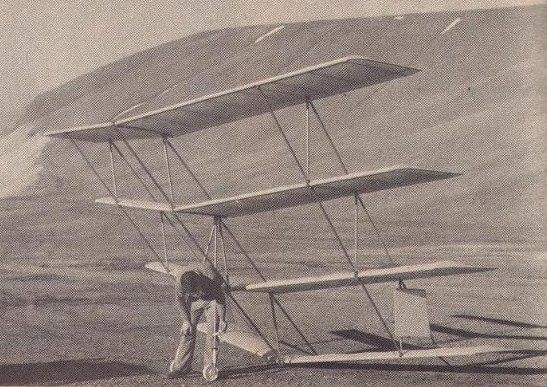
In the late 1970s, an American hang-glider enthusiast called Larry Hall used the Sellers Quadruplane as the basis for his own hang-glider design. The design goal was to fly a human pilot using super-efficient RC sailplane wings, with enough wings (stacked) to keep airspeeds low and provide good soaring ability.
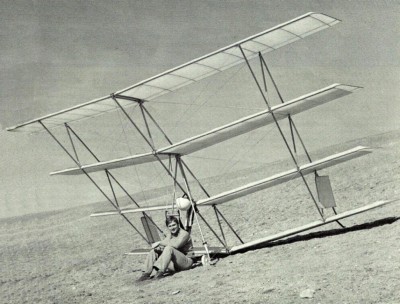
Each wing panel of the QuadraPlane was separate, so setup/teardown always looked like a yard sale in progress. Each wing panel had 1.5 degrees more positive incidence than the wing below, for a total of 4.5 degrees between the top and bottom wings. This was done to provide an automatic dive recovery system, even though no reflexed airfoils were used. This increasing wing incidence, and the forward stagger of the upper wings, assured that they made more lift than the lower (rearward) wings, in a dive, and that would bring the glider back to normal flight modes, very quickly. Back in the day, a hang glider with an automatic dive recovery system was a rare bird.
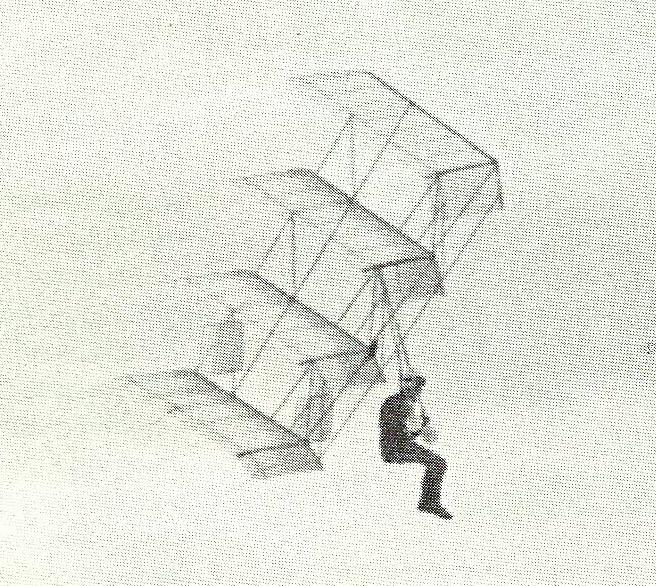
The QuadraPlane had no tail surfaces. Steering was done by cables to the tip drag rudders, and they were very effective. The short wingspan meant that the QuadraPlane could turn in very small circles, and do it very well.
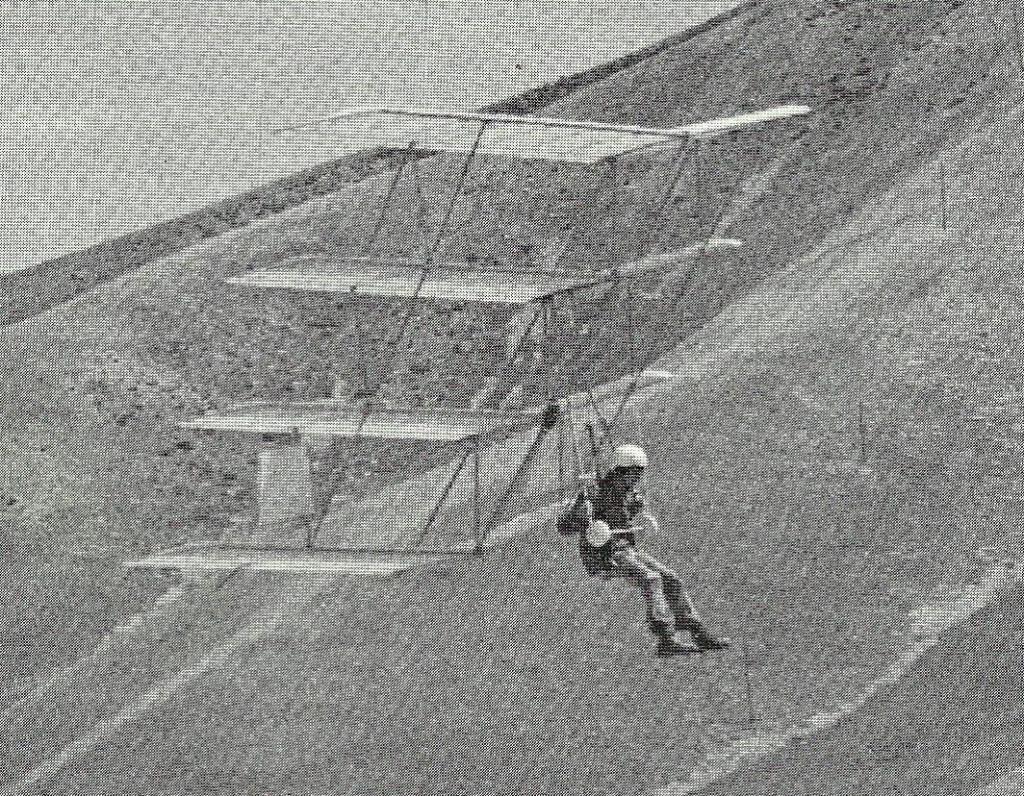
The pilot sat in a “swing seat” harness, with the pilot’s waist just below the triangle control-bar (where the wheels are). The glider was foot-launched, like any hang glider. In flight, the pilot had an amazing view, being far in front of the lower wings.
The QuadraPlane is now stored in the rafters of a hangar at the Morgan, Utah airstrip.
Spans from top:
20′ 10″; 19′ 10″; 18′ 10″; 17′ 10″
Chord 2′ 6″
Wing Area 185 sq.ft
Dihedral 6 degrees
Weight Approx. 65 lbs.
Stagger 45 degrees
Sweep 10 degrees
Airfoil Similar to Icarus II without reflex
Rudder Area 2.36 sq.ft each
Overall height 10 ft
Hall XP2H-1
In 1936 Hall flew the XP2H-1 four-engined patrol bomber, largest American-built flying-boat at that time.
Hall PH-1 / PH-2 / PH-3
The twin-engined Hall PH-1 was superseded by PH-2 and PH-3 variants which served in small numbers with the U.S. Coast Guard during the Second World War.

