Yugoslavia Formed at Novi Sad in 1923, Ikarus was one of the country’s largest aircraft manufacturers. Initial production centered on a number of S.M. training flying-boats, followed by a military type I.O. In 1926 the company acquired a license to build the Potez 25 biplane, and established a new factory at Zemun for its production.
Four out of five Yugoslav aircraft plants were in close proximity to each other, built in and around Belgrade: Ikarus, Rogožarski, Zmaj and Utva. The fifth one was DFA (Državna Fabrika Aviona – State Aircraft Factory) which was located in Kraljevo.
The production facilities of Ikarus were destroyed in World War Two but rebuilt in 1946 and soon nationalised by the new Tito lead Yugoslav communist government.
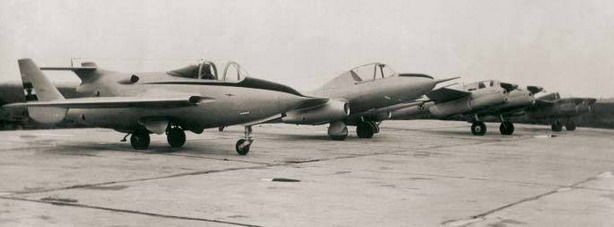
In the early 1950’s Ikarus continued to develop a number of experimental research aircraft protoypes. These included a number of early jet aircraft under the Ikarus 451 designation a number which all featured the same basic airframe of the piston engined S-451 but all served different purposes in testing and evaluation. The 451 designated jet aircraft included the first jet designed and built in Yugoslavia (S-451M), a more advanced jet design (S-451M Zolja), a close support military jet development (J-451MM Stršljen) and jet training aircraft (S-451MM / T-451MM).
Ikarus experimented with further jet designs in the early 1950’s. The Ikarus 452M and 453 aircraft were both unconventional designs that were briefly used for flight testing
Ikarus 451 experimental research aircraft at the Yugoslav Aeronautical Testing Centre in the 1950’s – Ikarus 452M, S-451M, S-451 and 232 Pionir
None of the Ikarus experimental aircraft went into wide production but they did provide a stepping stone for future aviation technology development in Yugoslavia. By the early 1960’s aircraft development ceased at Ikarus and had been taken over by Soko based in Mostar, Bosnia-Herzegovina (Ikarus manufacturing buses).
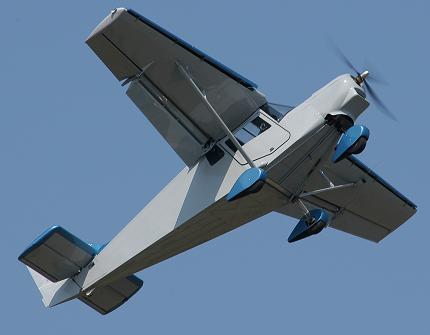
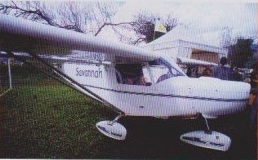
Savannah is a modified copy of the Zenith Zodiac CH-701 STOL aircraft. I.C.P. srl was once a distributor of the Zenith STOL CH-701. I.C.P. was established in 1980 to produce accessories for the automotive sector. At the beginning of the 1990s, I.C.P. began production of UL aircraft, in collaboration with Agrocopteros of Colombia, including models such as the MXP-740, the MXP-740 Savannah, the MXP-640 Amigo and the MXP-650 Amigo. The Savannah has evolved into the Savannah Turbo, Hydro, ADV, VG (Vortex Generator) and the new Savannah XL which features a wider and more comfortable cabin. A light-weight Savannah is the Bingo, offered with different power units. On 12 September 2009, I.C.P. opened its new factory at Castelnuovo Don Bosco (Province of Asti) in Italy.
The Savannah is an evolved version of the Zenith/Zenair STOL CH701 built by the Italian ICP Company (a one time distributor of the CH701). Some differences include a raised cabin the CH701 has the tapered wing roots, the ICP does not and there are also changes to the tailplane. The NZ MCTOW is 544 kg, as against 520 kg in Australia and the US. It is fitted with two 40 litre wing fuel tanks and burns around 15 litres an hour. Power on stall (without flaps) occurs at about 13 kts and the Savannah will cruise at 85 kts. Newer models have progressive modifications including long-¬range tanks and manual slats, additional avionics, electrics and a Rotax 912ULS with a DUC three blade propeller.
The Savannah is an ultralight STOL aircraft (short takeoff and landing) with two side-by-side seats, single high wing, tricycle landing gear and full metal (alluminium) construction. It shares the same structure of the Bingo, differing just in some minor details, the engines mounted and the equipment.
The Savannah ADV tapered wing with reduced surface has a NACA 2315 profile. In substance, a fast wing that seems to clash with the squared and simple fuselage of the Savannah, and its STOL performance. The stall speed at a MTOW of 560 Kg, in clean configuration, is up to 49 kts and has achieved 44 kts during test. In front, the slats run on linear guides and perfectly re-enter in the leading edge profile, keeping it clean. At the trailing edge are two big flaps with high full deflection angle and another slotted winglet extending for the whole leading edge of the flap itself.
Activation of the flap is by a single electrical control, therefore, for every degree of flaps deflection there is a defined extension of the front slats. The pilot has just one switch to operate and the whole mechanism is automatic. This made it possible to establish the optimal settings during the testing phase, thus avoiding potentially dangerous “personal interpretations” by the pilots and making the airplane safe and simple to manage. So, a single switch activates the four moving surfaces and their position is indicated by a pin moving along an arch drawn out at the root of the right wing, where the electric motor and the mechanical activation system is embedded, but still in sight. The regulation is continuous and in case of emergency a little winch is provided to be connected to the electric motor shaft with a cotter pin. The production aircraft were to be fitted with a permanent winch connected to the motor shaft, in order to allow for immediate activation in case of electrical failure.
Savannah Bingo 4S
The Bingo is an ultralight STOL (short take off and landing) aircraft with side-by-side seats, single high wing, tricycle landing gear, metal construction. It has the same structure as the Savannah, differing just in some minor detials, the engine mounts, cowlings, and equipment.
All models are LSA.
Formerly known in the U.S. as the Skykits Savannah line, Italian maker I.C.P. became represented in the US by ICP Aviation in 2012 and included a tail-dragger version (model “T”) of the all-metal Savannah S-LSA. Twenty-nine of the tricycle-gear S model are registered in the U.S. in 2012. The STOL-capable S-LSA has a high-lift airfoil, Junkers-style flaperons, all-window doors and a true STOL stall speed of 26 knots. S model price 2012: $71,950; T model price 2012: $74,950.
Savannah
Variation: Agrocopteros MXP-740
Specifications:
Savannah Stall: 24 kt / 28 mph / 45 kmh Cruise: 76 kt / 87 mph / 140 kmh VNE: 86 kt / 99 mph / 160 kmh Empty Weight: 272 kg / 600 lbs MTOW Weight: 450 kg / 992 lbs Climb Ratio: 1000 ft/min / 5 m/s Glide Ratio: 12:1 Take-off distance (50ft obstacle): 330 ft / 100 m Landing distance (50ft obstacle): 440 ft / 135 m
Savannah (jabiru) Stall: 23 kt / 26 mph / 43 kmh Cruise: 70 kt / 81 mph / 130 kmh VNE: 109 kt / 125 mph / 202 kmh Empty Weight: 278 kg / 613 lbs MTOW Weight: 450 kg / 992 lbs Climb Ratio: 750 ft/min / 4 m/s Take-off distance (50ft obstacle): 260 ft / 80 m Landing distance (50ft obstacle): 260 ft / 80 m 2009 Price: 25000 EURO
Savannah Engine: Rotax 912S, 100 hp HP range: 80-120 Length: 21.3 ft / 6.1 m Height: 2.10 m Wing span: 29.3 ft / 9m Wing area: 142 sq.ft / 12,96 sq.m Wing chord: 144 cm Aspect ratio: 6,3 Empty weight: 635 lb / 272 Kg Gross weight: 1234 lb / 560 Kg Fuel capacity: 21 USG / 80 lt Wing load: 35 kg/sq.m Max. speed: 87 – 95 kt Vne: 108 kt Cruising speed: 78 – 84 kt Stall: 28 mph / 23 kt Approach speed: 31 kt Manoeuvre speed: 74 kt Range: 460 sm / 800 km Rate of climb: 1300 fpm Takeoff dist: 90 ft Landing dist: 160 ft Cockpit width: 41 in Undercarriage: nose wheel Wheels: 4×8″ Loading factor: +6/-4g Fuel consumption 75%: 12 – 14 lt/h Seating: 2, side by side Flaperons 0-20-40°
Savannah ADV Engine: Rotax 912S, 100 hp HP range: 80-120 Length: 21.3 ft Wing span: 26.3 ft / 8 m Wing area: 102 sq.ft / 9.4 sq/m Wing cord at root: 1.5m Wing cord at tip: 0.75m Empty weight: 654 lb Gross weight: 1234 lb Fuel capacity: 21 USG Maximum speed: 112 kts Cruise: 115 mph / 100 kts Stall speed clean: 43 kts Stall speed flaps: 30 kts Range: 510 sm Climb rate: 1200 fpm at 52 kts Takeoff dist: 110 ft / 35 m Landing dist: 160 ft Cockpit width: 41 in Seats: 2 Cockpit width: 41 in Load factor: +6 -3 g
Savannah Bingo 4S Engine: HKS 700E, 60 hp Length: 21.3 ft / 6.1 m Height: 2.45m Wing span: 29.5 ft Wing area: 140 sq.ft Empty weight: 610 lb / 255 kg Gross weight: 1234 lb Fuel capacity: 21 USG Cruise: 75 mph / 65 kt Stall: 28 mph / 25 kt Max speed: 73 kt Range: 460 sm Range with reserve: 880 km Rate of climb: 680 fpm Takeoff dist: 160 ft / 50 m Landing dist: 230 ft / 70 m Cockpit width: 41 in Landing gear: Nose fixed Wheel track: 1.7m Seats: 2 Fuel consumption: 10 lt/hr
Savannah Bingo 4S Engine: Rotax 503 Wing span: 9m Wheel track: 1.7m Empty weight: 245 kg Stall speed: 25 kt Cruise speed: 60 kt Max speed: 70 kt Take off run: 50 m Landing roll: 70 m Climb rate: 480 fpm Fuel consumption: 15 lt/hr Range with res: 520 km MTOW: 450kg Wing span: 9m Wheel track: 1.7m Length: 6.1m Height: 2.45m
Savannah Bingo 4S Engine: Rotax 582 Wing span: 9m Wheel track: 1.7m Empty weight: 250 kg Stall speed: 25 kt Cruise speed: 65 kt Max speed: 73 kt Take off run: 50 m Landing roll: 70 m Climb rate: 840 fpm Fuel consumption: 20 lt/hr Range with res: 410 km MTOW: 450kg Wing span: 9m Wheel track: 1.7m Length: 6.1m Height: 2.45m
Savannah Bingo 4S Engine: Victor 2 Empty weight: 250 kg Stall speed: 25 kt Cruise speed: 70 kt Max speed: 70 kt Take off run: 50 m Landing roll: 70 m Climb rate: 840 fpm Fuel consumption: 18 lt/hr Range with res: 500 km MTOW: 450kg Wing span: 9m Wheel track: 1.7m Length: 6.1m Height: 2.45m
Savannah Bingo 4S Engine: HKS Turbo Wing span: 9m Wheel track: 1.7m Length: 6.1m Height: 2.45m Empty weight: 265 kg Stall speed: 25 kt Cruise speed: 73 kt Max speed: 84 kt Take off run: 35 m Landing roll: 70 m Climb rate: 960 fpm Fuel consumption: 12 lt/hr Range with res: 810 km MTOW: 450kg
Savannah VG Cruise: 100 mph Stall: 30 mph Range: 460 sm Rate of climb: 1300 fpm Takeoff dist: 90 ft Landing dist: 160 ft Engine: Rotax 912S, 100 hp HP range: 80-120 Fuel capacity: 21 USG Empty weight: 645 lb Gross weight: 1234 lb Length: 21.3 ft Wing span: 29.3 ft Wing area: 132 sq.ft Cockpit width: 41 in Landing gear: fixed nose wheel
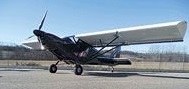
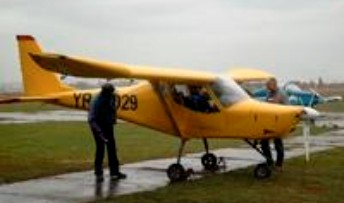
The Rambo is of aluminum construction, steel tube cabin, 118 cm wide. It is fitted with an electric elevator trim, carburator deicing, and cabin vent as standard 2009 Price: 33000 EURO The F99 LSA is a high wing LSA legal craft.
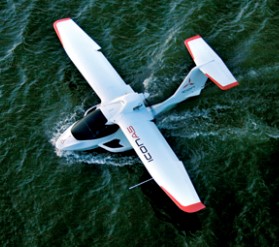
The Icon A5 amphibious LSA was unveiled at a very rock ’n’ roll premiere in Los Angeles in June 2008.
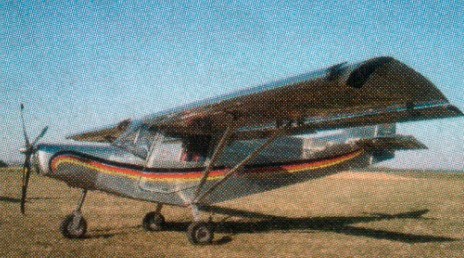
The ICON A5 has two seats and is made mostly of composite materials, with a high wing, T-tail, pusher prop, and tricycle landing gear. It is powered by a Rotax 912 flat-four engine, with hybrid air-water cooling and providing 75 kW (100 HP). All landing gear assemblies have single wheels, the nose gear hinging forward, the main gear retracting into sponsons that also provide flotation stability. Seating is side-by-side, the canopy hinging forward for access. The wings fold back along the rear of the aircraft for ease in handling.
Designed for recreation rather than transport and first flown in July 2008, the A5 is a sport plane available in 2008 for US$139,000.
The A5 received a lot of publicity but no production machine had flown yet.
The long-delayed amphibian could at last be nearing production after wrestling with overweight issues for years. In 2012 the manufacturer awaited FAA’s final decision on whether that agency would allow an additional 250 pounds beyond the LSA amphibious spec of 1,430 pounds or 1,680 pounds MTOW.
Icon’s stated grounds for exception: The extra weight is needed for its spin-resistant wing design. The ruling would only benefit the A5, not any other amphib or float plane.
Engine: Rotax 912, 75 kW Wing span: 10.4m / 34 ft Length: 6.7 m / 22 ft Empty weight: 450 kg / 1,000 lb Max speed: 192 kph Stall: 80 kph
Built in Romania, a 17m sailplane with flaps, semi-retractable undercarriage and all metal construction. First year built 1975. No. of aircraft built to 6/30/81 450. 1982 Standard price $24,900.
Seats: 2. Max useful load: 506 lb. Length: 26.5 ft. Height: 5.9 ft. Wing loading: 6.5 lbs/sq.ft. Wing span: 26.8 ft. Minimum sink: 136 fpm at 43 kts. Wing area: 196.3 sq.ft. Max speed: 143 kts. Wing aspect ratio: 15.8 Stalling speed: 38 kts. Max wt: 1,300 lb. Glide ratio (L/D): 36:1 at 54 kts. Standard empty wt: 794 lb. Rough-air airspeed: 124 kts.
This two-seater design was intended to fill the roles of training, solo flying and aerobactic flying and first flew in prototype form on 14 September 1960, duly going into service with the Romanian gliding clubs. The IS-8 is of very similar plywood- and fabric covered wooden construction to the IS-3, and is characterised by cantilever shoulder wings with a distinctive 7° forward sweep at the 25% chord line,and with a rectangular centre section and tapered outer panels. The wings are all-wood single spar structures with a leading edge torsion box, 70% fabric covered, and the slotted wooden ailerons are plywood- and fabric-covered. The fuselage is a metal and plywood monocoque and has an air brake on each side of it, instead of in the more usual wing mounted position. The wooden tail unit is also ply and fabric-covered and there is an unsprung nonretractable monowheel without a brake, and a rubber-mounted skid. The pilot and pupil sit in tandem under a moulded plastic canopy.
IS-8 Span: 43 ft 9.5 in Length: 24 ft 1.5 in Wing area: 166.3 sqft Aspect ratio: 11.5 Empty weight: 463 lb Max weight: 882 lb Max speed: 112 mph (in smooth air) Max aero-tow speed: 74.5 mph Min sinking speed: 3.22 ft/sec at 43.5 mph Best glide ratio: 23:1 at 53 mph
The ICA-Brasov or Intreprinderea de Constructii Aeronautice Brasov (Aircraft Construction Factory Brasov) is responsible for all sailplane development and production in Romania, and their principal designer is Professor losif Silimon, who has created a long series of sailplanes that are widely used in the national clubs; these are prefixed by the letters ‘IS’ which form the Professor’s initials.
Among the earliest of these was the IS-3D training or Standard Class single-seater, the prototype of which, the IS-3 Traian Vuia, was built in 1956.
This design has a pointed top to the fin and rudder and is fitted with a drogue parachute for deployment in short-field landings. It is of conventional wooden construction with plywood and fabric covering, the single-spar high cantilever wings being plywood-covered from the leading edge to the spar and fabric covered aft of the spar to the trailing edge; there are air brakes in the wing upper and lower surfaces and wing tip ‘salmon’ fairings are fitted. The all-wood fuselage is of oval cross-section and the fin and tailplane are plywood covered, the elevators and rudder being fabric covered; there is a Flettner-type trim tab in the starboard elevator. The landing gear consists of a fixed monowheel forward of the eg with a pneumatic tyre and mechanical brake, and a short nose skid and tailskid. The pilot sits under a large sideways hinging cockpit canopy.
The IS-3D continued in production at Brasov until the early 1970s, being widely used in the Romanian clubs.
IS-3D Span: 50 ft 3.5 in Length: 23 ft 9.5 in Height: 5 ft 3 in Wing area: 164.6 sqft Aspect ratio: 15.30 Empty weight: 485 lb Max weight: 754 lb Max speed: 150 mph Max aero-tow speed: 75 mph Min sinking speed: 2.23 ft/sec at 40 mph Best glide ratio: 28:1 at 46 mph