Mars Skylark

The Philippines can claim south-east Asia’s earliest encounter with manned powered flight, when American aviator James C. “Bud” Mars thrilled spectators in his Skylark pusher biplane (a modified Curtiss design) at the Manila Carnival on February 21, 1911. Mars was part of a Pacific Aviation Exhibition tour organised by fellow American Capt Thomas Baldwin, who followed Mars’s Skylark display at the Carnival with a demonstration of his own Baldwin Red Devil, the pair having arrived with their dismantled aircraft aboard a steamer from Hawaii ten days previously. The exhibition had not gone so well in Hawaii, where the locals had quickly established a principle that has caused headaches for airshow organisers ever since; why pay for a ticket to enter the showground when you can see an air display from any nearby vantage point? The Manila Carnival organisers must have found a way to sidestep this issue, as the pair of aviators made numerous flights during the week-long festival. Baldwin sold his machine before the duo moved on to complete the Pacific tour with visits to Thailand, Hong Kong and Japan.

A replica of the Mars Skylark built by students at the Philippine Air Transport & Training Services College of Aeronautics in 2011 now hangs in the Philippine Air Force Museum at Villamor Air Base near Manila.
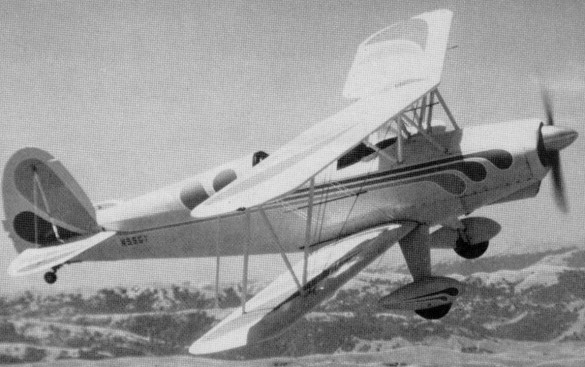
Marquart MA-5 Charger

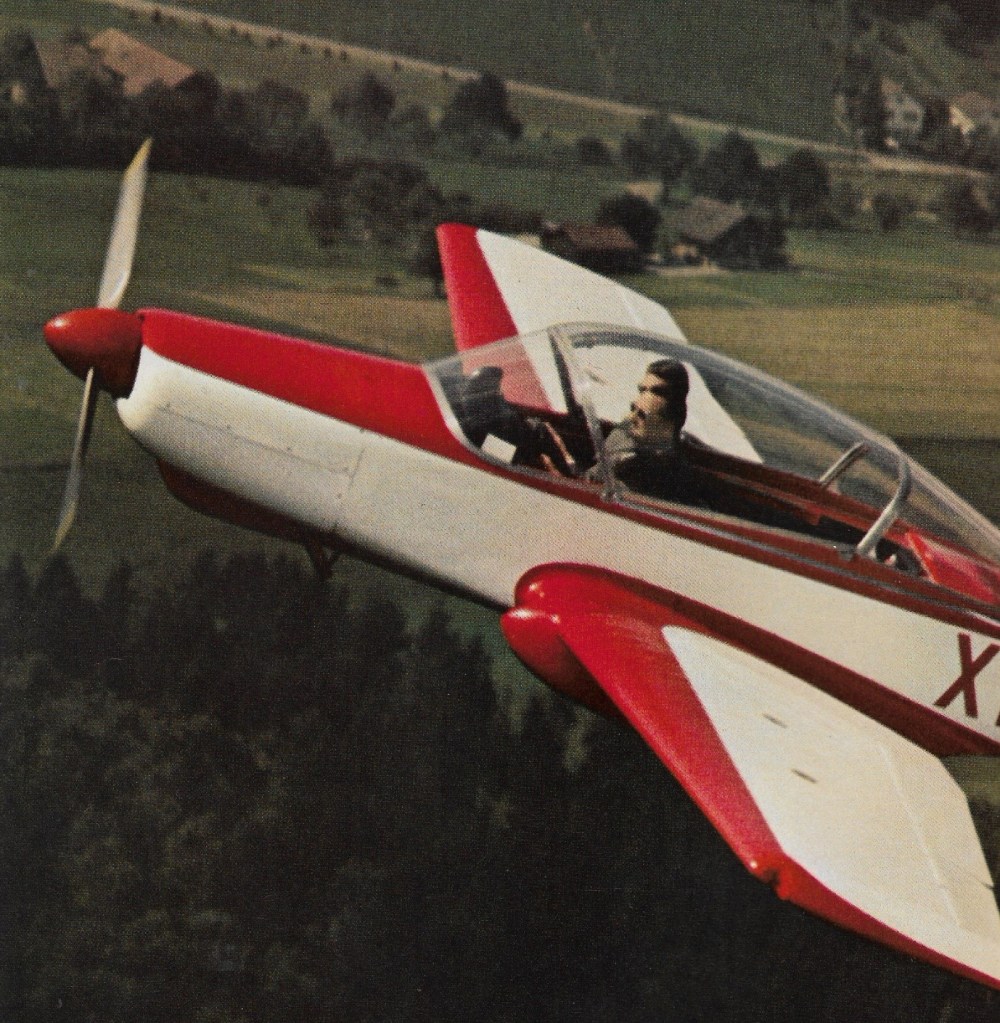
Designed by Ed Marquart and built with Dan Fielder, the Charger first flew in 1970, stressed for +6 to -4.5G’s. Gear tread is 6.5ft, making for easy ground handling. Wings are built around solid spruce spars and trussed spruce ribs, covered with ceconite. Engine 115-116 hp.

Engine: Lycoming O-290 125hp @ 2600rpm.
HP range: 125-180.
Length: 19ft 6in.
Wing area: 176 sq.ft.
Wing span: 24 ft.
Height: 7 ft.
Empty wt: 1000 lbs.
Payload (less std fuel): 438 lbs.
Wheel base: 14ft.
Wheel track: 6 ft.
Baggage cap: 25lbs.
Max level speed: 120mph (approx).
Cruise: 116 mph.
Stall: 45mph.
Best climb rate: 1100 fpm.
Range: 400 sm.
Take-off dist: 600 ft.
Landing dist: 700 ft.
Service ceiling: 13,000 ft.
Gross: 1550 lbs.
Seats: 2.
Landing gear: tail wheel.
Fuel cap: 27 US Gal.

Markwalder Marabu

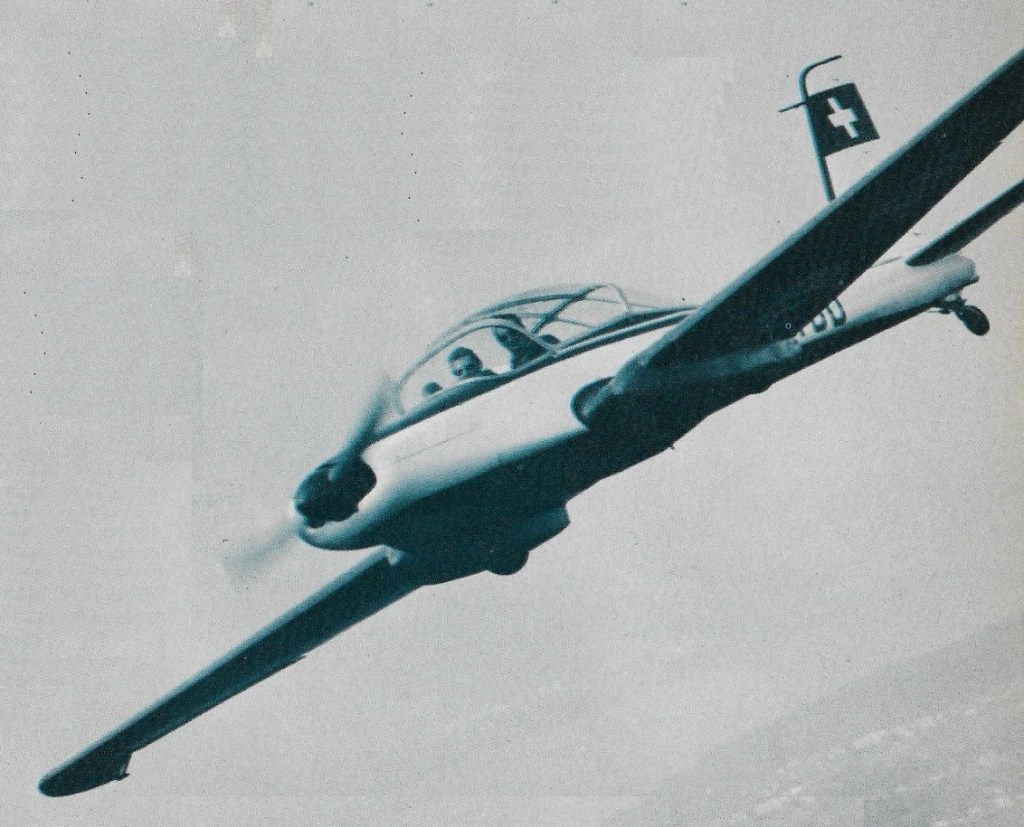
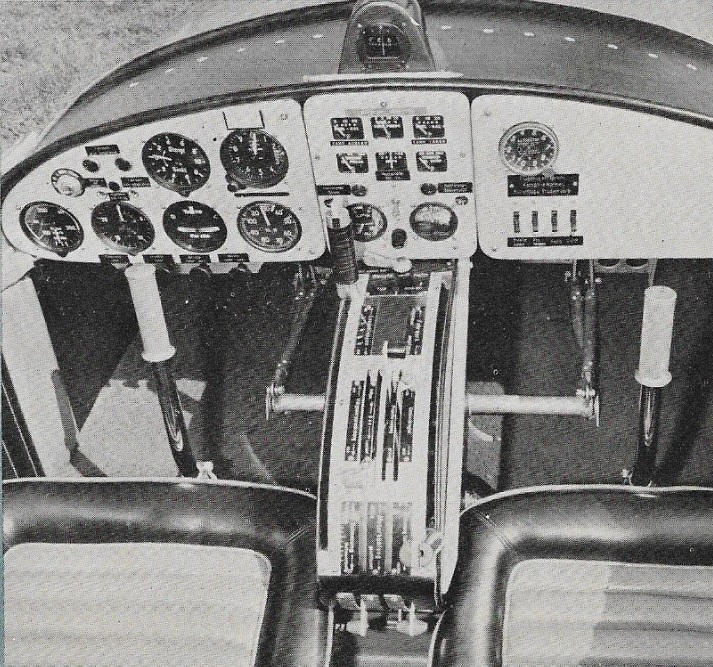
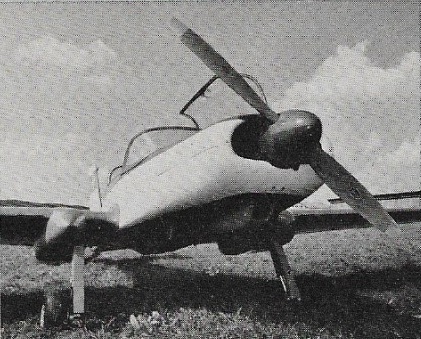
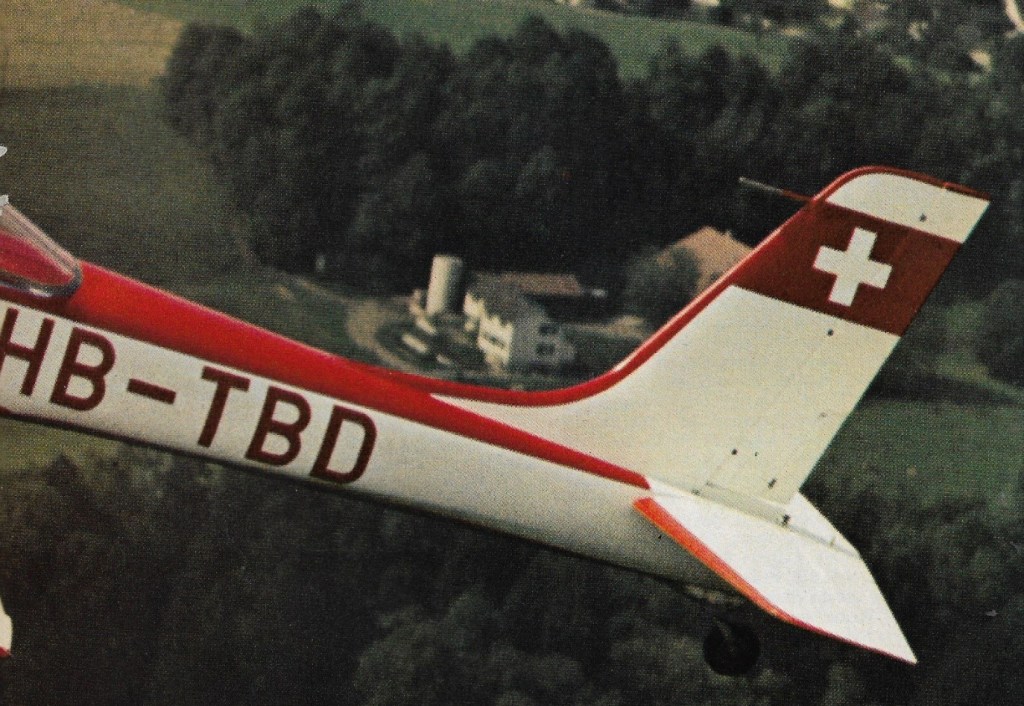
Designed by Ing. Albert Markwalder and built by Enst Bärfuss circa 1968, the Markwalder Marabu is an all-wood three seater featuring plywood skin over the entire structure. The cantilever wing houses four aluminium/polyester fuel tanks. Wing root fillets and wingtips are of moulded fibreglass the vortex-control tips modelled after those on the Cessna 210. Airfoil at the wing root is an NACA 23012, tapering to NACA 23006 at the tips. Flaps lower to 60 degrees.

The retractable landing gear is manually operated, swings aft into ‘blisters’ under the wings, leaving the tires partially exposed to reduce damage in the event of a gear up landing.

Plans were not offered for sale.

Engine: Lycoming O-320, 150 hp
Prop: Hartzell VP 74 in
Max level speed: 171 mph
Cuise: 152 mph
ROC: 985 fpm
Empty weight: 1430 lb
MAUW: 2200 lb
Wingspan: 31 ft 10 in
Length: 24 ft 3 in
Height: 6 ft 7 in
Fuel capacity: 150 lt / 39.6 USG
Wing area: 150 sq.ft

Markwalder Elfe PM-3

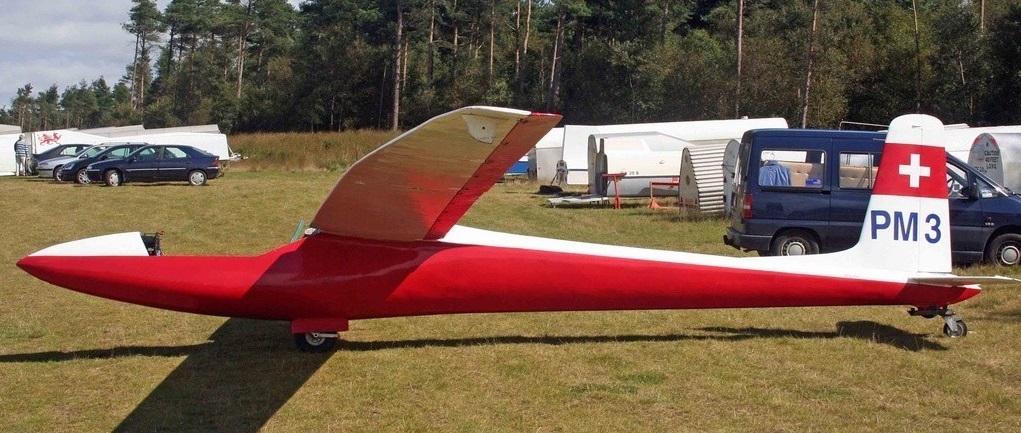
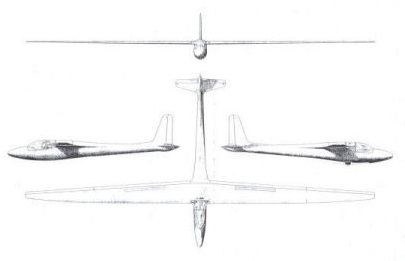
The Elfe series started from a 9 m sailplane designed by W.Pfenninger before World War II. A new design was introduced by him in 1947 to become the Elfe 2, probably the first sailplane with a laminar flow airfoil. Subsequently the series was further developed by Markwalder in 1951 to become the Elfe PM-3 (brought to the US in the sixties).

Markwalder had completed the drawings after Ruedi Sägesser had problems with the construction. Pfenninger came up with the idea of the construction.