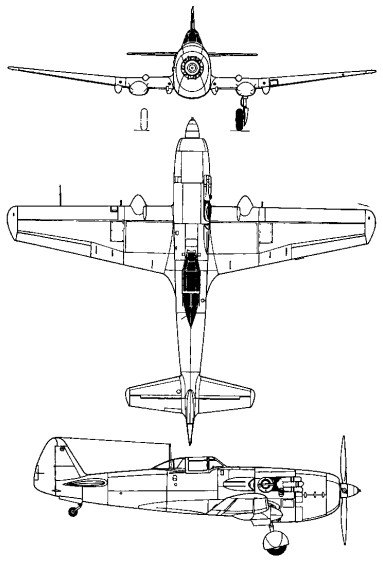
Nanchang J-12

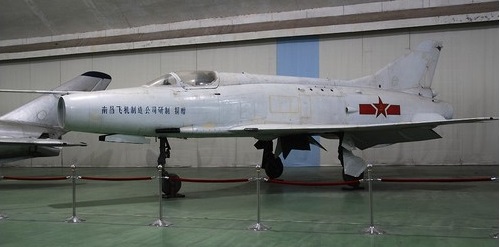
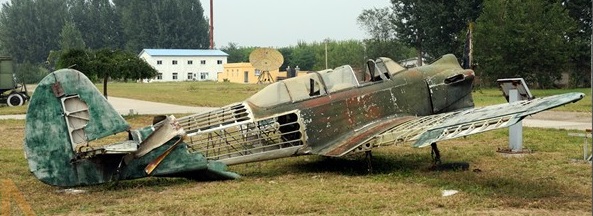
In the mid 1960s, the North Vietnamese had shown the efficacy of the use of “guerilla interceptors” – small aircraft operating from camouflaged airfields to ambush enemy aircraft. While the PLAAF recognized the practicality of such operations and wished to apply them locally, the aircraft currently available for the role – MiG-17s, -19s, and -21s – were less than ideal. Thus, in 1969, Nanchang was issued requirements for a new lightweight fighter with a loaded weight under 4,500kg. Development proceeded and by August, they were performing wind tunnel testing, and by the next year, the design had started prototyping. The resulting J-12 was simple, coming in at 4,530kg. The J-12 was armed with a single 30mm and 23mm cannon in the wing roots, and was powered by a single WP-6Z turbojet. To simplify the design, it used only an optical gunsight, and lacked area ruling. To facilitate rough airfield operations, intake flow could be diverted through auxiliary ports on the fuselage sides.

When the J-12 first flew in December 1970, testing revealed a top speed of 1,300km/h, making the J-12 the lightest supersonic fighter ever to fly. Range was a short 688km, making the design effectively a point-defence interceptor. The only guided munitions that the aircraft could carry were simple IR-guided short range AAMs. In all, nine J-12s were built, with testing continuing until 1977. At this point, the shortcomings of the design were found to greatly outweigh its benefits, and the design was cancelled in favour of further development of the J-7 and J-8.

J-12

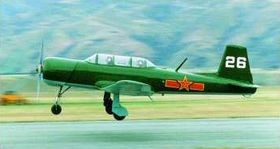
Nanchang CJ-6 / Shengyang Chujiao 6 / BT-6

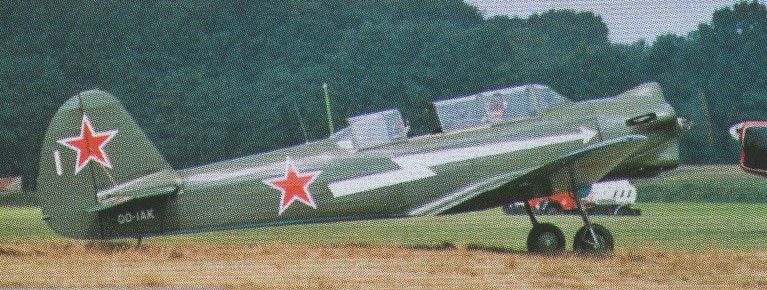
In the early 1950s, the primary trainer aircraft used by the Air Force was the Soviet Yak-18. At that time, the Nanchang Aircraft Factory was able to independently produce the aircraft in accordance with Soviet drawings. The steel frame of the Yak 18 type of steel frame, the structure of the outer cover was relatively backward, and the airborne power supply was insufficient. Designers such as Xu Shunshou believe that it is no longer necessary to introduce the improved Yak 18A, and it is entirely possible to independently develop a primary trainer based on domestic technical strength.

Nanchang CJ-6 Article

In July 1957, the Chujiao 6 design was begun, and the prototype flew for the first time in August of the following year. On January 5, 1962, Chujiao-6 completed the design finalization. After the successful test flight of the Chujiao 6 in Nanchang, many people in the aviation industry system and the air force still believed in the Soviet aircraft and advocated the production of the Yak 18A. Until a new leader of the Aviation Industry System took office, he decided to continue to improve the elementary trainer 6.

The body of Chujiao 6 adopts an all-metal thin-skinned shell structure, which is similar to the Yak 18 in appearance. The actual fuselage, wings and front three-point landing gear are all new designs.

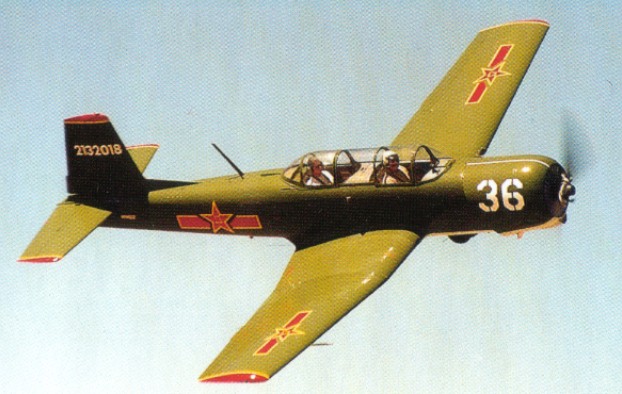
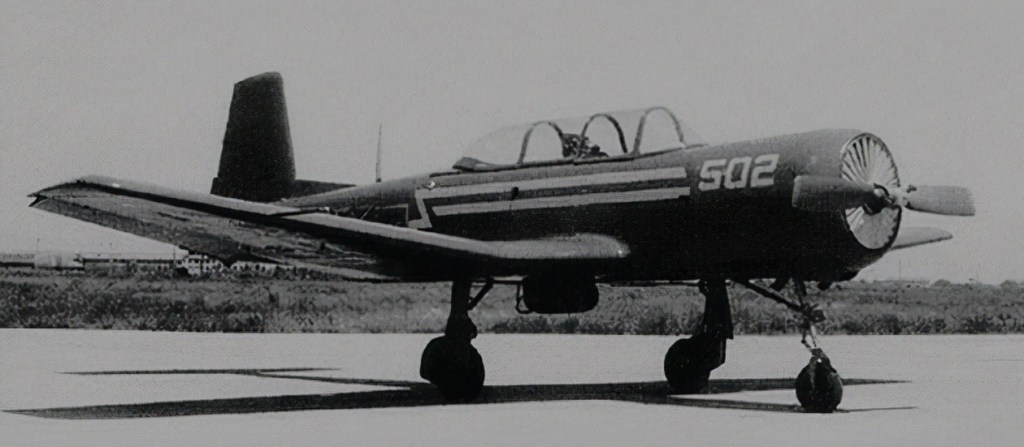
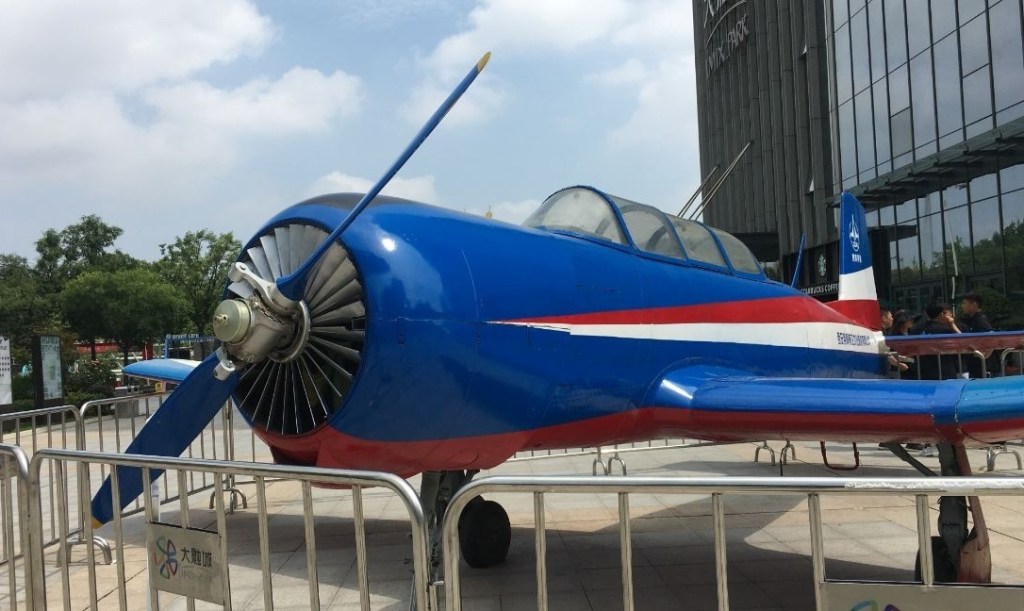
A Chinese derivative of the Yak-18, and development of the CJ-5, the CJ-6 is aerobatic, with a fully retracting undercarriage.

A military primary trainer, approximately 2000 were built for the Peoples Liberation Army Air Force from 1962. It has also served with the air forces of Albania, Bangladesh, Cambodia, Tanzania and Zambia.

The improved CJ-6A still being built in the late 1990s in very low volume for the same radial piston-engined primary training role.

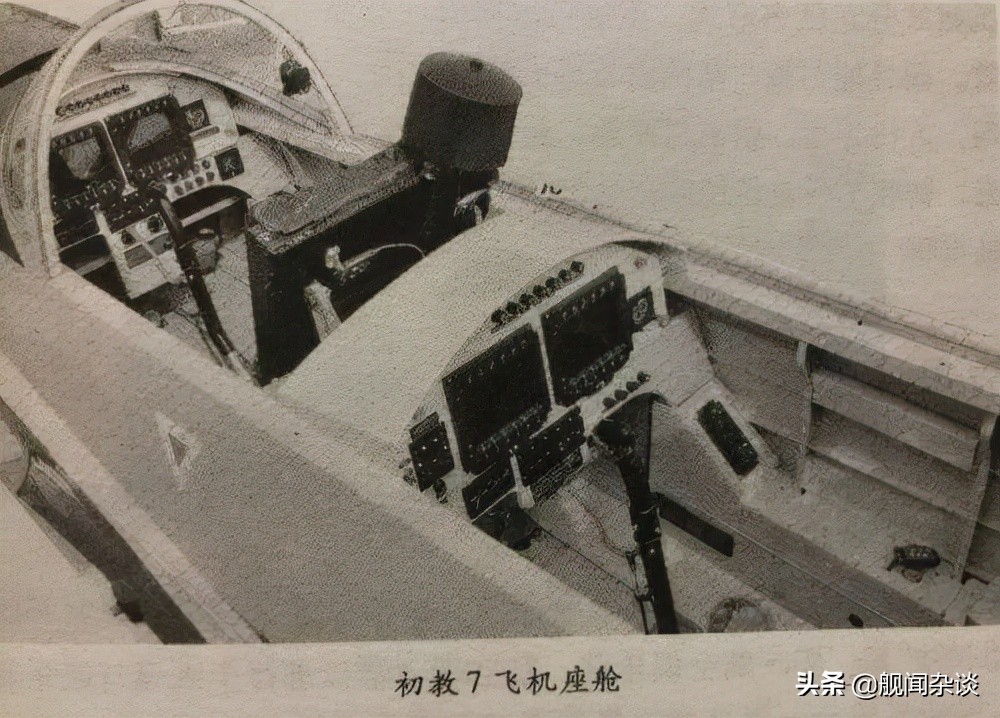
Elementary Education 6 also has many shortcomings: the onboard equipment is backward, there is no ejection rescue system, the cockpit is not sealed, the noise is loud, and the operating environment is not good in cold weather. Therefore, the domestic development of a new generation of primary trainers has been brewing since the 1990s. In August 2007, Chujiao 7 was formally established, and the first flight was successful in 2010, and it was publicly unveiled at the Zhuhai Air Show.

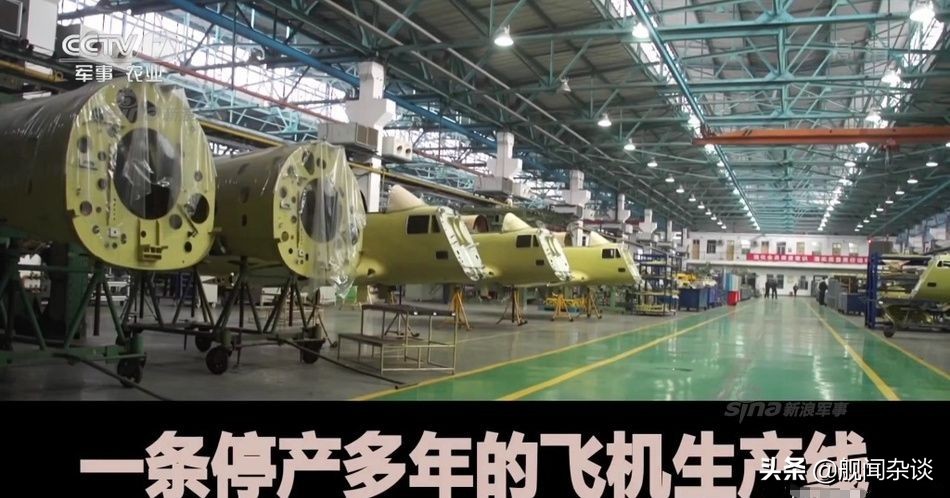
In 2015, Hongdu Company officially began to resume primary education 6. It can be seen in the news that there are a large number of newly manufactured Chujia 6 in the Hongdu Aviation Workshop. The production number of the fuselage shows that the output is at least dozens of aircraft. The Air Force has resumed bulk purchase of Chujia 6, and Chujia 7 is completely yellow.

Gallery

CJ-6A
Engine: Huosai-6 9 cyl radial, 285 hp
ROC: 1500 fpm
Cruise: 135 kt
Length: 8.46m
Wingspan: 10.22m
Wing area: 17sq.m
Loading: +6/-3G
Empty wt: 1095 kg
MAUW: 1400 kg
Max speed: 350 kph
Range: 625 km
Endurance: 2.5 hr

Nanchang Aircraft Manufacturing Company

Formed in 1951; produced a variant of the Soviet Yakovlev Yak-18 trainer known locally as the CJ-5, the improved CJ-6A still being built in the late 1990s in very low volume for the same radial piston-engined primary training role. Also co-produced (with Shenyang) a Soviet MiG-19 fighter variant known as the J-6, and license-built the Antonov An-2 general-purpose biplane as the Y5 before this was taken over by the Shijiazhuang Aircraft Manufacturing Corporation. Very important program to develop the Q-5 dedicated attack aircraft from J-6 technology was begun at Shenyang in 1958 but transferred to Nanchang.

June 1965 saw first flight of a Q-5 Fantan prototype, featuring an area ruled fuselage for minimum transonic drag, cockpit armour protection, a “solid” nose and a weapon bay (for early test and production aircraft, but omitted from improved production versions). Entered Chinese service in 1970 and also exported from 1983 as upgraded A-5. Also developed the N-5A agricultural aircraft (first flown December 1989) and partnered Pakistan Aeronautical Complex in development of the K-8 Karakorum jet trainer (first flown November 1990). Name changed to Hongdu Aviation Industry (Group) Corporation Ltd. in March 1998.

NAMC YS-11

Design work on the YS-11 began in 1957 when the Japanese Ministry of International Trade and Industry (MJTI) urged six of the country’s leading aviation companies to join forces in the development of what was to become Japan’s first postwar airliner. The ensuing joint design bureau became known as TADA (Transport Aircraft Development Association or Yusoki Sekkei Kekyu Kyokai). What finally came off the drawing boards was a conventional design, tailored for the Japanese domestic market. In 1959 TADA was replaced by NAMC (Nihon Aeroplane Manufacturing Company) to provide manufacturing and marketing capability. Among the participating companies, construction responsibilities were divided as follows: Fuji – tail unit; Japan Aircraft – control surfaces; Kawasaki – wings; Shin Meiwa- aft fuselage; Showa Aircraft – composite structures; and Mitsubishi – forward fuselage and final assembly.

NAMC YS-11 Article

Two prototypes were built by NAMC, each powered by two 3,060 h.p. Rolls-Royce Dart RDa.10/1MkP542 engines, plus two further airframes for static testing. Fifty-four YS-11s were to be built between 1963 and 1966, according to plans, for All-Nippon Airways (25), Japan Air Lines (about 10), the Japanese Defence Agency (10), the Maritime Safety Agency (2 for ASR) and the Meteorological Agency (four for weather observation).

The first flight came on August 30, 1962, when the YS-11 first took to the skies. Japan Domestic Airlines placed the type into service on April 1, 1965. A higher gross weight version, the YS-11A, became available in 1967. Not surprisingly, Japanese airlines were the largest customers, although Piedmont Airlines took delivery of 21 aircraft. Other customers included Hawaiian Airlines, Cruzeiro do Sul, VASP, and Olympic Airways.
Throughout its production life, the YS-11 was dependent on state subsidies. In 1971 the Japanese government announced that it would no longer provide financial backing and production ended two years later, with a total of 182 aircraft completed. Although from an economic point of view the YS-11 was a Y38 billion disaster for Japanese taxpayers, the airplane itself proved to be a solid and reliable design. Over the years, many YS-11s were passed on to smaller operators all over the world. Among these were a number of US-based com¬panies, such as Mid Pacific Air, Provincetown-Boston Airline, Reeve Aleutian Airways, Simmons Airlines, Pinehurst Airlines, and Airborne Express.

112 of the YS 11 were in service in 1981, the largest operators being TDA with 42 and ANA with 34. The fleet has totalled more than three million hours.

Engines: two 3,060 h.p. Rolls-Royce Dart RDa.10/1MkP542
Span: 105 ft
Length: 86 ft 3 in
Height: 30 ft
Gross weight: 50,265 lb
Empty weight (equipped): 31,970 lb
Max cruising speed at 20,000ft: 296 mph
Econ cruising speed at 20,000ft: 288 mph
Max rate of climb at SL: l,520 ft/min
Service ceiling: 27,500 ft
TO field length (SR422B): 2,900 ft;
Landing field length (SK422B): 3,790 ft
Range max fuel/ 5,4001b load, res 230-mile & 45min: 1,485 miles
Range with max payload, same res: 380 miles

YS-11A-500
Engines: 2 x RR Dart
Length: 26.3m (86.3ft)
Wing span: 32m (105ft)
MTOW: 25,000kg (55,115kg)
Max payload: 5,900kg (13,000lb)
Economical cruise: 245kt
ROC: 800fpm at l40kt
Takeoff dist: 1,200m (3,940ft)
Landing dist: 1,000m (3,280ft)
Range (max fuel): 1,735nm
Range (max load): 600nm

YS-11A-600
Engines: 2 x RR Dart
NAMC / Nihon Kokuki Seizo Kabushiki Kaisha

Following the decision made in 1956 to develop a medium sized passenger airliner in Japan, a Transport Aircraft Development Association was established in May 1957. This was succeeded in June 1959 by Nihon (with 53.8 per cent government ownership, remembered as NAMC), responsible for the development and manufacture of the NAMC YS-11 twin-turboprop airliner (first flown 1962). This was delivered to airlines in the U.S.A., Europe, and the Far East, and to the Japanese Air Self Defense Force; for the latter Nihon converted aircraft as electronic countermeasures (ECM) YS-11E.

1962:
Nihon Kokuk Seizo Kabushiki Kaisha (Nihon Aircraft Manufacturing Co Ltd)
Daido Building,
No 46,
1-Chome,
Minami-Sakumacho,
Shiba,
Minato-ku,
Tokyo

The pro¬gramme did not break even however, and NAMC had a deficit of some £14.6m after investment of £77.5m by the government and industry. The Japanese government decided to disband the Nihon Airplane Manufacturing Co (NAMC) within two years from 1981, in order to reduce its on going financial commit-ment to the company.

Nakajima SKT-97 Type 97

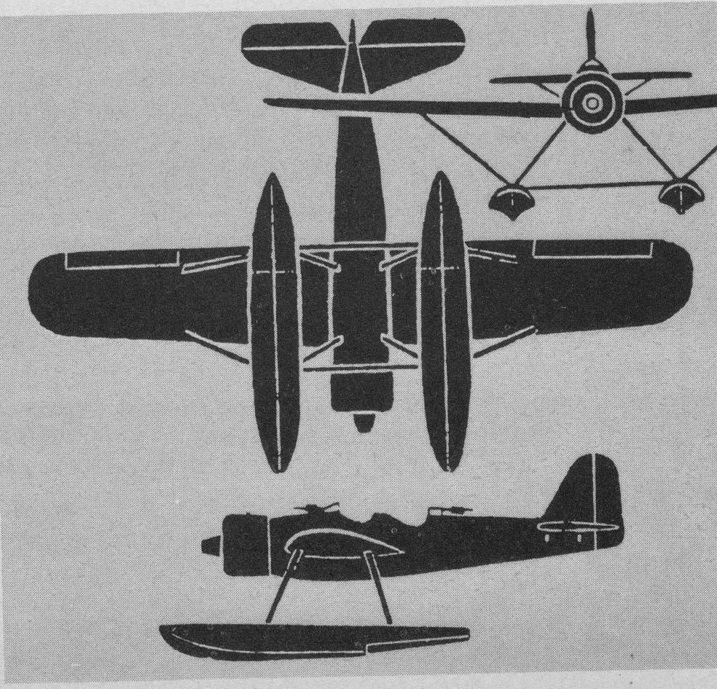
The so-called Nakajima SKT-97 Type 97 float fighter never existed, yet drawings and detailed descriptions were widely circulated early in the Pacific war.

An earlier unsuccessful experimental float plane built by Kawanishi in 1933, known as the 8-Shi E8Kq, was similar in appearance and may account for this fictional type.

Nakajima Ki-115 Tsurugi

In January 1945 Nakajima was ordered by the Imperial Japanese Army to design and develop, as quickly as possible, a basic aircraft that could carry a bomb of up to 800kg weight for use in kamikaze attacks. The resulting Nakajima Ki-115 low-wing monoplane prototype was of mixed construction, powered by a Nakajima Ha-35 radial engine and had welded steel-tube main landing gear units, without any form of shock absorption, which were intended to be jettisoned after take-off on a kamikaze mission. Flight tests showed that ground handling was unacceptable in this configuration, leading to the introduction of main landing gear units with simple shock absorbers. In this form, and incorporating some minor modifications, the aircraft entered production as the Ki-115a Tsurugi (Sabre). However, Nakajima had built only 104 production aircraft by the time the war ended, and none of these was used operationally.

Ki-115
Engine: 1 x Nakajima Ha-35, 843kW
Wingspan: 8.6 m / 28 ft 3 in
Length: 8.55 m / 28 ft 1 in
Height: 3.3 m / 10 ft 10 in
Wing area: 12.4 sq.m / 133.47 sq ft
Max take-off weight: 2880 kg / 6349 lb
Empty weight: 1640 kg / 3616 lb
Max. speed: 550 km/h / 342 mph
Range: 1200 km / 746 miles
Armament: 800-kg bomb
Crew: 1

Nakajima Ki-115 Tsurugi

Nakajima Ki-87

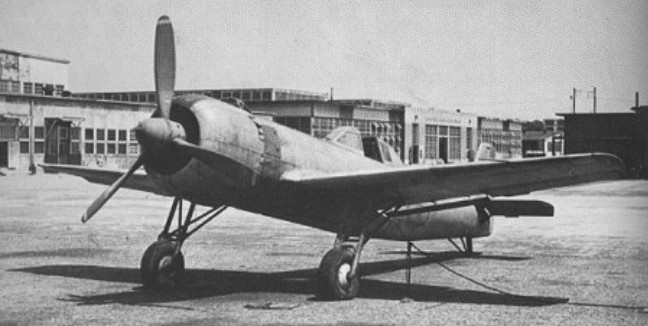
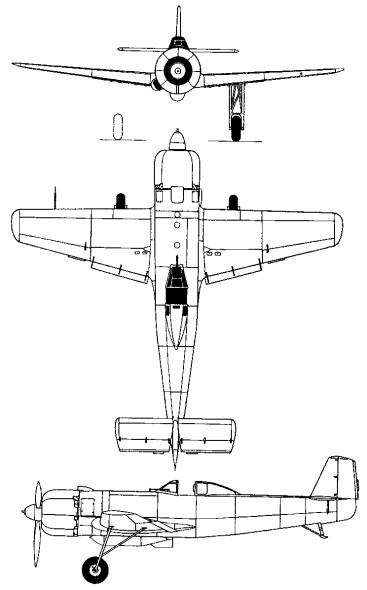
The Nakajima Ki 87 was an experimental high altitude fighter. The first and only example flew in April 1945.

Engine: 1 x Nakajima Ha-44 Model 11, 1800kW
Wingspan: 13.42 m / 44 ft 0 in
Length: 11.82 m / 38 ft 9 in
Height: 4.5 m / 14 ft 9 in
Wing area: 26 sq.m / 279.86 sq ft
Max take-off weight: 5632 kg / 12416 lb
Empty weight: 4387 kg / 9672 lb
Max. speed: 706 km/h / 439 mph
Ceiling: 12850 m / 42150 ft
Armament: 2 x 30mm cannons, 2 x 20mm cannons, 250-kg bomb
Crew: 1

Nakajima Ki-87

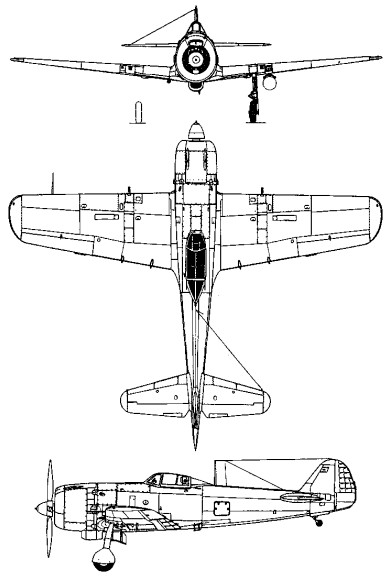
Nakajima Ki-84 Hayate

The Nakajima Ki-84 Hayate (Gale) was flown in prototype form in April 1943. The Ki-84 met with immediate approval by Japanese army air force pilots, but was subjected to lengthy service trials which undoubtedly delayed its introduction to combat operations. Production of the Ki-84-1a got under way at Nakajima’s Ota plant in April 1944, pre-production aircraft having equipped the 22nd Sentai in China the previous month. Immediately afterwards 10 sentais of the Ki-84-I, codenamed ‘Frank’ by the Allies, were deployed in the Philippines to confront the advancing American forces. As a dive bomber it was capable of carrying two underwing bombs of up to 550 lb.

Nakajima Ki-84 Hayate Article

In an effort to accelerate production of the new fighter, Nakajima opened up a new line at its Otsonomiya plant. The Ki-84 -1b and -1c differed in armament fitted. As Boeing B-29 raids began to take their toll of Japanese cities a new ‘bomber destroyer’, the Ki-84-Ic, was produced with an armament of two nose mounted 20mm cannon and two wing mounted 30mm cannon.

In the last 17 months of war 3,382 aircraft were completed, this despite the B-29 raids and the fact that, owing to such damage at Musashi, Nakajima’s engine plant had to be transferred elsewhere.

Named after Col. Frank MacCoy, ‘Frank’ was first assigned to an unknown fighter called the T.K.4, which was later coded ‘Harry’. The ‘Frank’ was ultimately assigned to the Ki.84.

Engine One 1416kW / 1,900 hp Nakajima Ha 45/11.
Length 32 ft 7 in (9.92 m)
Wing span 36.8 ft (11.21 m)
Height: 3.39 m / 11 ft 1 in
Wing area: 21 sq.m / 226.04 sq ft
Weight empty 5,860 lb (2,660 kg)
Max take-off weight: 3890 kg / 8576 lb
Max speed 390 mph. (630 kph)
Range: 1,080 miles (1,740 km.)
Ceiling: 10500 m / 34450 ft
Armament 2 x 20 mm Ho5 cannon, and 2 x 12.7 mm Ho103 machine guns
Bomb load 1, 100 lb. (500 kg.)
Seats: 1.

Ki.84-ia
Engine: Nakajima Ha.45/11 Type 4, 1900 hp
Wingspan: 36 ft 10.25 in
Length: 32 ft 6.5 in
Height: 11 ft 1.25 in
Empty weight: 5864 lb
Loaded weight: 7965 lb
Max speed: 388 mph at 19,680 ft
Service ceiling: 34,450 ft
Max range: 1815 mi
Armament: 2 x 20 mm Type 5 cannon, 2 x 12.7mm Type 103 mg
Bombload: 1100 lb
Crew: 1

Nakajima Ki-84 Hayate / Frank