Raven 2XS

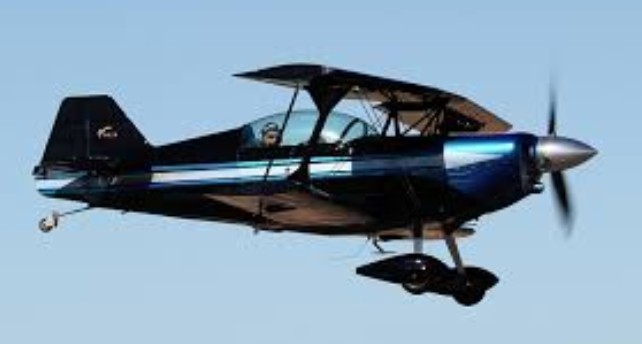
Introduced in 2009, the Raven 2XS (English: To Excess) is a Canadian aerobatic amateur-built biplane, designed and produced by Raven Aircraft of Surrey, British Columbia. The aircraft is supplied as a kit or as plans for amateur construction.

Developed from the Pitts Special, the 2XS features a strut-braced biplane layout, a two-seats-in-tandem enclosed cockpit under a bubble canopy, fixed conventional landing gear and a single engine in tractor configuration. The cockpit is 24 in (61 cm) wide.
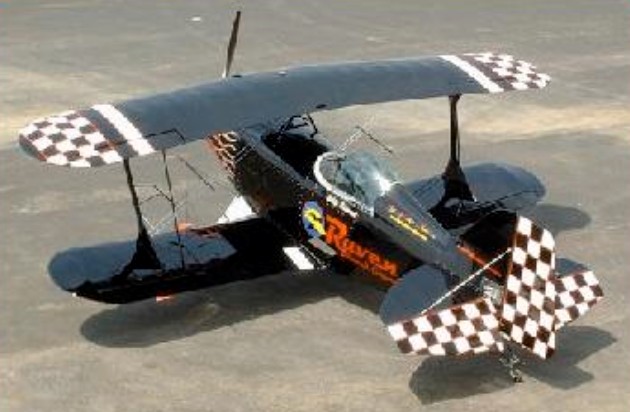
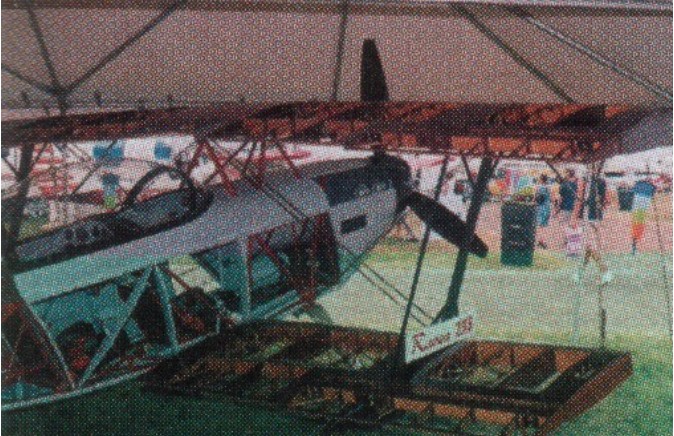
The aircraft is made from mixed construction, using welded steel tubing, aluminum and wood, with its flying surfaces covered in doped aircraft fabric. Construction time from the supplied kit is estimated as 2000 hours.

By November 2012 one example had been registered in the United States with the Federal Aviation Administration, but none in its home country with Transport Canada. Unit cost: US$24,000 (kit only, less engine, instruments, 2011)
Engine: 1 × Lycoming IO-540, 280 hp (210 kW)
HP range: 260-400
Propellers: 3-bladed composite
Length: 19 ft 4 in (5.89 m)
Wingspan: 19 ft 2 in (5.84 m)
Height: 6 ft 6 in (1.98 m)
Wing area: 119.4 sq ft (11.09 m2)
Empty weight: 1,180 lb (535 kg)
Gross weight: 1,780 lb (807 kg)
Fuel capacity: 37 U.S. gallons (140 L; 31 imp gal)
Maximum speed: 200 mph (322 km/h; 174 kn)
Cruise speed: 188 mph (163 kn; 303 km/h)
Stall speed: 60 mph (52 kn; 97 km/h)
Range: 450 mi (391 nmi; 724 km)
Rate of climb: 3,300 ft/min (17 m/s)
Wing loading: 14.9 lb/sq ft (73 kg/m2)
Roll rate: 330 degrees/second.
Takeoff dist: 530 ft
Landing dist: 750 ft
Seats: 2 tandem
Cockpit width: 24 in
Landing gear: tailwheel
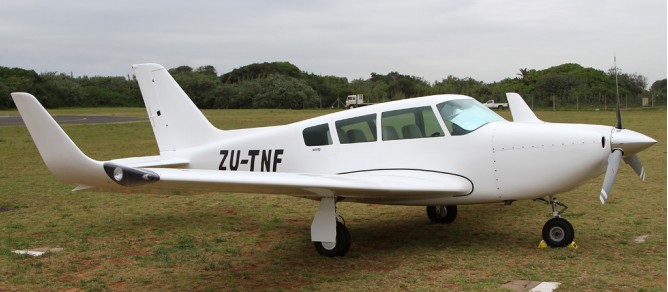
Ravin Aircraft Ravin 500

This composite aircraft, based on the concept of the Piper Comanche was designed and developed by SA Ravin in 2 years and 5 months. The Ravin 500 made it’s first flight on 15 September 2002.

An all Composite kit aircraft for amateur construction by SA Ravin Aircraft of Pretoria, South Africa.

An NACA 64-series profile (modified) was used, brought into the shape by Francois Jordaan. The standard handshake overlap main spar design is used to join the two spars in the fuselage.

A Hartzell 3 Bladed Scimitar Pulse Prop was used from the beginning. It uses a 12 liter plenim box in conjunction with the air filter.

The fuselage mold is split vertically with port and starboard halves. There are cross braces below the cockpit floor and one bulkhead visible in the rear fuselage.

Wings are also two-piece, incorporating mainspars and rear subspars. The carbon mainspars overlap and join within the fuselage. Horizontal tailplane was one-piece, glass with carbon elevator.

The fuselage, wings, tailplane and other components appear to have been molded with an inscribed grid covering the exterior surfaces as an aid to alignment and windshield, window cutouts.

Ravin 500
Type: 4-Seat cruiser, conventional
Engine: Lycoming IO540 (194kW, 260h)
Wing span: 10,40m (34ft 2 in)
Wing Area: 14,6 sq m (157 sq ft)
Empty Weight: 975 kg – 1040 kg
Max take-off Weight: 1620 kg (3564 lb)
Aircraft Length: 7,42 m (24 ft 4 ins)
Fuel Capacity: 160 US gal integral wing tanks
Max power loading: 8.35 kg/sq m (22.7 lb/hp)
Max wing loading: 111 kg/sq m (22.7 lb/sq ft)
Max level speed (sea level ISA): 210 kts (242 mph) IAS
Cruise speed (75% power): 185 kts (213 mph) IAS
Optimum cruise (75%@ 6500 ft): 196 kts (226 mph) TAS
Stall speed clean @ max weight: 64 kts IAS (75 mph) IAS
Stall speed with flaps, gear down: 56 kts IAS (64 mph) IAS
Fuel consumption @ 75% power: 14.1 US gal/hr
Range with 10% fuel reserve: 2000 naut miles (2300 stat miles)

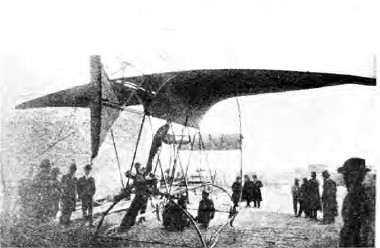
Ravard Aeroscaphe

The Aeroscaphe of Ravard was a machine designed to move either on water or in air. It was an aeroplane with pontoons or floaters. The supporting surface aggregated 400 square feet, and the gross weight was about 1100 pounds. A fifty horse-power Gnome seven-cylinder motor at 1200 revolutions drove two propellers of eight and ten and one-half feet diameter respectively: the propellers being mounted one behind the other on the same shaft.