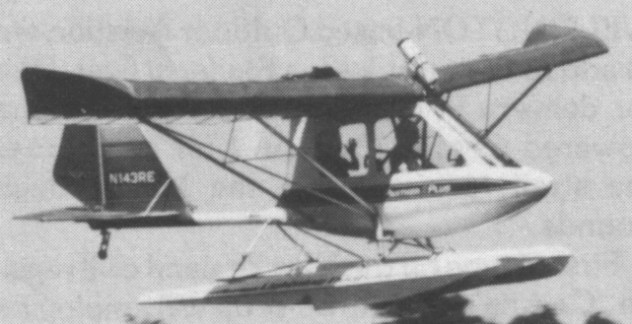
Rotec Panther

A fully enclosed, strut braced double surface wing, spatted undercarriage ultralight. Centre mounted joy stick, rudder pedals, tailwheel steerable through rudder pedals.

Rotec Panther 2 Plus includes a float option, brakes, cabin heat, executive interior (includes carpet), ballistic parachute (mounted on wing above cabin) and Loran C navigational equipment.

Panther
Engine: Rotax 277 (268 cc) 28 hp
Wing span: 34 ft
Wing area: 148 sq.ft
Height: 6 ft 3 in
Length: 16 ft 10 in
Empty wt: 250 lb
Fuel cap; 3.5 USG
Construction: Aluminium, Dacron
Max wt: 475 lb
Stall: 22 mph
Max speed: 60 mph
Vne: 62 mph
Climb rate: 400 fpm @ 35 mph
Design limit: +4, -2g
Glide ratio: 6.8-1
Wing loading: 3.21 lbs/sq.ft
Power loading: 16.96 lbs/hp

Panther +
Engine: Rotax 447, 42 hp
Wing span: 10.36m
Length: 5.13m
Empty wt: 113kg
MAUW: 218kg
Range: 277km

Rost Apparat I

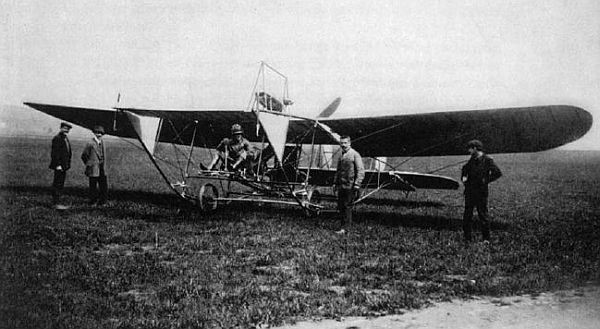
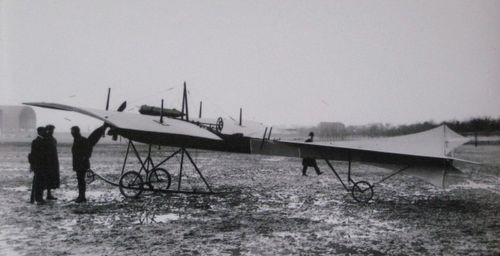
The first aeroplane of bicycle mechanic and dealer Gottlieb Rost and his brother, a conventional tractor monoplane, was tested in February 1910 at Scheinberg in Harburg near Hamburg, Germany. It was followed by refined versions later during the year, but although it was flown several times it was considered underpowered.

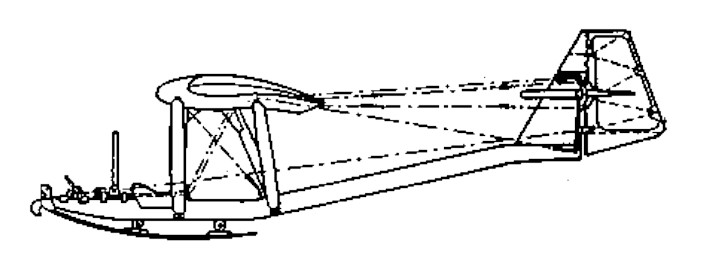
Rossitten-As Training Glider

The Rossitten-As of 1931was a simple glider for basic flight instruction, which could be launched by rubber ropes. It is a typical design of a glider of the years between the wars. The gliders were too small to carry two, so the student had to fly solo.

Length : 20.308 ft / 6.19 m
Height : 7.054 ft / 2.15 m
Wingspan : 35.761 ft / 10.00 m
Crew : 1

Rossy, Yves

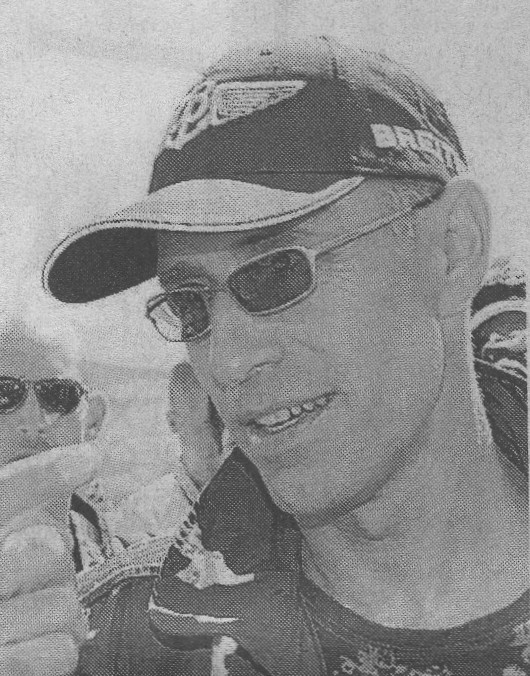
Yves Rossy

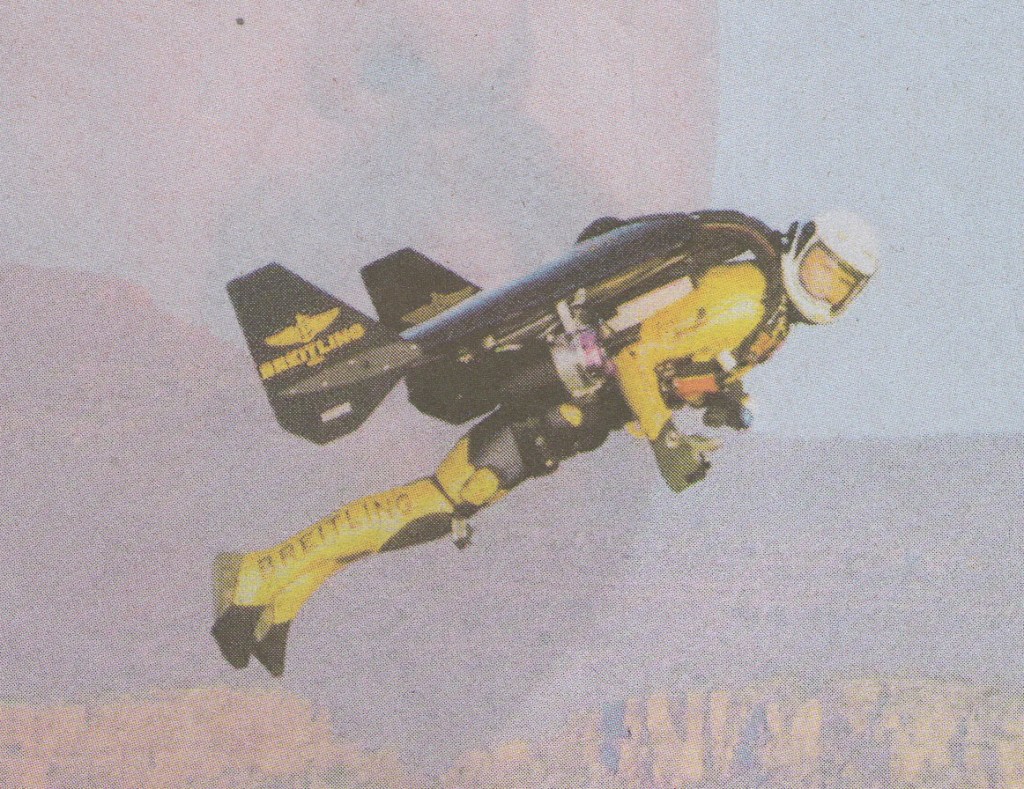
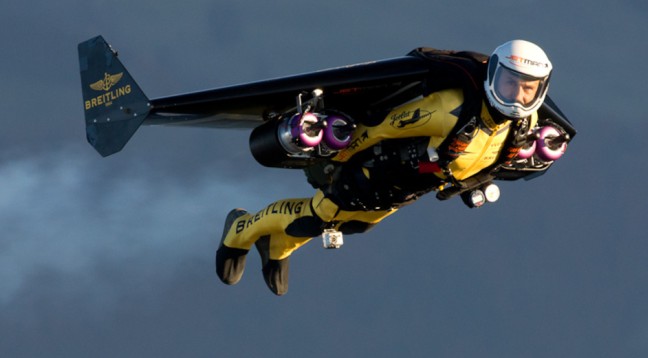
In 1993 Rossy began skysurfing and diving with wingsuits. In 1999 experimented with inflatable wings.
In 2003 Rossy straps jet engines to wings but fails to fly.
In 2006 was the first (unpowered) flight with two engines on fixed wings. In November 2006 was the first successful flight, of 6 minutes with four engines.
In November 2010 Rossy performs aerial loops on a newly developed model.
20 May 2011 – Rossy flew across the Grand Canyon.

Rossier-Kunkler Hochdecker

High-wing pusher monoplane powered by an opposed 4-cylinder Oerlikon engine rated to 45 hp. Henri Kunkler, born in St.Gallen 1886, was one of the young aviators in Switzerland. He flew since 1911 (Blériot) and in 1912 he completed his own monoplane that he built with his mechanic Rossier. Rossier obviously played an important role in the design but was neither financier, owner or pilot. The first noteworthy adventure with that machine was the cross-coutry flight from St-Gallen to Dübendorf on 4. September 1912 (ca. 60km in 12:30h with two emergency landings). Kunkler flew this craft until he gave the controls to Ernst Rech in May 1913, who would take part at the Meeting in Olten. He decided to move the plane by a cross-country flight but lost control in strong winds and crashed to his death.

Rossel-Peugeot 1910 Monoplane

Rossel-Peugeot Monoplane of 1910

Frédéric Rossel, while already working for Peugeot a few years, and with car sales figures depressed at this time, turned his interests to aviation and convinced the Peugeot Brothers to form the “Société Anonyme des constructions aériennes Rossel-Peugeot”. Built by the Reggy frères, who also furnished the propeller, the monoplane was powered by a 50 hp Gnôme rotary engine. The first flight was piloted by Jules Goux – in 1913 the first Frenchman to win the Indianapolis 500 motorcar race – but just 5 minutes into the air the machine lay wrecked on the ground, with Goux unhurt.