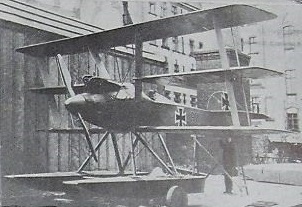
The SF4 was a single-seat fighter floatplane, built both as a biplane and triplane during 1916-17.
Engine: Benz 150 hp
The SF4 was a single-seat fighter floatplane, built both as a biplane and triplane during 1916-17.
Engine: Benz 150 hp
The SF1 floatplane (1915) developed into the very successful SF2 (license-built by LFG and LVG).
The SF1 floatplane (1915) developed into the SF2.
Sablatnig Flugzeugbau GmbH
Austrian Josef Sablatnig experimented and flew before First World War. Moved to Germany and in 1913 became a director of Union Flugzeugwerke GmbH, where he did technical work and flying. When Union company went into liquidation (1915) he founded Sablatnig Flugzeugbau GmbH in Berlin, famous for seaplanes used by German Navy but built other types also. SF1 floatplane (1915) developed into very successful SF2 (license-built by LFG and LVG); SF4 was single-seat fighter floatplane, built both as biplane and triplane; SF5 was widely used SF2 replacement; SF8 was last Sablatnig floatplane built in numbers (trainer of 1918). Landplanes included trainers, single engined night bombers, and a monoplane. N1 was two-seat land fighter used at Kiel. After war developed civil types, including P1 four-passenger biplane and P3 six passenger high-wing monoplane. One light sports type built, but aircraft work ceased 1921.
In 1970 Richard Sabey built the SX-1 two place enclosed low wing monoplane, with retractable undercarriage. Registered N25RS was built using parts of Culvers PQ-14 and V, and Cessna 150. The cost of construction was $2,500. Only the one was built.
Engine: Lycoming O-290-G4
Wingspan: 30’0″
Length: 21’6″
Max speed: 234 mph
Cruise speed: 145 mph
CA.
USA
Circa 1970 built the SX-1 airplane
In 1932 Joseph Sabath built a craft with two paddle-wheels of helices and a motorcycle engine, reportedly he got this contraption going almost 150mph.
Philadelphia
USA
Circa 1920s built the Helic-plane
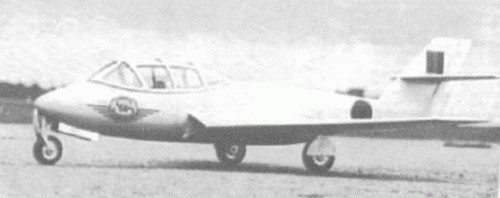
The SABCA S.60 was a two-seat low-wing transition jet trainer project of 1951.
Sabca S 60
Engines: 2 x Turbomeca, 400Kg
Wing area: 13.26 sq,m
Load: 630Kg
Max take-off weight: 1750Kg
Estimated performances:
Take off speed: 130Km/h
Cruising speed: 560Km/h
Max speed: 650Km/h
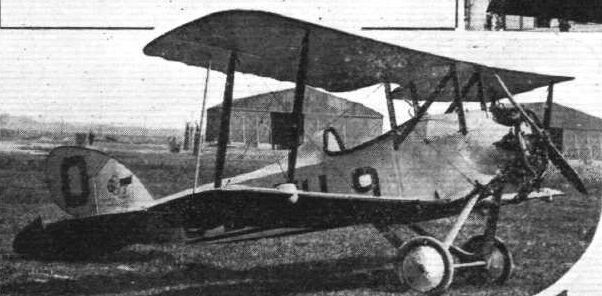
The SABCA Camgul CG2 was a one-of-a-kind single seat biplane light aircraft of 1925, powered by one 60 hp Anzani engine.
It appeared in the French light ‘plane competition at Orly in 1925, piloted by Van Opstal.

