A two-seat twin-engined military multipurpose type for Belgian Government.
Aircraft
Stampe et Vertongen S.V.7
A bomber/reconnaissance biplane.
Stampe et Vertongen SV.5
A military multipurpose type.
Stampe et Vertongen SV.4 / SNCAN SV.4C
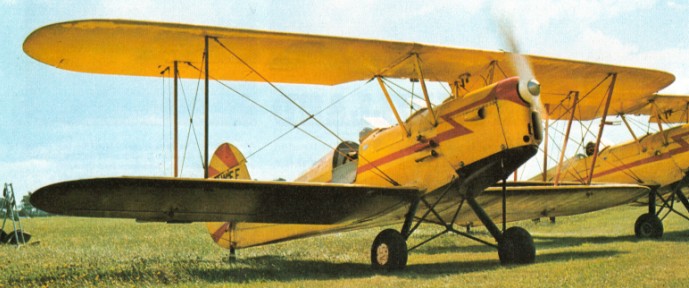
Georges Ivanow was asked in 1932 to study a new aircraft, which resulted in the SV4, an open-cockpit 2-seat training biplane of wood and fabric construction. The prototype flew first on May 13, 1933 and the aircraft entered production. May 10, 1940 the factory was bombed by the Luftwaffe and destroyed.
Stampe et Vertongen SV.4 Article
The SV-4 was redesigned and produced in France from 1945 till 1950, under licence by SNCAN – Société Nationale de Constructions Aéronatiques du Nord.
The SV 4C is a French license built version of the Belgian primary trainer also manufactured in Algeria. More than 900 were built, with a 140¬hp Renault engine.
Rollason started importing former military Stampe SV-4Cs (Renault-powered), restoring and converting them to SV-4B status by replacing the Renault with the Gipsy Major of the Tiger.
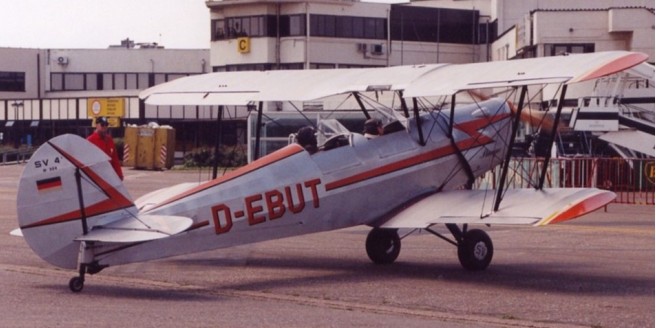
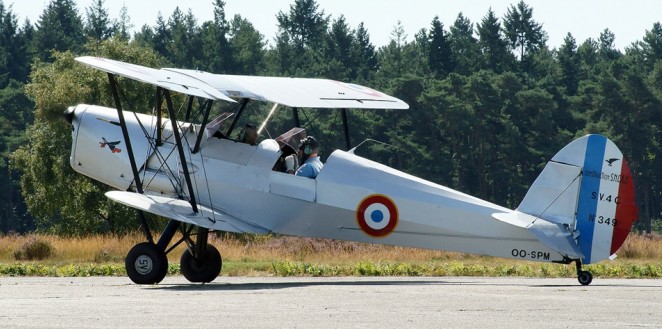
Stampe et Vertongen SV.4
Engine: de Havilland Gipsy III, 120 hp
SV.4B
Engine: de Havilland Gipsy Major I, 130 hp
SNCA du Nord SV.4C
Engine: Renault 4 Pei, 140 hp
Wingspan: 27 ft 6 in / 8.38 m
Length: 22 ft 10 in / 6.96 m
Empty weight: 1106 lb / 502 kg
MTOW: 1720 lb / 780 kg
Max cruise SL: 95 kt / 109 mph / 175 kph
ROC SL: 1080 fpm / 330 m/min
Service ceiling: 16,400 ft / 5000 m
Seats: 2
Baggage capacity: 110 lb / 50 kg
No built: 700
Stampe et Renard SV-4D
Engine: Rolls-Royce Continental IO-346-A, 165 hp
No built: 1
First flight: 1967
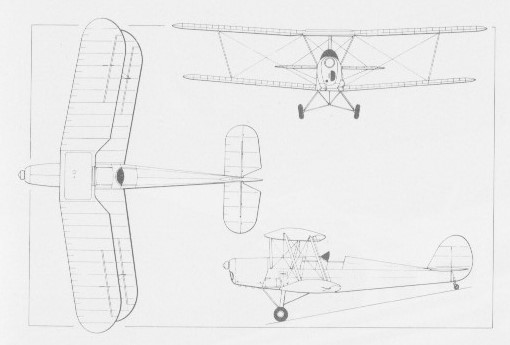
Stampe et Vertongen RSV.32-90
In April 1923 flew RSV.32-90.
Stampe et Vertongen
Constructions Aéronautics J.Stampe & M.Vertongen
Belgium
Jean Stampe and Maurice Vertongen founded their company as a flying school at Antwerp-Deurne in 1922. Specialized in trainer aircraft. Early type designations signified that Alfred Renard was chief designer.
After Renard left the company he was replaced by Georges Ivanow.
In 1947 the partnership with Renard was renewed.
In April 1923 flew RSV.32-90 and developed several biplane types and parasol monoplanes. Greatest success was S.V.4 series of two-seat trainer biplanes, built from 1933 and famed for manoeuvrability and strength. Type was also built by SNCAN in France. S.V.5 was military multipurpose type; S.V.7 a bomber/reconnaissance biplane; S.V.10 a two-seat twin-engined military multipurpose type for Belgian Government. Although the company’s Antwerp factory was destroyed in Second World War the name lives on in aerobatic flying.
Stampe Et Renard SR.7 Monitor / Farman F.521 Monitor III
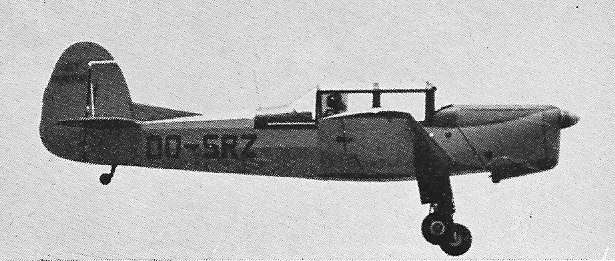
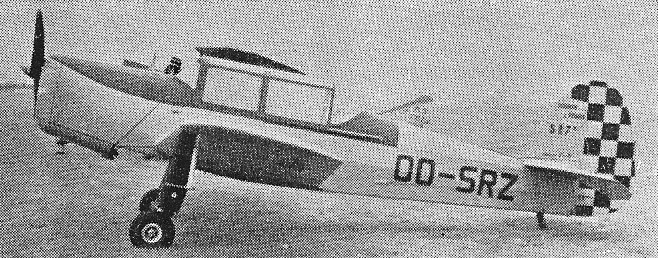
The Monitor I incorporated the fuselage, tail assembly and 140 hp Renault 4 Pei engine of the S.V.4C biplane married to a wooden wing.
The Monitor II had a metal wing and a 240 hp Salmson-Argus engine.
The SR.7 Monitor III, also known as the Farman F.521 Monitor III, was built in France by the Societe des Usines Farman with the collaboration of Stampe-Renard.
The Monitor III first flew on 15 June 1954.
Monitor I
Engine: 140 hp Renault 4 Pei
Monitor II
Engine: 240 hp Salmson-Argus
Monitor II
Engine: 170 hp SNECMA-Regnier 4L-22
Wing span: 30 ft 11 in
Length: 22 ft 2.5 in
Height: 7 ft 11 in
Empty weight: 1232 lb
Loaded weight: 2083 lb
Max speed: 143 mph
Cruise: 118 mph
ROC: 787 fpm
Stampe Et Renard SR-6
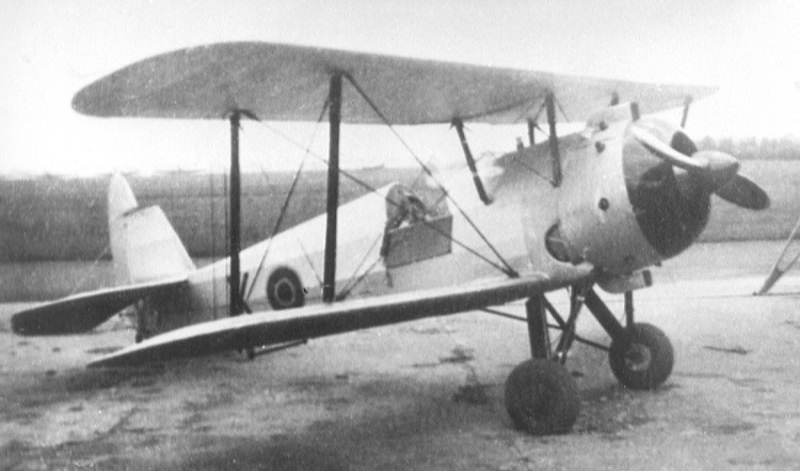
The unique SR-6 by Stampe-Renard owed much to the Stampe SV-4. Specially developed for aerobatic training in 1949, the Stampe Renard SR-6 was a single seat biplane powered by a 185 hp Mathis G.7R engine.
The aircraft first flew as OO-SRX in 1949 and was also briefly tested in Belgian AF colours while the letter “X” of its civilian registration remained on the fuselage.
The registration was cancelled in April 1954 and the aircraft was scrapped.
Stampe Et Renard Sa
Belgium
Formed after Second World War by merger of Constructions Aeronautiques G. Renard and Stampe etVertongen.
Overhauled and modified highly successful S.V.4 series of trainer biplanes, as used by Belgian and French Air Forces. Developed modernized S.V.4D; also, as a collaborative venture with Farman, new monoplane called Minitor using fuselage components of S.V.4. By 1970 had ceased aeronautical work.
Stallings Air Master
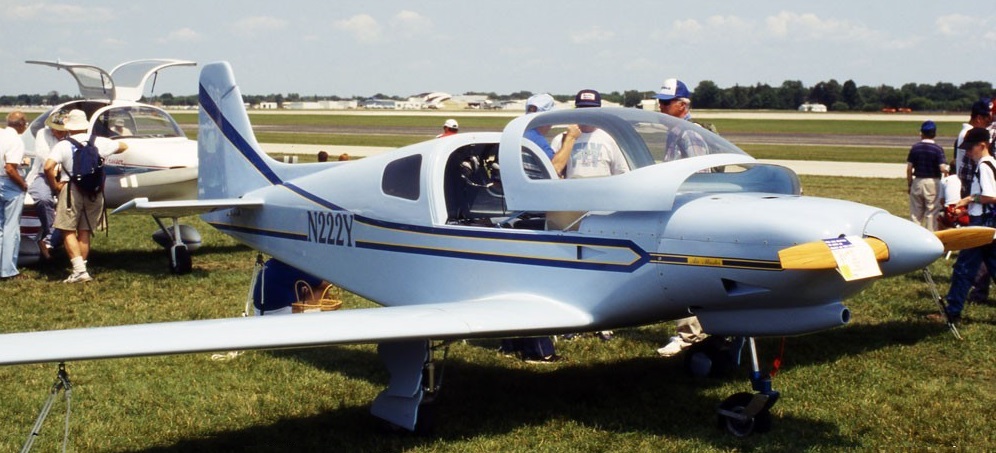
The Air Master was an original homebuilt design of Jerry J. Stallings reportedly influenced by the Lancair 320, but was built of different composite materials and had several major differences.
The type was suitable for engines in the 150 to 200 hp range, and from 1995 was marketed via Airplane Builders Company, founded by the designer. The type was planned to become available (ultimately) in kit form, although initially only plans were made available.
The first and sole example was built by the designer, possibly together with M.D. Kraft and powered by a 150 hp Lycoming O-320 engine it was first flown during 1994.

Development halted when the prototype aircraft was lost in a crash on July 25, 1996, killing the designer and his passenger. An Air Master 2 with registration N10AX was never completed.
Engine: Textron-Lycoming O-320, 150hp
Wing span: 26’6″
Length: 21’0″
Max speed: 238
Cruise: 200 mph
Range: 1000 mi
Seats: 2

