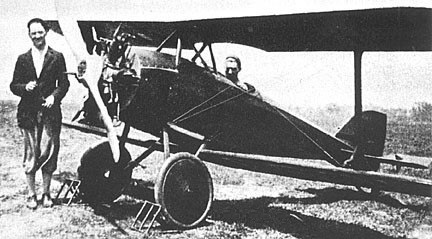
Tucker XP-57

In 1940 the Tucker Aviation Co, of Detroit, proposed a fighter that was conventional, simple, and intended to yield thousands of cheap, easily maintained and tough pursuits in a matter of months. Powered by the 720 hp Miller L 510 V 8, driving a 2-blade propeller via a long shaft, it was to have, a metal skinned steel tube fuselage and wooden wings, with two or three guns in the nose, one firing through the propeller hub. Gross weight was estimated at 3,000 lb and speed 308 m.p.h. The company were unable to fulfil the Army contract.

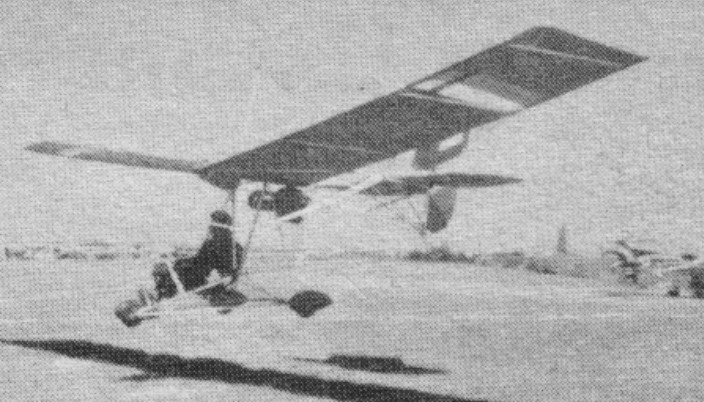
Tube Works Phoenix

Phoenix
Empty wt: 239 lbs
Max wt: 489 lbs
Wing span: 32ft
Wing area: 160 sq.ft.
Wing loading: 3.06 lbs/sq.ft
Power loading: 17.46 lbs/hp
Engine: Rotax 277
Max speed: 52 mph
Cruise: 45 mph
Stall: 23 mph
Seats: 1

Phoenix II
Empty wt.: 312 lbs
Max wt.: 720 lbs
Wing span: 32ft
Wing area: 160 sq.ft
Wing loading: 4.5 lbs/sq.ft
Power loading: 14.4 lbs/hp
Engine: Rotax 503
Max speed: 52 mph
Cruise: 45 mph
Stall: 28 mph
Seats: 2

Phoenix Laser
Empty wt.: 252 lbs
Max wt.: 502 lbs
Wing span: 32ft
Wing area: 160 sq.ft.
Wing loading: 3.14 lbs/sq.ft
Power loading: 17.93 lbs/hp
Engine: Rotax 277
Max speed: 60 mph
Cruise: 45 mph
Stall: 23 mph
Seats: 1

Phoenix Laser II
Empty wt.: 330 lbs
Max wt.: 738 lbs
Wing span: 32 ft 8 in
Wing area: 180 sq.ft.
Wing loading: 4.1 lbs/sq.ft
Power loading: 14.76 lbs/hp
Engine: Rotax 503
Max speed: 60 mph
Cruise: 50 mph
Stall: 32 mph
Seats: 2

Tsybin Ts-25 / NK-25

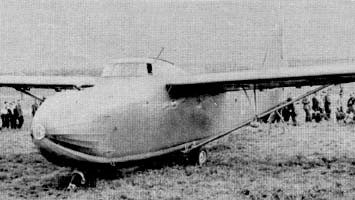
Designed by Pavel Tsybin to a 1944 specification, the Ts-25 was of a high-wing design, with a box-shaped fuselage featuring a hinged nose for ease of loading the aircraft’s cargo. The aircraft had a fixed tricycle landing gear, with skids to aid in landing, and was of steel-tube-braced wooden construction with the nose covered in fabric. The fuselage was otherwise covered in plywood; the wing was tapered, with its spar being steel-tube strut braced. The intended load of the aircraft consisted of a jeep-type vehicle and a 57 mm (2.2 in) anti-tank gun.

Following flight tests that completed in 1948, the Ts-25 was accepted for production;[1] it is regarded as the first domestically produced glider to be built in significant quantities for the Soviet Airborne Forces (VDV). It was first publicly displayed at the 1948 Tushino Air Display. Eventually up to 480 of the aircraft were built at the Chkalovsk manufacturing plant between 1948 and 1954. Some were used by the VDV in training maneuvers. One was modified with 25 passenger seats for evaluation for potential civilian use on routes including Moscow, Gorki, and Novosibirsk. Two were supplied to the Czechoslovak Air Force in 1952 and given the desigation NK-25; the Yakovlev Yak-14 was preferred by the Czechs.

In 1950 two Ts-25s, towed by Ilyushin Il-12 transports, were used to resupply Polar Station SP-2.

Variants

Ts-25
Main production version, 480 built.

Ts-25M
Powered version; one built. Powered by two Shvetsov M-11FR-1 radial engines each producing 165 hp (123 kW).

NK-25
Czech designation for Ts-25.

Wingspan: 24.38 m (79 ft 11.875 in)
Length: 16.15 m (52 ft 11.8 in)
Height: 5 m (16 ft 5 in)
Wing area: 75.0 m2 (807 sq ft)
Empty weight: 1,787 kg (3,940 lb)
Max takeoff weight: 4,200 kg (9,259 lb)
Maximum speed: 230 km/h (140 mph, 120 kn) in tow
Landing speed: 90 km/h (56 mph; 49 kn)
Crew: two pilots
Capacity: 25 troops or 2,500 kg (5,500 lb) cargo
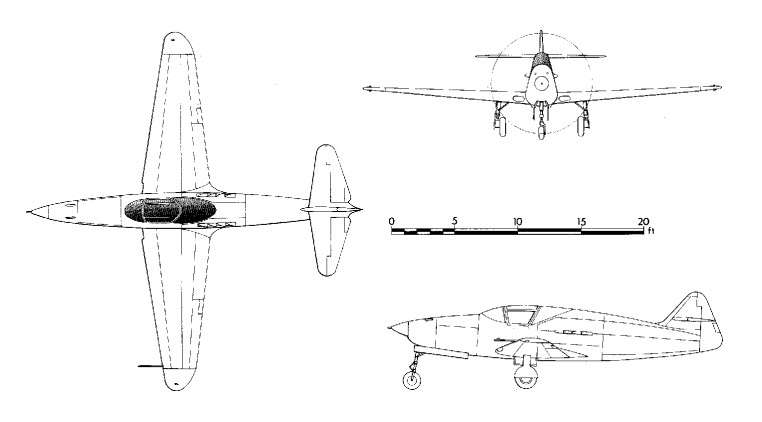
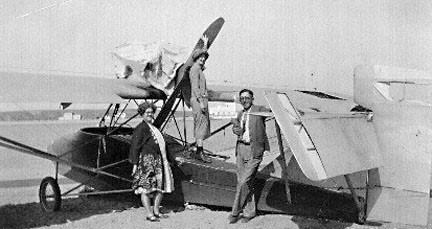
Tsapenko-Farcot Ornithopter

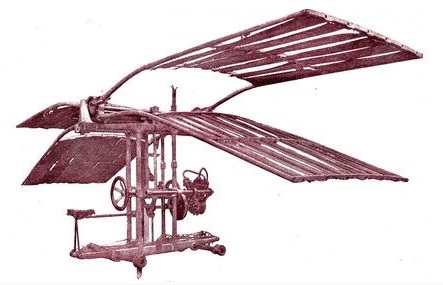
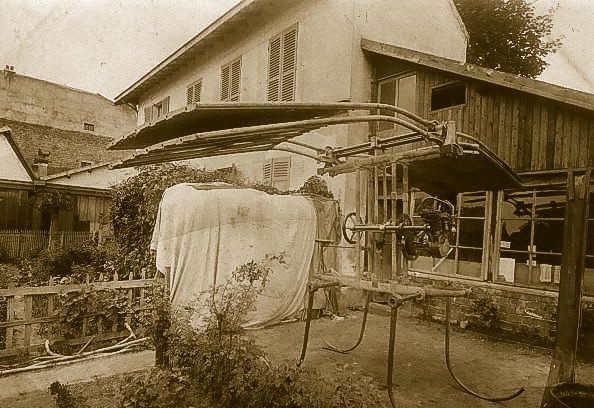
The 1908 Orthoptère of Spiridon Tsapenko [Спиридон Цапенко] and Joseph Michel Ambroise Farcot. The two photos taken by Branger on July 21, 1908 show a small scale version built as a pre-study for a full-size higher powered machine. This trial version had a 12 hp Farcot engine of 20 kg in weight, bringing the total weight of the machine to 150 kg.

TsAGI ANT-51

During 1937 8, Sukhoi was primarily concerned with the design of a light reconnaissance bomber intended to succeed the R 10, this being the ANT 51 two seat mid wing monoplane which, powered by an M 62 radial, flew in 1938. During the following year, Sukhoi established his own design bureau, and began the redesign of the ANT 51 with an M 88B engine, a low wing and an increased offensive load, this emerging as the BB 1, entering series production in 1940, and being redesignated Su 2 in 1941.

TsAGI ANT-31 / I-14

In 1932 Sukhoi was responsible for the design of a single-seat low-wing cantilever monoplane fighter, incorporating an enclosed cockpit and retractable undercarriage. This aircraft, the ANT-31 or I-14, flew in October 1933, and series production of an improved version, the I-14bis which first flew on 14 February 1934, was ordered but cancelled two years later when it was found impossible to eradicate some of the fighter’s shortcomings.