In 1910 Raoul Vendome built a monoplane weighing 100 lb. The folding aeroplane incorporated several features. It could be assembled or dismantled by two people in four minutes. When folded it could be stored in a space of 7 x 10 x 17 feet.
Vendome tried to perfect a simple, cheap aeroplane that anyone could build at home.
Designed or built several novel prototypes between 1906-1914, and after outbreak of First World War produced small number of single-seat monoplanes for artillery spotting for French Army. Last known design was 1916 experimental military biplane with two Gnome engines mounted laterally.
Designed by Dan J. Maher, the prototype Velocity first flew in July 1985, as the first four-seat, composite airplane kit, based on the Long-EZ.
The 1988 kit price, less engine, prop, and avionics, was $18,000.
First flying in July 1985, the Standard was available in RG and Elite models for $25,000-32,000.
The introduction of the larger wing 173 in 1992 introduced to the homebuilt category a more docile aircraft offering performance and efficiency. Kits were available in RG (retractable gear) and Elite (gull-wing) models for $26,000-33,000; partial and pre-built sub-assembly components were also offered on all kits.
Velocity 173 RG Elite
By 1998 seventy examples were flying.
The Velocity SEs aerodynamic stability is one of its strongest assets. Featuring easy-entry dual gull-wing doors, this model accommodates 160 to 220 HP powerplants, providing a cruise of from 150 to 187 knots, depending on horsepower, propeller pitch and landing gear selected. As with the XL model, this kit is available with fixed or retract gear.
Introduced in 1997, the Velocity XL (extra large), added more width and length to the fuselage and provides room for Lycoming IO-540, and Continental IO-550 series engines. The XL was also available in RG and Elite models for $34,000-38,000.
Velocity SE-FG
2003 saw the introduction of the Velocity XL-5 (nicknamed the “Dash 5”), which is an option to the XL kit. In addition to all the “extras” of the Velocity XL model, the “Dash 5” includes an extra seat (it can accommodate 3 children on the rear bench seat), extra baggage space, extra packing versatility, extra passenger comfort, extra useful load, extra engine power, extra braking power, and extra rudder control. In 2006 Velocity introduced the TXL, a series of modifications to the XL-5 to take full advantage of the Continental TSIO-550-C engine. The Continental C-model engine is a twin-turbo dual-intercooled 310HP power-plant which is turbo-charged to produce 100% of rated horsepower to about FL250. The factory demo aircraft “Turbo-Charlie” boasts true airspeeds at FL250 of 250 knots and with the increased speed comes increased effective range.
Velocity Jet
Antonio Espinal built his jet powered Velocity, N289AE, with the help of X-Jets. The first flight was successful, but the second flight landed short of the runway (accident), apparently because the pilot got behind the power curve and couldn’t get the engine to come up to power quickly enough. This plane was flying again as of 2009. Espinal was killed in a crash of his Beech 98 in March of 2010.
Velocity Jet
Velocity Engine: Lycoming IO-360, 200 hp Height: 7.9 ft Length: 16.25 ft Wing span: 28.63 ft Wing area: 125 sq.ft Fuel cap: 65 USG Weight empty: 1250 lbs Gross: 2250 lbs Speed max: 215 mph. Cruise: 200 mph Range: 1200 sm Stall: 75 mph ROC: 1400 fpm Take-off dist: 850 ft Landing dist: 800 ft Service ceiling: 20,000 ft Seats: 4 Landing gear: fixed nose wheel
Velocity 173 / Velocity LW
Velocity 173 RG Elite Empty weight: 567 kg Wing span: 8.73 m Wing area: 11.6 sq.m Fuel capacity: 246 lt Engine: Lycoming IO-360, 200 hp MAUW: 1020 kg Seats: 4 Max speed: 370 kph Cruise speed: 350 kph Minimum speed: 112 kph Climb rate: 7.5 m/s Fuel consumption: 40 lt/hr Kit price (1998): $28,000
Velocity 173RG Engine: Lycoming IO-360, 200 hp Height: 7.9 ft Length: 19.2 ft Wing span: 31 ft Wing area: 145 sq.ft Fuel cap: 75 USG Weight empty: 1300 lbs Gross: 2400 lbs Speed max: 210 mph Cruise: 200 mph Range: 1500 sm Stall: 69 mph ROC: 1700 fpm Take-off dist: 750 ft Landing dist: 700 ft Service ceiling: 20,000 ft Seats: 4 Landing gear: retractable nose wheel
Velocity Elite RG Engine: Lycoming IO-360, 200 hp Height: 7.9 ft Length: 16.25 ft Wing span: 28.63 ft Wing area: 125 sq.ft Weight empty: 1250 lbs Gross: 2250 lbs Fuel cap: 65 USG Speed max: 230 mph Cruise: 220 mph Range: 1320 sm Stall: 70 mph ROC: 1500 fpm Take-off dist: 850 ft Landing dist: 800 ft Service ceiling: 20,000 ft Seats: 4 Landing gear: retractable nose wheel
Velocity XL Engine: Lycoming IO-540, 260 hp Length Overall: 20′ Height: 7′ 9″ Wheel Base: 110″ Track Width: 80″ Wingspan: 31′ Canard Span: 188″ Main Wing Area: 122.5 Sq Ft Canard Wing Area: 22.8 Sq Ft Total Wing Area: 145 Sq Ft Empty Weight: 1700 lbs Gross Wt: 2800 lbs Useful Load: 1100 lbs Standard Fuel Qty: 70 USgals (93 opt) Wing Loading at Gross: 19.31 lb/sq ft Design Load Factors: +9/-7 G-Load Tested Airframe Load: +6 G-Load Cabin W/L/H: 47.5″ x 94″ x 43.5″ Seating: 2+2 Top speed: 239 mph Cruise: 228 mph Stall: 75 mph Range: 1110 sm Rate of climb: 1200 fpm Takeoff dist: 1400 ft Landing dist: 1500 ft Service ceiling: 20,000 ft Seats: 2+2 Landing gear: nosewheel
Velocity TXL Engine: Cont. TSIO-550-C (310hp) Length Overall: 20′ Height: 7’9″ Wheel Base: 110″ Track Width: 80″ Wingspan: 31′ Canard Span: 188″ Main Wing Area: 122.5 Sq Ft Canard Wing Area: 22.8 Sq Ft Total Wing Area: 145 Sq Ft Empty Weight: 1790 lbs Gross Wt: 2900 lbs Useful Load: 1110 lbs Standard Fuel Qty: 70 USgals (93 opt) Wing Loading at Gross: 20.0 lb/sq ft Design Load Factors: +9/-7 Tested Airframe Load: +6 G-Load Cabin W/L/H: 47.5″ x 94″ x 43.5″ Seating: 2+3 Takeoff Distance: 1300 ft Rate of Climb @ SL: 1600 fpm Landing Distance: 1500 ft Cruise Speed @ 75% Pwr: 250 ktas @FL250 Vne: 200 kias Ceiling: 25,000ft+ Range at 65% Power: 1250 nm Minimum Speed: 65 kts Landing Speed: 75 kts
Velocity XL-RG Engine: Lyc IO-540 300HP Takeoff Distance: 1300 ft Rate of Climb @ SL: 1500 fpm Landing Distance: 1500 ft Cruise Speed @ 75% Pwr: 205 ktas Vne: 200 kias Ceiling: 20,000ft+ Range at 65% Power: 1000 nm Minimum Speed: 65 kts Landing Speed: 75 kts
Velocity XL-FG Engine: Cont IO-550 310HP HP range: 260-310 Length: 20 ft Wing span: 31 ft Wing area: 145 sq.ft Empty weight: 1700 lb Gross weight: 2700 lb Fuel capacity: 70 USG Takeoff Distance: 1300 ft Rate of Climb @ SL: 1300 fpm Landing Distance: 1500 ft Cruise Speed @ 75% Pwr: 185 ktas Vne: 200 kias Stall: 75 mph Ceiling: 20,000ft+ Range at 65% Power: 816 nm Minimum Speed: 65 kts Landing Speed: 75 kts Seats: 4 Cockpit width: 49.5 in Landing gear: nosewheel
Velocity XL-RG Engine: Lyc IO-540 260HP Takeoff Distance: 1400 ft Rate of Climb @ SL: 1350 fpm Landing Distance: 1500 ft Cruise Speed @ 75% Pwr: 190 ktas Vne: 200 kias Ceiling: 20,000ft+ Range at 65% Power: 950 nm Minimum Speed: 65 kts Landing Speed: 75 kts
Velocity XL RG Engine: Continental IO-550, 310 hp HP range: 260-310 Length: 20 ft Wing span: 31 ft Wing area: 145 sq.ft Empty weight: 1700 lb Gross weight: 2700 lb Fuel capacity: 70 USG Cruise: 230 mph Stall: 75 mph Range: 1280 sm Rate of climb: 2000 fpm Takeoff dist: 1500 ft Landing dist: 1500 ft Seats: 4 Cockpit width: 49.5 in Landing gear: nosewheel
Velocity XL-FG Engine: Lyc IO-540 260HP Takeoff Distance: 1400 ft Rate of Climb @ SL: 1200 fpm Landing Distance: 1500 ft Cruise Speed @ 75% Pwr: 175 ktas Vne: 200 kias Ceiling: 20,000ft+ Range at 65% Power: 875 nm Minimum Speed: 65 kts Landing Speed: 75 kts
Velocity XL-5 Length Overall: 20′ Height: 7′ 9″ Wheel Base: 110″ Track Width: 80″ Wingspan: 31′ Canard Span: 188″ Main Wing Area: 122.5 Sq Ft Canard Wing Area: 22.8 Sq Ft Total Wing Area: 145 Sq Ft Empty Weight: 1800 lbs Gross Wt: 2900 lbs Useful Load: 1100 lbs Standard Fuel Qty: 70 USgals (93 opt) Wing Loading at Gross: 20.0 lb/sq ft Design Load Factors: +9/-7 G-Load Tested Airframe Load: +6 G-Load Cabin W/L/H: 47.5″ x 94″ x 43.5″ Seating: 2+3
Velocity XL FG-5 Engine: Continental IO-550, 310 hp HP range: 260-310 Length: 20 ft Wing span: 31 ft Wing area: 145 sq.ft Empty weight: 1750 lb Gross weight: 2900 lb Fuel capacity: 70 USG Cruise: 200 mph Stall: 75 mph Range: 1150 sm Rate of climb: 1400 fpm Takeoff dist: 1500 ft Landing dist: 1500 ft Seats: 5 Cockpit width: 49.5 in Landing gear: nosewheel
Velocity SE Length Overall: 19′ Height: 7′ 9″ Wheel Base: 100″ Track Width: 80″ Wingspan: 29′ 4″ Canard Span: 164″ Main Wing Area: 102 Sq Ft Canard Wing Area: 19.8 Sq Ft Total Wing Area: 121.8 Sq Ft Empty Weight: 1300 lbs Gross Wt: 2300 lbs Useful Load: 1000 lbs Standard Fuel Qty: 60 USgals. Wing Loading at Gross: 18.88 lb/sq ft Design Load Factors: +12/-7 G-Load Tested Airframe Load: +6 G-Load Cabin W/L/H: 42″ x 84″ x 42.5″ Seating: 2+2
Velocity SE-FG Engine: Lycoming IO-360, 200 hp HP range: 160-260 Length: 19 ft Wing span: 29.4 ft Wing area: 122 sq.ft Empty weight: 1300 lb Gross weight: 2300 lb Fuel capacity: 60 USG Cruise: 184 mph Stall: 63 mph Range: 1320 sm Rate of climb: 1500 fpm Takeoff dist: 1500 ft Landing dist: 1500 ft Seats: 4 Cockpit width: 44 in Landing gear: nosewheel
Velocity SE RG Engine: Lycoming IO-360, 200 hp HP range: 160-260 Length: 19 ft Wing span: 29.4 ft Wing area: 122 sq.ft Empty weight: 1300 lb Gross weight: 2300 lb Fuel capacity: 60 USG Cruise: 200 mph Stall: 63 mph Range: 1440 sm Rate of climb: 1500 fpm Takeoff dist: 1500 ft Landing dist: 1500 ft Seats: 4 Cockpit width: 44 in Landing gear: nosewheel
Velocity XL RG 5 Engine: Lycoming IO-540, 260 hp HP range: 260-310 Length: 20 ft Wing span: 31 ft Wing area: 145 sq.ft Empty weight: 1750 lb Gross weight: 2900 lb Fuel capacity: 70 USG Cruise: 230 mph Stall: 75 mph Range: 1270 sm Rate of climb: 1800 fpm Takeoff dist: 1500 ft Landing dist: 1500 ft Seats: 5 Cockpit width: 49.5 in Landing gear: nosewheel
Velocity TXL 5 Engine: Continental IO-550, 310 hp HP range: 260-310 Length: 20 ft Wing span: 31 ft Wing area: 145 sq.ft Empty weight: 1700 lb Gross weight: 2900 lb Fuel capacity: 70 USG Cruise: 290 mph Stall: 70 mph Range: 1320 sm Rate of climb: 2000 fpm Takeoff dist: 1300 ft Landing dist: 1600 ft Seats: 4 Cockpit width: 49.5 in Landing gear: retract nose wheel
SUV Engine: Lycoming O-320, 160 hp Length: 19 ft Height: 7 ft 9 in Wheelbase: 100 in Track width: 80 in Wingspan: 29 ft 4 in Canard span: 164 in Total wing area: 121.8 sq.ft Empty weight; 1235 lb Gross weight; 2250 lb Useful load; 1015 lb Usable fuel: 50+ US gal Wing loading: 18.37 lb/sq.ft Design load factor; +12 / -9 G Tested load factor: +6 G Cabin (LxWxH): 42 x 84 x 42.5 in Takeoff dist: 1600 ft Rate of Climb: 900 fpm Landing dist: 1500 ft Cruise 8500 ft: 160 kt Max speed SL: 168 kt Ceiling; 16,000 ft Range 75% pwr: 1000 nm Min speed: 55 kt Landing speed: 65 kt
Velocity Aircraft Inc., was formed in 1984 by Danny Maher in Sebastian, Florida, to develop and market a new 4-seat canard aircraft, based upon the successful Long-EZ design. After the prototype flew in July 1985, several kits were sold and close contact was maintained with initial builders to get valuable feedback in areas where the design could be (and subsequently was) improved. The Velocity received rave reviews by all of the flying press, and the 173 “LW” (long wing) model went on to further enhance the Velocity design.
1988: Velocity Aircraft 200 W. Airport Dr Sebastian Florida 32958 USA
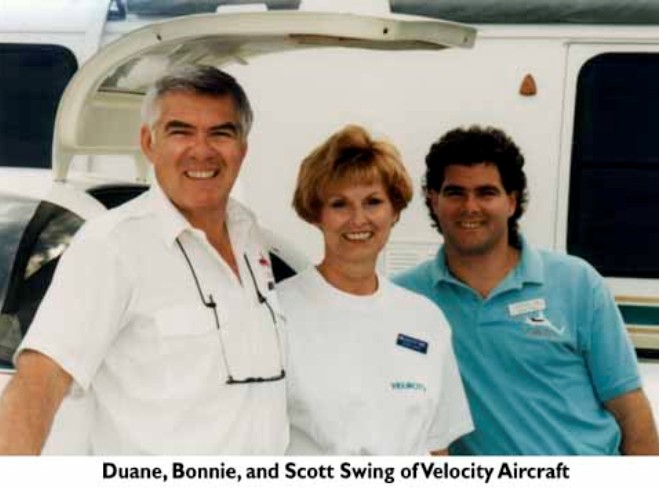
One of Danny Maher’s first kits was purchased by Duane Swing and his son Scott Swing, of Dayton, Ohio. After building their first Velocity, the Swings decided to make a retractable gear option available for the kit. In doing so, the Swings had developed a close relationship with Dan Maher. Thus, when Dan decided to sell the business, he first called the Swings. The Swings liked the proven and stable Velocity design so much that they bought the company assets from Dan in 1992 and moved their families to Sebastian. The Swings immediately established a marketing program to promote the original standard Velocity, while taking the business much further. New avenues were explored to enhance the existing Velocity designs, ranging from the addition of pre-molded kit parts to the gull-wing door, introduced in 1995. 1996-8: 200 W. Airport Dr, Sebastian, FL 32958, USA. In 2008 Velocity Aircraft announced it had been purchased and would become a subsidiary of the Rocket Racing Group. Duane Swing simply wanted to retire.
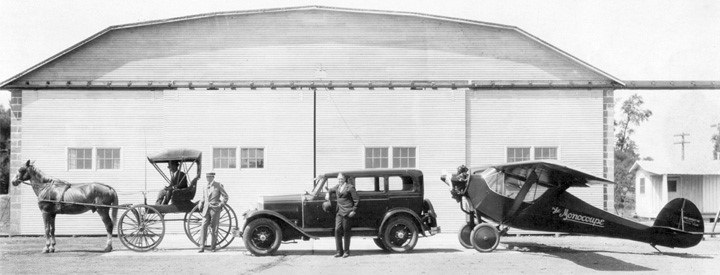
More known for his carriages, automobiles and racers, and motors, Velie (grandson of John Deere) also capitalized and manufactured the initial 55-65hp Monocoupe aircraft upon acquisition of controlling interest in Central States Aircraft Co in 1927, hence early popular reference to “Velie Monocoupes” signifying not only the powerplant but the constructor.
Velie product lineup
When Velie died of an embolism in Oct 1928, his son took the reins but he, too, suffered a heart attack in Mar 1929 and Don Luscombe took over.
1928: Mono-Aircraft Corp (pres: W L Velie), 1616 McGee St, Moline IL. USA
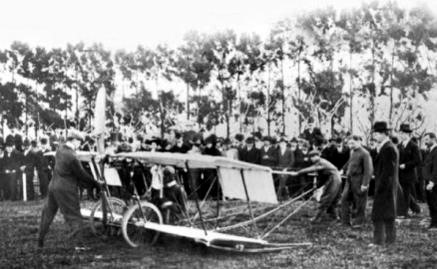
The machine was designed and built by the four (!) brothers Escofet and Enrique Martinez Velazco together with the Frenchman Henri de Rosiers. It was built as a glider then fitted with an Anzani engine but flight could not be achieved. Parts of the Escofet I were used in the second model. The Escofet II was momentous as it was the first machine in Uruguay to have actually flown on August 26, 1910. This first flight was also the last for the machine as on landing after about 200 meter it crashed severely, wounding the pilot.
Parts of the Escofet I were used in the second model.
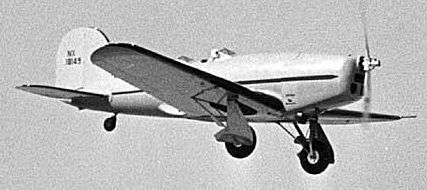
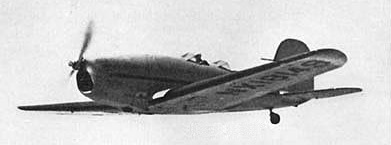
The 1938 Vega Flying Test Stand (ATC 2-423) was designed by Jack Wassall and W N “Wally” Wallace, and assembled from various Lockheed components. First designated Lockheed Altair 8-G and registered NX18149, it was used to test experimental 520hp Menasco U-520 Unitwin (twin 260hp Super B with single propeller) for use in a planned Starliner.
Sold to Lockheed dealer Howard Batt when it was no longer needed, repowered with 450hp P&W Wasp SC under (2-423) in 1939 and reregistered as Lockheed Altair 8-D in 1940.
USA Vega Airplane Co was known formerly as Airover Company, Victory Blvd and Empire Ave, Burbank, California, formed at 923 E San Fernando Rd, Burbank, California, as associated company of Lockheed Aircraft Corporation in 1937. Began research/development experiments with light aircraft, devising (with Menasco) a unit called Unitwin; two small engines coupled side-byside to drive single propeller flight-tested in Lockheed Altair in 1938. Then designed five/six-seat Starliner twin-tailed low-wing cabin monoplane using similar powerplant. Small batch of radio-controlled targets built in 1939. Factory expanded 1940, and mid-year received contract to build large numbers of Lockheed Ventura bombers for RAF. Then, in conjunction with Boeing and Douglas, mass-produced Boeing B-17 Flying Fortress bombers; became wholly owned subsidiary of Lockheed in 1941 as Vega Aircraft Corporation (pres: Courtland S Gross).
From 1941 Vega Aircraft Corp became Vega Airplane Company; continued production of Lockheed-Vega B-34 Ventura twin-engined medium bomber for USAAF/USN/RAF and Boeing B-17 Flying Fortress for USAAF between 1941 and 1944. Absorbed into Lockheed Aircraft Corporation 30 November 1943; name Vega abandoned; Vega plant became Lockheed’s Factory A. Ventura B-34 production ended 1943; PV-1 naval version and Boeing B-17 manufacture continued until 1944 under responsibility of Lockheed.


 All Aero