The 1913 Albatross DD2 “Pfeil” (Arrow) biplane was designed and built by Albatross Company in Germany.
The 1913 Albatross DD2 “Pfeil” (Arrow) biplane was designed and built by Albatross Company in Germany.
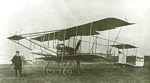
The 1911 Albatros MZ 2 biplane was designed and built by Albatros Company.
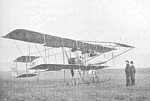
The 1910 Albatros biplane was designed and built by Albatros Works in Germany.
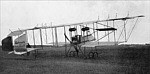
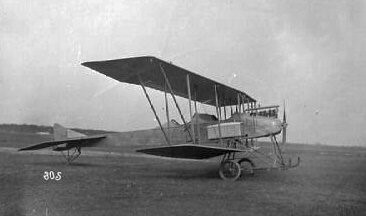
The 1913 Albatros DE of 1913 doppeleindecker type, quite likely a training machine, given the skids and the apparent comfort provided to the instructor in back. Its 6-cylinder engine was either a Daimler Mercedes D.I or D.II of 100 or 120 hp.
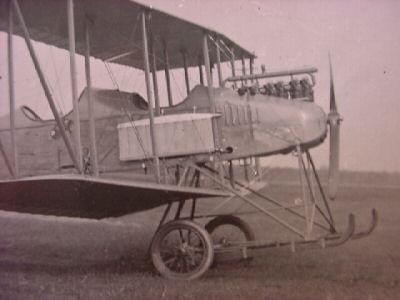
Very similar to the Albatros Uhu Schuldoppeldecker (training biplane) dating from 1913, described by Lange as having many of the same qualities.
Span: 47’3″
Length: 29’10”
Weight empty: 1389 lbs
Speed: 49 mph
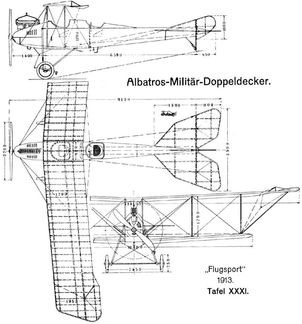

The Albatros-Pietschker-Renndoppeldecker was an Albatros SZ 1 sport biplane with a 70 hp Gnôme, built for Alfred Pietschker in 1911.
Albatros-Pietschker-Renndoppeldecker
Engine: 70 hp Gnôme
Span 10 m
Max speed: 85 km/h
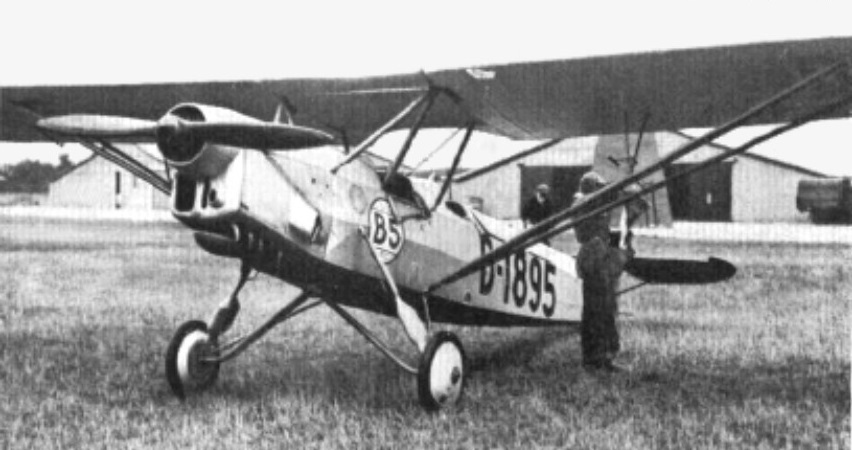
The Albatros Al 101 was a 1930s German trainer aircraft. It was a parasol-wing monoplane of conventional configuration, and seated the pilot and instructor in separate, open cockpits.
The 1913 Albatross WDD bi-seaplane was designed and built by Albatross Company in Germany.
Engine: Argus As II, 118 hp
Crew: 2
A reconnaissance aircraft of 1927. Only six were built.
L 76
Engine : BMW VI 5, 592 hp
Length: 28.051 ft / 8.55 m
Height: 12.27 ft / 3.74 m
Wingspan : 41.864 ft / 12.76 m
Wing area : 299.239 sqft / 27.8 sq.m
Max take off weight : 5380.2 lbs / 2440.0 kg
Weight empty : 3561.1 lbs / 1615.0 kg
Max. speed : 127 kts / 235 km/h
Wing load : 18.04 lb/sq.ft / 88.0 kg/sq.m
Crew : 2
L.76a
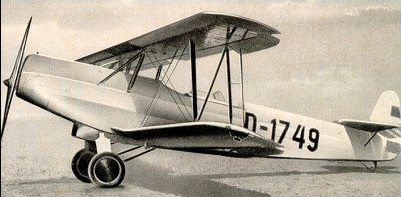
A two-seat advanced training biplane, of which 41 models were produced including the prototype. The models were: a,b,c,d,E,F,DSA and DSB.The engines varied with the prototype having a BMW IVa all other models featuring the BMW Va except for the b,F and DSB which used the Junkers L5. Performance for all models was reasonably similar.
Engine: 1 x BMW VA, 280kW
Take-off weight: 1835 kg / 4046 lb
Empty weight: 670 kg / 1477 lb
Wingspan: 12.5 m / 41 ft 0 in
Length: 10.0 m / 32 ft 10 in
Max. speed: 208 km/h / 129 mph
Cruise speed: 180 km/h / 112 mph
Ceiling: 5100 m / 16750 ft
Range w/max.fuel: 1950 km / 1212 miles
Crew: 2
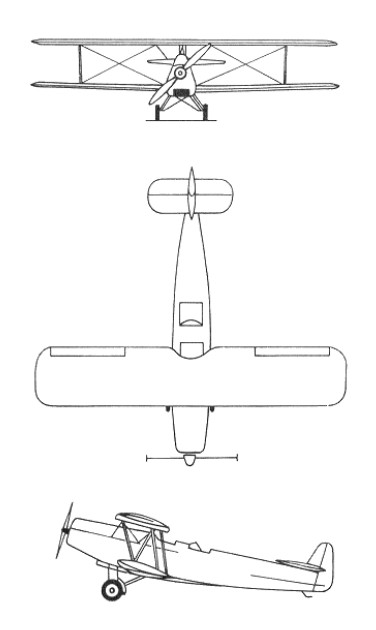
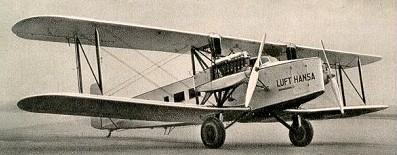
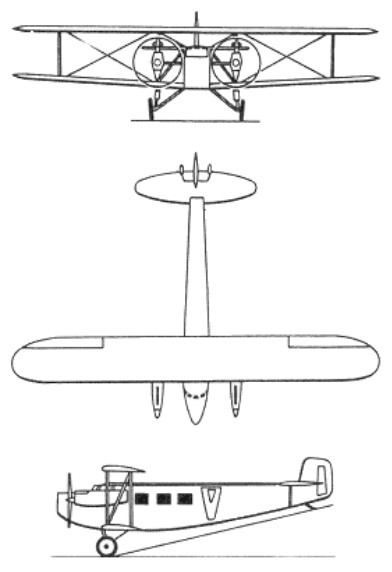
An eight-passenger biplane airliner of 1926, powered originally by two 179kW BMW Va engines, but subsequently fitted with 268kW BMW Vas. Four were built for Luft-Hansa, flying night sections of several domestic and international routes until the early 1930s. Two were later sold to Bulgaria
A luxurious aircraft for its time, the L73 featured reclining seats for all passengers.
Engine: 2 x BMW IV, 280kW
Wingspan: 19.7 m / 64 ft 8 in
Length: 14.6 m / 47 ft 11 in
Height: 4.7 m / 15 ft 5 in
Wing area: 92.0 sq.m / 990.28 sq ft
Take-off weight: 4600 kg / 10141 lb
Empty weight: 1690 kg / 3726 lb
Max. speed: 158 km/h / 98 mph
Cruise speed: 145 km/h / 90 mph
Ceiling: 3000 m / 9850 ft
Range w/max.fuel: 600 km / 373 miles
Crew: 2
Passengers: 8