2-seat tandem RG aerobatic tourer.
Aircraft
Asso IV Whisky
2-seat tandem taildragger with fixed or retractable maingear. (Also known as Aerostar?)
Asso II
Four seater, also known as RD 30V, never flown because of the introduction of an Italian luxury tax based on aircraft weight
Asso I
Side-by-side 2-seat taildragger built by Vidor based on the Piel Super Emeraude – one built 1980. It is also known as RD 95, after Vidor’s friend and advisor, Robert Denize, who had collaborated with Claude Piel. Another, built by Vidor, first flew in 1984.
Asso Aerei
Asso Aerei Srl (English: Ace Aircraft Limited) is an Italian designer of light and ultralight aircraft founded by Giuseppe (Bepi) Vidor. Vidor (died 23 September 2013 aged 72) was a carpenter who studied engineering at night school, and all his aircraft are wooden designs, most with tricycle landing gear. The aircraft are homebuilt from plans or from very basic kits. The name Vidor Asso is also used.
Uncompleted projects:
Asso XVI
Tandem 2-seater with pusher engine at the rear.
Asso XVIB
Twin-Wankel engines driving a single propeller.
Asso XVII
Side-by-side version of the X Jewel.
Asso XVIIB
Side-by-side version of the X Jewel.
Assd Enterprises Polecat / Firebird Ent Polecat
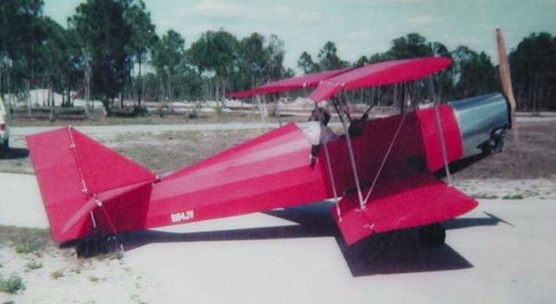
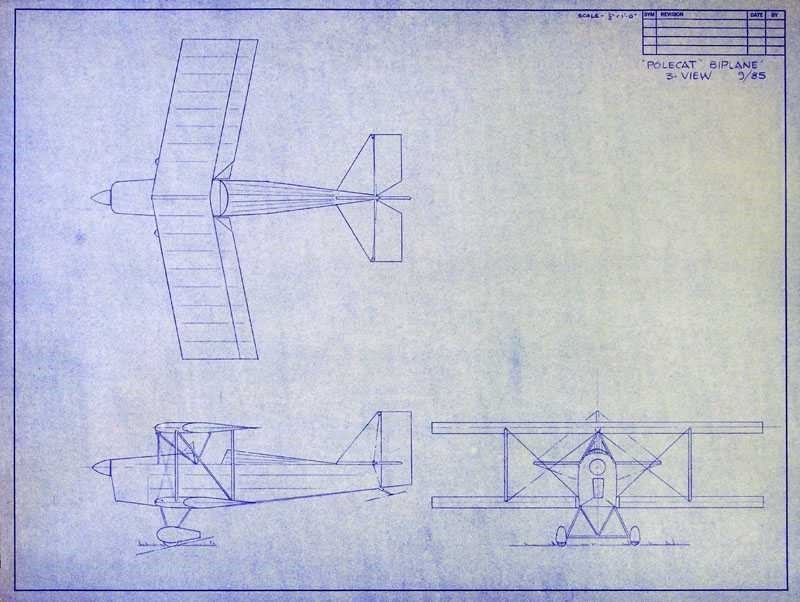
From North Fort Myers, FL, United States, an all-metal, fabric covered single seat aerobatic biplane first flown in September 1984 (Registration N84JV). Intermediate level aerobatic capabilities. Four full span ailerons on swept symmetrical wings (NACA 0012 airfoil) with no stagger and no dihedral. Wing incidence is 0° top and bottom. No aileron differential motion.
Fuselage is welded 4130 tubing, fixed tail surfaces are welded aluminum tubing with formed aluminum ribs, control surfaces are aluminum tube spars with formed ribs and trailing edges. Wings are aluminum tube spars with press-formed aluminum ribs all bonded with aluminum castings at the structural attach points. All control surfaces feature ball bearing hinges. Aileron and elevator controls are pushrod operated, the rudder is cable operated.
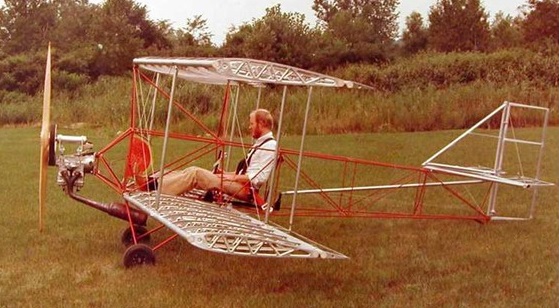
All flying and landing wires are fixed length wire rope with swagged fittings. Tension is provided by the interplane struts which feature left and right hand threads allowing them to be length adjusted to tension the wires. This design allows for easy disassembly and reassembly and rigging for trailer transport between airshows.
Various engines including Rotax 532 and Kawasaki 750 Turbo running a 100″ diameter prop through an integral 5:1 gearbox. Fuel tank is wedge-shaped (like a section of a watermelon) welded aluminum with a flop tube for inverted flight. Rigid main landing gear, no brakes, tailskid (later with swiveling/locking tailwheel and brakes). BRS eqiupped.
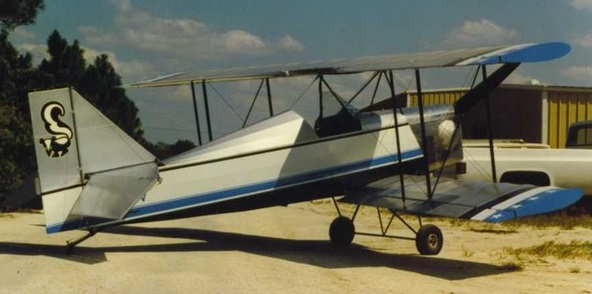
Engine: Rotax 582
Wing Span: 18 feet
Empty Wt: 278 lb for first flight, 425 lb with larger engines and mods
Gross Wt: 525 lb with Rotax, later 700 lb
Top Speed: 80mph (uncowled Rotax 532)
Stall Speed : ~40mph
Roll Rate: 180°/sec @ 80mph
Fuel: originally 3 USgallons, later 6 USgallons
Endurance: Approximately 30 minutes
Structure: ± 6g (Limit)
ASL Hagfors Aero AB.
Sweden Marketed a certificated version of the Highlander, as the Opus 280.
Ask-Nyrop Monoplane No.1 Gräshoppan / Grasshopper

Swedish Ask-Nyrop Monoplane No.1 “Gräshoppan” (Grasshopper) of 1910, built by Oskar Ask and Hjalmar Nyrop in Landskrona.
ARV Super 2 / ASL Hagfors Aero AB Opus 280
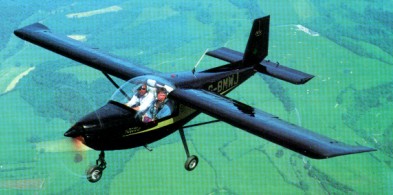
Richard Nobles design team aimed for an aircraft that was inexpensive to fly and buy; have two seats; should have an all-metal airframe; and be available as either factory assembled or as a simply assembled kit. The engine, custom-designed by Mike Hewland, is an inverted, inline three cylinder, 77 hp, water-cooled engine weighs in at 120 lbs with a 14 lb radiator located under the fuselage behind the cabin. It featured electronic ignition. The aircraft has been approved to United States FAR Part 23 requirements.
The engine burns a two stroke mixture on a 40-1 ratio although testing has provided satisfactory performance throughout a range of 20-1 to 95-1. Fuel burn is around three gallons an hour, either an avgas or mogas mix with oil.
The prototype, G OARV, made its first flight on 1lth March 1985 and was followed into the air by the second aircraft on 12th November. The fourth (004) was delivered in kit form to L.Wensley of Lincoln.
The Super 2 was later developed into the Swedish, certificated, Opus 280 by ASL Hagfors.
The Super 2 later became the Island Aircraft ARV-1 Super 2, then the Aviation Scotland ARV-1 Super2.
Highlander Aircraft Corp offered Highlander two-seat monoplane in kit form circa 1997.
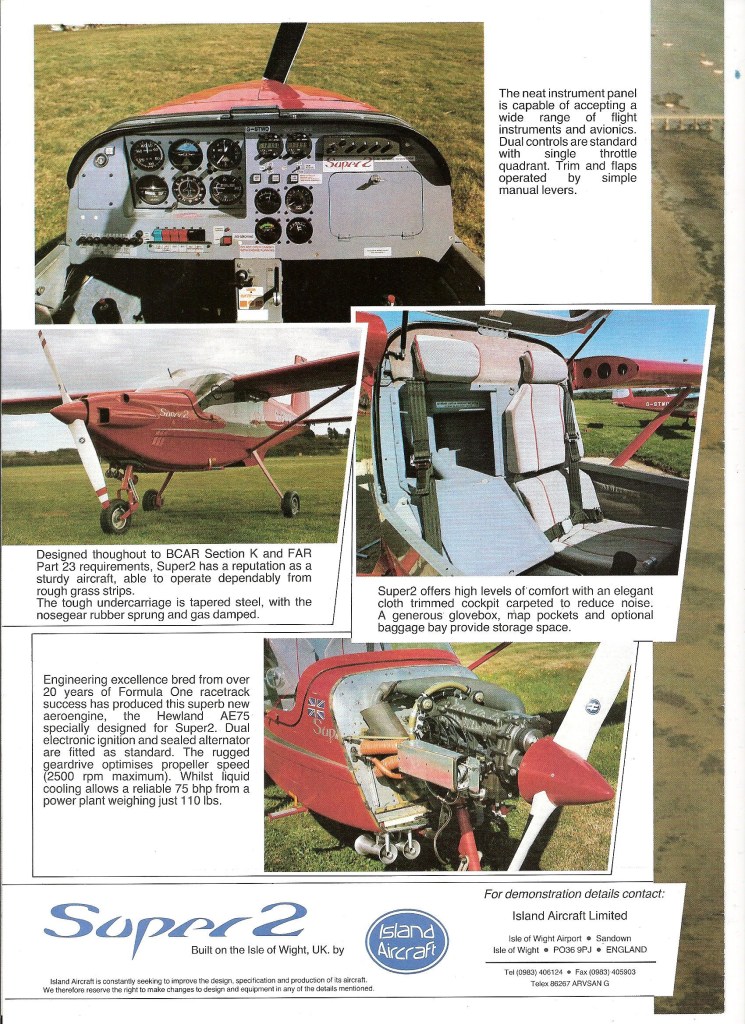
ASL Hagfors Aero AB of Sweden marketed a certificated version of the ARV Super 2 Highlander, as the Opus 280.
ARV Super 2
Engine: Hewland AE75, 77 hp
Length: 18.045 ft / 5.5 m
Height: 7.546 ft / 2.3 m
Wingspan: 28.543 ft / 8.7 m
Wing area: 92.57 sq.ft / 8.6 sq.m
Max take off weight: 1102.5 lb / 500.0 kg
Weight empty: 674.7 lb / 306.0 kg
Max. weight carried: 427.8 lb / 194.0 kg
Max. speed: 103 kt / 190 km/h
Landing speed: 48 kt / 88 km/h
Cruising speed: 86 kt / 160 km/h
Initial climb rate: 590.55 ft/min / 3.00 m/s
Service ceiling: 13123 ft / 4000 m
Wing load: 11.89 lb/sq.ft / 58.0 kg/sq.m
Range: 367 nm / 680 km
Crew: 2
Engine: MWAE AE100R (100hp 2 rotor Wankel).
Max speed: 98 kts.
Cruise: 84 kts.
Highlander Aircraft Highlander
Engine: Rotax 912, 80 hp.
Speed max: 145 mph.
Cruise: 125 mph.
Range: 530 sm.
Stall: 50 mph.
ROC: 800 fpm.
Take-off dist: 600 ft.
Landing dist: 700 ft.
Service ceiling: 10,000 ft.
Fuel cap: 20 USG.
Weight empty: 715 lbs.
Gross: 1165 lbs.
Height: 10 ft.
Length: 18 ft.
Wing span: 29.5 ft.
Wing area: 92.5 sq.ft.
Seats: 2.
Landing gear: nose wheel.
Artigalá Argentino 1ro
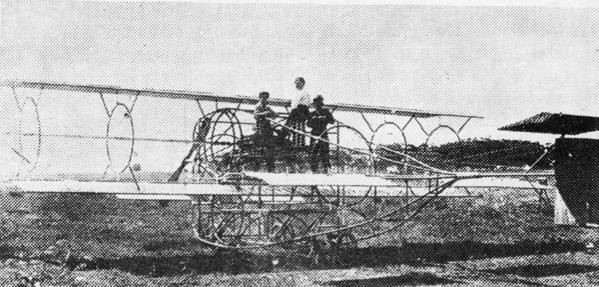
Designed by Argentinian amateur Enrique Artigalá and known as the Argentino 1ro, quoted as fitted with a 50 hp Gnôme and built during 1911.

