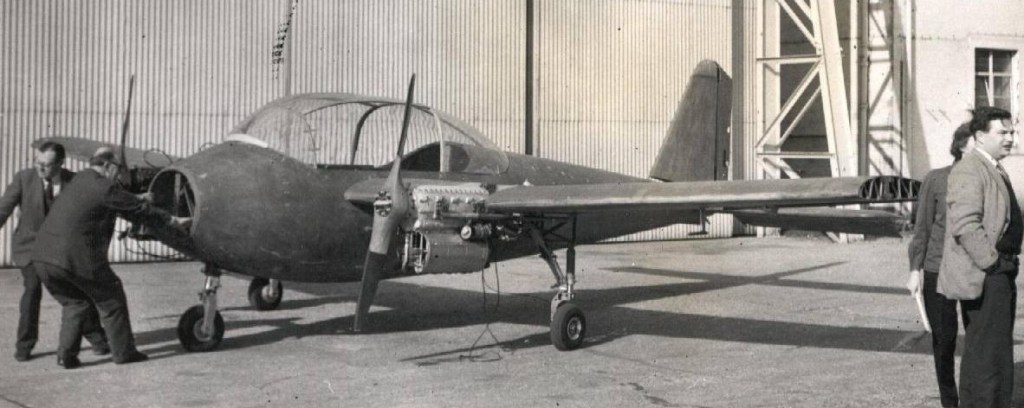
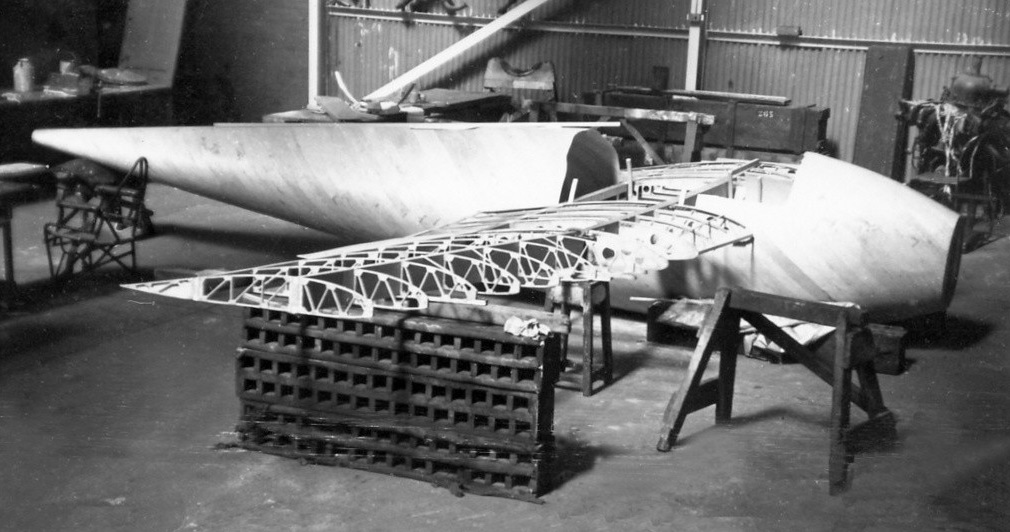
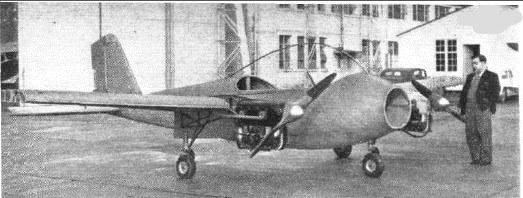
The Bellamy Hillborne B.H.1 Halcyon was an all-wood four-seater with retractable nose wheel undercarriage, powered by two 105 h.p Walter Minor engines. Designed by R.J.Hillborne and built at Eastleigh by the Hampshire Aero Club under the direction of Vivian H.Bellamy 1960-61.
One aircraft only built: G-ARIO. C/n HAC.5., registered (C of R R7117/1) to Vivian H. Bellamy 30.1.61. Construction well advanced by May 1961 and engines run September 1961, but the project was abandoned when the aircraft was damaged during taxiing trials at Eastleigh Airport, Southampton, Hampshire 17.2.1962. Reportedly G-ARIO collided with Hampshire Aeroplane Club’s hangar and was wrecked.
The damage suffered in taxiing trials was severe, namely a fracture of the centre section rear spar which rendered the Halcyon beyond economic repair and thus the project was abandoned, the aeroplane was put into storage and eventually its remains were burned.
Despite this, the registration was not cancelled until eleven years later – on 13.9.73 – as P.W.F.U. (“Permanently Withdrawn From Use”)
V.H. Bellamy built a full-size replica of an Avro 504K in 1966 at Blackbushe for a film. Registered G-ATXL cn HAC-1, it first flew on 17 August 1966 with an original Gnome engine.
In the end the film was never staged, or at least did not use the 504K, and it was stored until 1970 when it was sold in the USA as N2939.
Engine: Gnome Wingspan: 36 ft 0 in Length: 29 ft 0 in
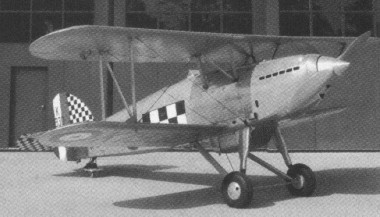
For many years the Fury was ‘extinct’ as a type and so in the early 1980s Viv Bellamy was contracted by the Hon Patrick Lindsay to build a full size Fury replica for him in Cornwall, England. An original Rolls Royce Kestrel was found after much searching in New Zealand (ex Pete Coleman), where it had been fitted to a Hawker Hind. This is a Kestrel V of 640 hp, rather than the Kestrel II of 525 hp the Fury was originally fitted with. After completion, the Fury replica was registered as G-BKBB and painted up as X1930 from 43 Squadron ‘The Fighting Cocks’. Patrick Lindsay was a very ill man, but was able to see the aircraft’s first flight on December 11, 1985 (in the hands of Viv Bellamy) before his death. Cared for by Personal Plane Services at Booker, Buckinghamshire, the aircraft was rarely seen, and rumours of possible show appearances and offers for sale abounded, including a static appearance at Christie’s Auction at IWM Duxford in 1990, where it failed to sell with a reserve of £ 200,000 and less than three hours flying time. Afterwards it was sold to the Belgian Vintage Aircraft Flying Museum. In 1996 it was flown to Belgium and was placed on the Belgian registration as OO-HFU. During an airshow it crashed and was damaged. A rebuild was undertaken in 2001 by Skysport Engineering and a number of test flights were carried out in the UK. The Fury was then based at Old Warden for a short period. In June 2003 Dirk De Slenter flew it back to Belgium and it went in to storage at Kortrijk Wevelgem, it having been decided by the late owner’s family that it was too precious to fly. In 2009 the Fury and its engine was surveyed by a technician for Mr Gerald Yagen and the aircraft was sold from Belgium to Jerry Yagen’s Military Aviation Museum, Virginia Beach, VA, USA, soon after and later shipped to the USA.
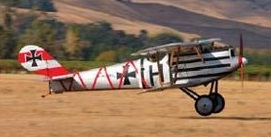
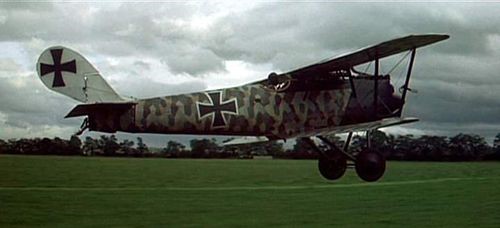
20th Century Fox purchased the film rights of Jack D Hunter’s “The Blue Max” and the film was to be a multi-million dollar production, and the stars were to be the full sized reproductions of World War I fighters constructed for the film- two Pfalz D.III biplanes, two Fokker Dr.I triplanes, two S.E.5a scouts and three Fokker D.VII biplanes.
The reproductions had to be built in a hurry to meet the time frame for shooting and were constructed in different locations. One Pfalz D.III reproduction each was constructed by Personal Plane Services (G-ATIF, ZK-FLZ) and the other by the Hampshire Aero Club (reported as G-ATIJ and G-ATIG).
The availability of these aircraft would see them appearing in more movies. “Darling Lili” of 1970 was a vehicle for Rock Hudson and Julie Andrews. A musical comedy, the building of six S.E.5a reproductions added to the Allies squadron. These were based on the Currie Wot airframe and were referred to as Minis due to their not being full size reproductions. Appearances in “You Can’t Win them All”, “Von Richtofen and Brown” (aka “The Red Baron”), and “Zeppelin”, followed. The latter two movies saw fatal crashes and the aircraft were soon after dispersed to private collections.
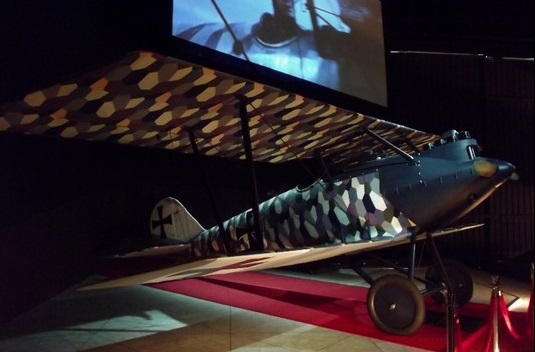
One of two produced for the movie ‘The Blue Max’ in 1965, c/n PT16 ex EI-ARD, G-ATIJ, N905AC, ZK-JPI, was built by Viv Bellamy of the Hampshire Aero Club in England from drawings by Ray Hillborne. The aircraft was presented in a spurious seven colour lozenge paint scheme for the filming. After spending some time in Ireland, the aircraft was later sold to Frank Ryder and operated from the museum in Alabama. In the mid-1980’s many of the ‘Blue Max’ aircraft were purchased by the ‘Fighting Air Command’ and moved to Hartlee Field near Denton, Tx. At that time the aircraft was was presented in a black fuselage and purple wings and was no longer airworthy. The aircraft was acquired by the Omaka Fighter Collection and imported into New Zealand in September 1999. The collection is managed by the 14-18 Aviation Heritage Trust, which is chaired by Peter Jackson.
Both of the Pfalz replicas and one Fokker D.VII now belong to New Zealand film director Peter Jackson’s 1914–18 Trust, with the Viv Bellamy-designed Pfalz being on display at the Omaka Aviation Heritage Centre in New Zealand. All three aircraft are kept in fully airworthy condition.
Engine: Gipsy Major 10-II Span: 30.11 ft Length: 23.02 ft
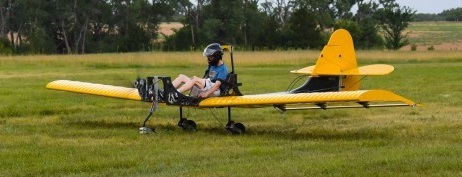
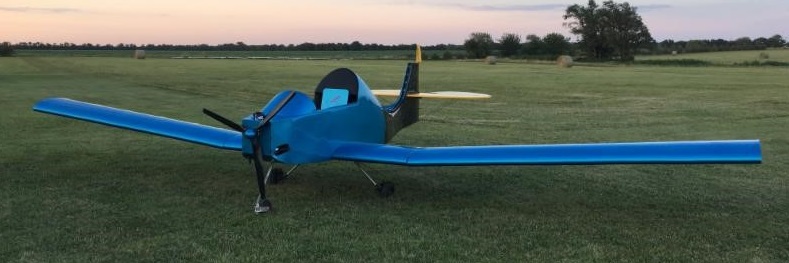
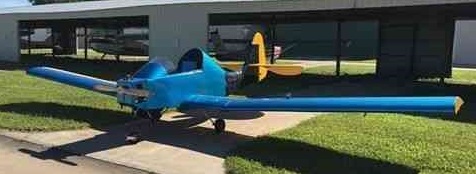
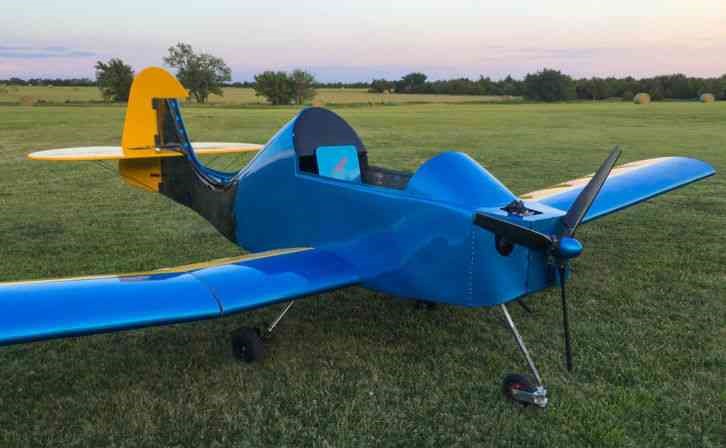
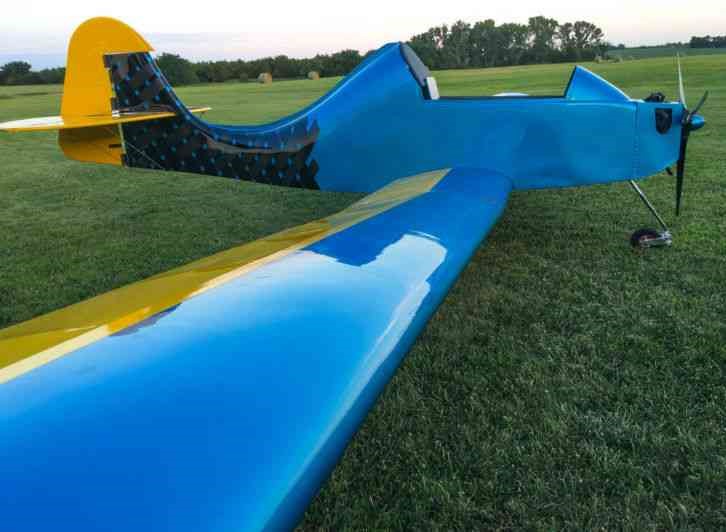
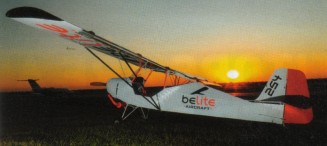
In 2015 Belite Enterprises LLC said the finished product of Belite Aircraft’s new ultralight kit, the Belite SkyDock, successfully flew for the first time. According to the company, “James did several runs up and down the runway. As soon as the plane started to climb, he reduced power to stay in ground effect.
Belite’s SkyDock prototype undergoing taxi tests
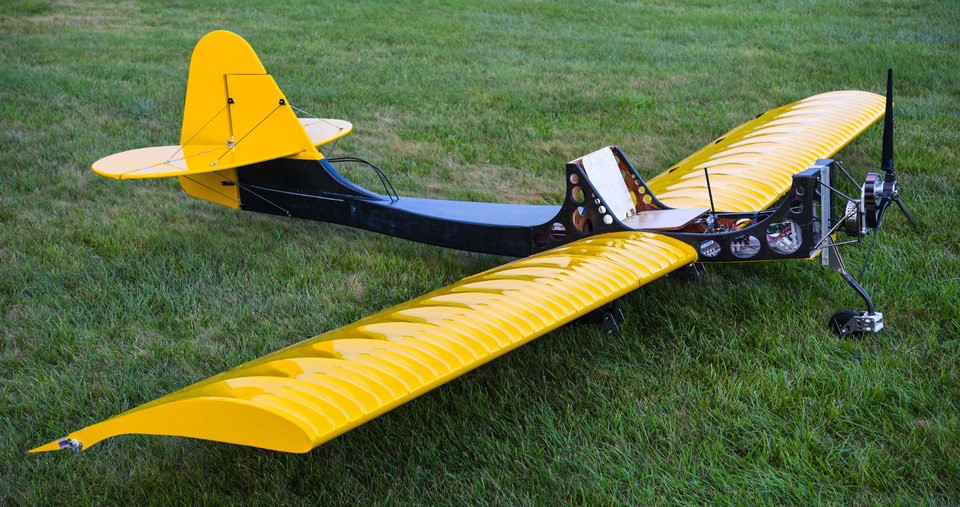
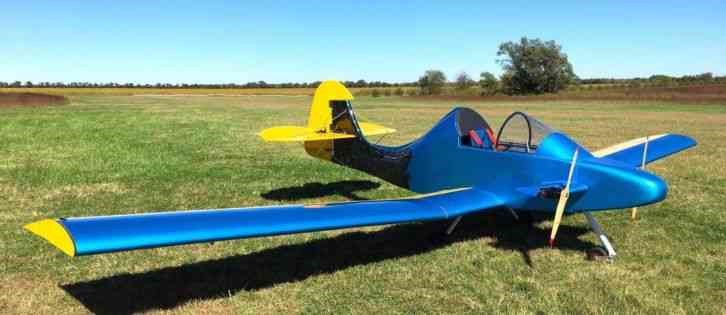
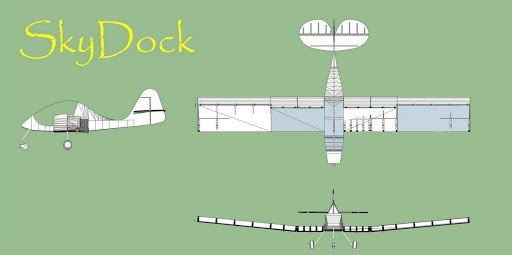
The SkyDock requires less time to build compared to most aircraft kits, and was designed to make building as easy as possible, according to the company. The parts of the kit are made from fiberglass and carbon fiber reinforcements. The SkyDock is made from CNC-cut wood, foam, and aluminum and the parts of the kit come machine cut and drilled, so there’s no welding required.
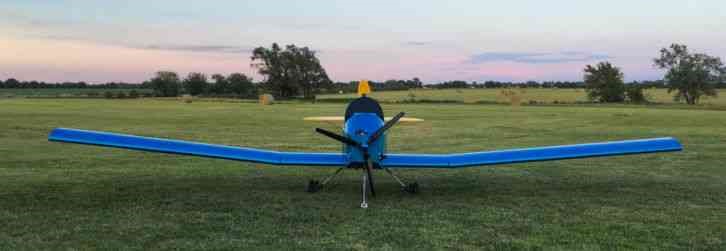
For the wings, Belite said the builder has to build the spar, put the ribs in place, and apply glue. The low-wing is completely strutless and is designed for efficiency, low drag, and low speed. The SkyDock also features detachable wings for ease of storage and transport.
The Belite SkyDock is available for preorder for $3,995.
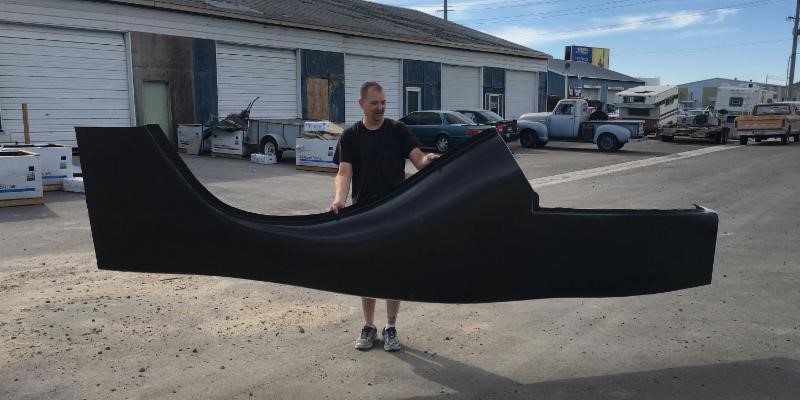
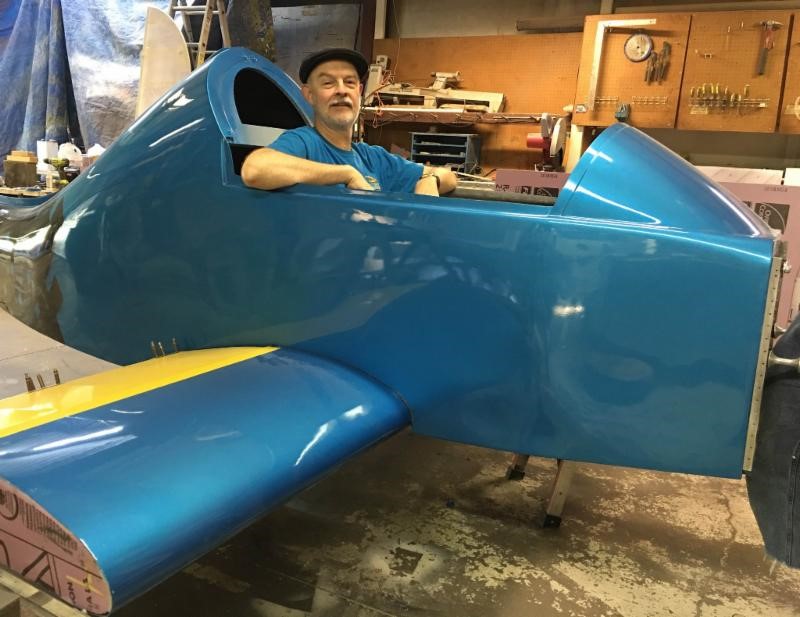
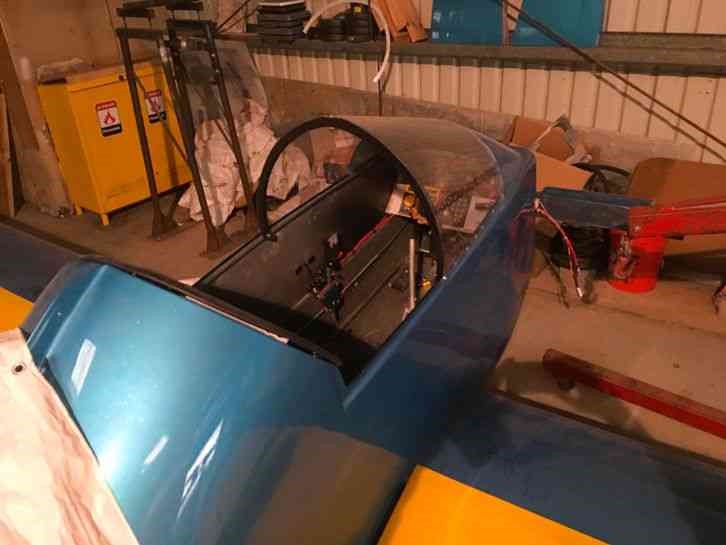
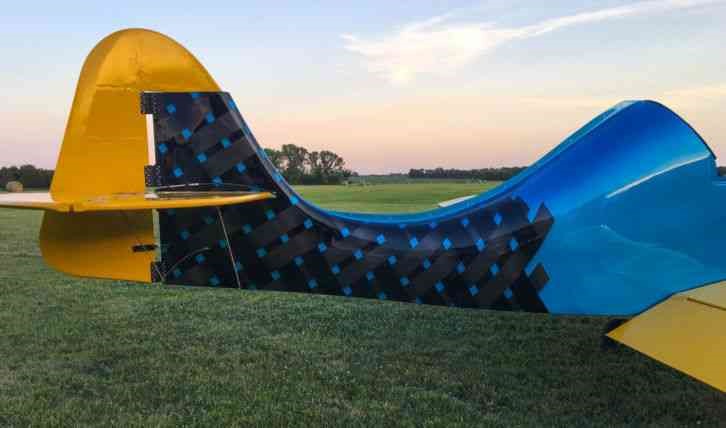
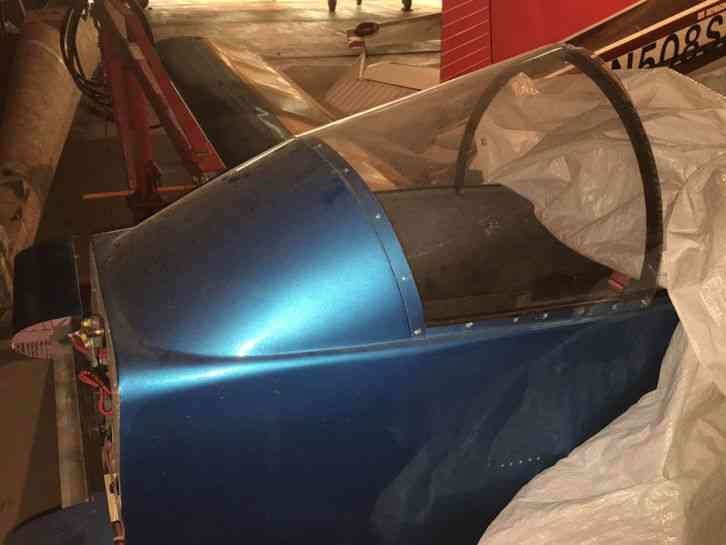
In July 2016 Belite Aircraft’s SkyDock had been updated with a molded carbon fiber fuselaget. With 60 hp, the SkyDock will cruise at about 120 mph. With 36.5 hp, full-power speeds are expected to be greater than 85 mph.
The cabin features an aluminum spar carry-through and carbon fiber over foam core construction. The low-wing, strutless design allows for easy building and high strength, yet the wings detach for storage or transport.
When configured as an ELSA, the SkyDock has about 500 miles. Configured as an ultralight, maximum full-power cruise is 62 mph.
Kits for the SkyDock are priced to reflect different builder preferences, skills, and pocketbooks. The base airframe kit, which includes pre-molded carbon-fiber skins, is priced at $11,280. A complete kit, which includes a full complement of machined components and all nuts, bolts, and rivets, is priced at $20,675. The Polini Thor 250 36.5-hp engine sells for $4,500.
A limited number of additional delivery positions are available for late 2016 and throughout 2017.
In 2016 The BeLIte carbon fiber prototype aircraft known as SkyDock was offered for sale without reserve, as-is.
Located in La Moille IL, the landing gear were included but not installed, windshield included, but Firewall Forward is not included.
It weighs about 240 pounds on landing gear, without engine.
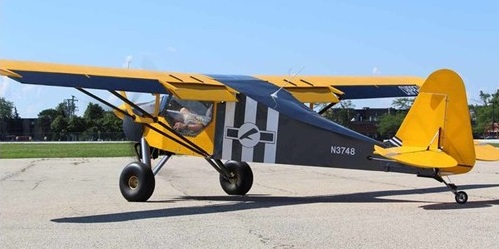
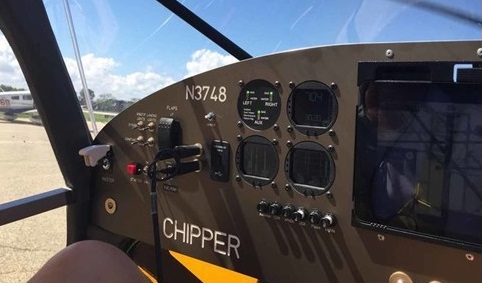
In April 2017 the Belite Chipper hadn’t flown. The Chipper was a work in progress and had to be shipped to Lakeland aboard a truck. Belite Aircraft’s Wiebe said he was creating the experimental Chipper two-place tail dragger as a kit powered by either an 80 or a 100 hp Rotax engine. The prototype Chipper moved from Wiebe’s CAD-machine design to the airplane in four months.
The Chipper kit has very little welding and little use of aluminium. Much of the aircraft is covered with Oratex and use composites and a honeycomb material where they fit. The airplane uses a center-of-the-cabin control stick but came with only a single set of rudder pedals and a side throttle on the left. Additional rudder pedals were in the works, as were a host of other changes.
At AirVenture ‘17 the Chipper had flown off its initial 40-hour flight waiver. A Chipper kit costs $8,995 in 2017, that price doesn’t include the engine, propeller or cockpit instruments. A finished Chipper will run about $32,000.
Empty weight: 520 lb Max gross: 1,000 lb Takeoff roll: less than 300 ft
The single seat Belite light sport aircraft first flew on 4 July 2009. The 135 kg aircraft utilises carbon fibre materials in the fabrication of struts, ribs and wing spar. The prototype was powered by a 28 hp / 29 kW MZ-34 engine
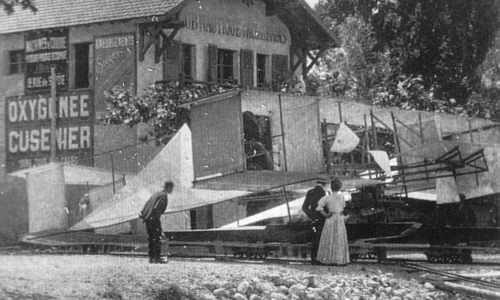
A 1912 pedal-powered monoplane built by Wandsworth blacksmith H. W. G. Belbin, using an old bicycle frame and wings made of bamboo and oiled canvas. It was driven on the ground by the rear wheel, which also drove the tractor propeller. The machine was “constructed under difficulties, and in spare time, the family kitchen having been utilized as a workshop”, and it bore “unmistakable evidence of the trade of its builder in the form of many fancy bits of smithing”.