Watanabe developed seaplanes (E13A, E14Y) during Second World War, and fighters (A5M and J7W).
Aircraft
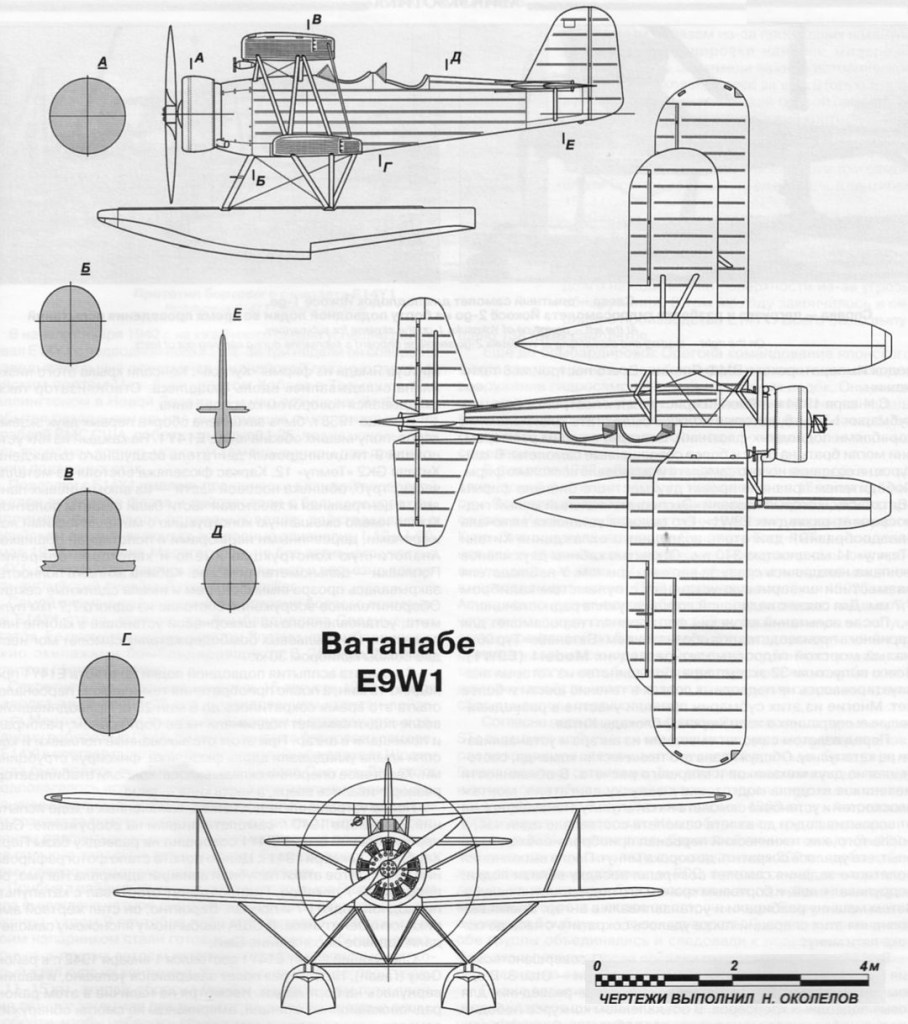
Watanabe E9W1 / Navy type 96 / Kyushu E9W1 / Nakajima E9N1
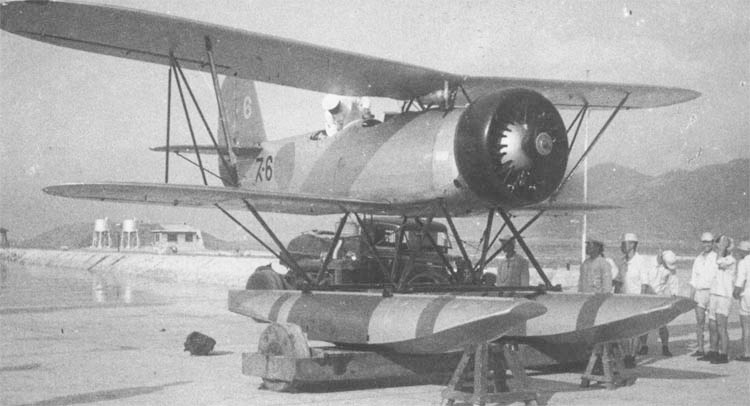
In January 1934, the Imperial Japanese Navy had a requirement for a two-seat reconnaissance seaplane to be operated from its J-3 type submarines, and placed an order with Watanabe Ironworks for design and development of an aircraft to meet this requirement.
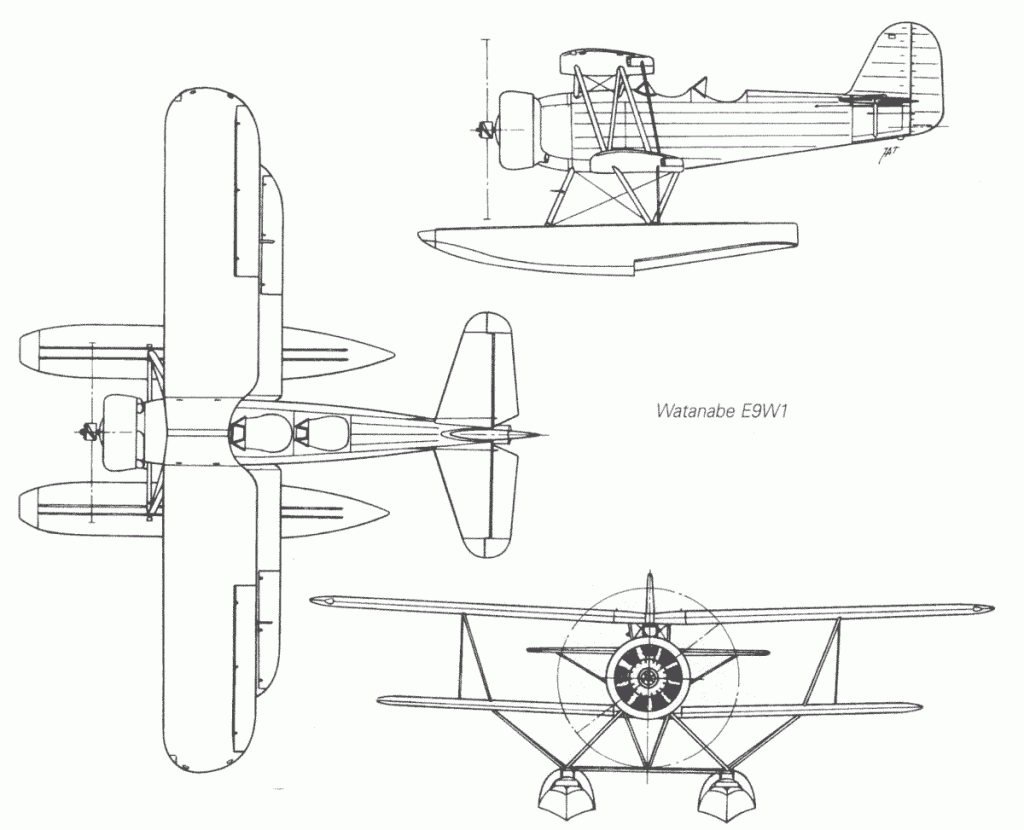
The E9W was a two-seat single-engine twin-float unequal-span seaplane designed to be easily dismantled for hangar stowage on a submarine, capable of being reassembled in two minutes 30 seconds and disassembled in one minute 30 seconds. It was armed with a 7.7 mm (0.303 in) machine gun operated by the observer.
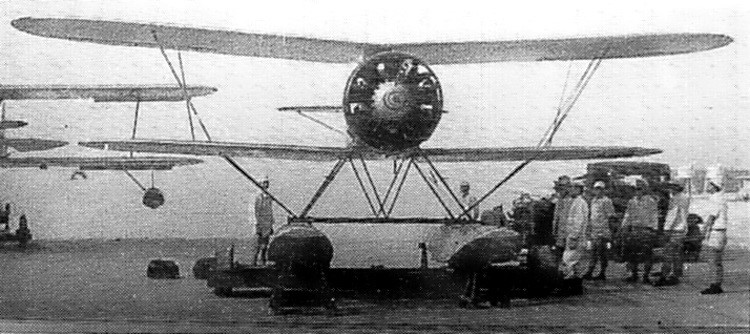
The first of three prototypes flying in February 1935.

Following successful testing of one of the prototypes on the submarine I-5, an order for a production batch of 32 aircraft, designated E9W1, was placed. It was also built by Nakajima as the E9N1.
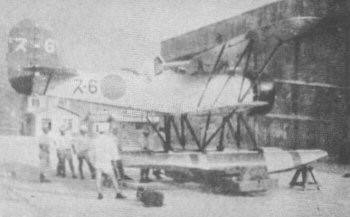
The aircraft entered service in 1938 with the Imperial Japanese Navy Air Service as the Navy Type 96 Small Reconnaissance Seaplane with the last being delivered in 1940. Although it was in the process of being replaced by the Yokosuka E14Y monoplane, it was still in front line service at the time of the Japanese attack on Pearl Harbor, remaining in service until July 1942, being used to direct their parent submarines onto Chinese ships attempting to pass the Japanese blockade of the South China Sea. The E9W1 was given the reporting name Slim in 1942 by the Allies of World War II.

E9W1
Engine: 1 × Hitachi Tempu II, 224 kW (300 hp)
Wingspan: 9.91 m (32 ft 9½ in)
Wing area: 23.51 sq.m (252.95 sq.ft)
Length: 8.00 m (26 ft 3 in)
Height: 3.71 m (12 ft 2 in)
Empty weight: 882 kg (1,940 lb)
Gross weight: 1,253 kg (2,756 lb)
Maximum speed: 232 km/h (144 mph)
Cruising speed: 148 km/h (92 mph)
Range: 731 km (454 miles)
Endurance: 4.9 hours
Service ceiling: 6,740 m (22,100 ft)
Crew: 2 (pilot, observer)
Armament: 1 x 7.7mm (0.303in) machine gun

Watanabe
Watanabe Tekkosho Kabushiki Kaisha
Japan
The Watanabe Ironworks (K. K.WatanabeTekkosho) began making aircraft parts during 1920s, building trainers from 1931. Ki-51 Army Type 99 still serving 1941, but obsolete. Developed seaplanes (E13A, E14Y) during Second World War; fighters (A5M and J7W); K10W1 trainer, copied from North American NA-16, built in 1941; production after first 26 given to Nippon. Built K11W1 bomber crew trainer in 1940, and copy of Bucker Bu 131 Jungmann. In 1942 produced Q14Tokai three-seat long-range naval patrol aircraft. Reorganized as Kyushu Hikoki K.K. in 1943 and products known retrospectively under that name.
Wasp Airplane Co T-2 Air Coach
The 1928 T-2 Air Coach was a five place cabin high wing monoplane. The price was $6,500.
Engine: 200hp Anzani (later 220hp Wright J-5)
Wingspan: 38’6″
Length: 25’0″
Useful load: 1100 lb
Max speed: 140 mph
Cruise speed: 110 mph
Stall: 52 mph
Range: 400 mi
Seats: 5
Wasp Airplane Co T-2 Air Coupe
The 1928 T-2 Air Coupe was a three place cabin high wing monoplane. The price was $2,345.
Engine: 120hp Anzani
Wingspan: 38’0″
Length: 25’0″
Useful load: 500 lb
Max speed: 110 mph
Cruise speed: 90 mph
Stall: 53 mph
Range: 400 mi
Seats: 3
Wasp Airplane Co Special

Designed by W H Woerner, the sole 1927 Wasp Special NX7571 c/n 2 was a Dole Race entry but it spun in and crashed prior to the race.
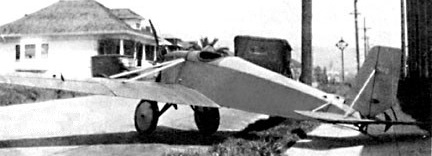
Engine: 80hp Anzani
Seats: 1
Wasp Airplane Co
3440 Boston Ave and 1044 51 Ave, Oakland CA.
USA
Circa 1927-8 airplane builder
Washington Navy Yard Seaplane / Richardson 82-A
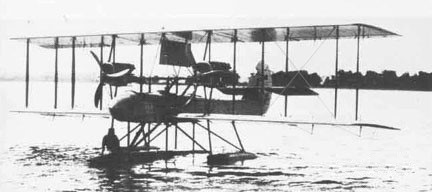
A seaplane for USN testing of pontoons was designed and built by a Lt Holden Richardson at the Washington Shipyard. A three place open cockpit biplane, power was from two engines.
One Seaplane / Richardson 82-A was built, A82, and three 3 ordered and s/ns issued. The last two, A83 and A84 were cancelled before construction.
Washington Aeroprogress Inc
Associated to Aeroprogress in Russia, initially to market T-411 Wolverine kits.
1995-7: 8535 Perimeter Rd. S., Seattle, WA 98108, USA.
Washington Aeroplane Co Columbia
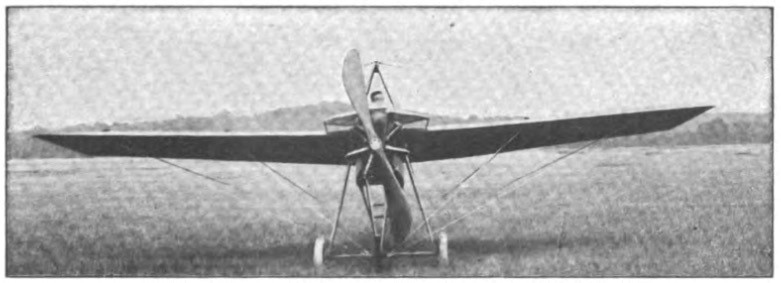
The Columbia monoplane was entered for the 1912 Gordon Bennett aviation race held in Chicago, to be piloted by Paul Peck, known as “The Birdman of West Virginia”, powered by a rotary rated at 50 hp. In 1912 Peck was killed while flying the Columbian at a Chicago exhibition. Peck started a steep spiral, ignoring a sudden storm, the engine came loose, cut through the pilot’s seat with its whirling propeller, and the airplane disintegrated in the air.
 All Aero