Single seat single engined high wing monoplane with conventional three axis control. Wing has unswept leading and trailing edges, and constant chord; cruciform tail. Pitch control by elevator on tail; yaw control by fin mounted rudder; roll control by quarter-span spoilers; control inputs through stick for pitch/roll and pedals for yaw. Wing braced from above by kingpost and cables, from below by cables; wing profile Clark Y derived; 100% double surface. Undercarriage has three wheels in tail dragger formation; no suspension on tailwheel and axle flex suspension on main wheels. Push right go right tailwheel steering connected to yaw control. No brakes. Aluminium tube framework without pod. Engine mounted below wing driving pusher propeller. All aluminium tubing to British HT3OTF specification.
In February 1982 the Besam partnership was advertising a full three axis control microlight promising that it would be available ‘soon’. Some explanation of these absences was provided in July when Besam announced that its premises had been first burgled and then set on fire, destroying the working drawings and damaging the prototype to the point where it was easier and safer to start again from scratch.
Aircraft
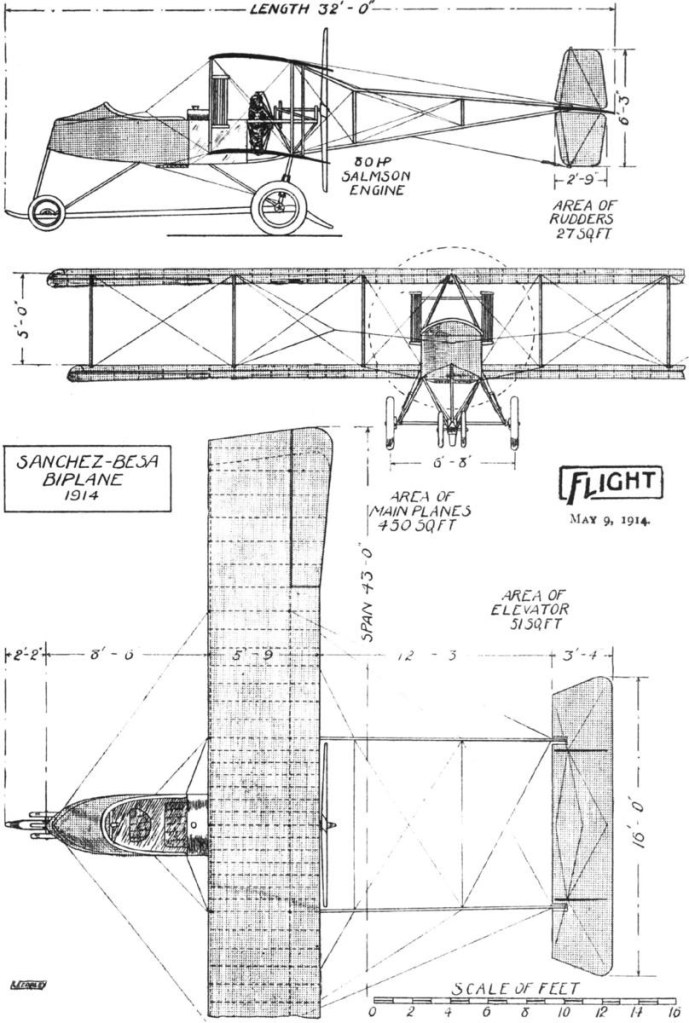
Besa 1914 Biplane
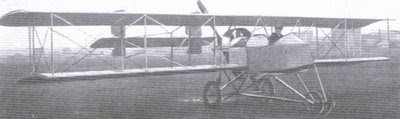
The 1914 José Sanchez Besa built biplane.
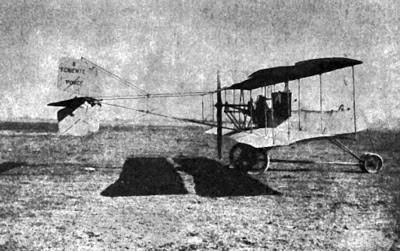
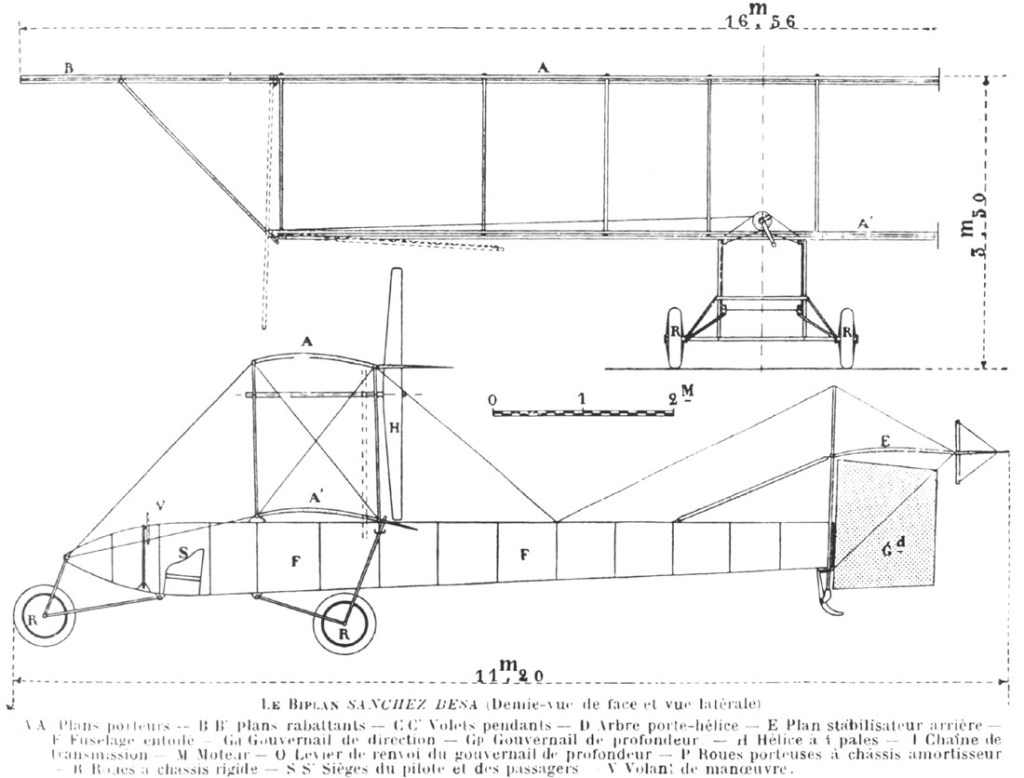
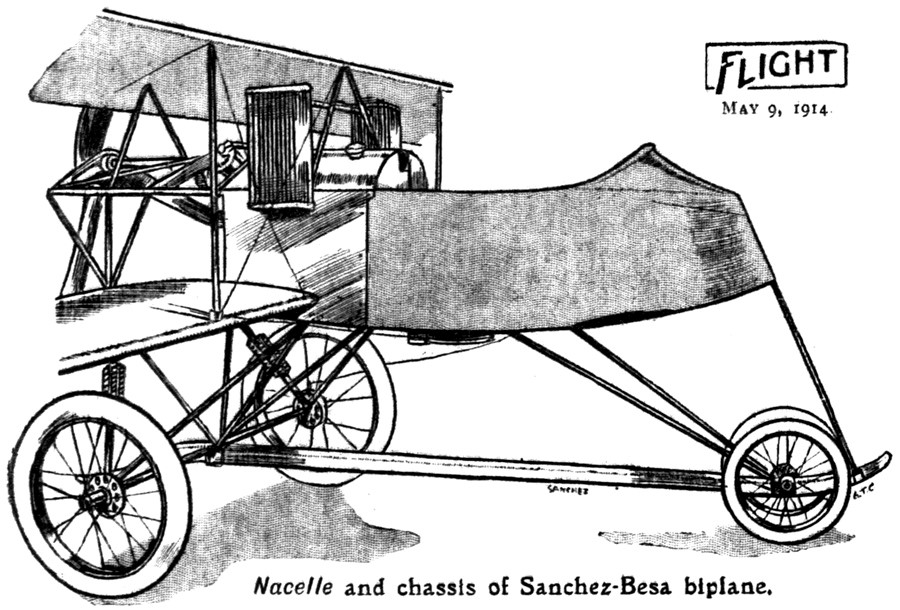
Besa 1913 Biplane
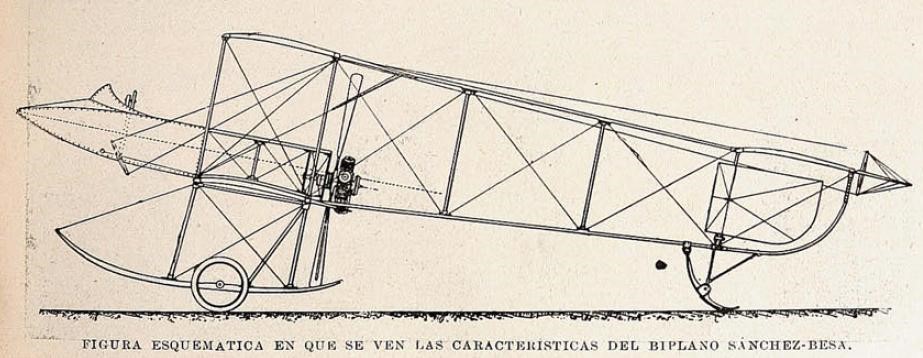
The José Sanchez Besa built 1913 Biplane.
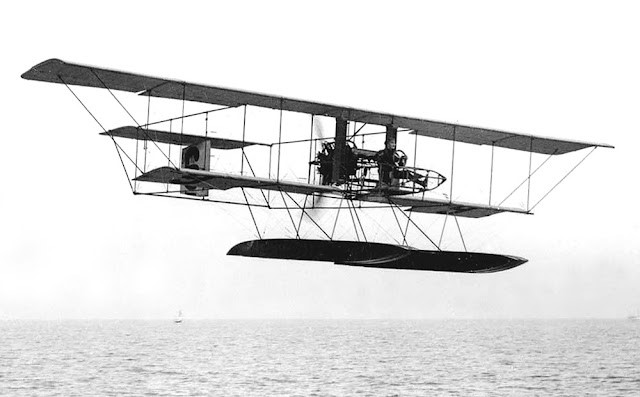
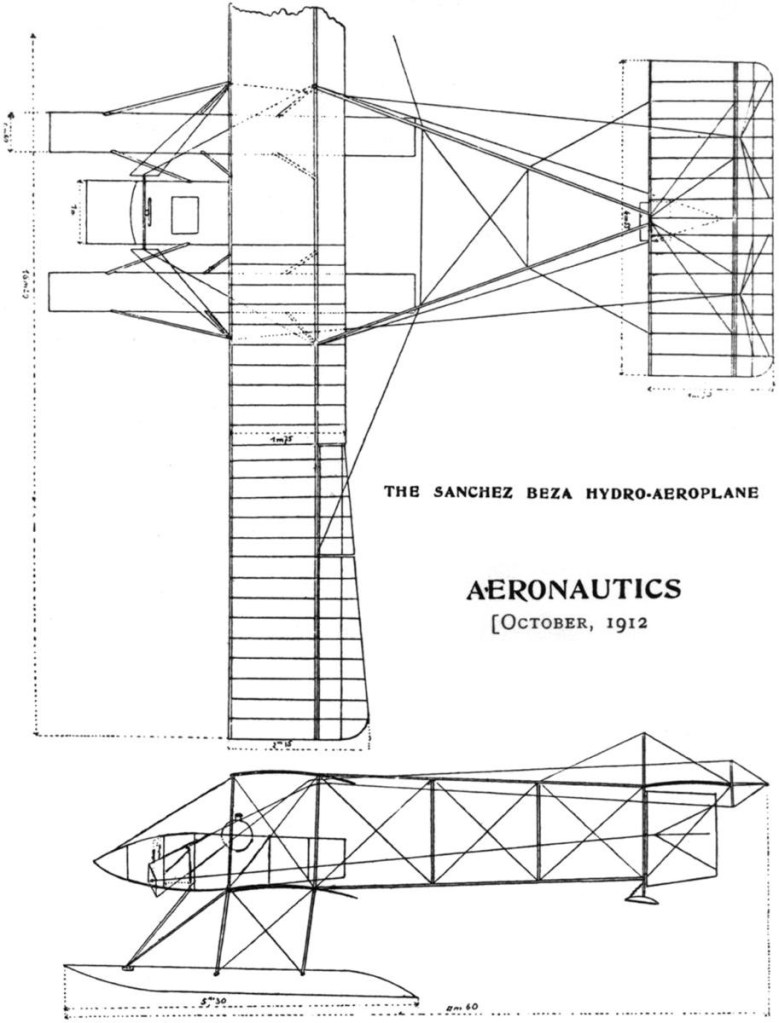
Besa 1912 Hydro Biplane
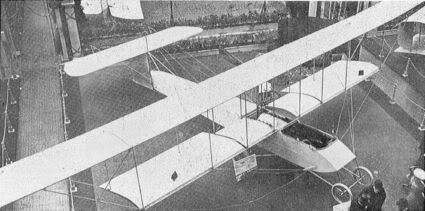
The José Sanchez Besa pusher biplane with a buried 80 hp Canton-Unné motor as seen at the Paris Salon in 1912.
Besa, José Sanchez
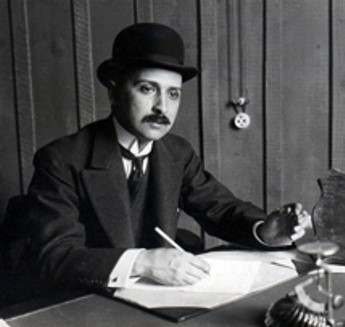
José Luis Sanchez Besa was born in Santiago, Chile, on February 13th, 1879. He came from a wealthy family that had made its fortune in the sugar industry. He thus had the money to live a bohemian life. He moved to France as a young man and studied law and engineering. He became interested in aviation and ballooning. He became a friend of Alberto Santos-Dumont and closely followed the Brazilian’s first flights in 1906.
He made his first flights in July 1909, becoming the first Chilean to fly. Together with his compatriot and friend Emilio Edwards Bello he bought two Voisin planes. One of them was entered at the 1909 Grande Semaine of Reims, but since the two Chileans hadn’t learned to fly it was reportedly piloted by Léon Bathiat. The brand-new machine wasn’t correctly rigged and only made some ground runs, but they were invited to the meetings in Berlin and Hamburg later in the year, where their appearances resulted in damaged machines.
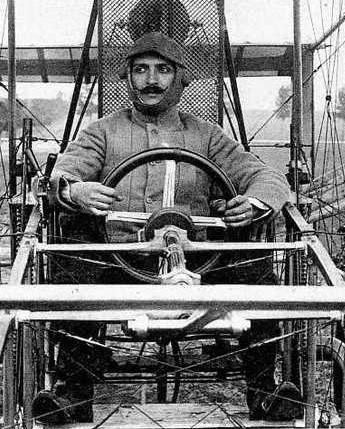
Sánchez Besa started a flying school at Reims and began producing his own machines at Boulogne-Billancourt, first inspired by Farman and later by Voisin designs. When Émile Train and Roger Sommer left the aviation industry he bought their factories. His first designs were not very successful, but later seaplane designs, developed together with Léon Bathiat, were more successful. Several were sold and participated in meetings in 1912-1914.
Some of Besa’s aircraft were used by the Chilean Military Aeronautics.
During WW1 his factories where involved in licence production of Breguet, Sopwith and Caudron machines and according to himself employed some 2,000 people. Since there was no demand for aircraft after the war they were used for maintenance of railway cars and manufacture of boxes, but in 1921 “Etablissements Louis Clement et Sanchez-Besa” displayed a “venetian blind-type” multiplane machine.
José Sánchez Besa passed away in Paris on March 2nd, 1955, after a heart attack.
He was granted French “Brevet de Pilote” (Pilot’s Licence) No. 155 on August 9th, 1910, having made the qualification flights on a machine of his own make.
José Sánchez Besa participated in the following air race meetings:
Reims 1909
Berlin 1909
Bertrand U1
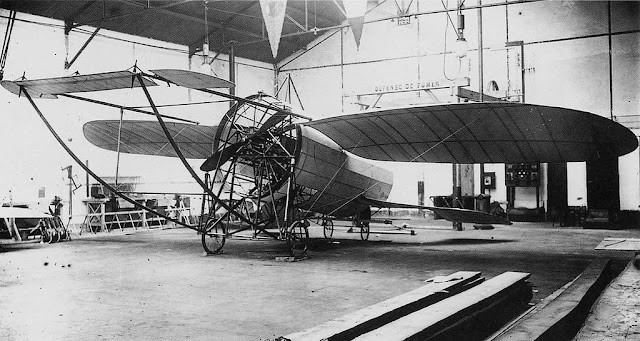
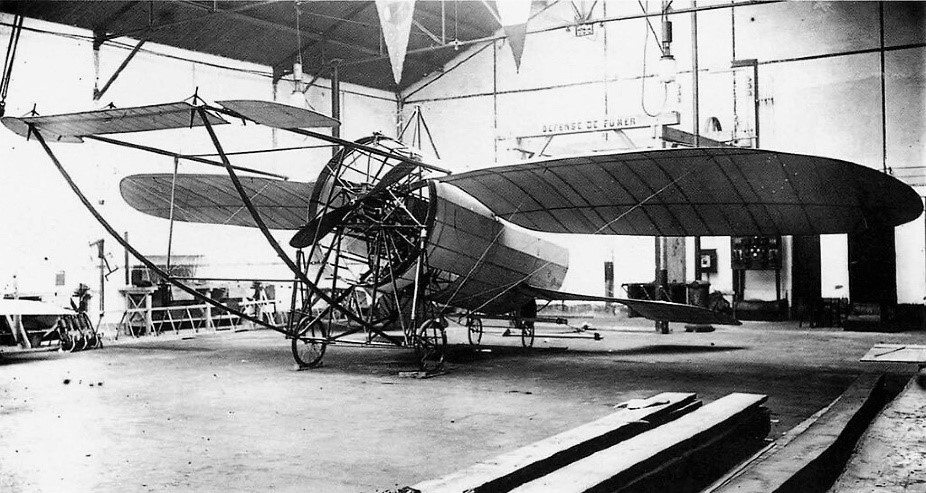
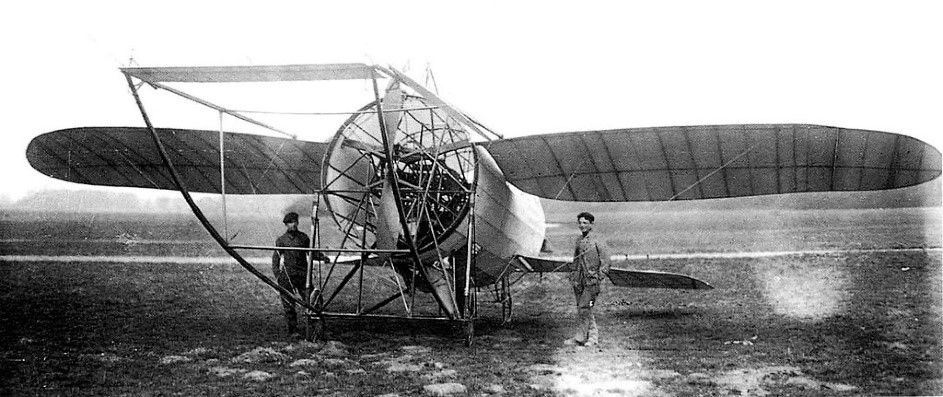
Aeronautical engineers have known for many years that the efficiency of a propeller can be improved by placing it in an annular channel. At the same time, the additional mass and aerodynamic resistance of the channel can often negate the achieved increase in the efficiency of the power plant. Some designers sought to solve this problem by turning part of the fuselage into an annular channel.
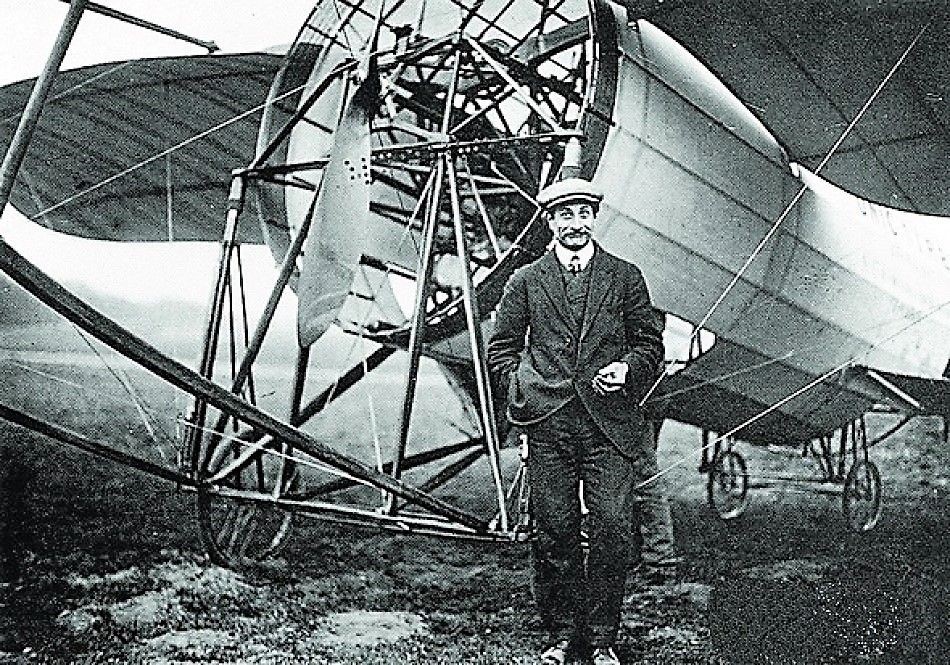
One of these aircraft was the monoplane Bertrand U1 (Bertrand Unic 1). This French “tunnel” aircraft built in 1909 had a number of unique features. One 30 hp Unic engine. (22 kW) set in motion two propellers, each of which was installed at opposite ends of the tunnel (diameter 2 meters). According to the aerodynamic scheme, the aircraft was a “duck” equipped with an additional tail unit. The ailerons were not installed on the wing (span 13.40 m), but on the ends of the PGO.
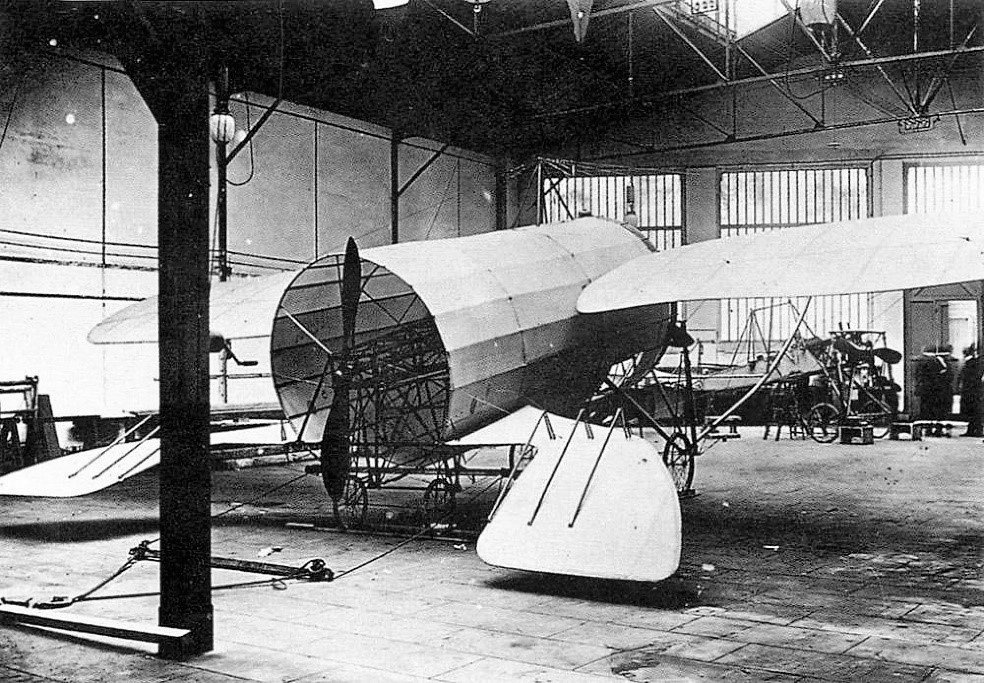
Engine: 30 hp (22 kW) Unic.
Wingspan: 13.40 m
Wing area: 40.00 sq.m
Normal takeoff weight: 461 kg
Seats: 1
Bertin 1910 monoplane
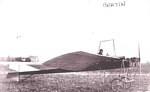
The Bertin 1910 monoplane was designed and built by Leonce Bertin in France.
Berthaud Type W
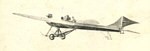
The 1911 Berthaud Type W monoplane was designed by P. Wroblewsky and built by Berthaud in France.
Span: 43’3″
Length: 33’8″
Weight empty: 925 lbs
Bernard HV.45
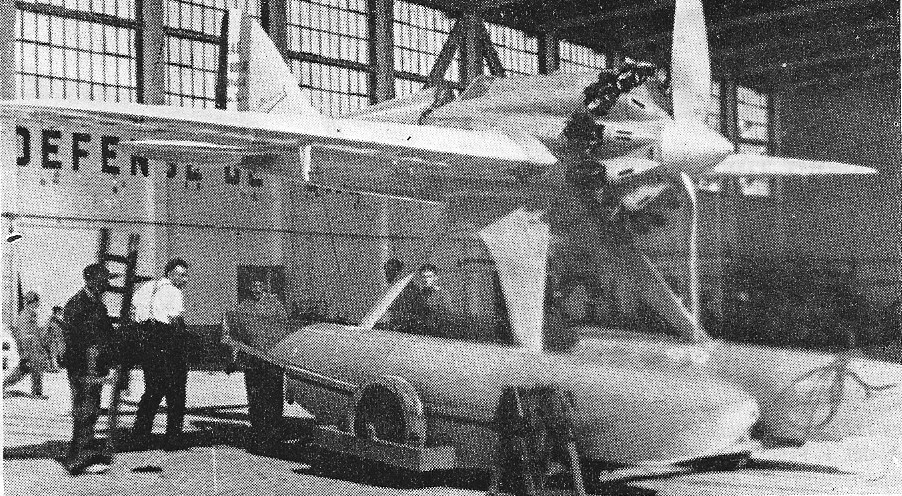
The Bernard HV.45 speed trainer was used for training pilots taking part in the Schneider Trophy Races during 1928.
It was based at Berre, France, until 1939.
Engine: Gnome Rhone 9 Kfr, 1200 hp
Span: 28 ft 6 in
Length: 24 ft 4 in
Height: 11 ft 9 in
Max speed: 280 mph
Bernard HV.42
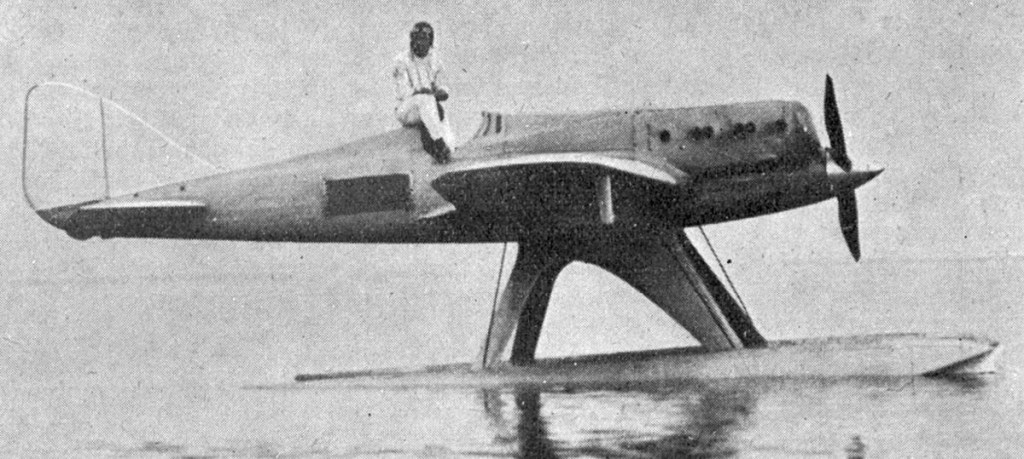
The Bernard H.V.42 was a racing seaplane designed by Société des Avions Bernard for the French government for use of the French Schneider Trophy team.
Three H.V.42s were ordered by the French government for use as trainers for the French Schneider Trophy team at Lake Berre. Similar to the earlier H.V.41 they were streamlined single-seat cantilever monoplanes with twin floats. The first H.V.42 flew in March 1931 and was soon joined by the other two. Marked as “1” “2” and “3” they were used during the summer of 1931 to train the French team for the 1931 race.
Powerplant: 1 × Hispano-Suiza 12Nsr Special, 746 kW (1,000 hp)
Wingspan: 9.20 m (30 ft 2.25 in)
Wing area: 12.00 sq.m (129.17 sq ft)
Length: 7.99 m (26 ft 2.5 in)
Height: 3.60 m (11 ft 9.75 in)
Maximum speed: 450 km/h (280 mph, 240 kn) (estimated)
Crew: 1

