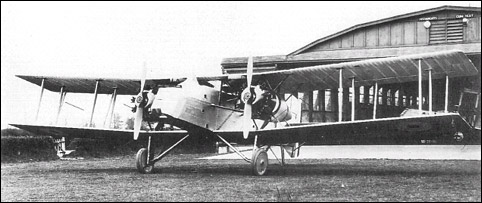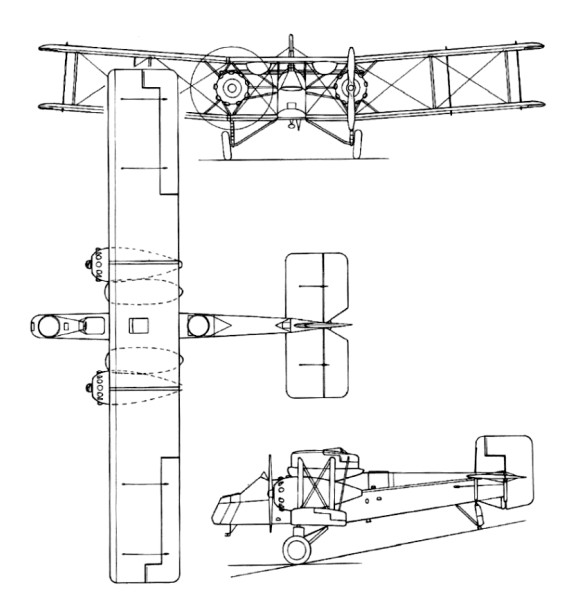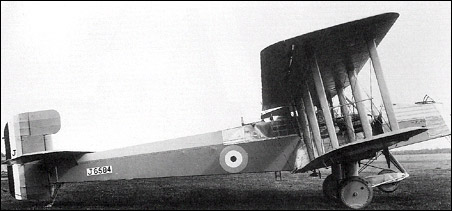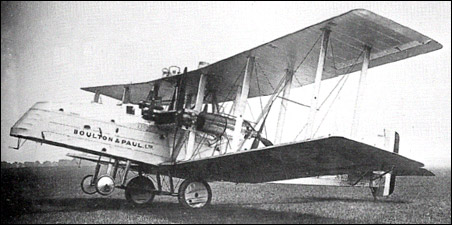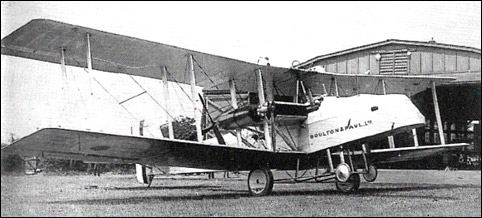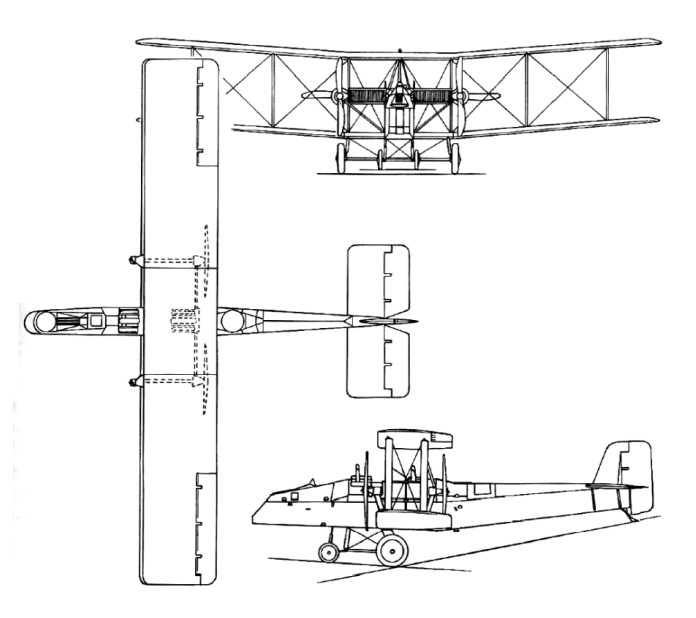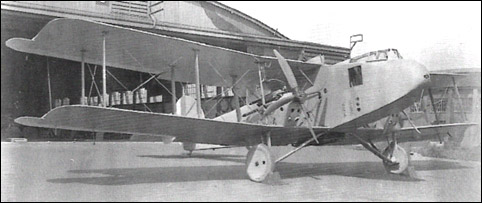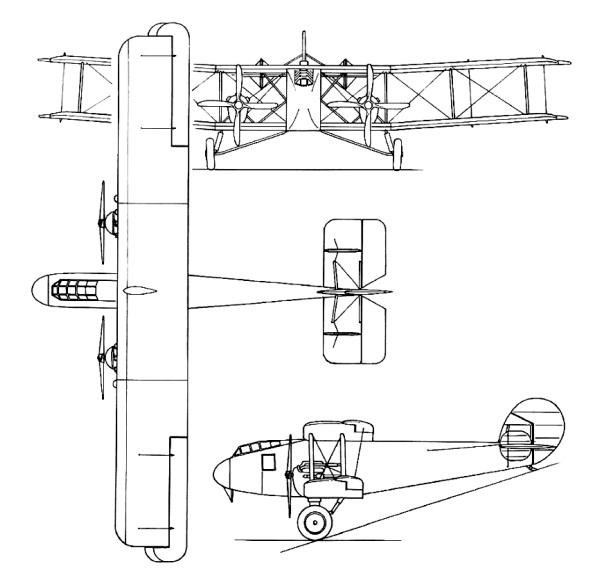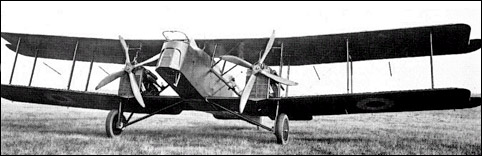
Boulton Paul P29 Sidestrand

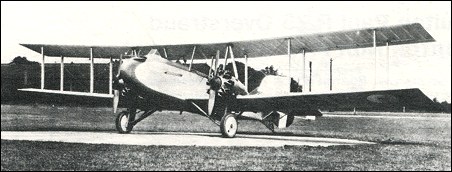
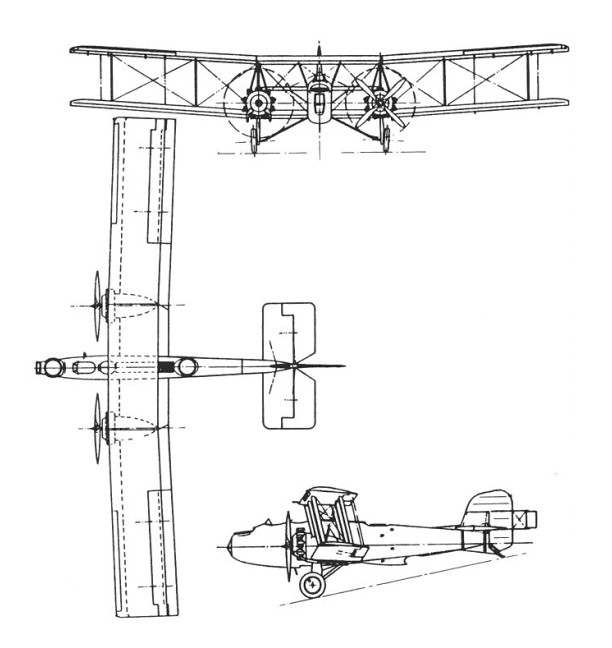
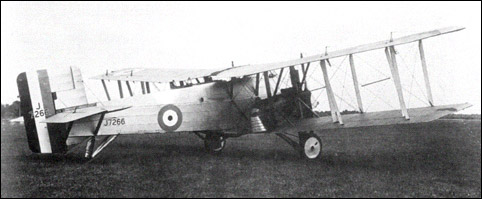
Boulton Paul developed the Sidestrand to meet Specification 9/24 for a three/four-seat medium day bomber.
The first of two Boulton & Paul P.29 Sidestrand Mk I prototypes flew in 1926, and the company received an order for 18 production aircraft.
Deliveries to the newly re-formed No. 101 Squadron at Bircham Newton began during April 1928, the first batch of six aircraft being of the Sidestrand Mk II version with ungeared Bristol Jupiter VI engines. These were followed by nine of the Sidestrand Mk III versions with geared Jupiter VIIIFs, and the final three production aircraft were replacement Mk IIs.
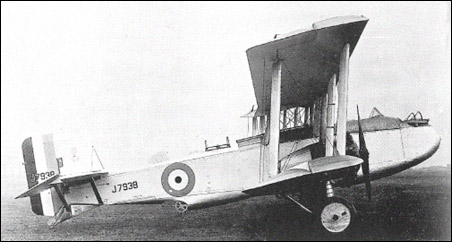
With well-balanced, powerful controls including a servo-actuated rudder, the aeroplane was designed for Napier Lion inline engines, but always flew with Jupiter radials.
Three Sidestrand Mk IIIs were converted to Sidestrand Mk V configuration but were then renamed Overstrand.
The first RAF twin-engined bomber to enter service since World War I, the Sidestrand was replaced by the Overstrand in December 1934.

Sidestrand Mk III
Engine: 2 x Bristol Jupiter VIIIF, 343kW (460 hp)
Span: 21.92m (71 ft 11 in)
Length: 14.02m (46ft)
Height: 4.52 m / 14 ft 10 in
Wing area: 91.04 sqm / 979.95 sq ft
Max T/O weight: 4627kg (10,200 lb)
Empty weight: 2726 kg / 6010 lb
Max speed: 225 km/h / 140 mph at 10,000ft
Ceiling: 7315 m / 24000 ft
Operational range: 500 miles / 432 nm / 800 km
Armament: 3 x 7.7-mm (0.303-in) machine-guns, 476 kg (1,050 lb) bombs
Crew: 4
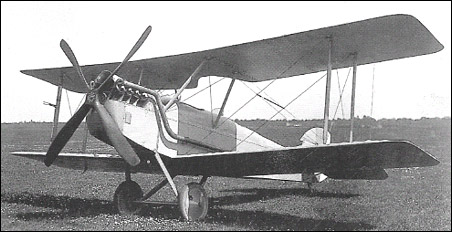
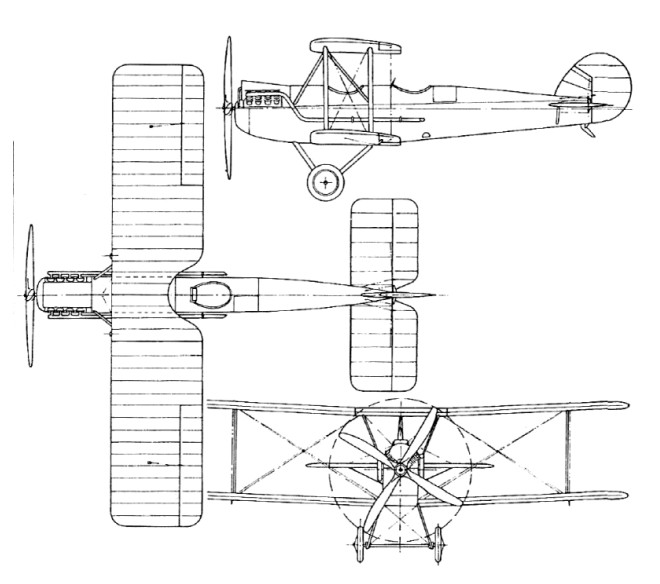
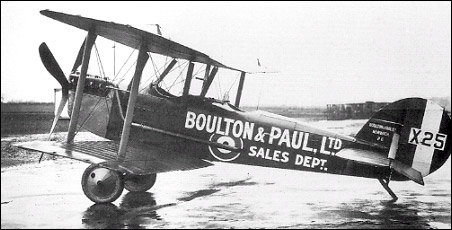
Boulton Paul P3 Bobolink

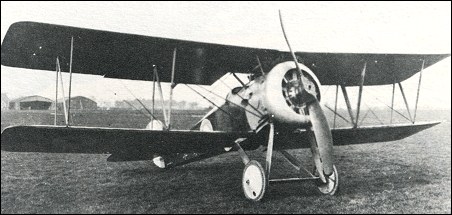
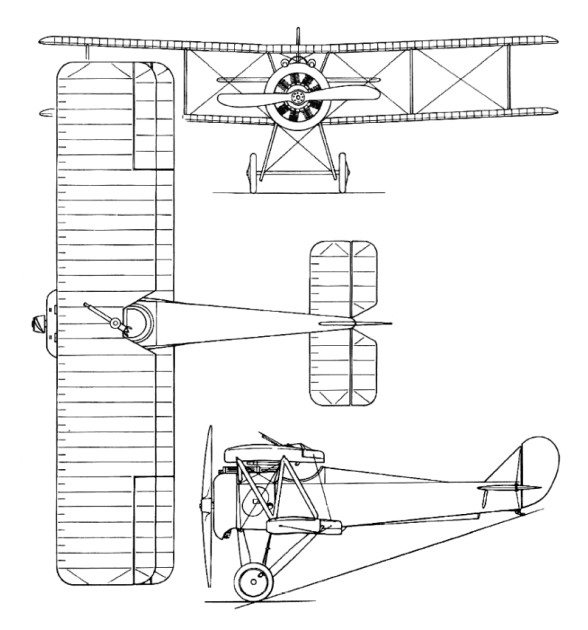
Boulton & Paul had manufactured wooden buildings at its Norwich factory, and during World War I built aircraft under sub-contract. Among the types produced were the FE.2b and Camel, and the Bobolink was the result of a design competition to find a Camel replacement. Boulton & Paul’s first aeroplane, the P.3 Bobolink designed by John D. North, was built only in prototype form.
The winner of the competition was the Sopwith Snipe, and the Boulton & Paul aircraft did not enter production. Three serial numbers were allocated for the prototypes, but records suggest that only one was built.
A Bobolink feature made it possible for the pilot to jettison its main fuel tanks in the event of an in-flight fire.

Engine: 1 x Bentley B.R.2 rotary piston engine, 172kW
Take-off weight: 904 kg / 1993 lb
Empty weight: 556 kg / 1226 lb
Wingspan: 8.84 m / 29 ft 0 in
Length: 6.10 m / 20 ft 0 in
Height: 2.54 m / 8 ft 4 in
Wing area: 24.71 sqm / 265.98 sq ft
Max. speed: 201 km/h / 125 mph

Boulton Paul

Established as a building constructor in Norwich, Norfolk, turned to subcontract construction of aircraft in First World War, including RAF F.E.2d, Sopwith 1/2-Strutter and Sopwith Camel. Known originally as Aircraft Department of Boulton & Paul Ltd. As the war neared its end, the company decided to continue in aircraft industry and the aircraft division of Boulton & Paul was incorporated as an independent company, Boulton Paul Aircraft in 1934. First original design P.3 single-seat biplane fighter which did not enter production. Designed and built P.6 research aircraft, which provided much data for later P.9. P.7 Bourges twin-engined fighter-bomber built at the end of 1918, followed later by similar Bugle. Neither entered RAF service. Continued to build small numbers of civil aircraft during inter-war years. Sidestrand 3/4-seat medium bomber entered RAF service with one squadron in April 1928. Replaced by improved Overstrands, with power-operated gun turret, in 1934. When production ended, in 1936, company re-established at Wolverhampton, Staffs. Name of Boulton Paul Aircraft Ltd. adopted 1934. Designed and built P.82 Defiant for RAF, prototype first flew 11 August 1937; two-seat fighter with power-operated gun turret was entirely new concept and enjoyed initial operational success. Production ended 1943 after more than 1,000 built. Designed P.108 Balliol three-seat advanced trainer for RAF, 162 built subsequently as two-seat Balliol T.2, of which 30 built under subcontract by Blackburn Aircraft Ltd. Built P.111 and P.120 for research into behavior of delta wing at transonic speeds.
In 1961 the company became part of the Dowty Group.